

The autumn wind rises and the chill deepens. Have all you “pet owners” started adding extra layers of clothes and blankets? At the same time, our “turtle darlings” in the aquariums are also facing the test of the season.
For turtle hobbyists, the most vexing question during autumn and winter is undoubtedly: Does my turtle need heating to get through the winter? If I use a heater, I’m afraid improper operation might cause problems; if I don’t, I fear waking up one day to find it has fallen into an eternal sleep……
Don’t worry! This guide will completely clarify your thoughts, listing those delicate species that can’t live without “heating” and the naturally “cold-hardy” tough guy species. Come and see which group your beloved turtle belongs to!
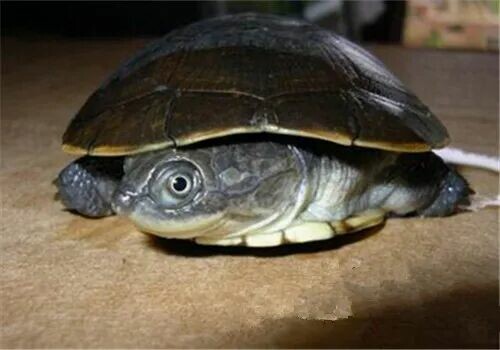
“Greenhouse Babies” The Heating Group — Turtles That Can’t Live Without a Heating Rod
These types of turtles usually originate from tropical or subtropical regions, and the concept of a “cold winter” doesn’t exist in their genes. Once the water temperature drops below 20°C (68°F) for an extended period, they will lose their appetite, become less active, and their immune systems may even collapse, leading to various diseases. Therefore, a heating rod must be used throughout the winter to maintain a stable water temperature within the suitable range of 24-28°C (75-82°F).
List of Species That Require Heating
Tropical Side-necked Turtle Family: The vast majority of side-necked turtles, such as the Yellow-headed side-necked turtle.
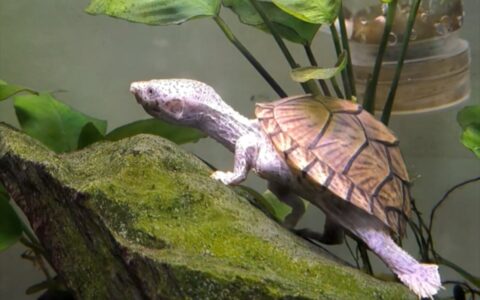
Mud and Musk Turtle Series “for advanced hobbyists”: High-end and delicate species, such as the Red-cheeked mud turtle, White-lipped mud turtle, Narrow-bridged musk turtle, Salvinii’s musk turtle, Striped mud turtle, and Mexican musk turtle.
Exotic and Unique Turtle Species: The uniquely shaped Snake-necked turtle, Mata mata turtle, and Pig-nosed turtle.
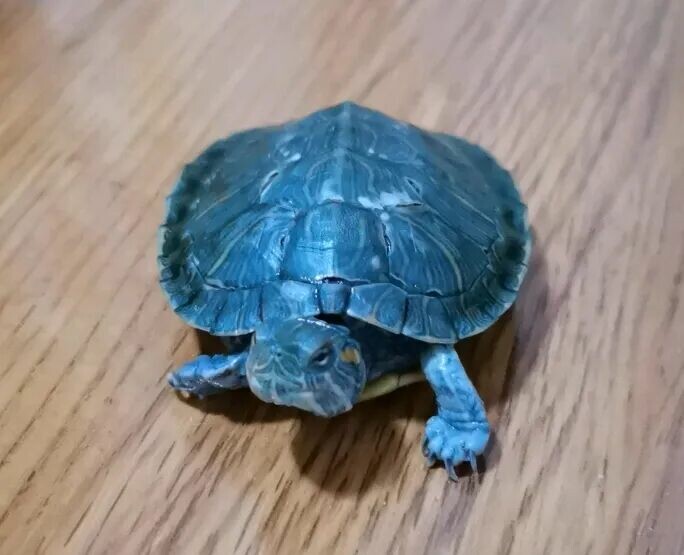
Genetically Modified Varieties: Such as morph Red-eared sliders, as their constitution is generally not as robust as that of regular Red-eared sliders.
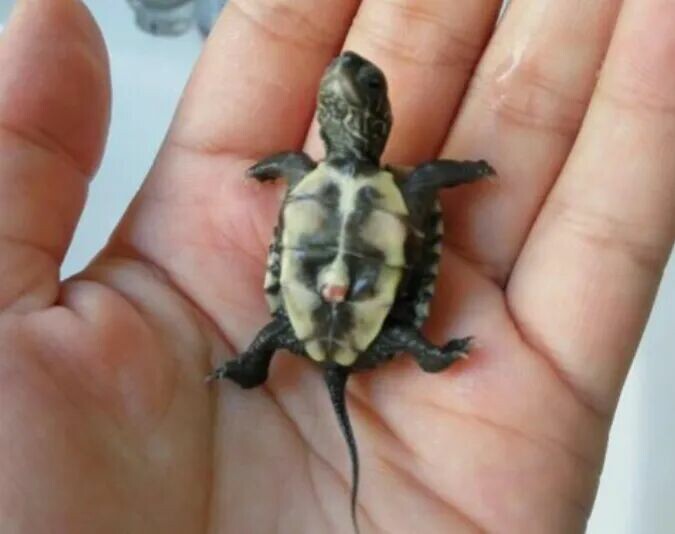
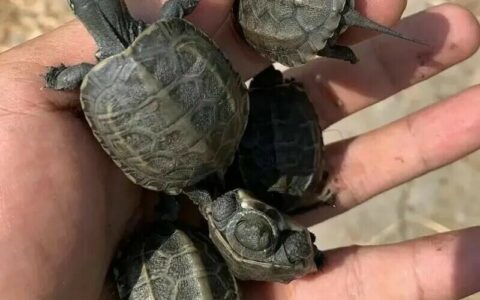
Hatchlings of All Turtle Species: Regardless of the species, it is recommended that all hatchlings (turtles born in the current year) overwinter with heating! This is because their small size means they have insufficient fat reserves and extremely poor stress resistance, leading to a high mortality rate when overwintering in cold water. Of course, for those with strong constitutions and confidence, it’s also possible to let hatchlings overwinter naturally.
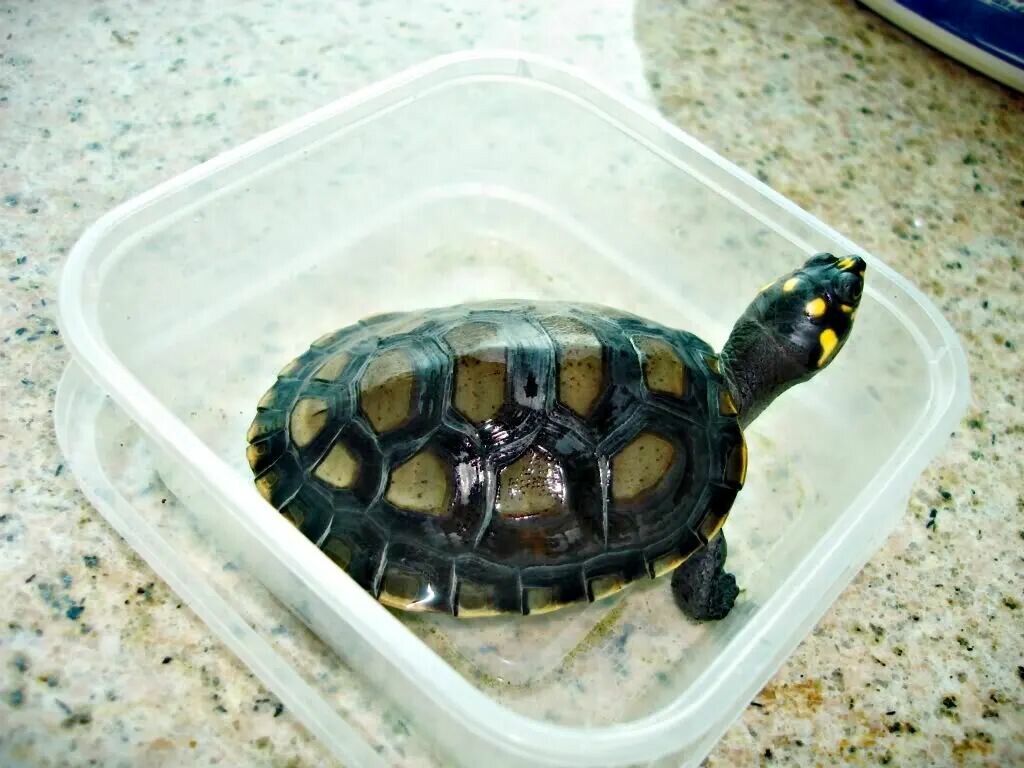
Key Tips for Rearing with Heating
When raising these “greenhouse babies,” a heating rod is standard equipment. Don’t forget to use it in conjunction with a thermostat for double protection to prevent the tragedy of boiling a turtle!
“Natural Tough Guys” The Cold Water Group — Turtles That Can Hibernate Naturally
These turtles are adapted to temperate climates and have a natural habit of getting through the cold winter by hibernating. As long as the turtle is healthy, adult, and plump and strong, it can safely hibernate under the right conditions.
List of Species That Can Overwinter in Cold Water / Hibernate
This is a very large family, and many of the Chinese native and North American species we are familiar with are on this list:
The 4 Classic Chinese Native Turtles: Reeves’s turtle, Chinese stripe-necked turtle, Yellow pond turtle (“Xiao Qing”), and Red-necked pond turtle.
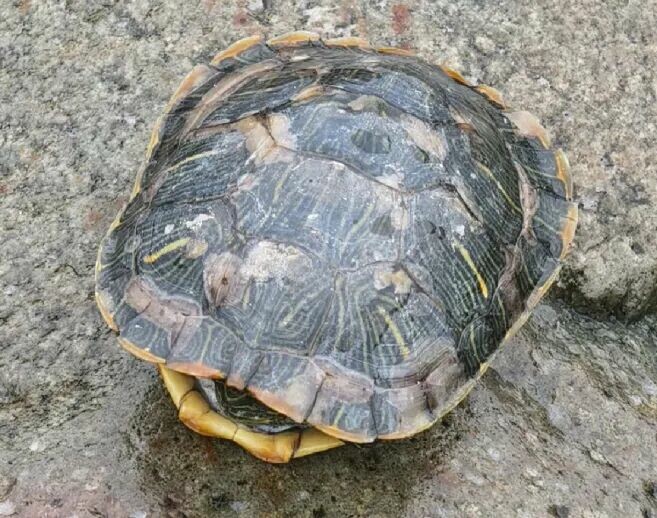
“Slider-faced” Turtles and Relatives: Red-eared slider, Painted turtle, Flame turtle, and Map turtle.
The Cold-Hardy Lineup of Mud and Musk Turtles: Common musk turtle, Razor-backed musk turtle, Loggerhead musk turtle, Stripeneck musk turtle, Eastern mud turtle, and Mississippi mud turtle.
European Pond Turtles: European pond turtle.
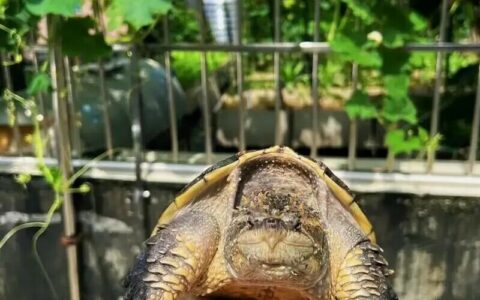
North American “Behemoths”: Snapping turtles (Alligator snapping turtle and Common snapping turtle).
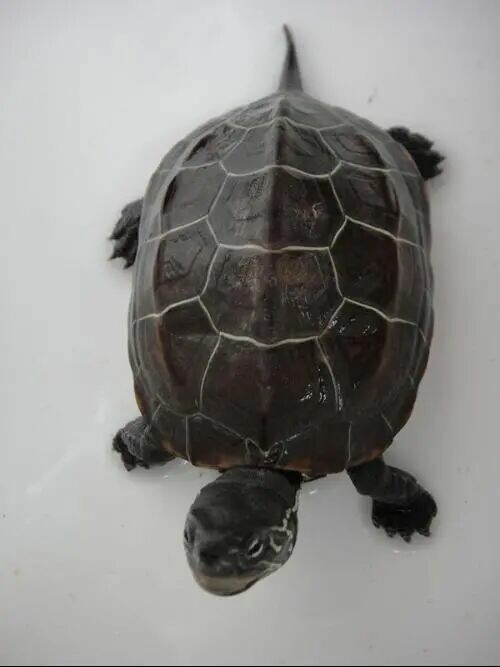
Important Prerequisites for Hibernation
“Can overwinter in cold water” does not mean “just throw it in cold water and ignore it.” You need to ensure:
- The turtle is healthy: Weak, sick, or internally injured turtles must not hibernate.
- The environment is stable: During hibernation, the ambient temperature should be kept stable between 3-10°C (37-50°F) to avoid repeated freezing and thawing.
- The method is correct: You can choose safe hibernation methods such as shallow water over the carapace, moss, or coco coir.
In summary, to determine if your beloved turtle needs heating, the primary factor is the climate type of its native habitat. Tropical turtles need heating, temperate turtles can hibernate, and all hatchlings should be treated as “greenhouse babies.”
Of course, the “world of turtles” is vast with numerous species, so some omissions are inevitable. Come to the comments section and share your turtle’s species, and let’s discuss its overwintering plan together! If you have successful hibernation experiences or clever “heating tips,” feel free to share them to help more turtle keepers get through this winter safely!
Original article by 搬运工, if reproduced, please cite the source: https://www.kaipet.com/en/turtle-overwintering-heating-hibernation-distinguish-2-major-types-species-beloved-turtle-winter-safely


Comments(2)
What a clear guide! I’m curious, for those with ‘Greenhouse Babies,’ what unique heating setup tips have you found most effective?
@CriticX:Thank you for your kind words! That’s a great question about heating setups for ‘Greenhouse Babies.’ We encourage our community to share their unique and effective tips here to help everyone.