


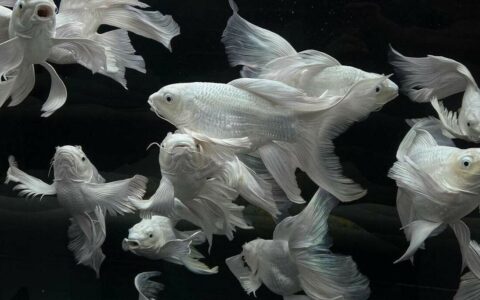
Siamese fighting fish can be roughly divided into categories such as halfmoon (半月),crowntail ( 将军),plakat ( 狮王),veiltail ( 马尾),double tail ( 双尾),rose tail ( 绣球),and wild type ( 原生斗鱼)according to the shape of their fins. If classified by size, a category called giant fighting fish ( 巨斗)can also be added. Each category has different color patterns, and the distribution of color blocks on each fish is unique. This gives the fighting fish infinite possibilities in appearance, and there is always one that will catch your heart.

Key Points for Selecting Siamese Fighting Fish
Firstly, it is about selecting the Siamese fighting fish. Nowadays, most people buy fighting fish through live broadcast shopping. It is essential to choose those that are willing to display their fins, can puff out their cheeks to fight, and have good activity. If the fish is lying down motionless, with its tail clamped and looking very listless, do not choose it. Beginners without experience will find it difficult to adjust the state of the fighting fish. Its life may have started counting down from the transportation process.
Preparations for Siamese Fighting Fish Breeding
Choosing the Right Container
After purchasing the desired Siamese fighting fish, you can start the preliminary preparations. First is the house for the fighting fish. The name “fighting” fish indicates their aggressive nature. It is not recommended to mix male and female fish in the same tank.
- Mixing male fish will lead to fierce fighting to the death.
- Mixing female fish will also result in constant fighting and gradual reduction in numbers.
Some people may ask, “Wouldn’t it be great to mix one male and one female?”The answer is no. Only during breeding will a male and female fighting fish be placed in the same tank. Even so, it is inevitable that one will beat the other to the point of being “bald,” and there are even cases of death. If any friends are interested in breeding, I will dig a pit here and update the breeding tutorial later. So, please keep one fish per tank when breeding fighting fish.

Choosing the Suitable Container
You can choose glass aquariums, plastic jars, acrylic aquariums, bottles, etc. It is recommended to choose a relatively larger container. A larger container means a larger water body, which results in smaller fluctuations in water quality and provides more space for the fish to move. It is suggested to choose an aquarium with a length of more than 15 centimeters.
Preparing Suitable Water
Next is to prepare the water. Fill a bucket with tap water and place it on the balcony to expose it to sunlight to remove chlorine. Of course, you can also choose water from a water purifier or distilled water. In areas where the temperature is below 24 degrees Celsius, you also need to prepare a mini heater or heating pad to maintain the water temperature. At this point, we can welcome the little fish.

Unpacking and Checking the Fish’s Condition
After receiving the package, do not rush to open it. With my years of experience in buying fish, please make sure to turn on the video recording function of your mobile phone and record the entire unpacking process. After all, fish are living creatures, and it is not uncommon for them to die, get injured, or fall ill during transportation. Without a complete video, some unscrupulous merchants will refuse after-sales service. Then take out the fish to confirm that it is still alive. Do not open the bag first. First, fill the aquarium with water, but do not fill it too much. The jumping ability of Siamese fighting fish is very strong. You definitely do not want to find the fish on the ground as a “little fish dry” the next day.
Using Catappa Leaves to Improve Water Quality
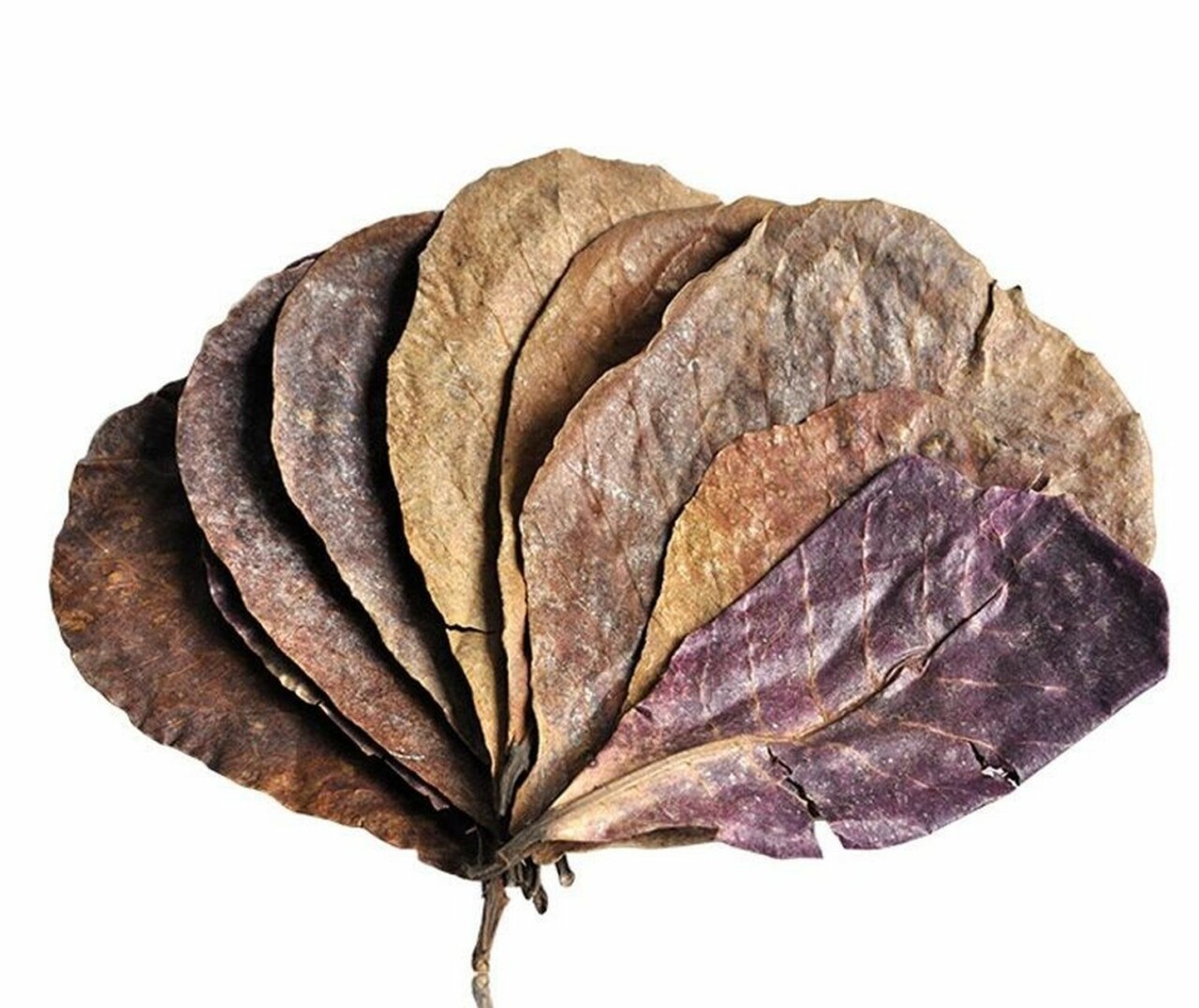
Generally, merchants will give away “catappa leaves.” Here, the catappa leaves refer to the leaves of the Terminalia catappa tree. Clean the catappa leaves, take a small piece, about the size of a bank card, and soak it in the water. The water will gradually turn yellow, and the pH of the water will also decrease accordingly. Siamese fighting fish will be more comfortable in this slightly acidic water quality. However, soaking catappa leaves in water will produce flocculent sediment. If you want to avoid this situation, you can directly cut the leaves into pieces when “aging water,” and soak them in the aging water bucket like making tea. When filling the aquarium with water, use the clear water from the upper layer. You can also make a concentrate by boiling catappa leaves and add it to the aquarium. Here I will dig another pit. If you need it, I will make a tutorial on how to make catappa leaf concentrate.
Helping the Little Fish Successfully Settle In
Okay, let’s continue. Put a heater or heating pad in the aquarium, and adjust the water temperature to 26 degrees Celsius. Put the fish with the bag into the aquarium and wait for the water temperature to be completely consistent. This process takes about 15 to 30 minutes. After the time is up, open the bag. Pour out the water in the bag and do not use it. After all, it has been transported for so long, and the ammonia nitrogen in it has long exceeded the standard. Then put the fish alone into the aquarium, and the settlement is successful.

Daily Care of Siamese Fighting Fish
Feeding Points
On the first and second day after the little fish settles in, do not feed it. Eating before adapting to the water quality can cause enteritis. Siamese fighting fish will not starve to death even if they do not eat for two weeks, so do not worry. Starting from the third day, feed once a day or every other day. It is enough to eat until the belly is slightly bulging. About 5 to 10 medium-sized pellets are enough. If your fish food is small pellets, you can use more, about 20. For very large fish food, control it to about 5.

Water Changing Points
Another thing to pay attention to is water changing. It is best to change one-third to one-half of the water every three days for Siamese fighting fish. Changing water can reduce the accumulation of harmful substances in the water. Although some fighting fish can live for a long time without changing water, it will inevitably cause various fish diseases over time, such as saprolegniasis, ichthyophthirius, pepper disease, ascites, etc. To avoid this situation, please insist on regular water changing. I emphasize again, please insist on regular water changing. When changing water, pay special attention to the consistency of water temperature. The temperature difference between the new and old water should not exceed two degrees. First, use a tube or water changer to suck out the fish feces and impurities at the bottom of the aquarium, and then add the aged water. Replace the catappa leaves or concentrate.
Maintaining Aggressive Nature
Siamese fighting fish need to maintain their aggressive nature, otherwise they will become unwilling to display. Therefore, you can prepare a betta stick or a small mirror, and tease it when you appreciate it every day. It will be very willing to display its fins and puff out its cheeks. Of course, the time should not exceed half an hour. If it is too long, the fish will be very tired. So if you have multiple fighting fish, please use partitions to separate the aquarium to prevent them from seeing each other through the tank. If they fight all day long, they will eventually be exhausted and tired, and then they will never display again.

Other Breeding Methods
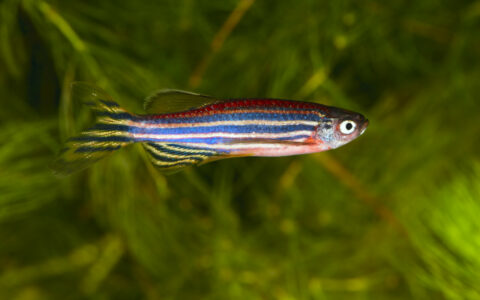
In addition to this method of breeding fighting fish, there are many other ways. You can put a single fighting fish into a planted tank and mix it with other small danio fish. Fighting fish are highly aggressive towards their own kind, but they are not so sensitive to other types of small fish. You can also use the “traditional ecological aquarium” method, which can save effort and worry, although the viewing effect may not be as good as a single aquarium.
If you have any questions, you can leave a message in the comment area, and I will try to reply after seeing it.
Original article by KPTer, if reproduced, please cite the source: https://www.kaipet.com/en/complete-guide-siamese-fighting-fish-beginners-selection-environmental-preparation-feeding-guide



Comments(2)
What a great guide! I’m really curious about the catappa leaf concentrate mentioned. Will you be sharing that tutorial soon?
@CriticX:That’s a great question! We’re glad you found the guide helpful. We’ve noted your interest in the catappa leaf concentrate tutorial and will relay it to the author. Please keep an eye out for future updates on our site!