


Next, let’s talk about the “breeding machine” Molly fish and introduce methods for raising and breeding them, as well as some precautions. If you have any questions, feel free to discuss in the comments or send me a private message.
I. Introduction to Molly Fish
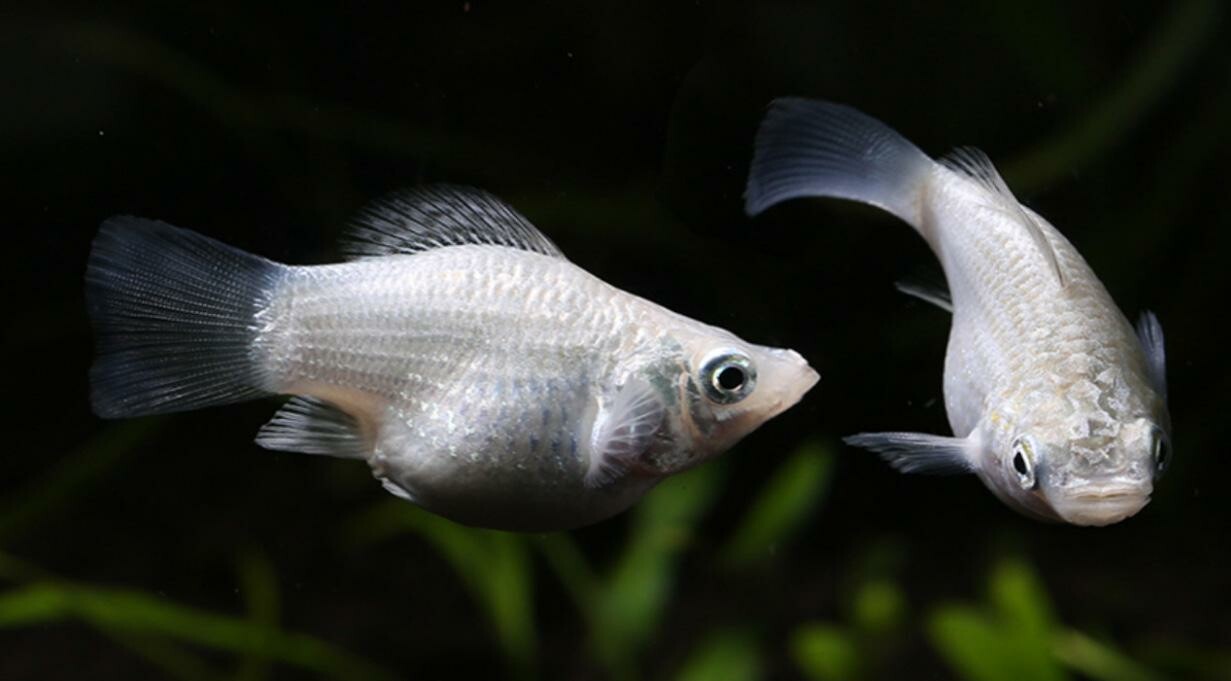
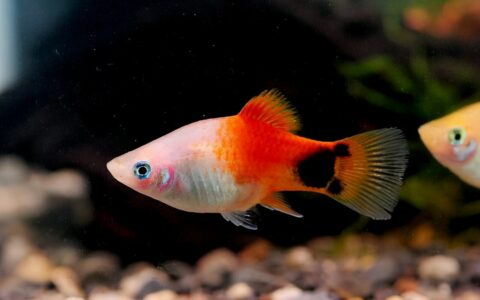
Molly fish are a common type of ornamental fish, scientifically known as Poecilia latipinna, and are also called Mollies. They belong to the Poeciliidae family and the Poecilia genus. They are native to the coastal regions of the United States and Mexico. Compared to other fish, Molly fish have a relatively round body shape, with a high and wide dorsal fin, making them appear quite upright.
Different varieties of Molly fish vary in color and characteristics. For example, solid-colored Molly fish come in various colors such as gold, silver, red, and black. In addition to color differences, there are many different varieties, including Red Sail Molly, Yellow Sail Molly, Pearl Molly, Fantail Molly, Mandarin Molly, and Balloon Molly, among others.
II. Growth Environment of Molly Fish
Molly fish are relatively robust and easy to raise. As tropical fish, they can even tolerate temperatures around ten degrees Celsius, but this does not mean they can grow well at such temperatures. Prolonged exposure to low temperatures can also make them susceptible to fungal infections and illness.
Compared to other members of the Poeciliidae family, Molly fish have two notable characteristics:
- Preference for hard water: Although they can survive in slightly acidic soft water, they exhibit restless behavior. Once placed in hard water, their restlessness significantly decreases.
- Vegetarian tendencies: Molly fish prefer vegetarian food more than other Poeciliidae fish, which reflects their timid nature and makes them unsuitable for cohabitation with fast-moving fish species.
III. Living Habits of Molly Fish
Molly fish have a varied diet, enjoying both animal-based and plant-based foods. They constantly nibble on aquatic plants and algae on the tank walls, making them prone to bacterial infections and mouth fungus when the water quality is poor or their mouth is injured.
IV. How to Distinguish Between Male and Female
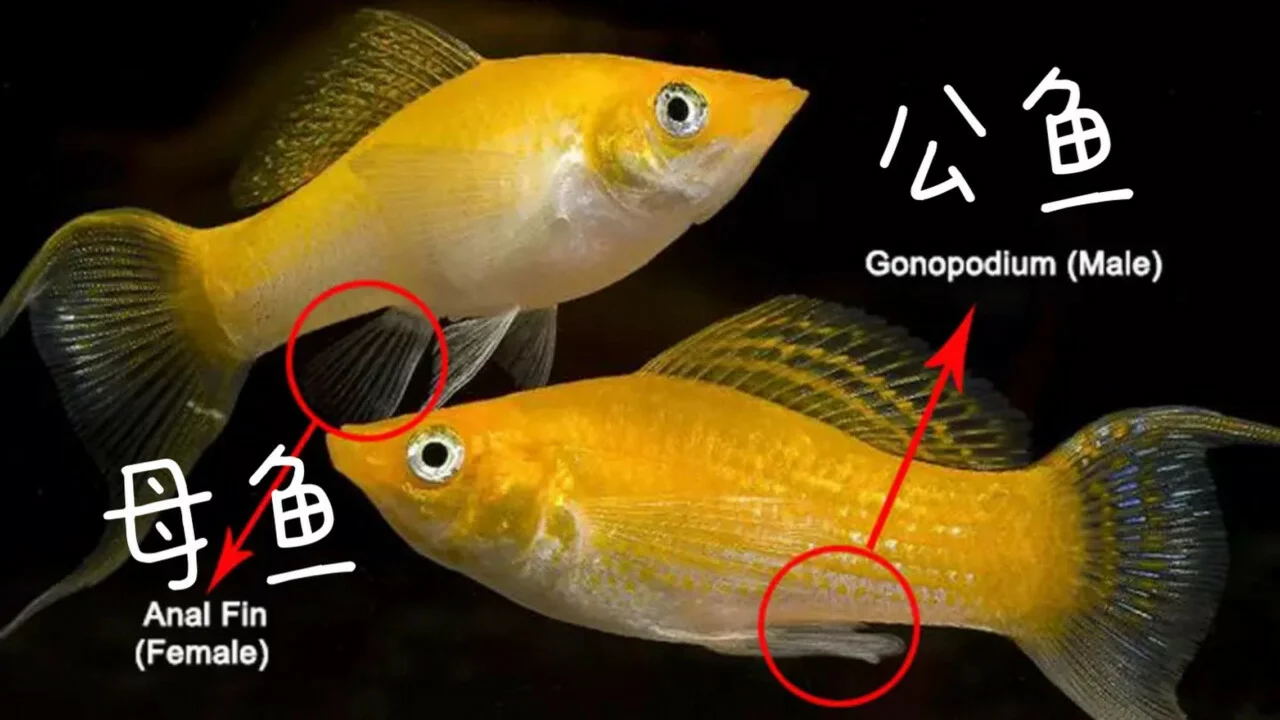
Female Molly fish are relatively larger in size, while males are smaller. The male’s anal fin is pointed and longer, often extending to the tail fin, whereas the female’s anal fin is round. During the breeding season, males actively chase females; the chasing fish is the male, and the one being chased is the female.
V. Breeding Period of Molly Fish
Breeding Molly fish is relatively easy, with suitable water temperatures ranging from 25 to 28 degrees Celsius, a pH value between 7 to 7.6, and water hardness from 9 to 11. After reaching sexual maturity, Molly fish can give birth to young fish approximately every 35 days. As ovoviviparous fish that fertilize internally, they directly give birth to fry once the fertilized eggs have developed, making the breeding process straightforward.
When the female’s abdomen swells and turns dark, it usually indicates that she is about to give birth. At the same time, the female’s ovipositor will protrude in a dotted manner. Under these conditions, the female will give birth to fry within 2 to 5 days. At this time, simply place the female in a separate breeding tank and avoid frequent water changes. Drastic changes in water quality can cause premature birth, resulting in underdeveloped fry or even undeveloped eggs.
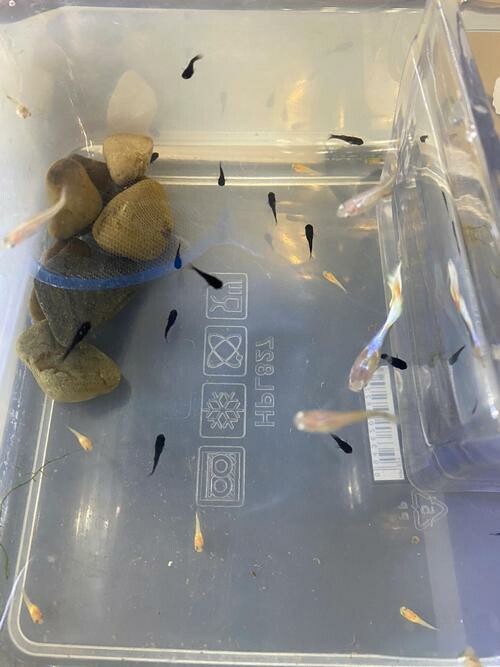
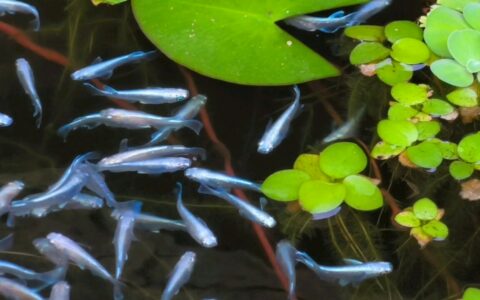
The number of fry produced by Molly fish depends on the size of the female. Generally, as the female grows and develops, the number of fry will gradually increase, typically ranging from 40 to 100. Some females can produce about 200 fry at once. The fry will start swimming on their own shortly after being born.
VI. Fry Rearing and Precautions
After the parent fish have finished spawning, it is essential to separate the fry immediately, as the parent fish may easily consume them. In the early stages, try to avoid significant fluctuations in water quality. Only replace one-fifth of the water at a time, and always use conditioned water. Ensure the water temperature remains consistent during water changes. Once the fry have absorbed the yolk sac, you can feed them with hatched brine shrimp or egg yolk water, but be careful not to overfeed, as this can affect water quality. Molly fish prefer vegetarian food, so you can also add some aquatic plants and moss in moderation.
That concludes today’s introduction. If you like this, please remember to like, follow, and share!
Original article by KPTer, if reproduced, please cite the source: https://www.kaipet.com/en/guide-raising-breeding-molly-fish-ensure-healthy-growth



Comments(2)
Really comprehensive! Beyond water parameters, what’s one key factor often overlooked for ensuring Mollies enjoy healthy, long lives?
@CriticX:感谢CriticX的肯定与提问!除了水质,一个常被忽视的关键是为Molly鱼提供充足的植物性食物。这不仅能帮助消化,对其整体健康和寿命都至关重要。希望有帮助!