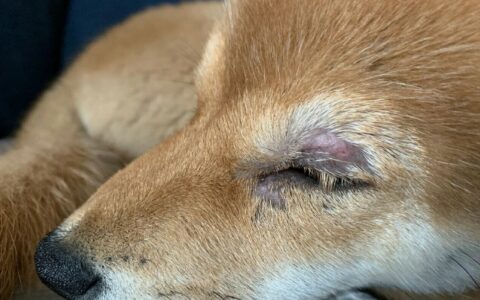
Canine Distemper is a highly contagious viral disease caused by the Canine Distemper Virus, primarily affecting canids, including domestic dogs, wolves, and foxes. Symptoms of canine distemper typically manifest seven to fourteen days after infection.
Symptoms
Respiratory Symptoms
Symptoms include:
- Coughing
- Sneezing
- Nasal discharge
- Fever (high fever may occur initially, then may temporarily decrease, and later may rise again)
Gastrointestinal Symptoms
- Vomiting
- Diarrhea
- Loss of appetite
Eye and Nose Symptoms
There is discharge from the eyes and nose, accompanied by conjunctivitis and bloodshot eyes, with an increase in discharge.
Neurological Symptoms
In the later stages of the disease, the following symptoms may occur:
- Tremors
- Convulsions
- Unsteady gait
- Abnormal behavior
- Seizures
Skin Symptoms
- Thickening and hardening of foot pads
Transmission Routes
The Canine Distemper Virus is mainly transmitted through aerosolized droplets, such as those released when coughing and sneezing. In addition, direct contact with infected animal’s discharge can also lead to the spread of the virus. The virus can also be transmitted indirectly through contact with contaminated objects.
Preventive Measures
The most effective way to prevent canine distemper is vaccination. Puppies usually start their first vaccination between six to eight weeks of age, followed by booster vaccinations based on the vet’s advice. Adult dogs also need regular vaccinations to maintain their immunity.
Treatment
Currently, there is no specific drug that can cure canine distemper, and treatment focuses on alleviating symptoms, providing supportive therapy, and preventing secondary infections. Veterinarians may provide sick dogs with fluid supplementation, nutritional support, analgesics, antibiotics, etc., to prevent bacterial infections. In severe cases, hospitalization may be required.
Sequelae
Even if they survive, canine distemper may leave permanent sequelae, such as impaired vision, decreased hearing, and motor disorders.
Conclusion
Canine distemper is a highly threatening disease for dogs, and its prevention mainly relies on regular vaccinations. If you suspect a dog has contracted canine distemper, you should immediately contact a veterinarian for diagnosis and treatment. Early identification and isolation of sick animals are crucial for preventing the spread of the disease among dog populations.
Original article by KPTer, if reproduced, please cite the source: https://www.kaipet.com/en/canine-distemper-comprehensive-understanding-symptoms-prevention-treatment