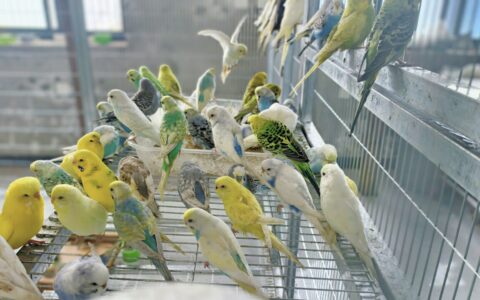
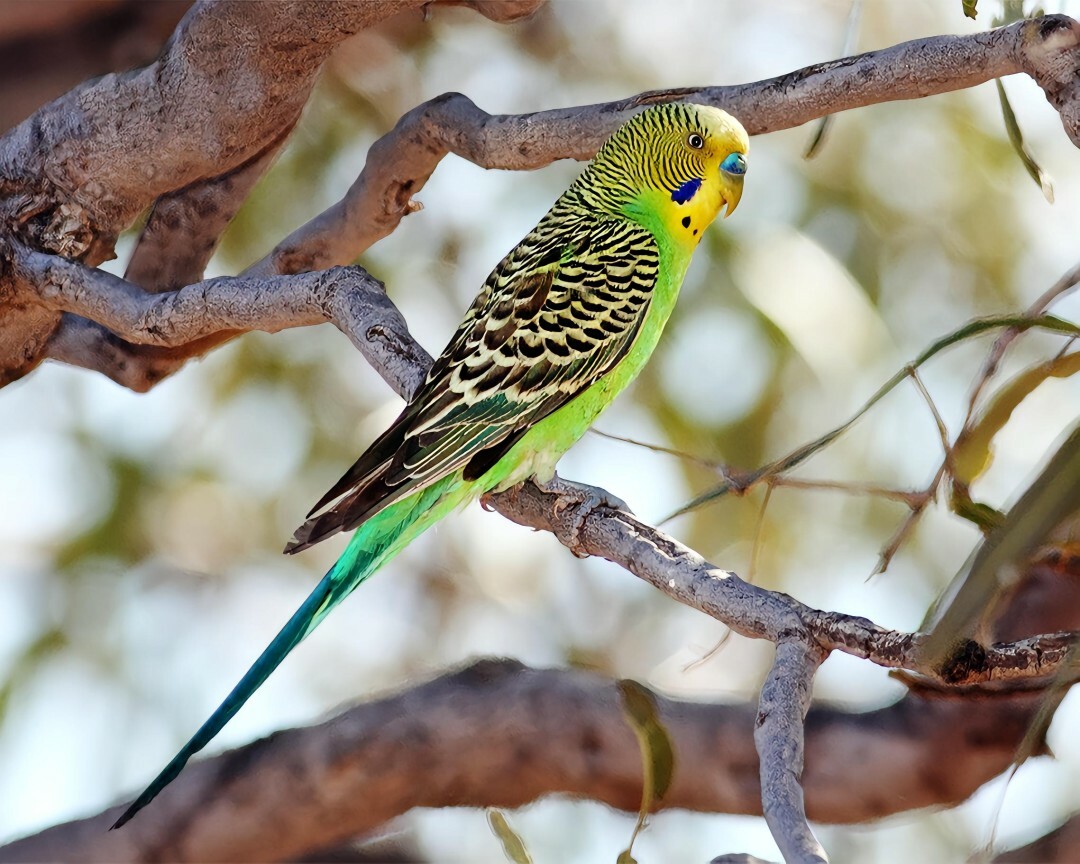
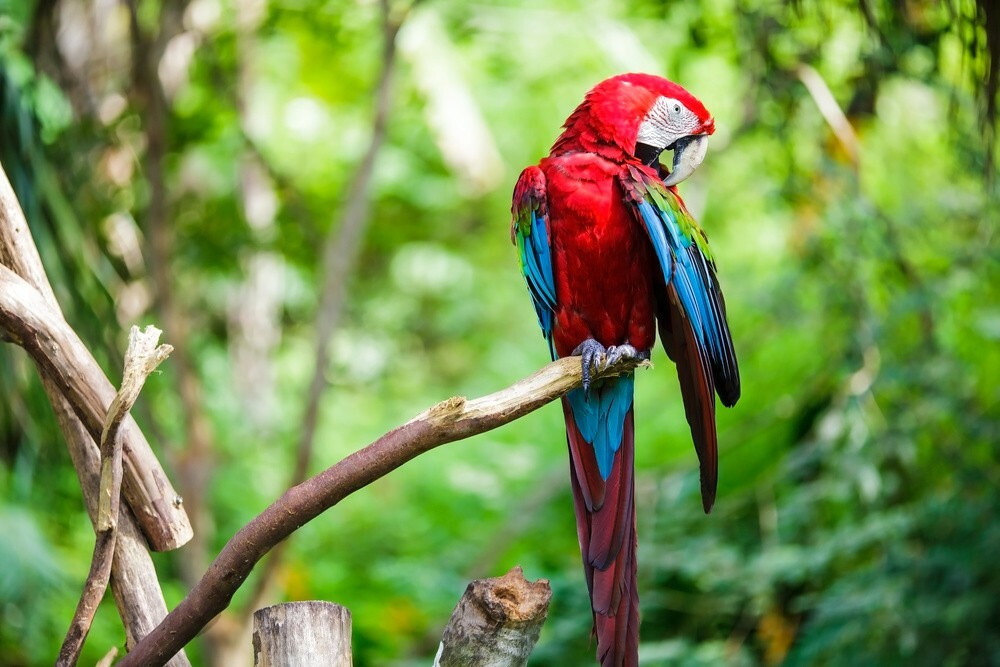
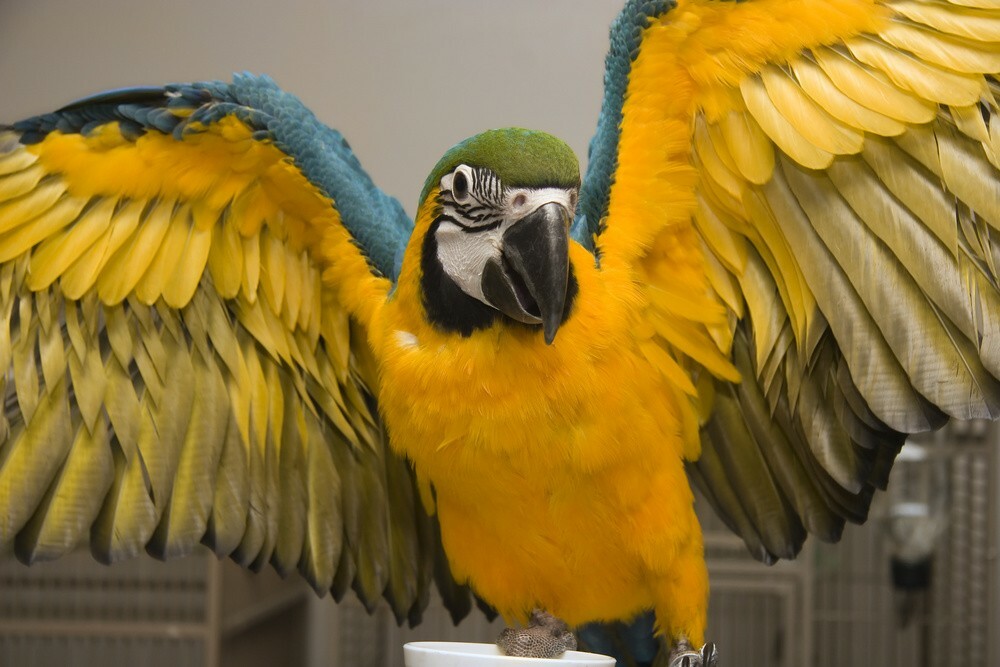
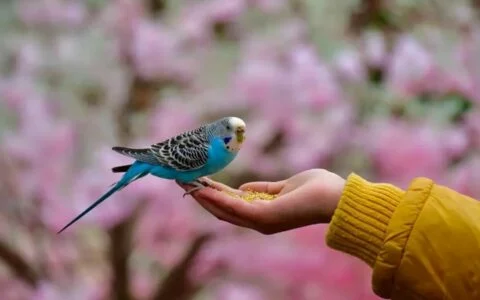
First of all, you must check the bird’s feathers. You must choose the kind of parrot with clean feathers and no defects. This indicates that the parrot’s recent living environment was relatively good and it was not living in "filthy and chaotic" conditions; the health of such birds is generally quite good.
Secondly, look at the parrot’s energy level. The energy level must be good; do not buy those parrots that are particularly listless, especially those that like to huddle in the corner of the cage and barely move. Even if you like it very much, try your best not to buy it. First, choose the kind of parrot that stands on the perch (the horizontal wood for birds to rest on), has relatively good energy, and likes to interact with other birds; the condition of such birds is generally not bad.

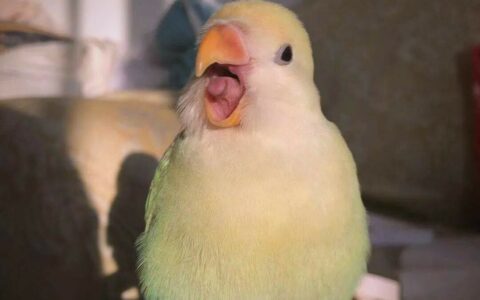
Thirdly, see if the bird has any physical disabilities. Mainly observe whether the parrot’s claws have any defects, and then check if the parrot is "pigeon-toed," "splay-footed," or walks with a limp. Additionally, the parrot’s beak should also be checked to see if there is an "underbite" (medically referred to as mandibular prognathism, where the lower teeth bite on the outside of the upper teeth).
The fourth point is to check if there are any secretions in the parrot’s eyes. Do not buy one if there are secretions in the eyes, especially with Lovebirds; the presence of secretions could be due to "one-eyed cold" (a common infectious disease in birds caused by Chlamydia) or other infections. You must not buy this kind of parrot; if you buy it and take it home while you have other birds, it is possible that the other birds will also get infected.
Finally, you must check if the parrot’s bottom is clean. If the bottom is clean, you can buy it; if the bottom is not clean, you must not buy it, because a dirty bottom proves that this parrot may have recently had enteritis or diarrhea caused by infections such as Salmonella or E. coli.
Fellow bird enthusiasts, if you stick to the above points when selecting birds at the bird market, you can easily avoid "pitfalls."
Original article by KPTer, if reproduced, please cite the source: https://www.kaipet.com/en/avoid-pitfalls-choosing-birds-flower-bird-market-5-tips-teach-identify-healthy-parrots