

Raising parrots today is far different from the past; more and more people are choosing the form of “hand-rearing” to obtain a little parrot that is affectionate and close to humans. Therefore, more people need to understand the issues related to feeding and weaning parrots.
Why Parrots Need Formula
Parrot hand-feeding formula (food designed specifically for chicks, usually made from grains and plant proteins) is not milk powder like humans use. Instead, it is a powdery substance based on grain powder or plant protein powder, intended to mimic crop milk (a nutrient secreted by parent birds in their crops) and regurgitated food (food digested by parent birds and then brought back up to feed the chicks). Therefore, it is best to purchase big-brand parrot hand-feeding formulas as the staple food for chicks, rather than blindly substituting them.

Key Points for Feeding
Choosing Tools
General households use a spoon for feeding. A small number of people prefer using a syringe or hose (tube feeding) to improve efficiency. However, for novices hand-rearing chicks, using a syringe makes it very easy for the chick to choke, or to cause cross-infection between parrots due to insufficient disinfection measures. Overall, for personal hand-rearing, it is still recommended to use a spoon for feeding.
Temperature and Consistency
The formula should be mixed with warm water at 50-60℃ (122-140°F) to reduce the loss of probiotics. When the temperature drops until it does not feel scalding but still feels hot on the back of your hand (about 38-40℃ / 100-104°F), it can be fed to the chick. Keep the formula warm in a water bath during feeding to prevent the chick from eating food that is too cold, which causes crop stasis.
Feeding Timing and Steps
- First, touch the chick’s crop area with your hand to confirm it is completely empty of food.
- Touch the chick’s beak with the spoon. When the chick opens its mouth wide and makes “begging calls,” scoop up the milk at the appropriate temperature.
- When the chick starts shaking its head and neck back and forth and makes swallowing motions, slowly tilt the spoon to pour the prepared formula into the parrot’s mouth.
- After eating and drinking enough, wipe off any formula stains on the chick’s body with a clean tissue. Avoid formula drying into large clumps that affect feather growth.
Key Points for Weaning
Grasping the Timing for Weaning
Generally, after the parrot’s digestive system is fully developed, a “formula aversion phase” (a stage where chicks lose interest in formula and start trying solid food) will occur. Specific manifestations include: shaking its head to refuse eating after taking just one or two mouthfuls of formula. At the same time, they possess strong curiosity and like to gnaw on everything in sight. Generally starting from this time, we can prepare the food needed for weaning pellets (a granular food providing comprehensive nutrition for parrots) or seed mix (parrot food consisting mainly of grain seeds) and weaning foods.
Choosing Weaning Foods
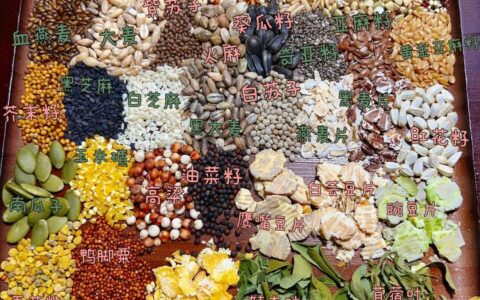
If you wish to use a mixed seed diet as the parrot’s staple food in the future, you can let it start becoming familiar with the staple food using soaked millet during the weaning period. However, at the same time, pay attention to exposing it to a certain amount of various vegetables and fruits to prevent potential picky eating later on.
If you wish to use pellets as the staple food, you can use small-sized pellets as weaning food. Be sure to pay attention to the pellet formulation! Choose complete diets (pet food with comprehensive and balanced nutrition) like Roudybush or Harrison’s. Do not choose non-complete diets like TOP’s. This is to avoid causing malnutrition in the chick.

Specific Weaning Operations
First, place a small shallow dish filled with weaning food in its nest (or brooder). This makes it convenient for the bird to peck at it for fun and learn to eat food when it has nothing else to do. At the same time, gradually add soaked millet (boiling water added to millet until cooled) or soaked pellets (soaked together with the formula) into the formula feedings, increasing the amount from small to large.
Late Weaning Stage
Gradually increase the proportion of soaked millet / pellets in the formula and reduce the frequency of feedings until the formula is completely stopped.
Handling Food Refusal
Weaning requires a certain degree of hunger. If the bird has not weaned after more than 2 months, weaning can be achieved by reducing the number of feedings. Place a sufficient amount of food in the cage and ignore its begging calls. Appropriate hunger can improve the efficiency of weaning. Generally, after about 1 week, the little parrot will be able to smoothly eat on its own.
During this week, the owner needs to pay extra attention to the parrot’s “poop situation.”Grasp the parrot’s physical condition in time through the feces to prevent excessive starvation.
Original article by 搬运工, if reproduced, please cite the source: https://www.kaipet.com/en/hand-rearing-parrot-chicks-complete-guide-38-100f-feeding-temperature-smooth-weaning





Comments(1)
Brilliant guide! I’m curious, what are your best practical tips for maintaining that consistent 38-40℃ feeding temperature?