

Feline urinary blockage is the king of recurrent feline diseases. If not careful, it can recur for life, and each episode can be more severe than the last. In this issue, I will combine my lifelong knowledge and nearly a decade of cat-keeping experience to help everyone understand urinary blockage. If your cat in front of the screen is experiencing urinary blockage, or if you want to be a proactive parent, then this content will definitely help you. I will popularize knowledge from three aspects: the pre-, mid-, and post-symptoms of feline urinary blockage, the common causes of urinary blockage, and the treatment and nursing plans. The treatment plan is placed at the end.

Symptoms of Feline Urinary Blockage
Pre-symptoms
First, in the early stage of feline urinary blockage, cats will experience urinary crystals, small fragmented urine, and thickening of the bladder wall. The first two symptoms can be observed by parents in the litter box. Whether the bladder wall is thickened can only be determined by ultrasound.
Mid-symptoms
In the middle stage, cats will frequently enter and exit the litter box, have blood in their urine, and develop urinary stones.
Post-symptoms
In the later stage, it reaches the fatal stage of urinary blockage. Cats are completely unable to urinate and are immobile. Triaditis and renal failure occur, and cats emit painful wails when urinating.
Each of the above stages can be intervened and treated by parents.
Common Causes of Feline Urinary Blockage
The Origin of Cats and Their Dietary Habits
Secondly, to thoroughly understand feline urinary blockage, it is necessary to first understand the origin of the cat species. Cats actually do not like to eat fish because their ancestors were desert animals, which determines that cats are very drought-tolerant and have a natural aversion to water. Coupled with the fact that diet greatly affects the pH value of cat urine.
The Impact of Improper Diet
Some cats do not like to drink water and are addicted to dry food. Many pet parents still adhere to the wrong concept of “cats eat fish, dogs eat meat,” feeding cats a large amount of fish, which will eventually lead to the formation of Struvite stones (bird feces stone crystallization) in cat urine, one of the main causes of feline urinary blockage. If cats consume excessive amounts of DL-Methionine, it will eventually lead to the formation of calcium oxalate stones in cat urine.
The Quality of Cat Food
Some unscrupulous cat food manufacturers, in order to neutralize the alkaline substances in cat food, add acidifiers to the food, which is undoubtedly a silent murder. Choosing good cat food is the first step to ensuring cat health. Cat feeding should respect the cat’s original diet and ensure the diversity of food intake. It is best to adopt a combination of dry and wet feeding methods.
Stress and Idiopathic Cystitis
Additionally, if cats experience frequent estrus stress, attention must be paid to the occurrence of idiopathic cystitis. If parents find that their cats have not urinated at all for more than 24 hours, they must first take their cats to the hospital for catheterization to prevent renal failure. At the hospital, ultrasound, biochemistry, and blood routine tests can be performed to determine whether the cat’s urinary blockage is caused by idiopathic cystitis or urinary stones, thereby quickly determining the treatment plan.

Treatment Plan
It is necessary to remind everyone that treatment needs to be tailored to each cat. Different cats and different symptoms may affect the choice of medication and dosage. Here, I will provide some references based on my participation in the treatment and diagnosis of more than 70 cases.
Treatment in the Early Stage of Urinary Blockage
First, in the early stage of urinary blockage, cats are not yet completely unable to urinate. At this stage, it is necessary to promptly administer anti-inflammatory treatment to cats to prevent further thickening of the bladder wall.
The first choice is BAYTRIL injection solution, with a dosage of 0.1 milliliters per kilogram of body weight. After the cat’s condition stabilizes, an ultrasound examination can be performed to check for crystals and stones, and Methenamine can be used in combination to help cats urinate and expel crystals.
Treatment in the Middle Stage of Urinary Blockage
Second, if the cat is already completely unable to urinate, do not give the cat water. After catheterization, anti-inflammatory treatment should be continued for three to seven days. Subsequently, it is necessary to repair the damaged urinary tract mucosa of the cat and control the cat’s urinary valve to prevent incontinence.
Treatment in the Late Stage of Urinary Blockage
Third, if the cat has been confirmed to have stones, whether Struvite stones or calcium oxalate stones, and if there are too many or too large stones, surgery is needed to remove them, and lithogenic drugs should be used in combination for treatment.
Prevention and Conditioning
Parents of cats that have had urinary blockage must investigate the cat’s diet and living environment to identify the causes of urinary blockage and try to avoid them in subsequent breeding.
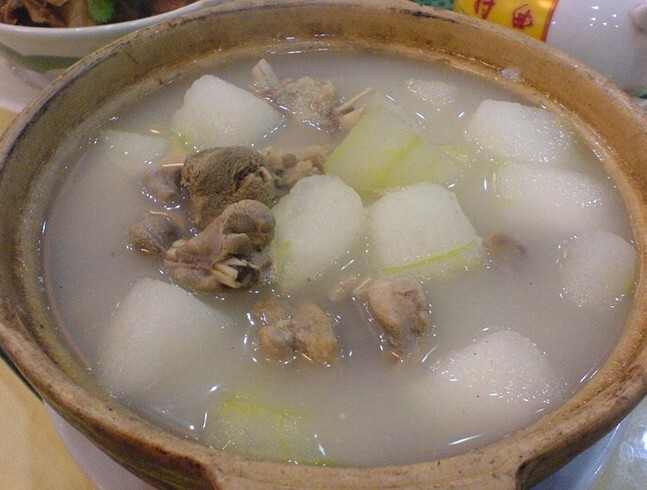
Finally, I would like to share a conditioning recipe that is simple and highly operable. Winter melon and duck breast can be fed to cats from time to time, which is very friendly to the urinary tract. That’s it for this issue. If you like it, please give it lots of likes. If you have any questions, you can comment or send a private message. See you next time.
Original article by KPTer, if reproduced, please cite the source: https://www.kaipet.com/en/cat-urinary-blockage-3-step-home-aid-long-term-recurrence-prevention-guide



Comments(2)
This is so helpful! What are some often-overlooked environmental factors at home that contribute to feline urinary issues?
@CriticX:We’re glad you found it helpful! While the article focuses on diet and stress, you’re right to consider environmental factors. Ensuring multiple clean water sources, appropriate litter box setup, and a calm, consistent home environment can significantly contribute to your cat’s urinary health. Thank you for asking!