


“Why is there pee here?!” “The duvet got peed on again!” When cats urinate inappropriately, pet parents often think they are throwing a tantrum. In reality, there are many reasons. It could be because the litter is dirty, and they are looking for a clean place to pee. Or, it could be a more serious reason.
If pet owners notice their cats frequently licking their genital area, vocalizing while urinating, staying in the litter box for a long time, constantly entering and exiting the litter box without urinating, not peeing in their usual designated spots, or even having blood in their urine, these are all warning signs of urinary tract diseases!
Never Underestimate Feline Urinary Tract Diseases
Pet parents have likely heard stories of cats costing a fortune in medical bills due to urinary blockage, inability to urinate, or urinating blood. Male cats, in particular, are more prone to urinary troubles than female cats because their urethras are narrower. If an obstruction occurs causing difficulty in urination, it is more likely to lead to infection. If not attended to carefully, it can even cause acute kidney failure or uremia, which seriously endangers their life, so special attention is absolutely necessary. Below, we provide a detailed introduction to which cats are prone to urinary tract issues, as well as the symptoms and causes associated with urinary tract diseases.
What is Feline Urinary Tract Disease?
Feline urinary tract disease, medically known as Feline Lower Urinary Tract Disease (FLUTD), is a general term for clinical symptoms or diseases of the bladder and urethra.
Causes of Urinary Tract Diseases Include:
- Urinary stones (Urolithiasis)
- Idiopathic cystitis
- Urethral obstruction
- Urinary tract infection
- Neurological disorders
- Anatomical abnormalities of the urethra
International research indicates that up to 60% of cats suffer from “Feline Idiopathic Cystitis” (FIC).
Urinary symptoms triggered by FIC are related to recurrent cystitis. Cats may feel the urge to use the bathroom often, but when they get to the litter box, they may not necessarily be able to pee. Such situations involve the endocrine system, such as interactions between the adrenal glands, the nervous system, and the bladder. It may be due to abnormal sympathetic nervous system activity as well as damage and shedding of bladder epithelial cells. The shed cell debris can get stuck in the urethra, leading to urethral blockage. The primary cause is usually due to the cat’s emotional stress.
6 High-Risk Groups of Cats
Male Cats
Because the urethra of male cats is narrow, if blockage issues occur, it is more likely to cause inflammation.
Multi-cat Households
Households with multiple cats may contribute to issues for two reasons: one is not having enough litter boxes, and the other is tension and increased stress between cats. These can cause cats to urinate inappropriately or hold their urine due to emotions, leading to urinary tract inflammation.
Sensitive Personalities
Some cats have more delicate personalities. Changes in environment or contact with new cats can cause significant emotional fluctuations, making them prone to urinary blockages.
Middle-aged Cats
The average age of onset is 2 ~ 6 years old. Middle-aged cats are more prone to urinary issues, while cats under 1 year or over 10 years old are less likely to be affected.
Cats Who Only Eat Dry Food
Cats that eat only dry kibble tend to drink less water, leading to insufficient hydration in the body. This promotes the formation of stones. Stone crystals may form in the bladder or block the urethra, causing difficulty in urination and subsequently triggering urinary tract inflammation.
Obese Cats
Overweight cats living indoors with low activity levels have an increased risk of developing urinary tract system diseases, especially male cats.
The underlying cause may be a single factor or a combination of multiple factors interwoven together. If any changes have occurred in the cat’s life recently, such as changes in the home environment, family members, or if the cat has been outdoors or boarded—situations that easily generate tension—please be sure to inform the veterinarian about these recent life changes.
9 Major Symptoms of Feline Urinary Tract Diseases
Cats may develop urinary tract problems due to the situations mentioned above. Once the urinary system becomes inflamed, conditions such as poor appetite, vomiting, and lethargy will follow. what signs indicate that a cat is already experiencing urinary discomfort? Fur parents can identify issues early based on the following symptoms. If you discover your cat is suspected of having urinary tract symptoms, please take them to the vet for examination and treatment immediately to avoid delaying the condition and letting it become more severe.
- High frequency of urination with low urine volume; finding only scattered small clumps when scooping litter.
- Straining to urinate, difficulty urinating.
- Changes in habits, locations, or posture, or incontinence outside the litter box.
- Frequently licking the urinary opening.
- Crying out in pain while urinating.
- Blood in urine (Hematuria).
- Loss of appetite.
- Vomiting, diarrhea.
- Dehydration.

Diagnosis and Treatment of Feline Urinary Tract Diseases
How to Diagnose Feline Urinary Tract Diseases
First, the veterinarian will palpate the bladder to judge if it is distended. Combined with blood and urine tests, they will then decide whether catheterization or surgery to remove stones is necessary. If the condition is severe, kidney examinations will be required, arranging for X-rays and ultrasounds to more precisely assess the cat’s physical condition.
Urinalysis
Collect as much of the cat master’s urine as possible, for example: urine sprayed on the floor. However, ensure it is free of cat litter and other unclean substances. After collection, hand it over to the veterinarian for further testing. If it is idiopathic cystitis, or if stones are blocking the urethra, or if there is a tumor in the bladder, the urine test results may show a reaction for occult blood. Additionally, stone crystals can be identified through urinalysis to understand the type of crystals.
If one wants to confirm an infection, white blood cells and bacteria can be observed in the urinalysis. If a urine culture is needed, a cystocentesis (bladder puncture) is required to obtain a urine sample, followed by bacterial culture and antibiotic sensitivity testing.
Imaging Examination
The veterinarian will use X-rays and ultrasounds to determine if there are other causes making the cat uncomfortable, such as stones or tumors, and to check the status of the kidneys, bladder, urethral structure, and urinary system. Furthermore, ultrasounds can also be used to further confirm the condition of the cat’s kidneys.
Treatment Directions
Generally speaking, for feline idiopathic cystitis or stones, the main goal is to allow urine to pass smoothly and to reduce burden and discomfort on the bladder. Veterinarians adopt internal and external medical treatments respectively, formulating corresponding treatment plans based on the causes of the lower urinary tract disease.
Internal Medicine Treatment
For “acute attacks” where the cat is in too much pain to eat or cannot urinate at all, sedatives and painkillers are usually given, along with drugs to relieve bladder spasms, or steroidal/non-steroidal anti-inflammatory drugs to improve inflammation in the lower urinary tract. If cystitis caused by a bacterial infection is discovered, antibiotic treatment will be administered concurrently.
If it is magnesium ammonium phosphate (struvite) stones, they can be dissolved using urinary prescription food. The time for consuming prescription feed is 2 – 5 weeks, accompanied by X-ray tracking of the dissolution status. However, if the cat has calcium magnesium phosphate stones combined with a bacterial infection, diet control alone will not suffice.
Surgical Treatment
For urinary stones that cannot be dissolved, especially calcium oxalate stones, the surgical method is decided based on the location, often removed via endoscopy. In cases where urinary obstruction cannot be cleared via a catheter, or if catheterization causes narrowing or urethral blockage, the doctor may consider performing a urethrostomy to help the fur baby relieve the obstruction and ensure smooth urine flow. Once the urinary tract is clear, fluid therapy can assist the kidneys in flushing out nitrogenous wastes and diluting the urine concentration.

Ways to Maintain Feline Urinary Health
We often hear: “Prevention is better than cure,” and this principle applies equally to feline urinary health. The most critical point is to avoid the formation of stones. Research reports indicate that the survival rate for cats with urinary obstruction is as high as 90% – 95%, while the recurrence rate for urinary tract inflammation is between 15% – 40%. Therefore, for cats that have suffered from urinary tract diseases, it is especially important to prevent recurrence, making daily urinary health care even more vital. Below, we provide 3 major directions for cat parents to help you find the most suitable healthcare method for your fur baby.
It’s okay, drink more water; let the cat drink more water, it’s okay.
To prevent urinary tract diseases, the priority is drinking more water. But how do you get cats, who are originally desert animals, to drink a bit more water? You can place more than two water bowls or water fountains along the routes the cat frequently takes to induce them to drink. At the same time, elevate the water bowl, preferably filling it 80-90% full, so they can drink just by lowering their heads. If they really won’t drink water, you can try using a syringe to feed water or adding water to canned food to increase the cat’s water intake.
Pay Attention to Mineral Content in Urinary Prescription Food
If your cat has previously experienced urinary tract disease, the risk of recurrence increases. This may be because they drink little water, plus during the change of seasons in autumn and winter, recurrence is easy. Therefore, it is recommended to provide urinary prescription food to maintain the acid-base balance of the urine after metabolism, reducing crystal formation and thus avoiding the occurrence of stones.
The formula of urinary prescription food can be chosen to be low in magnesium, calcium, and phosphorus to reduce magnesium ammonium phosphate stones, while also containing potassium citrate to inhibit the formation of calcium oxalate crystals, preventing both types of stones simultaneously.
Selection of Urinary Health Supplements
However, according to clinical experience, most cats develop difficulty urinating due to idiopathic cystitis caused by stress and emotional issues. Therefore, maintaining the cat’s “emotional stability”and “immunity” is very important. When cats feel highly stressed, it is easy to trigger inflammatory reactions, leading to idiopathic cystitis. Thus, besides ensuring a balanced diet, supplementing with products that have health benefits becomes very necessary.
Here is a little tip: health supplements can be mixed with canned food, adding an appropriate amount of water. This not only increases the cat’s water intake but also allows them to ingest the necessary nutrients, thereby boosting their defenses and keeping them in a good mood.
Maintain a Happy Mood
To make a cat happy, you need to prepare plenty of toys and scratching boards, ideally placed where they frequently walk, so the cat will actively scratch them. As a cat parent, don’t forget to spend time accompanying them and interacting gently with them; this ensures they always maintain a happy mood.
Conclusion
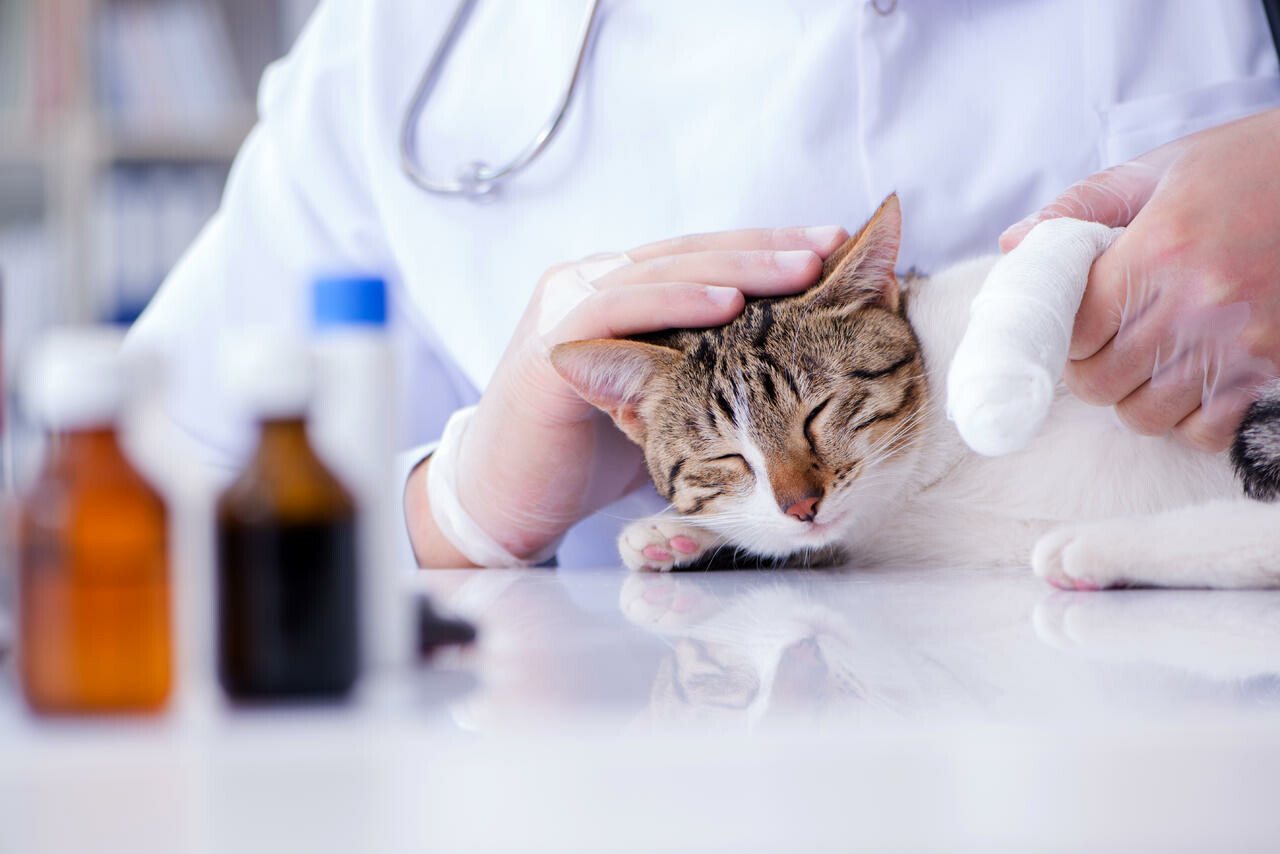
Letting cats drink more water regularly, keeping their daily diet balanced, and supplementing with necessary nutrients can greatly prevent the occurrence of urinary tract diseases. If your cat shows any signs related to urinary tract disease, be sure to take the cat to a veterinary hospital for a detailed examination and assessment as early as possible to assist the cat in urinating smoothly, avoiding the long-term accumulation of nitrogenous wastes in the body which can cause more serious acute kidney failure!
Original article by KPTer, if reproduced, please cite the source: https://www.kaipet.com/en/complete-guide-feline-urinary-tract-diseases-prevention-diagnosis-treatment


Comments(1)
This guide highlights preventing stones. I’d love to hear everyone’s best tips for encouraging cats to drink more water daily!