


Oral ulcers are not a standalone disease but a collective term for a series of symptoms. The causes of oral ulcers include viral infections, bacterial infections, oral wounds, nutritional deficiencies, and immune system disorders. More familiar terms include calicivirus, gingivitis, periodontitis, oral ulcers caused by physical injuries, and ulcers due to a lack of trace elements. Additionally, when the immune system malfunctions, it may mistakenly attack the body’s own tissues.

Treatment Methods for Oral Ulcers
To treat oral ulcers, it is essential to understand their underlying causes. Different causes of oral ulcers require different treatment methods. Below, I will introduce symptoms, risks, and treatment methods in order of severity, starting from mild to severe: dental tartar, gingivitis, periodontitis, stomatitis, and granulomas.
Dental Tartar
Dental tartar is similar to that in humans. Every time you visit the dentist, they will recommend a dental cleaning. In simple terms, dental tartar forms when food debris and bacteria create a sticky film that hardens over time due to lack of timely cleaning. If your cat has bad breath, it is important to check its oral health for the presence of dental tartar.
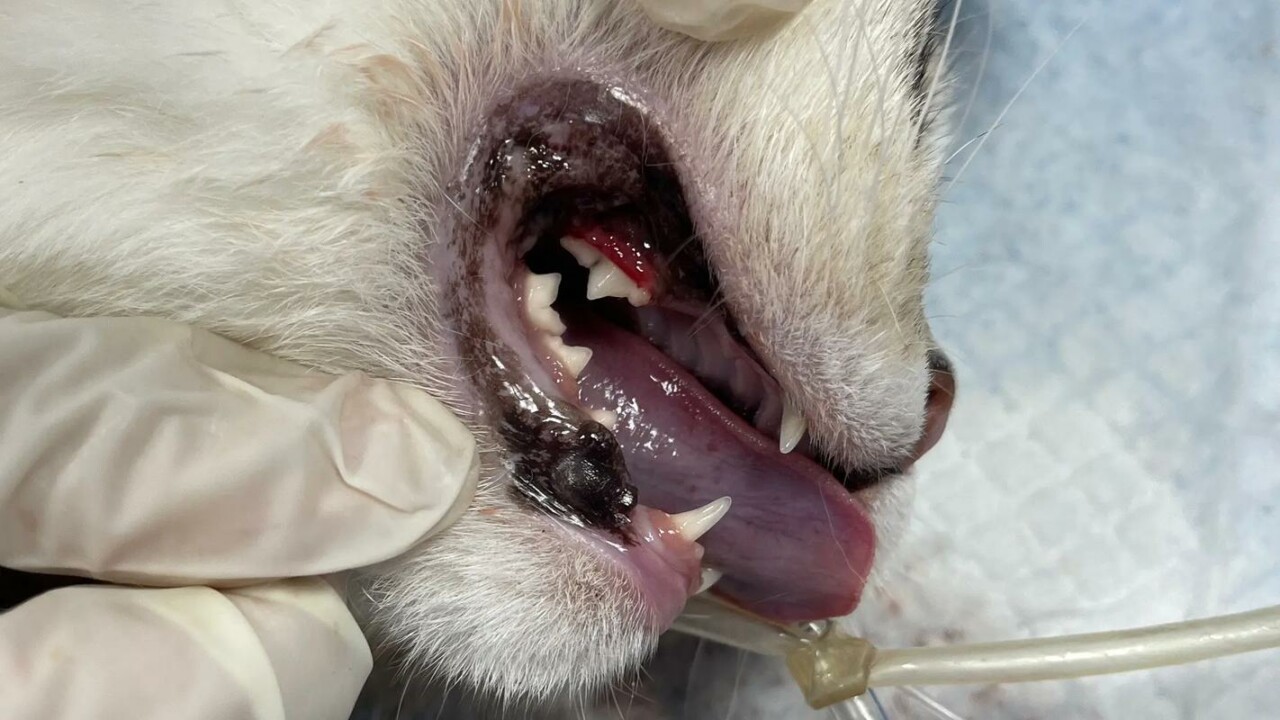
Treatment Methods:
- For mild tartar, dental water or powder can be used to simply rinse the teeth.
- For thicker tartar, a gel can be purchased, which shows effects within a month.
- For severe tartar, ultrasonic scaling is required, which is not only costly but may also require anesthesia.
If your cat is scheduled for neutering or spaying, it is a good opportunity to clean its teeth as well. It is recommended to regularly monitor your cat’s teeth, feed them appropriately, and ensure their oral health.
Gingivitis
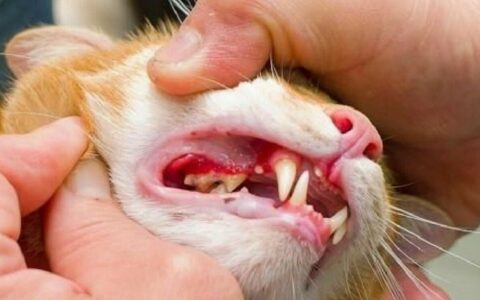
The main symptoms of gingivitis include red and swollen gums, which may bleed severely. Gingivitis can also affect a cat’s appetite, and if left untreated for a long period, it may progress to periodontitis.
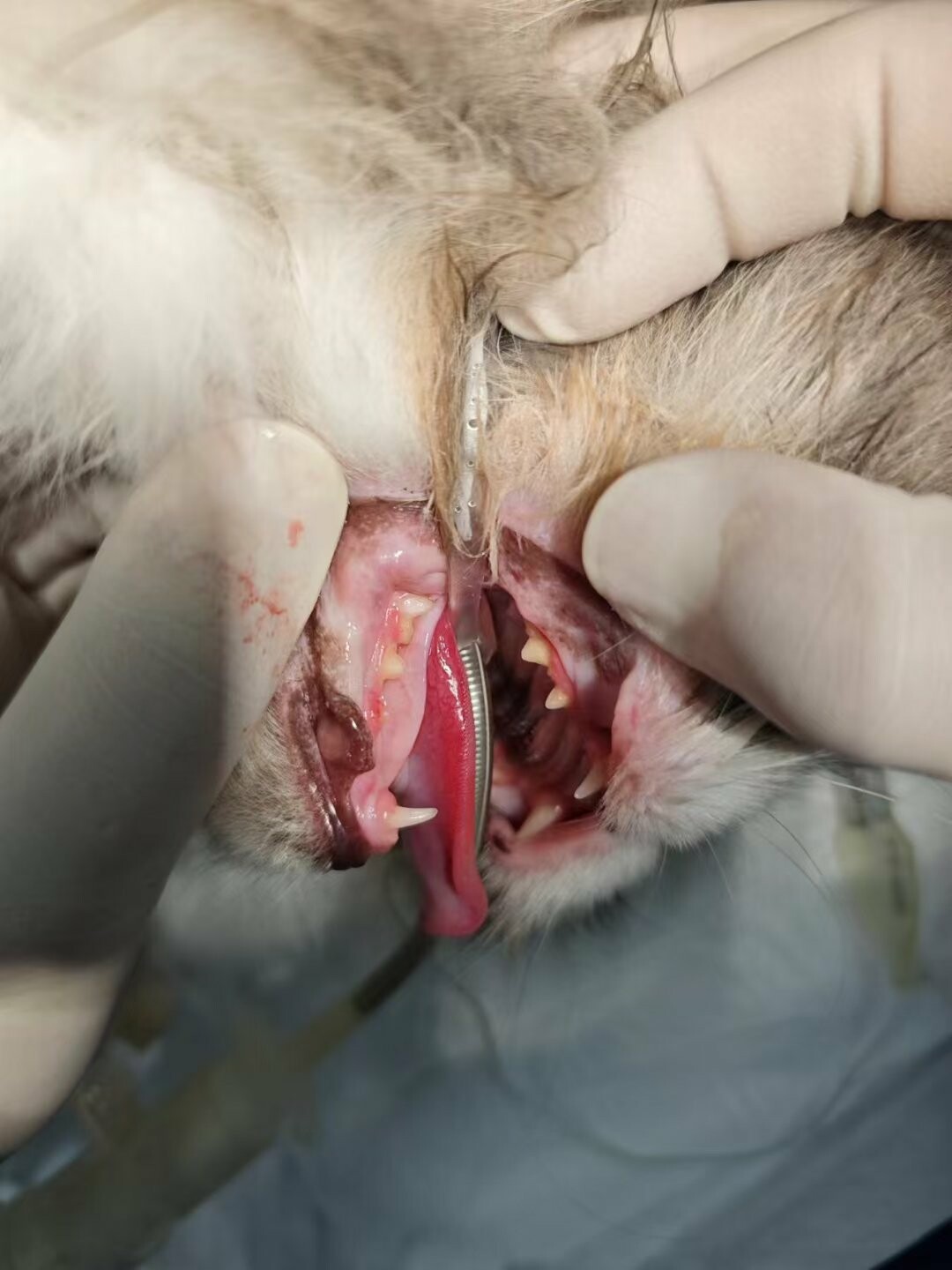
Treatment Methods:
- Gingivitis can be treated with Amoxicillin, in combination with Synulox (which contains Clavulanic Acid), at a dosage of 12.5 to 25 mg per kilogram of body weight, administered twice daily.
- Concurrently, an oral spray can be used to clean the mouth and inhibit bacterial growth.
- If there is a significant amount of dental tartar, a gel product can be used for cleaning.
Periodontitis
Symptoms of periodontitis include noticeable bad breath, red and swollen gums with bleeding, loose teeth, excessive salivation, and loss of appetite. In severe cases, the cat may exhibit behaviors such as scratching its face or pawing at its mouth.
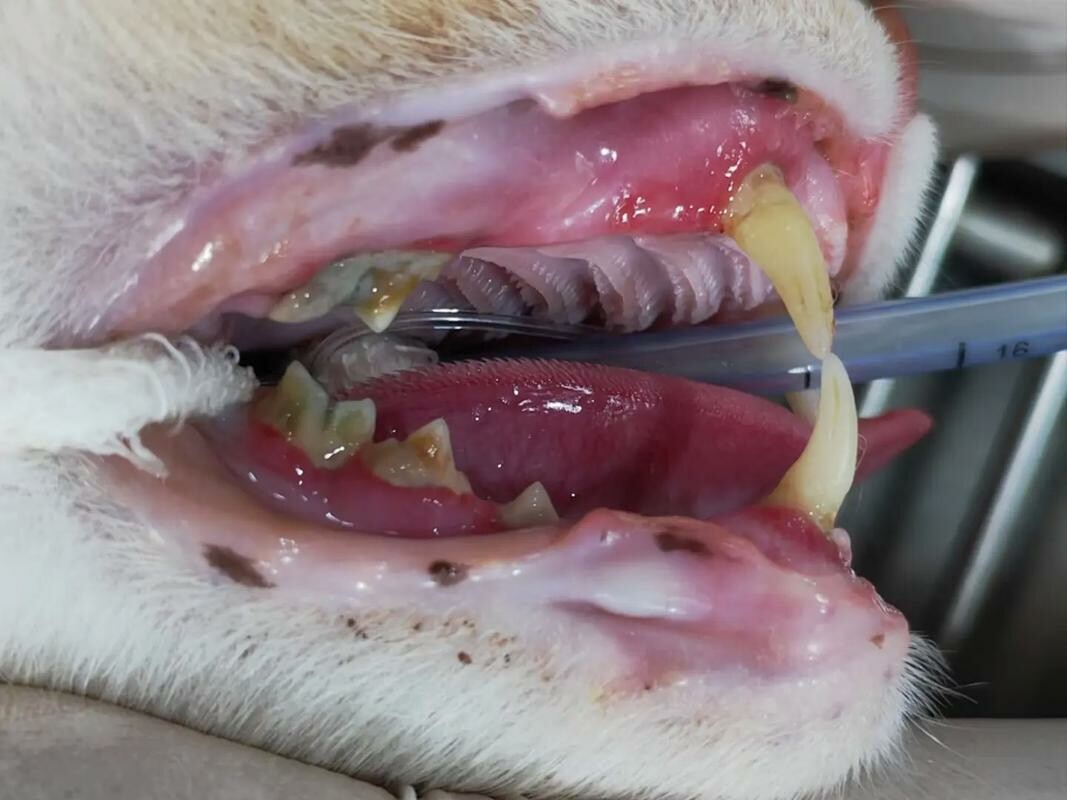
Treatment Methods:
- Oral antibiotics such as Metronidazole and Chloramphenicol can be administered.
- Oral sprays or iodine glycerin can be used in combination to achieve antibacterial and oral cleaning effects.
- If the condition is extremely severe and the teeth cannot be preserved, extraction should be performed as soon as possible.
Stomatitis
Stomatitis is characterized by inflammation of the oral mucosa, presenting with bad breath, excessive salivation, red and swollen gums, and oral ulcers. For treatment, Metronidazole can be used for anti-inflammatory purposes. If the condition is caused by a calicivirus infection, interferon therapy should be administered, along with oral sprays and Vitamin B supplements.

Granulomas
Granulomas in cats can form cauliflower-like tumors in the oral cavity, with possible swelling and necrosis of the tongue. The surrounding oral area, including the lips, may also exhibit hyperplasia or ulceration. The most direct method of diagnosis is to examine a smear of the mass under a microscope. If eosinophils are detected, a granuloma can be confirmed.
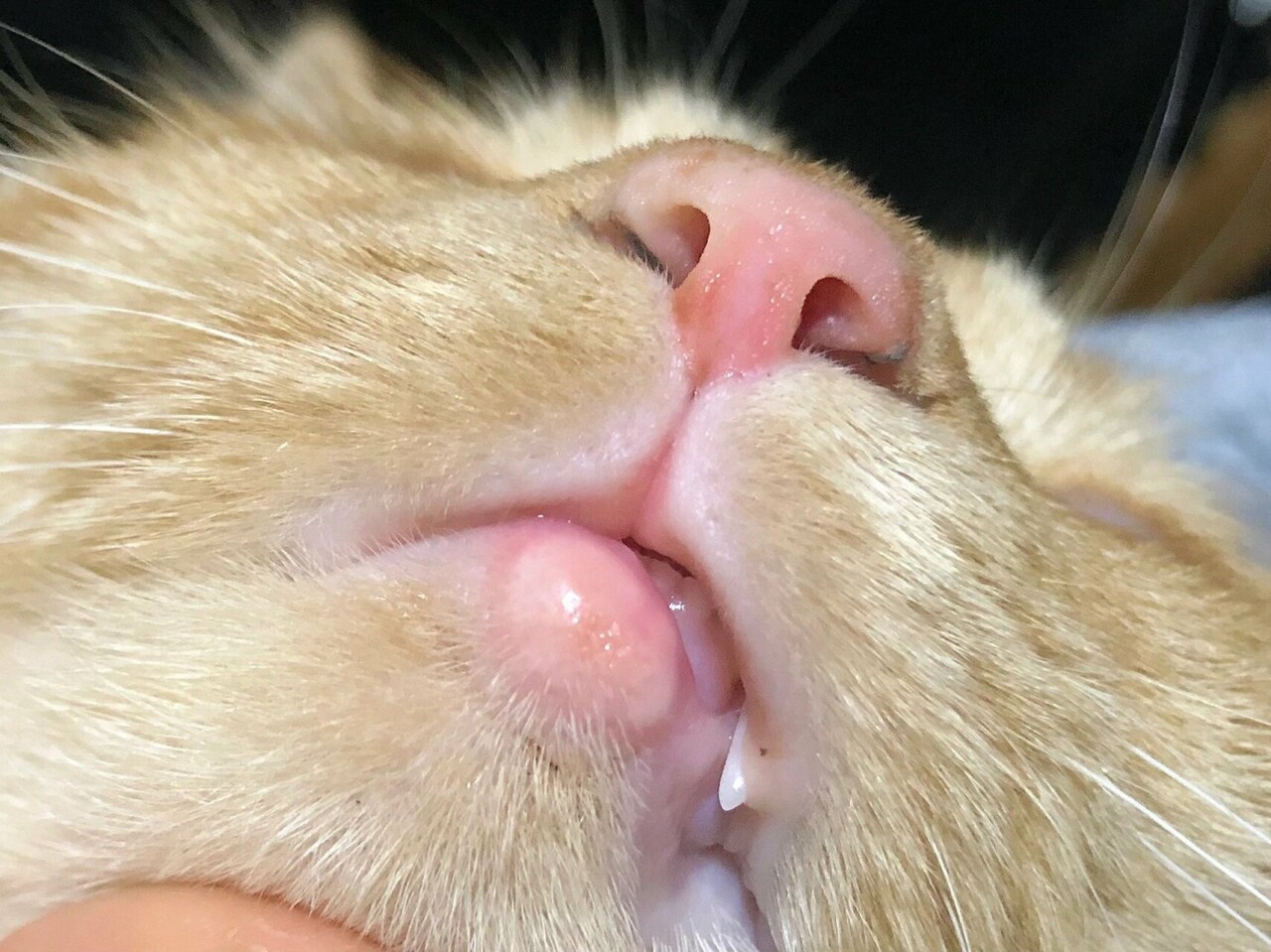
Treatment Methods:
- Steroid therapy is generally used, such as Triamcinolone, a corticosteroid. The veterinary product name is Methylprednisolone.
- Oral sprays are used for disinfection, supplemented with a complex Vitamin B for supportive treatment.
Summary: How to Determine the Treatment Plan
Parents who have read this far, I believe you truly care about your cat and are good caregivers. Below, I will summarize the methods for treating oral problems:
Mild Symptoms
If your cat is not drooling, you can treat it at home. You can use Synulox and oral sprays, supplemented with complex Vitamin B, which can basically solve most problems.
Severe Symptoms
If your cat is drooling and has ulcers in its mouth, please take it to the hospital as soon as possible.
Original article by KPTer, if reproduced, please cite the source: https://www.kaipet.com/en/comprehensive-guide-feline-oral-ulcer-treatment-prevention-treatment-tartar-gingivitis-periodontitis





Comments(2)
Fantastic guide! For daily home care, what specific products or easy routines do you recommend to prevent oral issues?
@CriticX:Thank you for your kind words! The guide mentions dental water or powder for mild tartar and emphasizes regular monitoring and appropriate feeding for prevention. For more detailed daily routines or specific product recommendations tailored to your cat, consulting your vet would be beneficial.