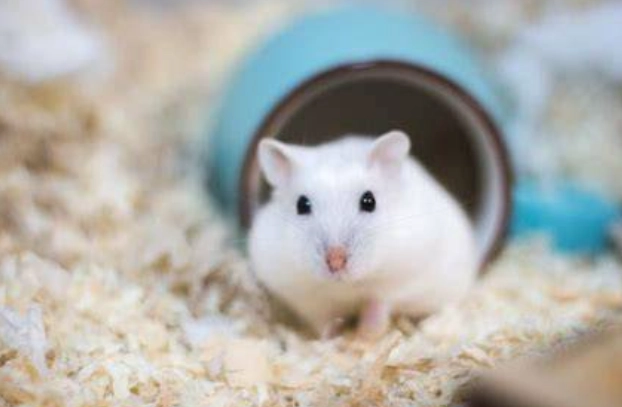
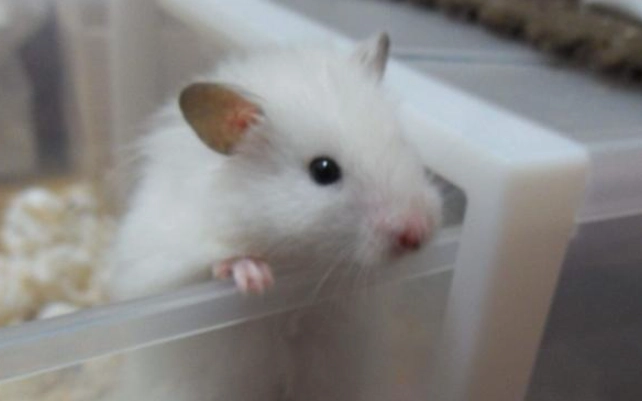
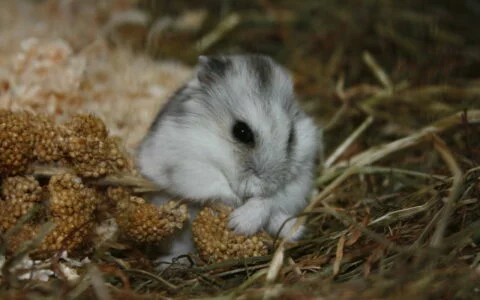
That night, I went to check on my Syrian hamster, “Pudding,” as usual. When I reached into the nest and touched it, my heart sank. The fur on its belly was matted into clumps, feeling wet and cold to the touch, and it was stained with some dirt. “Pudding” looked much quieter than usual, but its eyes were still open, looking at me. I panicked right then and there; my mind went completely blank, only knowing that this was absolutely not normal. It wasn’t until I took it to the pet hospital later that I learned it was acute diarrhea, and it was on the verge of dehydration. Since that incident, I have spent a massive amount of time researching and consulted several professional exotic pet veterinarians. A wet belly on a hamster is absolutely a red alert that requires you to drop everything you are doing immediately.
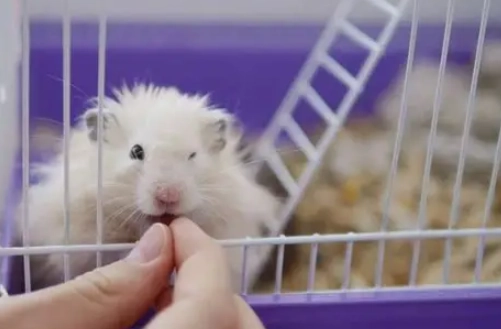
3 Main Causes of a Wet Belly in Hamsters
When many people see a hamster with a wet belly, their first instinct is that “it got diarrhea.” That’s correct, diarrhea is the most common cause, but there might be a more terrifying disease hidden behind it, or it could simply be an environmental issue. You must act like a detective and differentiate by observing other symptoms.
Gastrointestinal Upset and Diarrhea
This is the most widespread situation. It could be caused by eating spoiled food, a sudden change in hamster pellets, ingesting vegetables and fruits with excessive water content (such as watermelon or cucumber), or a stress response (a non-specific physiological reaction of the body to environmental stimuli) triggered by too much environmental pressure. I remember a vet telling me that many pet owners feed fruits out of love, but fail to control the portion size; a piece the size of a fingernail might be a “huge platter” for a hamster.
The feces of diarrhea usually present as soft or watery stool, which will soil the fur around the buttocks and abdomen. The hamster might be slightly lethargic, but it is usually still willing to eat a little.
The Fatal “Wet Tail”
This is the name every hamster owner fears hearing the most. “Wet Tail” is a severe intestinal disease caused by bacteria (such as Lawsonia intracellularis); it is highly contagious and has a very high mortality rate. The reason it is called “Wet Tail” is that severe diarrhea causes the tail and abdominal areas to remain in a constantly wet state.
But there is a key point here, which is also where beginners are most likely to misjudge: In the early stages of “Wet Tail,” the belly might only be slightly damp; the most obvious signs are actually “extreme lethargy” and “refusal to eat.” By the time the belly is completely soaked, the condition is often already highly severe. Their feces will have an extremely pungent, foul odor, their eyes will look glassy, and their backs will be hunched.
Urinary System Issues or Simple Urine Stains
Sometimes a wet belly isn’t due to diarrhea, but rather a urination issue. Cystitis, a urinary tract infection, or bladder stones might cause the hamster to leak urine or lose control of urination, thereby wetting the lower abdomen. Additionally, if the bedding is not thick enough or has poor absorbency, or if the hamster is old and has bad joints, sitting directly in its own urine will also make its fur wet. This type of wetness is usually localized, and you will be able to smell a distinct ammonia/urine odor, rather than a fecal smell.
| Possible Causes | Key Symptom Differences | Odor | Hamster’s Mental State |
|---|---|---|---|
| General Diarrhea | Belly and base of the tail are wet, soft stool. May be accompanied by a slight decrease in appetite. | Normal fecal smell or sour smell | Slightly poor, but still active |
| Wet Tail | Extreme lethargy, refusal to eat or drink, hunched back, severe watery diarrhea; in later stages, the entire lower body is soaked. | Extremely pungent foul odor | Extremely poor, barely moving |
| Urinary Issues | Lower abdomen (leaning towards the front half of the body) is wet, may be accompanied by difficulty urinating or frequent licking of genitals. | Ammonia/Urine smell | Anxious or lethargic due to pain |
| Environmental Urine Stains | Abdominal fur is wet, but the skin is dry. Usually occurs in old age or when bedding is insufficient. | Ammonia/Urine smell | Normal |
Only by distinguishing the cause can you determine the urgency and priority of your next steps. “Wet Tail” is a race against time, while general diarrhea requires immediate home care.

4-Step Emergency Treatment Guide Upon Discovery
Regardless of the cause, the first step is always: Stay calm and act immediately. Your panic will frighten it.
Immediate Isolation and Keeping Warm
If you have other hamsters at home, please move the sick hamster into a clean “isolation box” immediately. This box doesn’t need to be large; a simple storage bin will do. The key point is: Remove all bedding and lay down thick paper towels. Why do this? Because wood shavings or paper bedding will stick to the wet fur, making it not only difficult to clean but also hindering your observation of its excrement. Paper towels are highly absorbent, clean, and can be replaced immediately when soiled.
Place a pet-specific heating pad (set to low temperature) in one corner of the box, or cover half of it with a towel to keep it warm. Diarrhea and illness will cause the hamster to lose body heat rapidly; keeping it warm can effectively reduce its energy consumption.
Gentle Cleaning and Keeping Dry
Never wash the hamster directly with water! This will cause a severe stress response and hypothermia. Please use a cotton swab or a soft cloth, dipped in lukewarm boiled water, to gently wipe away the dirt around its belly and buttocks. Be quick and gentle. After wiping, immediately use another dry soft cloth or paper towel to gently press and absorb the moisture. You can also use a hair dryer on the lowest temperature and lowest speed setting, holding it at least 30 centimeters away, to dry it quickly, provided your hamster isn’t afraid. If it struggles intensely, just pat it dry with a cloth.
Adjusting Diet and Hydration
Immediately remove all fresh fruits, vegetables, treats, and food bowls. Provide only:
- Boiled and cooled water: Ensure the water source is absolutely clean. You can add a little pet electrolyte powder to the water bottle, or directly feed it lukewarm water to encourage it to drink more.
- Easily digestible food: Vets usually recommend feeding a “pellet mash.” Grind its usual hamster food pellets into a powder and mix it with a small amount of warm water to form a paste (similar to the consistency of baby rice cereal), and feed it using a syringe or a small spoon. This provides energy without irritating the digestive tract. You can also cook a little sugar-free oatmeal porridge.
Many pet owners make a mistake here; out of sympathy for the hamster, they continue to give it treats, which only prevents the digestive system from getting any rest.
Close Observation and Recording
Over the next few hours, you need to act as a record keeper:
- Are there any new wet stains? What is the frequency?
- Is its mental state lethargic, or does it move around occasionally?
- When trying to offer water or food, does it show a willingness to swallow?
- What are the shape and odor of the feces? (This is crucial intelligence for the vet)
These records can help you determine whether you need to take it to the vet, and they will provide the vet with the most accurate information during the consultation.
Absolutely prohibited: Do not rely on your intuition to feed it any human antidiarrheal or gastrointestinal medications. A hamster’s metabolic system is completely different from a human’s; incorrect medication will lead to kidney failure or poisoning, accelerating death.
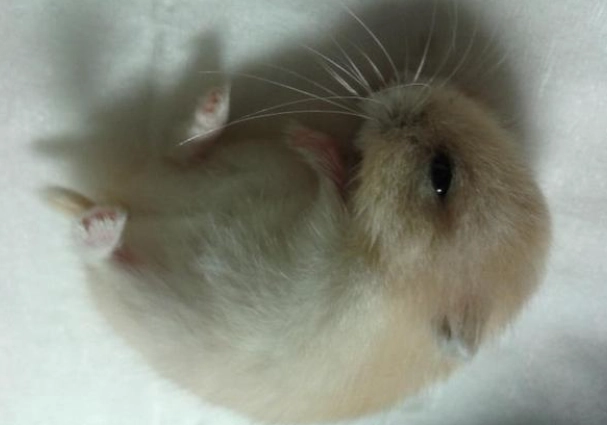
Indicators for Emergency Veterinary Care
Not every case of a wet belly requires an emergency run, but if any of the following signals appear, please do not hesitate to find the nearest exotic pet hospital for immediate care:
- Complete refusal to drink water for over 6 hours. Hamsters have small bodies, and dehydration progresses extremely fast.
- Severe lethargy, no response when calling its name or touching it lightly, continuously curled up in a corner.
- Accompanied by other severe symptoms: such as sunken eyes (a sign of dehydration), pale gums, noticeable weight loss, hypothermia (feels cold to the touch), or blood in the stool.
- Highly suspected to be Wet Tail. Even if it’s just a suspicion, it should be judged by a professional vet. “Wet Tail” requires specific antibiotic treatment and cannot heal on its own.
Before heading to the vet, remember to bring your “observation records.” If convenient, you can use your phone to take photos of the wet areas and the excrement. The vet will usually conduct a physical examination, and in severe cases, might need to examine the feces under a microscope or administer subcutaneous fluid therapy.
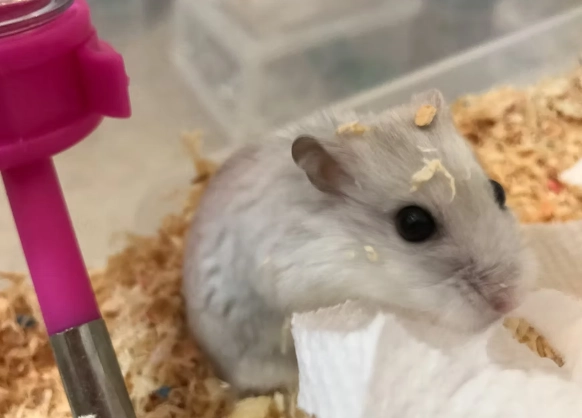
Daily Prevention: 3 Care Details
Rather than waiting until the belly is wet to perform first aid, it’s better to fundamentally create a living environment where the hamster is less prone to illness. These are experiences bought with the blood and tears of those who came before.
“Freshness Management” of Food and Water
Did you know a hamster’s food hoard should be emptied and wiped clean once a week? The crumbs left at the bottom are prone to dampness and mold. As for the water in the dispenser, I insist on changing it every day, even if it hasn’t been finished. In hot and humid summer weather, the inner walls of the water bottle are highly susceptible to breeding biofilms (slime). I now exclusively use boiled and cooled water to fill the bottle, reducing bacteria from the source.
Stress Management, Especially for New Hamsters
Stress is the source of all illnesses. A hamster just brought home, sudden changes in the environment (like moving or changing cages), or long-term harassment from nearby cats and dogs can cause immense psychological pressure, leading to a drop in immunity. Providing it with sufficient bedding depth (at least 15 centimeters) to allow it to dig and build a nest, offering multiple hideouts, and maintaining a quiet environment are far more important than buying flashy toys. Official husbandry guidelines also emphasize that providing an environment suitable for the animal’s natural habits can effectively reduce stress.
Build Your “First Aid Kit and Tool Bag”
I always keep these items at home, like a mini first-aid station:
- Small packets of pet-use electrolyte powder.
- A 1-milliliter needleless syringe (for administering medication and water).
- Pet probiotic powder (used for regulation during mild soft stool, not a treatment drug).
- Paper towels, small soft-bristled toothbrush (for cleaning).
- A clean small storage bin (to serve as an isolation ward).
Being prepared ensures you won’t panic when an emergency occurs.

Experienced Owner Q&A
This is perhaps the most confusing situation. If its spirit and appetite are completely normal, and only the fur on its abdomen is slightly damp (especially near the scent glands in male hamsters), you can observe it closely first. The key is to continuously monitor for any deterioration. However, if the wetness persists for more than half a day, or if you notice it gets even wetter after running on the wheel, there might still be mild diarrhea or a urinary issue. It is recommended to at least consult a vet over the phone, rather than waiting until its spirit declines before taking action.
This is an extremely dangerous suggestion. First, you cannot diagnose whether it is “Wet Tail”on your own; second, there is a vast variety of antibiotics, and using the wrong type, dosage, or course of treatment will not only be ineffective but will also kill beneficial intestinal bacteria, making the condition more complicated and potentially leading to antibiotic resistance; third, “Wet Tail”usually requires supportive therapies such as fluid replacement and pain relief, which are simply impossible to achieve at home. Leaving the right to prescribe medication to a vet is the only correct approach.
This is a common misconception. Apple purée (especially steamed) is rich in pectin and might have a slight absorbing effect on “mild”soft stool, but it has limited efficacy for situations that have already progressed to watery diarrhea, and the sugar in it might actually breed bad bacteria in the gut. Feeding bananas is not recommended because it might worsen bloating. The safest approach is to first provide “pellet mash”and sufficient hydration, and seek a vet’s diagnosis, rather than trying home remedies yourself.
Senior hamsters (after about 1.5 to 2 years old) might sit in their urine because muscle weakness or arthritis prevents them from moving smoothly to the sand bath. You can observe: if it is incontinence, it is usually just “localized wet fur,”and after wiping the skin dry, it won’t immediately get wet again in a short time, plus the hamster’s spirit, appetite, and stool shape are all normal. You can help it by increasing the number of sand baths, using more absorbent bedding, and lowering the height of the facilities inside the cage. If accompanied by lethargy or abnormal feces, it is highly likely an illness, not just simple aging.
The joy of keeping a hamster is immense, but the responsibilities are highly specific. They cannot speak, so the first signal of pain and illness is often manifested in these subtle physical changes. A “wet belly” is one of the most critical alarm bells. Learning to judge, handling it calmly, and seeking medical attention promptly are your most important commitments to this tiny life. I hope “Pudding’s” experience can help you and your fur baby avoid danger and enjoy a long, healthy companionship together.
Original article by 搬运工, if reproduced, please cite the source: https://www.kaipet.com/en/hamsters-belly-wet-identify-wet-tail-4-step-emergency-treatment-guide