If you keep hamsters, you may have heard of \”Wet Tail.\” The name sounds somewhat \”cute,\” but in reality, it is one of the most deadly diseases for hamsters. I have kept hamsters for over 10 years and have seen too many pet owners regret it when it was too late because they ignored the early symptoms. Today, I want to help you thoroughly understand Wet Tail in the most layman’s terms possible.
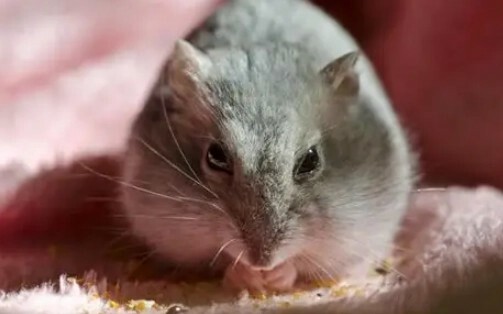
What is Hamster Wet Tail
Wet Tail, formally known medically as Proliferative Ileitis (an inflammation of the intestine), is a severe intestinal infection caused by bacteria. It primarily affects young hamsters, especially those just weaned or when there are environmental changes. The name comes from its typical symptom: the hamster’s tail and rump area become wet due to diarrhea.
But there is a misconception here. Many people think Wet Tail is just diarrhea; in fact, it involves intestinal inflammation, dehydration, and can even lead to sepsis. If not treated promptly, a hamster can die within 24 to 48 hours. I remember the first time I encountered this situation, my hamster \”Xiao Bu\” was only 2 months old. He suddenly stopped eating and drinking. I thought it was just the hot weather, but he almost didn’t make it.
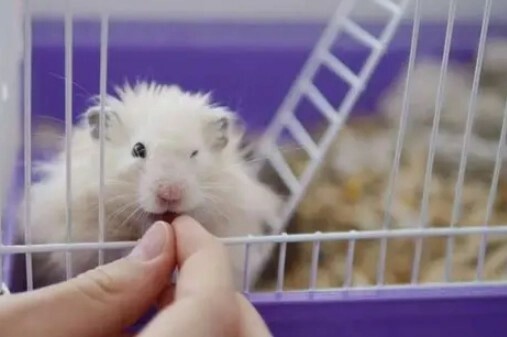
Wet Tail is not ordinary diarrhea. It is a medical emergency that requires immediate veterinary intervention. Delaying for a few hours can drop the survival rate from 70% to 30%.
Symptoms of Hamster Wet Tail
Symptoms are divided into early and late stages. With early detection, the success rate of treatment is higher.
Early Symptoms
These symptoms are relatively subtle and easy to overlook. The hamster may show:
- Decreased vitality, not enjoying the running wheel as much as before.
- Loss of appetite, not even touching their favorite sunflower seeds.
- Messy fur, looking somewhat \”unkempt.\”
- Mild diarrhea, with some dampness at the base of the tail.
I often tell beginners that if a hamster suddenly loses interest in food, be alert. Hamsters are \”gluttons\”; not eating definitely indicates a problem.
Late Symptoms
If not handled in time, symptoms will deteriorate rapidly:
- Severe diarrhea, the tail and hind legs are completely soaked, and excrement may contain traces of blood or mucus.
- Obvious dehydration, sunken eyes, and poor elasticity of the skin.
- Body temperature drops, feeling cool to the touch.
- Huddled in a corner, barely moving, and unresponsive to external stimuli.
By the late stage, the hamster is in great pain. Sending them to the vet at this point means the doctor may be powerless to help.
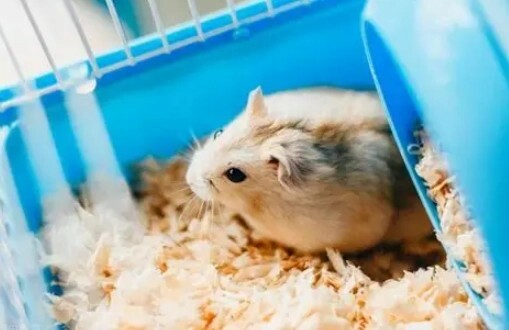
If you see a hamster with a soaked tail and lethargic spirit, do not observe any longer. Contact a vet immediately; this is the golden rescue time.
Causes of Wet Tail
Wet Tail is primarily caused by Lawsonia intracellularis (a type of bacteria), but there are many inducing factors. Common causes include:
- Environmental Stress: This is the biggest culprit. For example, just bringing them home, changing to a new cage, or noise disturbances in the surroundings. Hamsters are sensitive animals, and stress will weaken their immune systems.
- Hygiene Issues: An unclean cage leads to bacterial growth. I have seen people clean the toilet only once a week; that is simply a \”breeding ground\” for bacteria.
- Improper Diet: Sudden changes in feed or feeding too many fruits and vegetables leading to digestive disorders.
- Low Immunity: Young hamsters or elderly hamsters are more susceptible to the disease.
It is worth noting: many people think Wet Tail only happens to young hamsters, but adult hamsters can also get sick if under excessive stress. A friend of mine had an adult hamster that showed symptoms 3 days after moving house.

How to Treat Hamster Wet Tail
Treatment consists of two parts: home emergency care and veterinary treatment. Please remember, home care is only to buy time and cannot replace professional medical care.
Home Emergency Care
If you discover symptoms, you can do this before seeing the doctor:
- Move the hamster to a quiet, warm environment; you can use a towel to wrap a heating lamp (be careful to avoid overheating).
- Provide electrolyte water and feed it slowly with a syringe to prevent dehydration. Do not force-feed, to avoid choking.
- Thoroughly clean the cage and replace with clean bedding to avoid recurrent bacterial infection.
- Remove all food and leave only drinking water to let the intestines rest.
These steps can slightly alleviate the condition, but never let your guard down. I once thought doing this was enough, but the doctor said bacterial infection requires the use of antibiotics, and home nursing is only supplementary.
Veterinary Treatment Process
Veterinarians usually take the following measures:
| Treatment Step | Specific Content | Precautions |
|---|---|---|
| Diagnosis Confirmation | Check symptoms, potentially perform fecal analysis | Tell the doctor all observation details, including the time of onset |
| Antibiotic Treatment | Prescribe antibiotics such as Baytril | Administer strictly according to dosage; complete the course even if symptoms improve |
| Supportive Therapy | Subcutaneous fluids to replenish water and nutrients | When dehydration is severe, this is the key to saving lives |
| Follow-up Care | Suggest diet adjustments and environmental improvements | The doctor may recommend probiotics to assist intestinal recovery |
Treatment costs are not cheap; a single visit may cost hundreds or even over a thousand yuan. But compared to losing a small pet, this investment is worth it.
After veterinary treatment, home care is even more important. I suggest using dust-free bedding, feeding easily digestible food (such as cooked oats), and maintaining a stable environment.
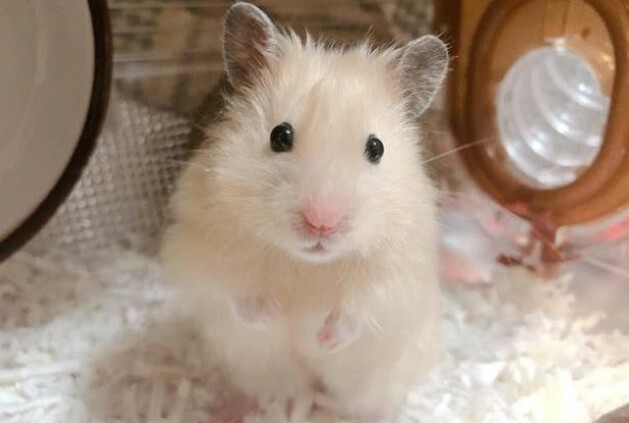
Key Measures to Prevent Hamster Wet Tail
Prevention is always simpler than treatment. Doing the following well can significantly reduce the risk of illness.
- Reduce Environmental Stress: After bringing a hamster home, give it a 1-week adaptation period; do not rush to handle or play with it. The cage should be placed in a quiet corner, away from the TV and kitchen.
- Maintain Environmental Hygiene: Thoroughly wash the cage once a week and clean the toilet area daily. Choose dust-free bedding to avoid irritating the respiratory tract.
- Manage Diet Scientifically: Choose feed from reputable big brands and avoid sudden food changes. Limit fruits and vegetables; for example, 1 small slice of apple a day is enough.
- Observe Carefully and Regularly: Spend a few minutes every day observing the hamster’s behavior and feces. Normal feces should be dry and formed; if they become soft, pay attention.
My personal practice is to check the hamster’s weight every time I clean the cage. Unexplained weight loss is often an alarm for health.

The core of prevention lies in \”stability.\” Hamsters do not like change, so their living environment, diet, and schedule should be as regular as possible.
Frequently Asked Questions
Not necessarily; it could be temporary diarrhea caused by the stress of changing environments. However, the risk of Wet Tail is high, so isolation and observation are recommended first. If there is no improvement within 24 hours, or if listlessness appears, seek medical attention immediately. Never indiscriminately feed medicine yourself to avoid masking the condition.
Yes. Bacteria can spread through feces or shared items. If one is diagnosed, the sick hamster must be isolated immediately, and the original cage and utensils must be thoroughly disinfected. Other hamsters should also be closely observed, and consult a doctor if prophylactic medication is needed.
Antibiotics may be ineffective because the bacteria have developed resistance, or the diagnosis was incorrect. Wet Tail is sometimes confused with other intestinal diseases. During the follow-up visit, ask the doctor to re-evaluate, or consider looking for a senior veterinarian who specializes in small animals (exotic pets). Also, ensure the method of administration is correct; for example, some antibiotics need to be fed on an empty stomach.
After recovery, the intestines are relatively fragile. It is recommended to continue feeding probiotics for at least 2 weeks and maintain a low-stress environment. Avoid sudden dietary changes; if switching from feed to fresh food, proceed gradually. Regular check-ups also help prevent problems before they happen.
It is completely unreliable. Apple puree is high in sugar and may aggravate diarrhea. Wet Tail is a bacterial infection and must be treated with antibiotics; home remedies will only delay treatment. Be cautious when obtaining information, and prioritize advice from professional veterinarians or authoritative institutions.
Although Wet Tail is scary, as long as you are careful enough, you can significantly reduce the risk. Remember, hamsters cannot speak; your careful observation is their lifeline. If in doubt, do not hesitate to contact a vet directly.
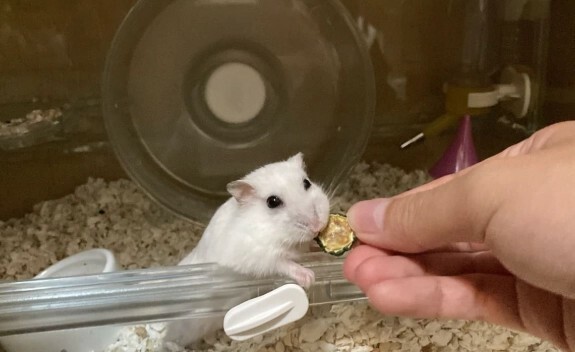
Keeping a pet is a responsibility. Learn a little more, and your hamster can live a little happier.
Original article by 搬运工, if reproduced, please cite the source: https://www.kaipet.com/en/hamster-wet-tail-symptoms-guide-early-identification-emergency-treatment-scientific-prevention