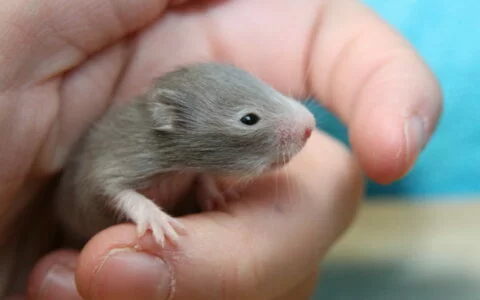
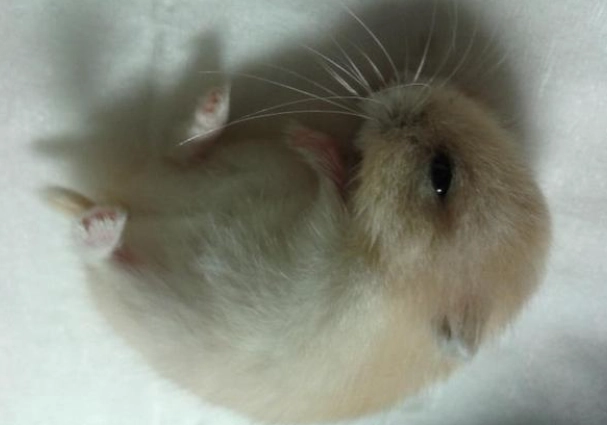
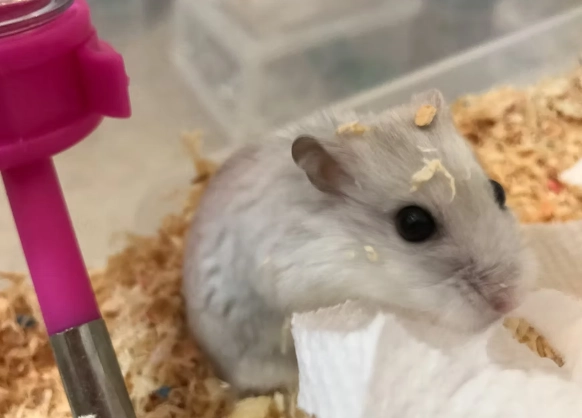
My Syrian hamster, “Pudding,” started frantically scratching behind his ears. His originally fluffy fur was clawed into a mess, and small clumps of fur began appearing in the corners of his cage. I initially thought it was just seasonal shedding due to the weather changes, but after observing him for 3 days, the frequency of Pudding’s scratching only increased, and his skin even looked a bit red. That’s when I knew: this was serious.
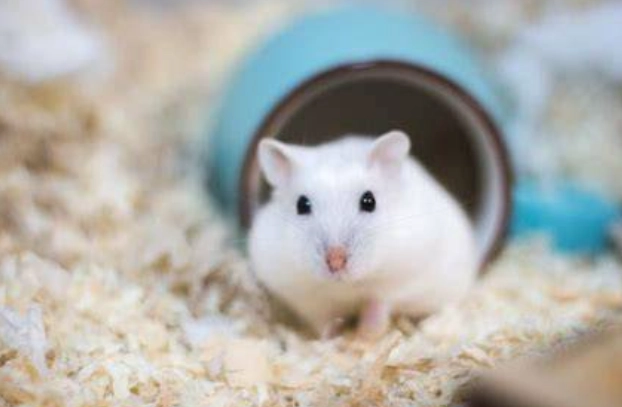
Many pet owners have the same first reaction as I did when they see their hamster scratching and losing fur: Is this normal? However, according to the veterinarians I consulted later and the extensive domestic and international materials I reviewed (such as pet care guides from the Humane Society of the United States), persistent scratching and localized hair loss are almost certainly red flags for health issues. If left unchecked, minor problems can evolve into serious skin infections and even affect the hamster’s overall immunity.
The 5 Major Culprits Behind Hamster Scratching and Hair Loss
There is absolutely never just one cause, and it is often a case of “multiple concurrent factors.” I have organized them into the table below so you can compare and see which item best matches your hamster’s symptoms.
| Possible Cause | Common Symptoms (Besides Scratching/Hair Loss) | Common Locations | Notes & Beginner Misconceptions |
|---|---|---|---|
| Ectoparasite Infection (Mites, Lice) | Increased dander, red rashes or scabs on the skin, hamster is restless/agitated, possible odor. | Behind ears, neck, back, abdomen. | This is the cause most easily mistaken for allergies! Mites are hard to see with the naked eye; a vet needs to scrape skin flakes for microscopic examination. Many people buy wood shavings marketed as “bug-repelling,” which can actually irritate the skin. |
| Fungal Infection (Ringworm) | Hair loss areas are circular with defined edges; skin may have scales. sometimes not very itchy. | Face, ears, limbs. | Contagious; can be transmitted to humans and other pets. Humid environments are a trigger. Never directly use antifungal ointments intended for humans. |
| Allergic Dermatitis | Systemic itching, red skin, may be accompanied by sneezing or watery eyes. | Can occur anywhere on the body. | Allergens can be: Bedding (Pine and Cedar shavings are most common), certain ingredients in feed, air fresheners near the cage, or even residue from your laundry detergent. |
| Malnutrition or Stress | Fur is generally sparse and dull, hair loss is relatively even, accompanied by weight loss or behavioral changes (e.g., over-grooming). | Symmetrical hair loss. | Long-term feeding of only sunflower seeds or a lack of protein and vitamins (especially Vitamin B complex and E) can cause these issues. Noisy environments, small cages, and bullying by cagemates are also sources of stress. |
| Endocrine Imbalance or Geriatric Issues | Slow, symmetrical hair loss; the skin itself looks normal. Mostly seen in elderly hamsters. | Flanks (sides of the body), abdomen. | Relatively rare; usually adrenal or thyroid issues requiring veterinary diagnosis. Elderly hamsters produce less skin oil, which can also cause dry, itchy skin. |
Pudding was later diagnosed with a “mite infection” combined with a “mild allergy to bedding.” The doctor said this combination is very common because parasites damage the skin barrier, making it easier for allergens to intrude. I was exactly that owner who thought it was simple allergies and desperately changed bedding, only to delay treatment.
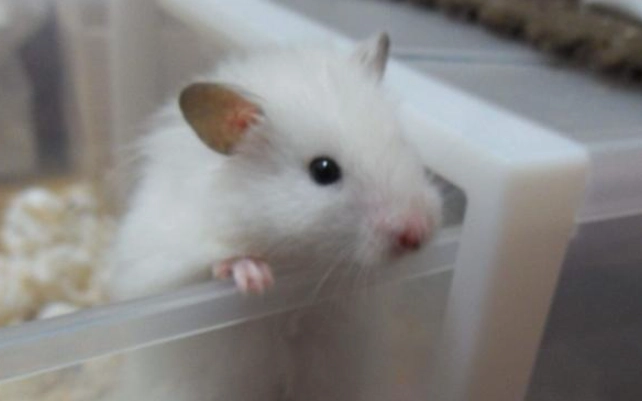
How to Perform a Preliminary Check and Emergency Care at Home?
Before your appointment with the vet, you can do these few things. Not only will they relieve your hamster’s discomfort, but they will also help you provide more precise information to the doctor.
Safe Restraint and Visual Inspection
Use a small cup or your hands to gently secure him, and check the skin in a well-lit area. Focus on observing:
- The shape of the hair loss: Is it irregular and pulled out, or circular patches?
- Skin condition: Red/swollen, scabby, flaky, greasy, or dry?
- Trauma: Are there small wounds caused by his own scratching?
Be quick and gentle to avoid making the hamster more nervous. If the hamster resists extremely, do not force it; just note down the physical characteristics you observed.
Immediate Environmental Management
Core Principles: Simplify, Clean, Isolate Suspect Items.
- Change all bedding: Immediately switch to hypoallergenic materials. My top recommendation is “kitchen paper towels” or “white paper pellets.” This is the safest, odorless choice and can immediately rule out bedding allergies. Put away those scented pine shavings or dyed paper cottons for now.
- Thoroughly clean the cage: Use hot water (no chemical cleaners) to thoroughly scrub the cage, wheel, food bowl, and water bottle. Wash every corner, then air dry or wipe completely dry. Moisture is a breeding ground for fungi and bacteria.
- Remove all potential allergens: Check feed ingredients and temporarily stop snacks and fruits. Move diffusers, essential oils, and perfumes away from the cage area. Don’t rush to touch him if you have just applied perfume to your hands.
- Provide a clean “Sand Bath”: If the hamster is willing, you can provide clean, hamster-specific bathing sand (confirm it is fragrance-free) to let him clean himself; sometimes this can slightly relieve the itching sensation. However, avoid this if there are open wounds on the skin.

What NOT to do: Do not take it upon yourself to apply human anti-itch ointments, lotions, or shampoos to the hamster! Their skin structure and metabolism are different from humans, and these products may contain ingredients toxic to them (such as steroids or salicylic acid), which can cause poisoning if licked by the hamster.
When Must You See a Vet? The Vet Visit Checklist
If your hamster exhibits any of the following conditions, stop waiting and book an appointment with an exotic pet veterinarian (a vet specializing in small animals) immediately:
- Scratching behavior continues for over 24 hours without relief, or becomes more frequent.
- Hair loss areas expand or show redness, swelling, ulcers, or discharge/pus.
- The hamster appears lethargic, has a decreased appetite, or shows noticeable weight loss.
- You develop unexplained circular red rashes on your own body.
Before seeing the doctor, please prepare this information:
Doctors have limited consultation time; the more prepared you are, the more accurate the diagnosis will be.
- Medical History Record: The hamster’s age, breed, and how long you’ve had him.
- Environment Inventory: Take photos with your phone! Photograph the “bedding brand packaging,” “feed ingredient list,” and the “full view of the cage” you are currently using. This is 100 times more accurate than a verbal description.
- Symptom Timeline: When did you first notice it? Did it worsen slowly or happen suddenly?
- Recent Changes: Have you changed to new feed, new bedding, moved house, or introduced new pets or members to the household?
Doctors usually perform a skin scraping test (scraping a bit of dander with a glass slide to observe under a microscope), which is the gold standard for distinguishing between parasites and fungi. The process is quick, and the hamster barely feels a thing.
Eradicating the Problem from the Environment: Prevention Checklist
After treatment is complete, how do you prevent recurrence? This is the long-term battle. Please save the checklist below and check it once a month.
Hamster Skin Health Environment Checklist
- Bedding: Are you using dust-free, fragrance-free paper or aspen bedding?
(My choice: Lab-grade paper pellets or shredded kitchen paper towels) - Humidity: Is the cage placed in a ventilated area but away from direct drafts? Is the environment too humid?
(If the region is humid, use a dehumidifier at a distance to maintain humidity at 50%-60%) - Cleaning Frequency: Do you spot clean weekly and do a full cage deep clean every 2 weeks, ensuring it is thoroughly air-dried?
- Diet: Is the staple food a nutritionally balanced mix rather than just seeds? Are snacks (mealworms, cheese, fruits) limited to no more than twice a week?
(Refer to basic recommendations on experimental animal nutrition from the Department of Animal Science and Technology at National Taiwan University, emphasizing diversity) - Stressors: Is the cage size sufficient (floor area greater than 0.5 square meters)? Are there enough hiding spots and digging depth? Is the hamster’s environment too noisy?
- New Item Quarantine: Are any new toys, bedding, or snacks tested in small amounts first to observe the hamster’s reaction?

Q&A with a Senior Pet Owner: Things Doctors Don’t Have Time to Explain in Detail
Q1: I can’t tell if my hamster is molting normally or losing hair due to skin disease. Is there a key visual difference?
This question is crucial. The key lies in “skin condition” and “symmetry.”
- Normal Molting: Hair loss is even and slow; you will feel the hamster’s fur getting thinner, but it won’t suddenly go bald in one patch. The skin color underneath is a healthy pink or normal skin tone, without redness, swelling, dander, or scabs. The hamster also won’t focus on scratching a specific place. Molting usually happens with seasons (changes in temperature and humidity).
- Hair Loss from Skin Disease: It is usually localized; the fur in a certain area suddenly becomes sparse or bald. Observe that patch of skin closely, and nine times out of ten there is a problem—it might be red, have lots of dandruff-like flakes, or have small bumps or scabs. Furthermore, the hamster will frequently and vigorously scratch or gnaw at that specific spot, even affecting its rest.
Simple mnemonic: As long as it is accompanied by “frequent scratching” or “skin abnormalities,” stop assuming it’s just molting.
Q2: Some people online recommend using diluted tea tree oil or sulfur water to bathe hamsters for sterilization. Is this really safe?
It is absolutely unsafe; please never attempt this. This is one of the most dangerous home remedies I’ve ever heard of.
A hamster weighs only a few dozen grams; their skin absorption is high, and their ability to metabolize toxins is extremely poor. Even if tea tree oil is diluted, the terpene compounds within it possess neurotoxicity and hepatotoxicity to small animals. If a hamster licks it or absorbs it through the skin, it can lead to poisoning, tremors, or even death. Sulfur is also extremely irritating and will damage the skin’s already fragile protective layer.
The medicated solutions prescribed by doctors are precisely calculated in dosage and target specific pathogens (such as specific fungi). The risk of any “DIY therapy” without doctor’s instructions far outweighs the benefits. For skin diseases, please trust scientific diagnosis and professional medication.
Q3: My hamster improved after seeing the vet and applying medicine, but relapsed shortly after stopping the medication. What should I do?
This usually points to two problems: incomplete treatment course or failure to eliminate the source of infection.
First, the medication course for skin problems (especially fungi or deep-seated mites) is usually longer than the time it takes to look “cured” on the surface. If the doctor says to apply medicine for 1 week, you must apply it for the full week, or even longer, to eradicate residual pathogens. Stopping medication on your own is a primary cause of recurrence.
The latter is more common: sources of infection in the environment were not completely wiped out. Mite eggs or fungal spores can hide in wooden toys in the cage, the crevices of the wheel axle, or even the joints of the cage itself. Simple washing might not be enough.
My advice is: During treatment, besides washing the cage diligently, it is best to scald all plastic, ceramic, and glass items with boiling water. For wooden toys or items that cannot be sterilized with high heat, I suggest removing them all during treatment and replacing them with a brand new batch only after the hamster has fully recovered. This sounds troublesome, but it is the most effective way to break the “Environment—Hamster—Environment” cross-infection cycle. At the same time, review that “Prevention Checklist” above again to see if anything slipped through the net.
Final Thoughts
The joy of raising hamsters lies in observing their cute behaviors, but the responsibility also lies in reading the unspoken pain of the hamster. Scratching and hair loss are clear distress signals. Facing it does not require excessive panic, but it does require systematic action: from home observation and environmental control to seeking professional veterinary assistance when necessary.
Pudding is now a fluffy, energetic little guy again. Those days of applying medicine to Pudding every day and staring at changes in Pudding’s skin made me understand how fragile this little life is, and also taught me how to create a truly safe and comfortable home for Pudding. I hope your hamster can also get rid of the itching soon and regain his radiance.
Original article by 搬运工, if reproduced, please cite the source: https://www.kaipet.com/en/severe-hair-loss-hamsters-5-major-check-home-care-guide