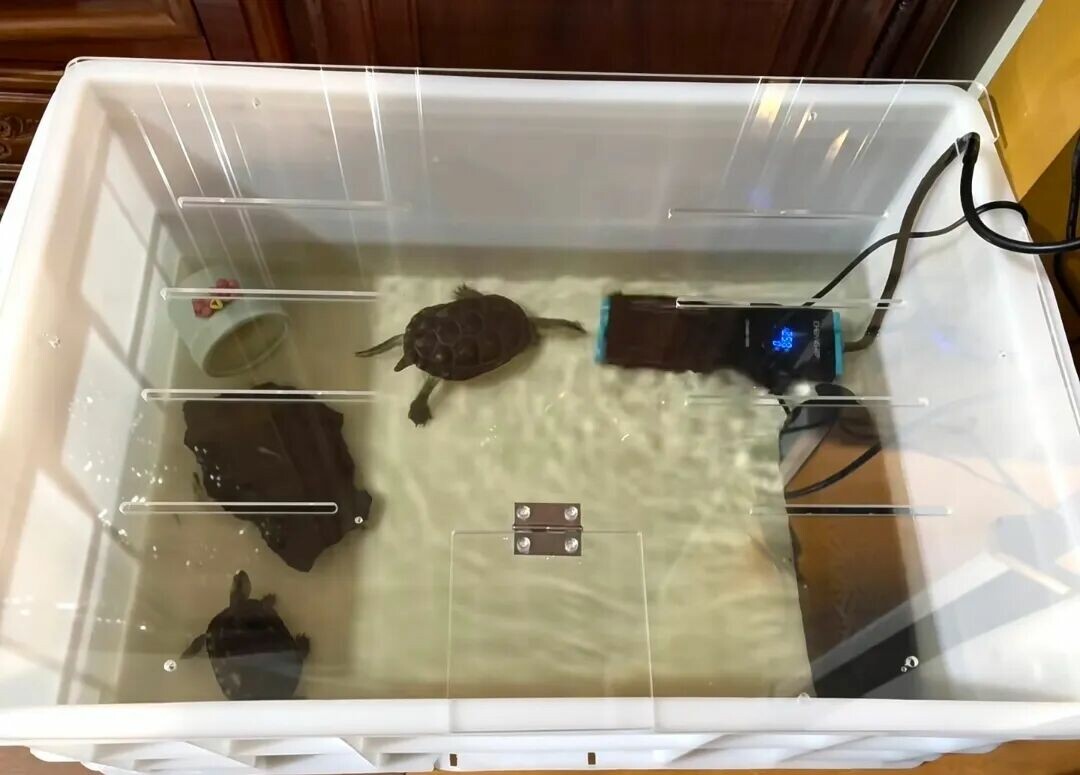
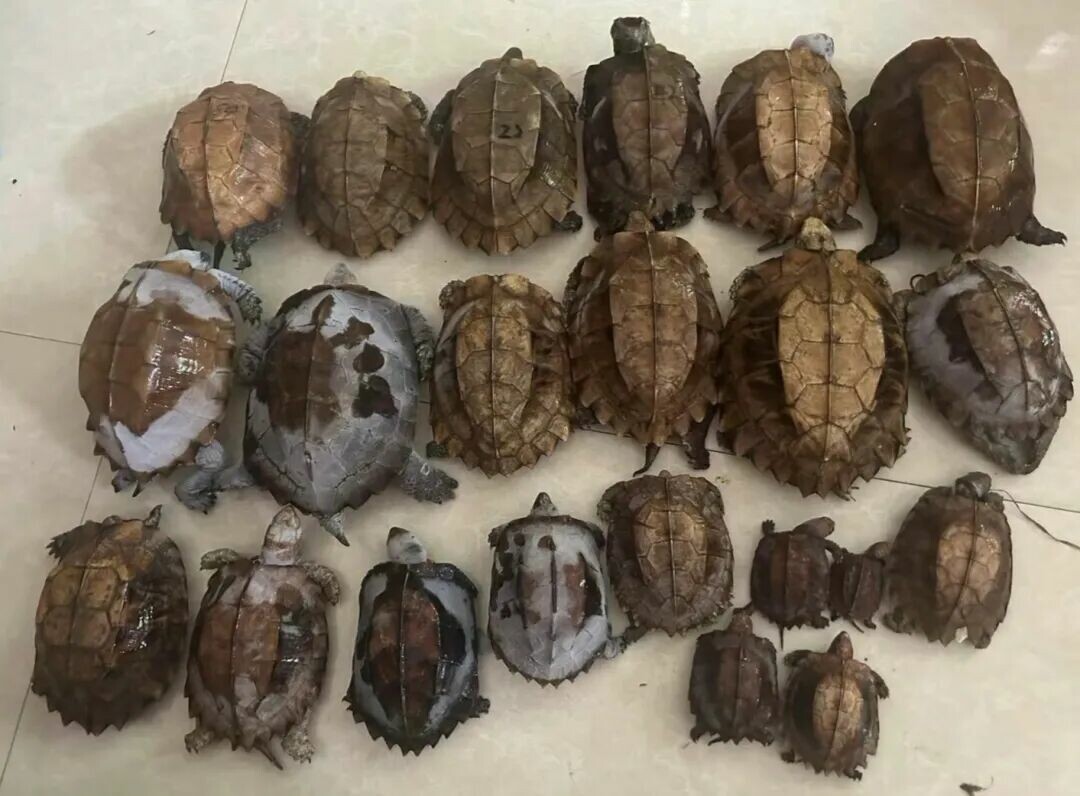
It is already a cold winter, yet many turtle keepers still cannot control the urge to "buy, buy, buy". The handling of new turtles arriving in winter is different from that in summer, and the risk factor is relatively higher. In this article, I will share with you the handling schemes for new turtles arriving in winter.
There is a large difference in temperature between the North and the South, so the methods for handling new turtles are also different. We will introduce the North and the South separately, and turtle keepers can choose the one that suits them.
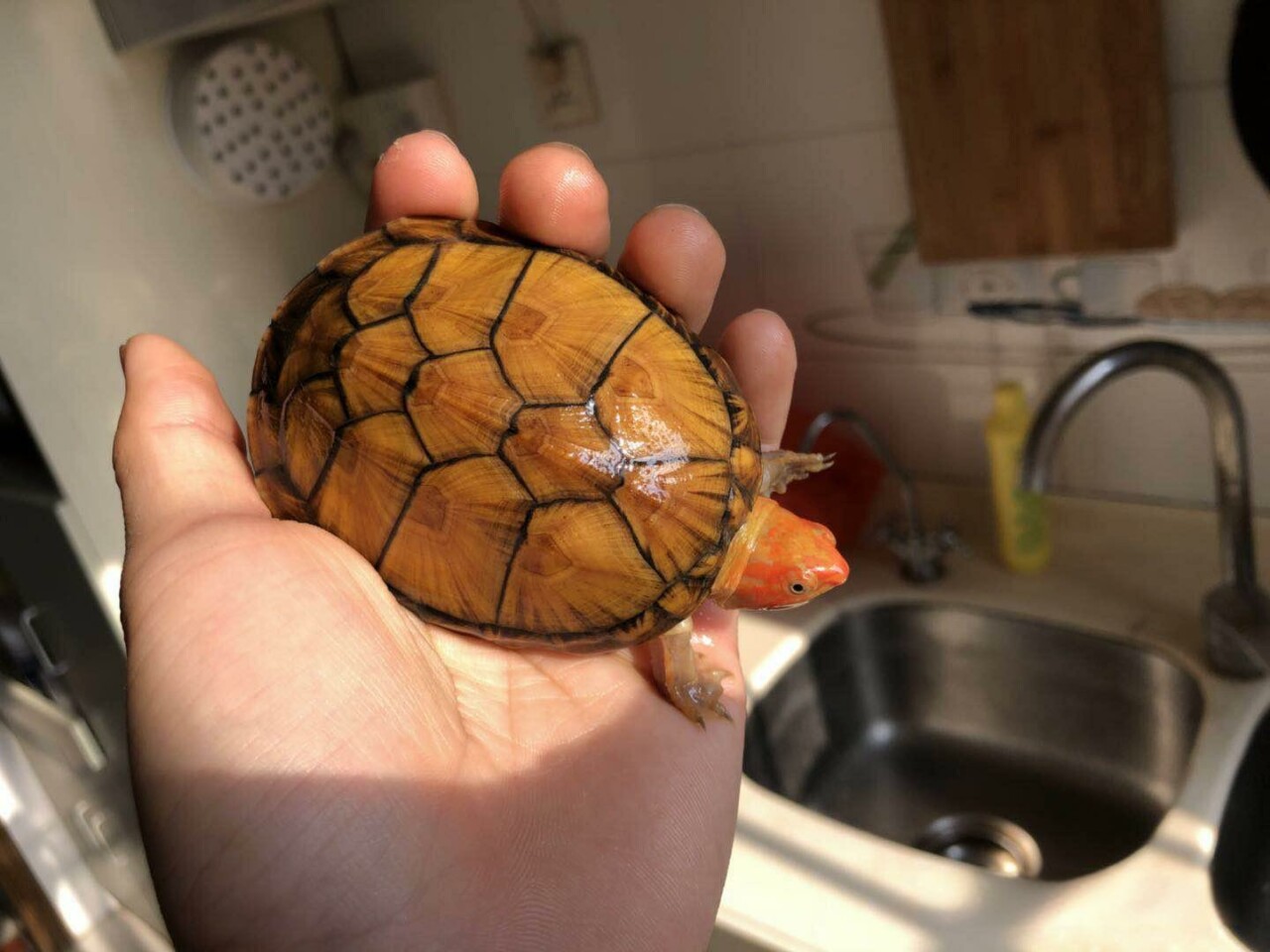
Handling Scheme for Southern Regions
The South is relatively suitable for turtles to survive. Turtles can be shipped 365 days a year. Therefore, many turtle keepers living in the South cannot control the urge to "buy, buy, buy".
The turtles bought back can be divided into 2 categories. Category 1 needs heating to overwinter, and Category 2 is prepared for hibernation.
Overwintering with Heating
There are 2 types that need heated keeping. Type 1 is tropical turtles, such as West African Sidenecks (West African Sideneck Turtle, a tropical turtle), Australian Painted Turtles (Emydura macquarii, a tropical turtle), Yellow-spotted Sidenecks (Yellow-spotted River Turtle, a tropical turtle), Marsh Turtles (Marsh Turtle, a small aquatic turtle), etc.
Type 2 is turtle hatchlings. The hatchlings here mainly refer to late-season hatchlings (referring to young turtles hatched late in the season) that come out of the shell after mid-September. Direct hibernation for this type of turtle carries a relatively high risk, so heated keeping is recommended!
After arrival, operate according to the following steps:
Acclimate to Environmental Temperature
Open the cardboard box containing the turtle, but do not take the turtle out yet. Simply leave it in its original packaging in a room-temperature environment. After letting it sit for 0.5 – 1 hour, then take the turtle out.
Nutrient Bath
Having changed to a new environment, turtles are very prone to stress responses. A nutrient bath can appropriately lower the possibility of the turtle generating a stress response.
The usage ratio is: take 1.3 grams each of Astragalus polysaccharides (an immune enhancer, commonly used for animals) and Electrolytic multivitamins (a compound preparation of electrolytes and multiple vitamins), mix with 2000 ml – 3000 ml of water, and give the turtle a medicated bath.
After finishing the medicated bath, pay attention to using fresh water of the same temperature to clean the turtle’s carapace.
Quarantine Keeping
When a new turtle arrives home, it is not recommended to put it in the same tank with other healthy turtles. On one hand, heated keeping requires raising the temperature gradually, and it cannot be put directly into a high-temperature keeping environment; on the other hand, if the new turtle itself is suffering from a disease, it is very likely to transmit it to other healthy turtles. At the same time, keeping it separately also makes it easier for us to observe whether the turtle has any problems.
Gradual Temperature Increase
A huge temperature difference within a short time causes great harm to turtles and can extremely easily lead to the turtle getting sick. So when we heat the turtle, we must also add it gradually. Personally, I feel that the fastest way to increase temperature is increasing it by 1 – 2 degrees Celsius per hour.
With this heating method, the water temperature in the tank can be raised to the normal keeping temperature within 1 day. Relatively speaking, the speed of heating is still quite fast. If conditions permit, the method of increasing by 4 degrees Celsius per day is still more recommended for heating the turtle.
That is: increase by 2 degrees Celsius in the morning, and increase by another 2 degrees Celsius in the evening. In about 3 or 4 days, the water temperature can be raised to the set temperature. At the same time, it also allows the turtle to adapt fully.
Do Not Feed, Observe More
Never, ever be in a rush to feed a new turtle when it arrives home! Feeding at this time is very easy to cause indigestion in the turtle.
A safer feeding time is to let the turtle adapt for another 2 – 3 days after the temperature is stable (i.e., heated to normal keeping temperature), clarify the turtle’s defecation situation, and confirm that the turtle has no gastrointestinal problems before feeding it.
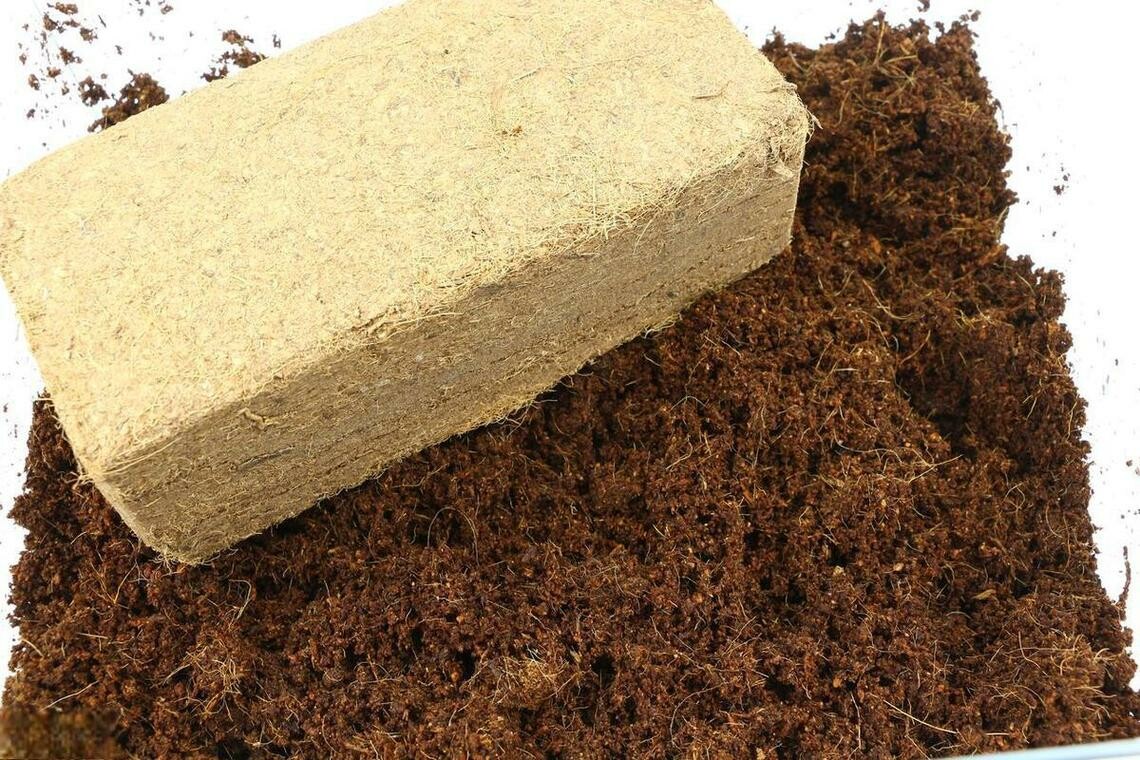
Turtles Preparing for Hibernation
Turtles that meet the conditions for hibernation can hibernate after arriving home. It is recommended that everyone first give the turtle a nutrient medicated bath referring to the text above, and then proceed with the following steps. Regarding hibernating new turtles, an explanation is provided for 2 situations:
Direct Hibernation
First, it must be clarified that direct hibernation does not mean the turtle hibernates immediately upon arrival. It refers to the situation where no heating is needed after arrival, and it is kept normally until hibernation.
Semi-Hibernation
Gradually lower the temperature for hibernation only after adapting to the environment and confirming there are no illnesses. The operation method when the turtle just arrives is referenced in the operation method for heated keeping above. The main operation methods for subsequent semi-hibernation are:
Stop Feeding
Keep the original temperature unchanged, stop feeding for at least 3 – 5 days, and then begin to gradually lower the temperature.
Clear Gut and Lower Temperature
Based on the original water temperature, similar to the heating operation when it first arrived, gradually lower the temperature.
Since the turtle still needs to clear its gut in the early stage, it is recommended to lower the temperature by only 1 degree Celsius per day.
Next, place the turtle tank in a warmer place in the home where the air conditioner is not on, and then turn off the heating rod. This operation is to minimize the temperature difference between the water temperature and the room temperature.
This semi-hibernation method is acceptable for both newly arrived turtles and relatively small turtles. The prerequisite is to control the process of heating up and cooling down well.

Handling Scheme for Northern Regions
For northern regions, the operation method for heating and cooling is the same as in the South, which is also a gradual adjustment. However, due to weather reasons in the North, many merchants will use heating packs to mail turtles. Therefore, for the northern regions, the operation after the turtle arrives is slightly different from the South.
Overwintering with Heating
With Heating Pack
After using a heating pack, the temperature inside the packaging box will be around 25 degrees Celsius. It is recommended that after the turtle arrives, first open a small gap in the packaging box and measure the temperature inside the box with a thermometer. If the temperature difference compared to the water temperature at room temperature is controlled within 3 degrees Celsius, you can refer to the above text: after the nutrient bath, directly put it into the water.
If the water temperature is much lower than the temperature inside the packaging box, it is recommended to use a heater to heat the water temperature until it matches the temperature inside the packaging box, and then put the turtle into the water.
The last situation is when the room temperature is much higher than the temperature inside the packaging box. In this situation, everyone can refer to the operation method for when no heating pack is placed.
No Heating Pack
In this situation, when the express delivery arrives home, the temperature inside the box is very low. So it is better for the adaptation time required by the turtle to be relatively longer. It is recommended to place the turtle, together with the packaging box, in a room-temperature environment and let it sit for about 1 hour. After that, open the packaging box, let it sit for another 0.5 hours or so, and then put the turtle into water at room temperature.
Subsequent Heating Issues
Generally speaking, after indoor heating is on in the North, the water temperature should be around 22 degrees Celsius – 26 degrees Celsius. Therefore, some turtle keepers will struggle with whether heating is needed.
We all know that for general water turtles, the most suitable temperature is 28 degrees Celsius – 31.5 degrees Celsius. At this temperature, the turtle’s overall metabolic capacity will be in the optimal state, and therefore it is not easy to get sick. If your water temperature does not reach 28 degrees Celsius, it is safer to use a heater to heat it to 28 degrees Celsius.
Heating in the North also has time periods, especially for residential areas using ground source heat pumps (a system utilizing geothermal energy for heating and cooling) and air energy (air source heat pumps, systems utilizing heat energy in the air for heating and cooling) for heating; they are not at a constant temperature for 24 hours a day. Even if there is heating indoors in the North, if the indoor temperature is not very stable and the fluctuation range of the temperature is greater than 2 degrees Celsius, I still recommend everyone use a heater to stabilize the temperature above 28 degrees Celsius, especially for small turtle hatchlings and tropical turtles. The water temperature for tropical turtles is best stabilized above 30 degrees Celsius, otherwise they will be relatively prone to skin rot.
However, if it is a relatively large sub-adult (referring to an individual close to adulthood but not yet fully mature) turtle (non-tropical turtle), and if the indoor temperature fluctuation is not large (fluctuation within 2 degrees Celsius), and the water temperature can be maintained above 26 degrees Celsius, you can consider not using a heater. But control the feeding frequency; feeding 2 – 3 times a week is fine.
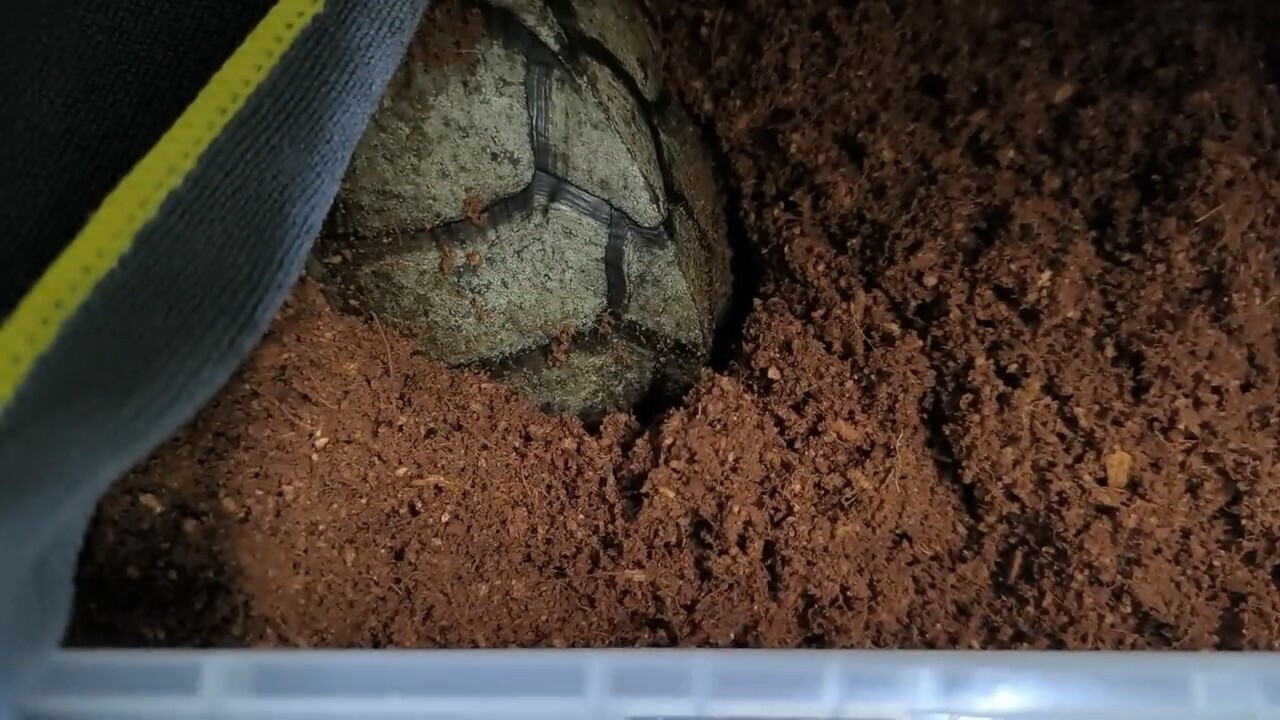
Turtles Preparing for Hibernation
For buying turtles in winter in the North, if you want to let the turtle hibernate, and there is a cold balcony or a wine cooler at home available for the turtle to hibernate, it is recommended to first transfer the turtle tank to the cold balcony, and then use a heater to gradually lower the temperature.
The specific operation steps are the same as in the text above. The key point is being able to provide the turtle with an environment that meets hibernation conditions and allows for gradual cooling. If it is inconvenient, then just use heated keeping. Regarding hibernation, I personally feel that one should not "force it" too much.
Precautions
Finally, let me remind everyone of 3 more points:
- When keeping turtles with heating in winter, one must attach importance to the temperature difference problem. Not setting up an out-of-water basking platform in the turtle tank and adding a lid to the turtle tank are both very good methods for controlling temperature difference.
- Whether preparing for heated keeping or preparing to let the turtle hibernate, it is recommended that everyone have a heater ready. Even if the turtle hibernates, the possibility of problems arising during the process cannot be ruled out. Once a problem arises, we need to switch to heated keeping, so having a heater keeps you prepared for any eventuality!
- For those choosing the semi-hibernation method, after the turtle arrives home, it must be kept normally for at least 1 month before starting the operation of stopping feeding, clearing the gut, and lowering the temperature. Never start cooling down immediately just 1 week after the temperature has just been brought up. Such an operation may potentially cause the turtle to become unwell and fall ill.
Finally, I wish everyone a wonderful winter!
Original article by 搬运工, if reproduced, please cite the source: https://www.kaipet.com/en/methods-handling-turtles-arriving-winter-3-steps-teach-safely-survive-danger-period