Coco Coir and Moss Hibernation Method
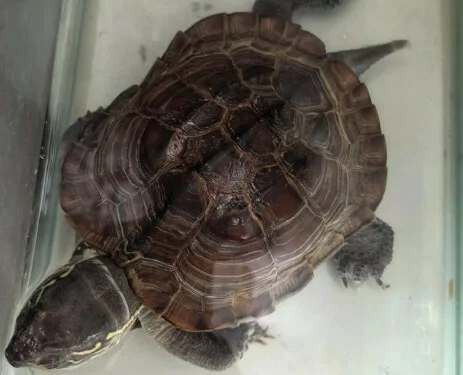
Sterilize the coco coir (a substrate made from coconut fiber, commonly used in gardening and reptile keeping), wash it clean, and squeeze out the excess water. Place the coco coir in a container in a fluffy state, keeping it moist. Subsequently, place the turtle on the coco coir, wait for it to burrow in, and then cover it with dampened moss. Regularly spray an appropriate amount of water on the moss to maintain its humidity.
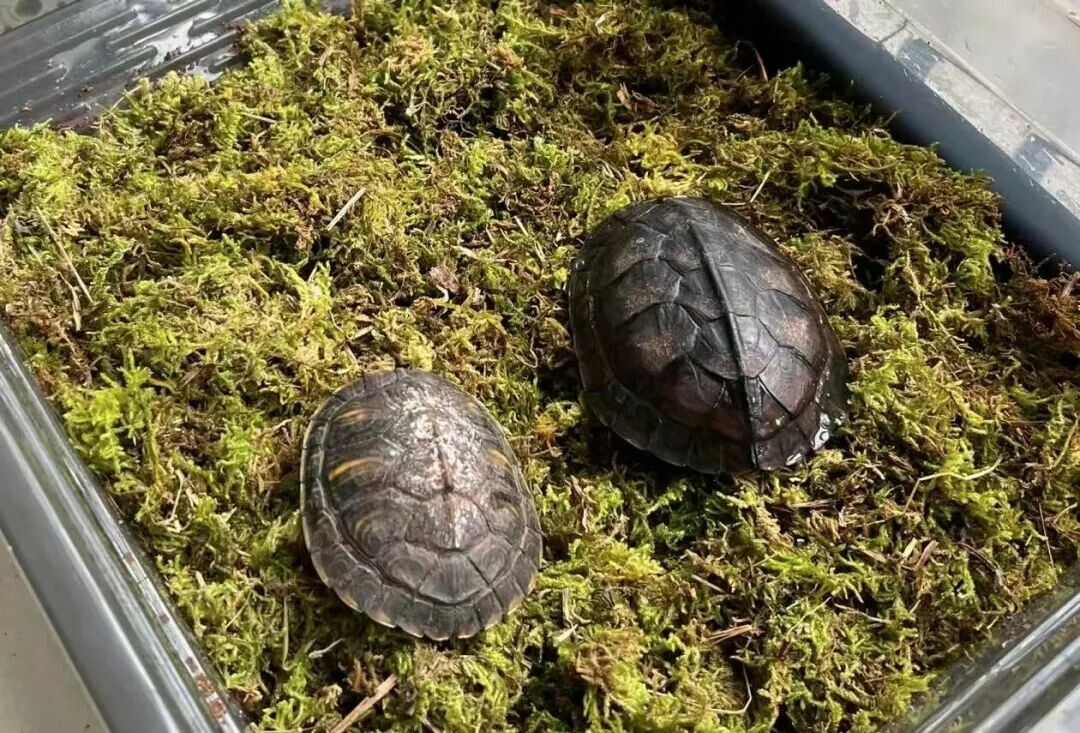
Pros: High moisture retention capability, a traditional method, provides a light-proof environment, making the turtle feel more secure.
Cons: Unable to check the turtle’s condition; inadequate sterilization may cause infection; instances of bug infestations have occurred.
Note: Hibernation is not necessary in tropical regions; normal rearing is sufficient.
Shallow Water Hibernation Method
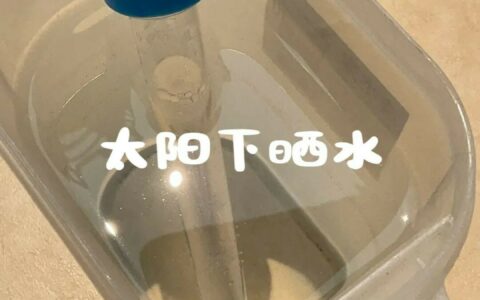
Add water to the container to a depth that covers the turtle by 2 centimeters. Place the container in a dark place, keeping it relatively quiet and the temperature constant. Put the turtle hatchling (an affectionate term for young or small turtles) into the water, and check the water quality regularly to prevent it from deteriorating.
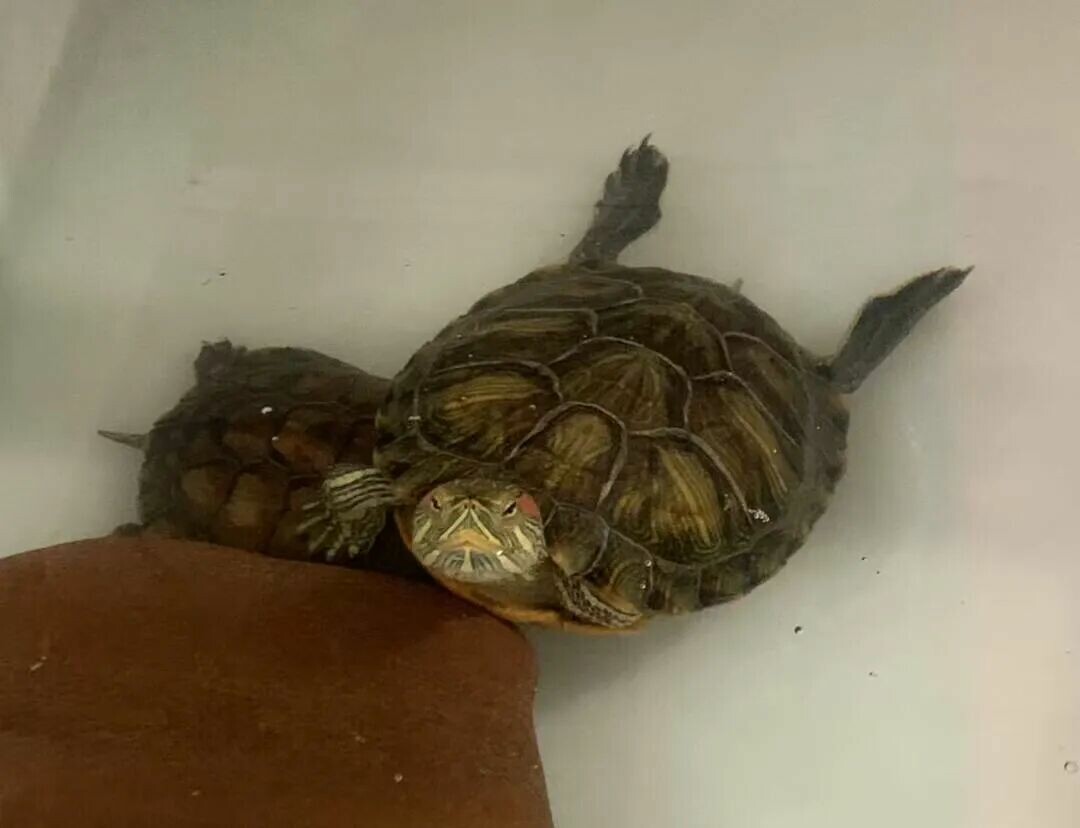
Pros: Simple and easy to operate; allows you to check the turtle’s status at any time, and decide whether to continue hibernation even if issues are detected.
Cons: Requires regular water changes and easily disturbs the turtle’s hibernation, thus requiring a relatively quiet environment.
Absorbent Resin Hibernation Method
Prepare the absorbent resin (a polymer material that can absorb and retain large amounts of water, commonly used in gardening, diapers, etc.) in a container according to the ratio. Place the hatchling on the absorbent resin and wait for the turtle to burrow in. Place the container in a dark place and cover it with a lid. Simply take it out when hibernation ends.
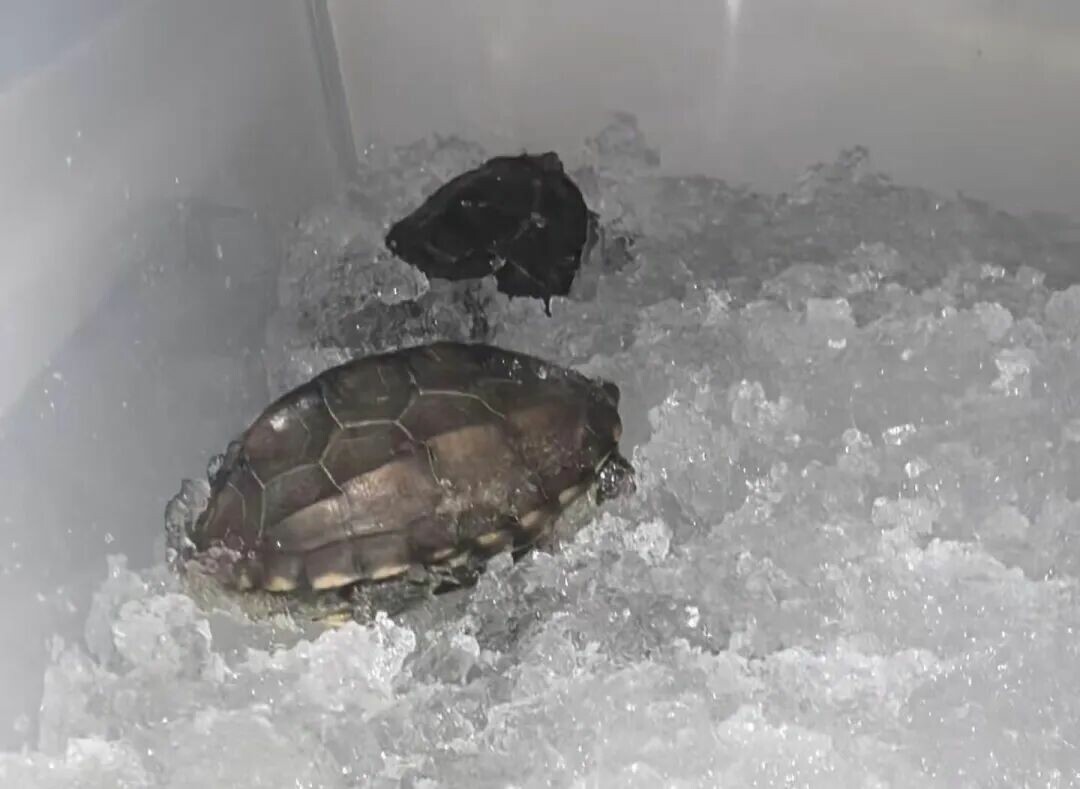
Pros: Good water retention, no need to add water midway, breathable, stable, not prone to spoilage, not prone to bugs.
Cons: Need to ensure the turtle is healthy before hibernation; unable to check the turtle’s condition midway, so you need to guarantee there are no problems from the start.
Hibernation Precautions
Turtle Hibernation Time
Most turtle species will enter hibernation between October and November and begin to wake up in early March or April. The hibernation period for most turtles is about 2-4 months long. However, this will vary depending on individual specific circumstances and region.
Duration of Hibernation Preparation Period
You should stop feeding the turtles 2-4 weeks before hibernation. Usually, the gut-clearing period for small-bodied turtles is relatively shorter, while adult tortoises may need 3-6 weeks to empty their stomach and intestines.
Temperature to Maintain During Hibernation
Under normal circumstances, the optimal temperature for turtle hibernation is 4.5 degrees Celsius. As long as the turtle is healthy, maintaining the entire hibernation process at 4.5-7 degrees Celsius is the most ideal state.
Weight Loss in Healthy Turtles During Hibernation
For healthy turtles, it is possible to lose 0-1% of their weight per month during hibernation. This is a normal state; for example, a 1kg turtle loses about 10g per month. If the turtle loses weight too quickly, relevant measures should be taken promptly to terminate hibernation.
Original article by 搬运工, if reproduced, please cite the source: https://www.kaipet.com/en/turtles-hibernate-3-methods-explained-mastering-temperature-time