

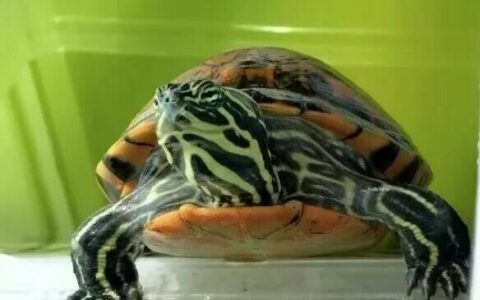
If it is your first time keeping a turtle and you want a hassle-free experience because you are afraid of killing the "little turtle," then choosing a Musk Turtle is simply the right move. Breeds like the Chinese Pond Turtle, Chinese Striped-neck Turtle, and Red-eared Slider are known as the "Street Stall Trio," but also as the "Ailment Trio"—if not cared for well, their mortality rate is extremely high.
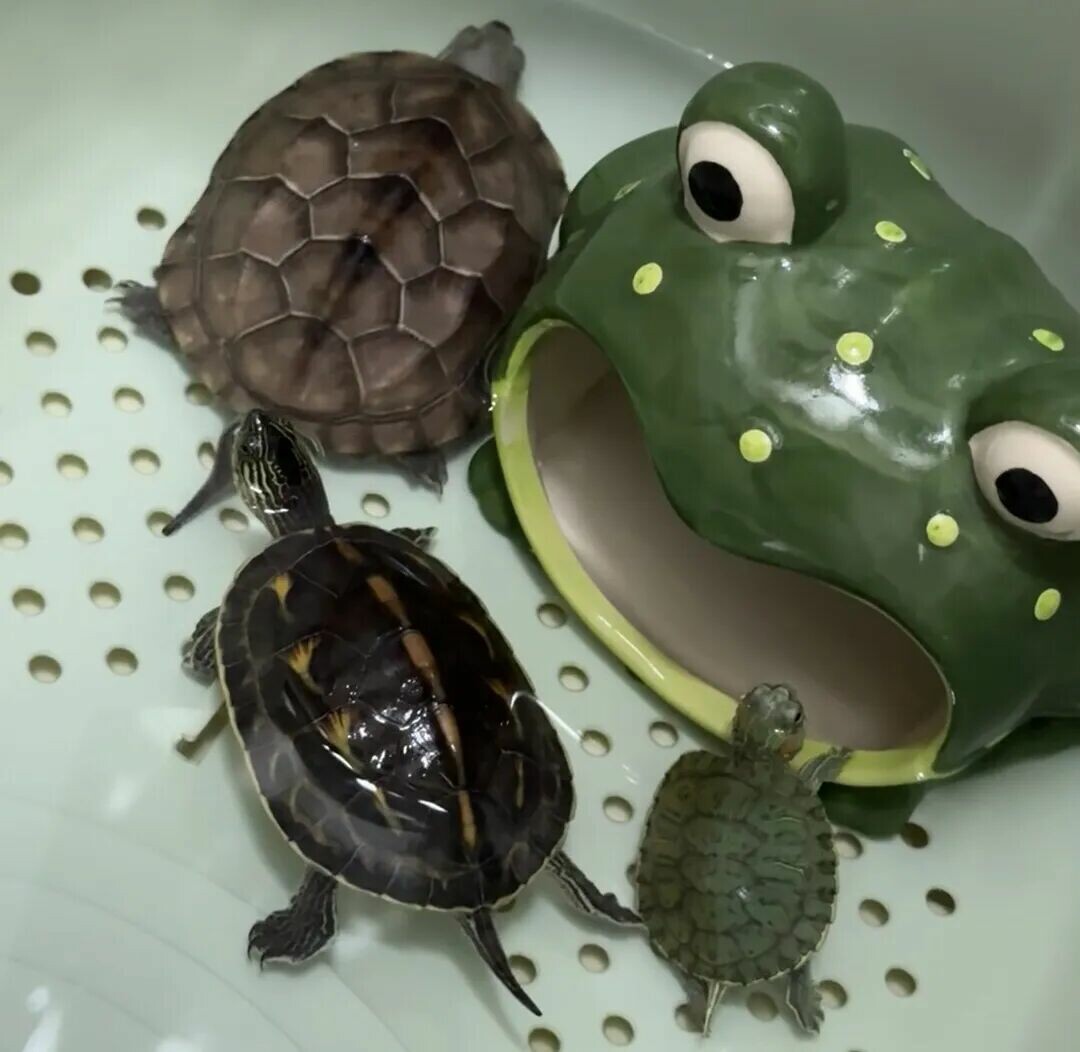
Beginners can keep the Musk Turtle breed; the price is not expensive—you can get one for several dozen to 100 yuan. Moreover, they are very easy to get started with and particularly worry-free; beginners definitely won’t go wrong raising one.
Water Quality and Feeding Management
When keeping turtles, water quality is crucial.
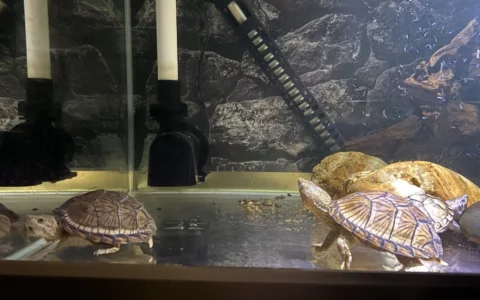
Here, if "your wallet allows" (meaning financial conditions permit), install a water filter. Don’t worry about the brand; as long as it can filter the water, it’s fine. If you want something simpler and more convenient, you can also prepare 2 basins to solve the problem.
Use 1 basin for the turtle to live and rest in, and the other for feeding. When feeding, grab the turtle and put it in the feeding basin. After feeding, wait for 2 to 3 hours until the turtle has fully excreted its waste before putting it back into the turtle basin.
New turtles are generally quite timid in unfamiliar environments. When feeding, don’t stare at the turtle initially. Wait until the turtle gets a bit more familiar and accustomed before you handle it. Once it approaches you as soon as you get close, you can sit nearby and watch it eat. If it is willing to eat, the turtle has basically "acknowledged its master" (meaning the turtle has developed trust and reliance on its owner).
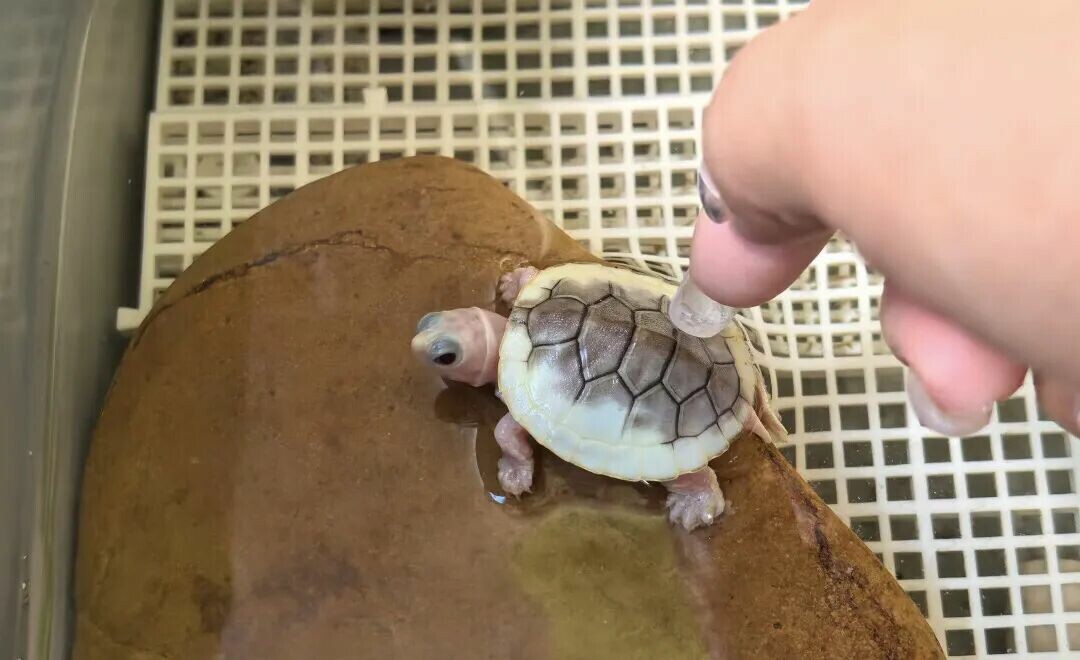
Turtle Overwintering Strategy
For turtles to overwinter, a shallow water method where the water level is 1 – 2 centimeters over the back is sufficient. Place the turtle in a corner and don’t disturb it. Peek at it secretly every half month to see if there are any issues. This method is much better than burying the turtle for winter, as problems can be discovered and handled earlier.
Whether it is a big turtle or a small turtle, never let the turtle be exposed to scorching sun.
Especially in winter, if you put it under the sun until its body is warm but the water is still cold, the sudden stress (non-specific reaction of an organism to changes in internal or external environments) can easily cause illness due to the temperature difference.
Actually, even if you don’t sun them daily in winter, it’s not a big problem; just occasionally feeding some dried shrimp to supplement calcium is fine.
Creating a Healthy Turtle Keeping Environment
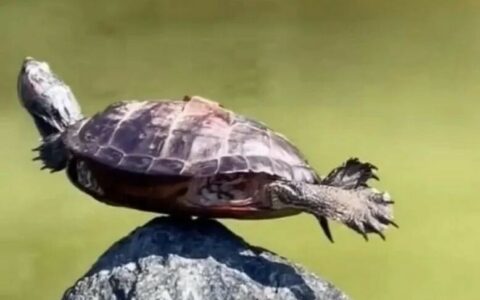
I set up a wall-mounted hydroponic basket in the tank and planted some Pennywort. If the turtle wants to bask, it will climb up. The grass grows very densely and can block a lot of sunlight. I put stones in the water so the turtle can breathe while standing on them; stacking the stones high allows it to bask in the sun too.
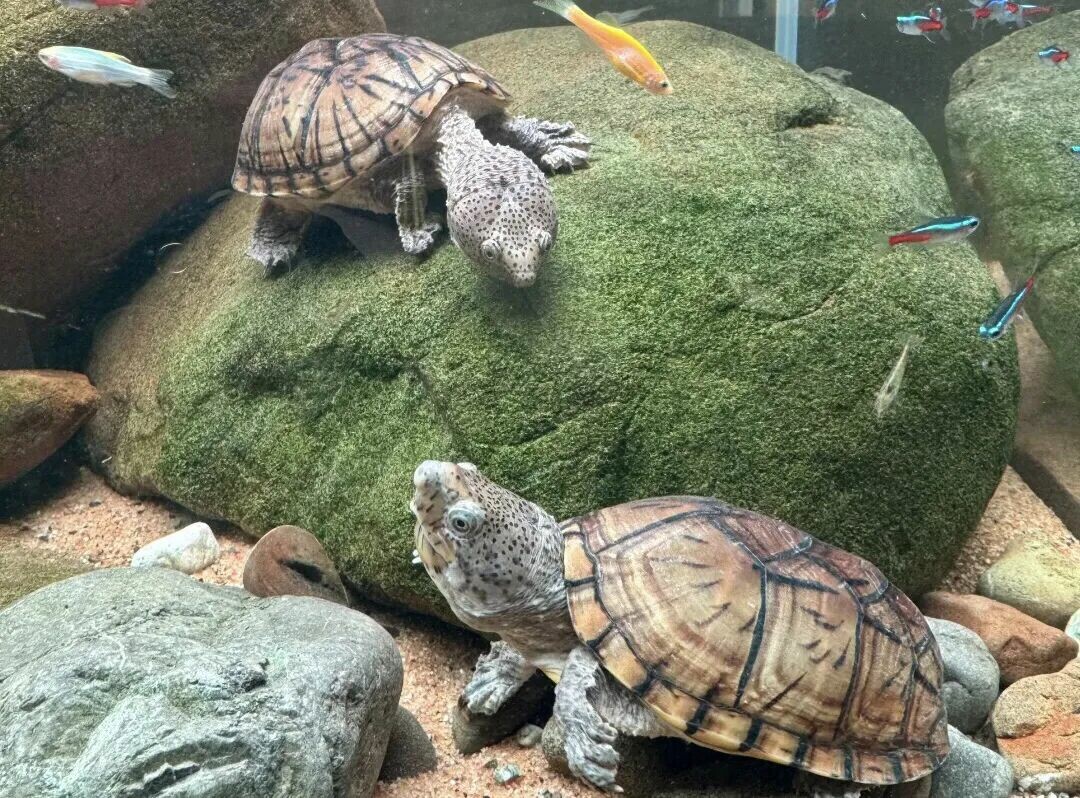
Make the water depth about 25 centimeters so the turtle can move around freely inside. Its carapace will become thick and high, its body will be sturdy, and its cardiopulmonary function will be better. Therefore, stable water quality, water temperature, and the turtle’s body temperature will allow the turtle to maintain good health.
Original article by 搬运工, if reproduced, please cite the source: https://www.kaipet.com/en/worried-killing-turtle-beginner-choose-musk-turtle-master-tips-alive-easily

Comments(1)
The two-basin feeding method sounds brilliant for water quality! I’m curious, does it take long for new turtles to adapt to it?