Choosing a parrot that suits you requires a comprehensive consideration of multiple factors. Different species of parrots vary greatly in body size, personality, vocalizations, and difficulty of care.
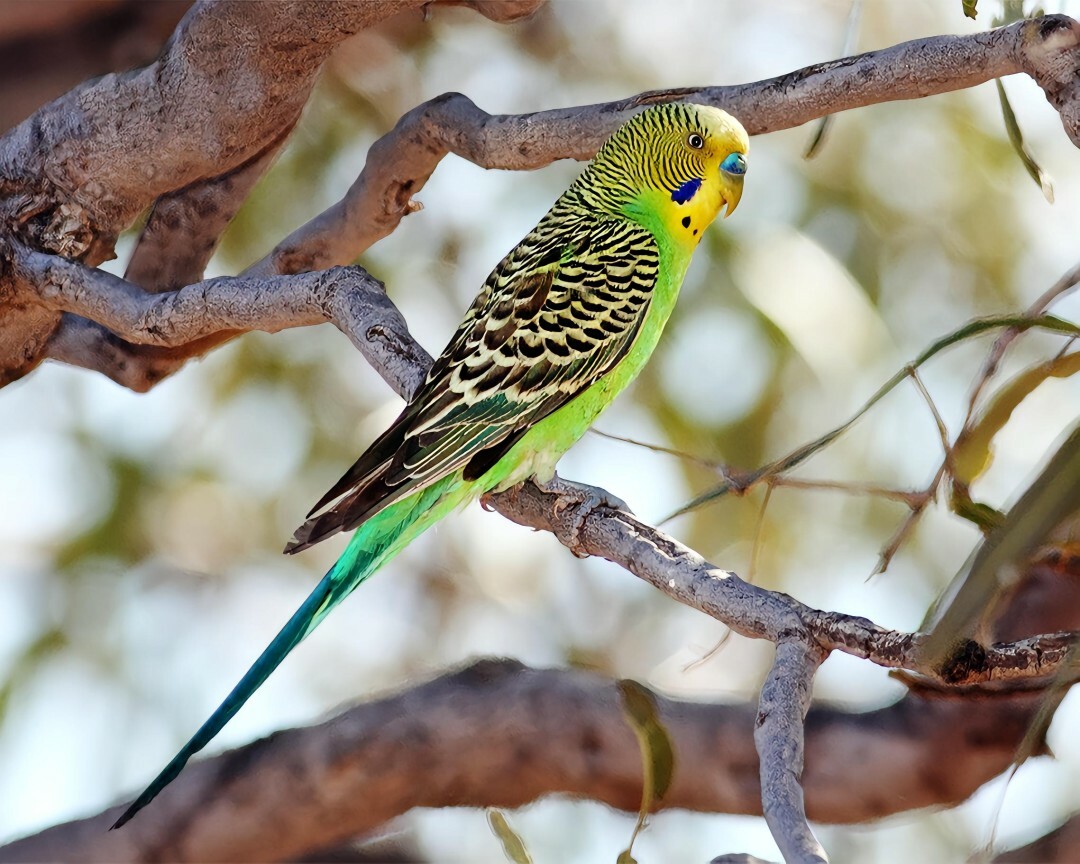
The Budgerigar (Budgie) is one of the most common pet parrots, featuring a petite size, rich colors, and an affordable price. Their heads are yellow with black stripes, cheek patches are blue, back and wing feathers are mainly black and yellow stripes, while the abdomen and tail are a vibrant green. Budgies are lively, active, and easy to care for, making them suitable for beginners and families.
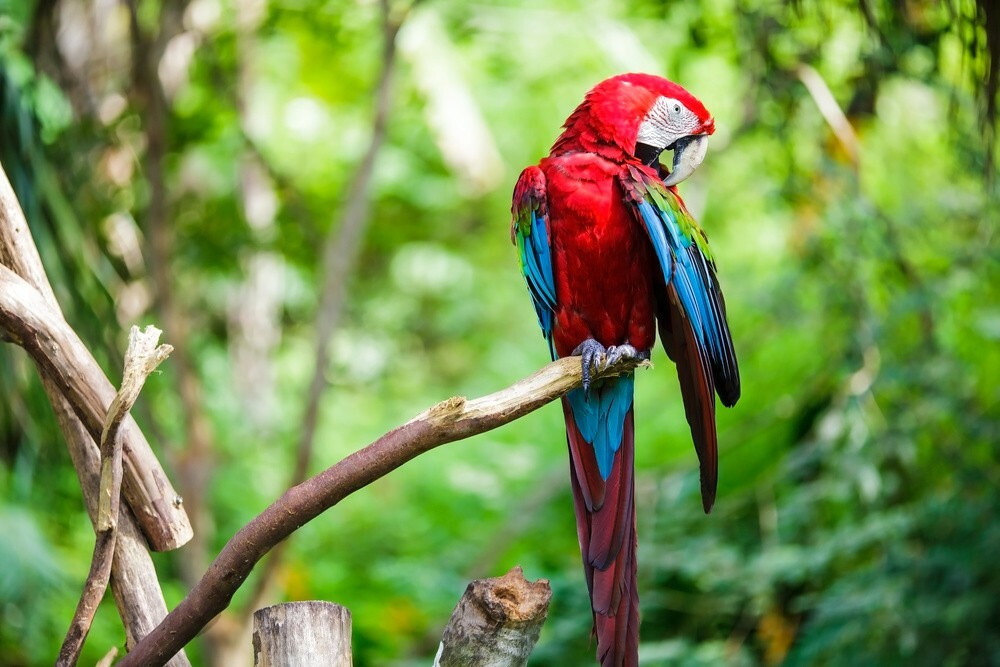
Macaws, on the other hand, are larger parrot species that are colorful and highly ornamental. Their heads and torsos are primarily a bright red, with white feathers on the face and a greyish-white, curved beak. Regarding their wings, the inner feathers are blue, the outer feathers have a green gradient, and the tail feathers are predominantly red with blue tips. Macaws are intelligent and lively, but they have loud calls, require a large amount of space for activity, and have higher maintenance costs, making them more suitable for experienced keepers.
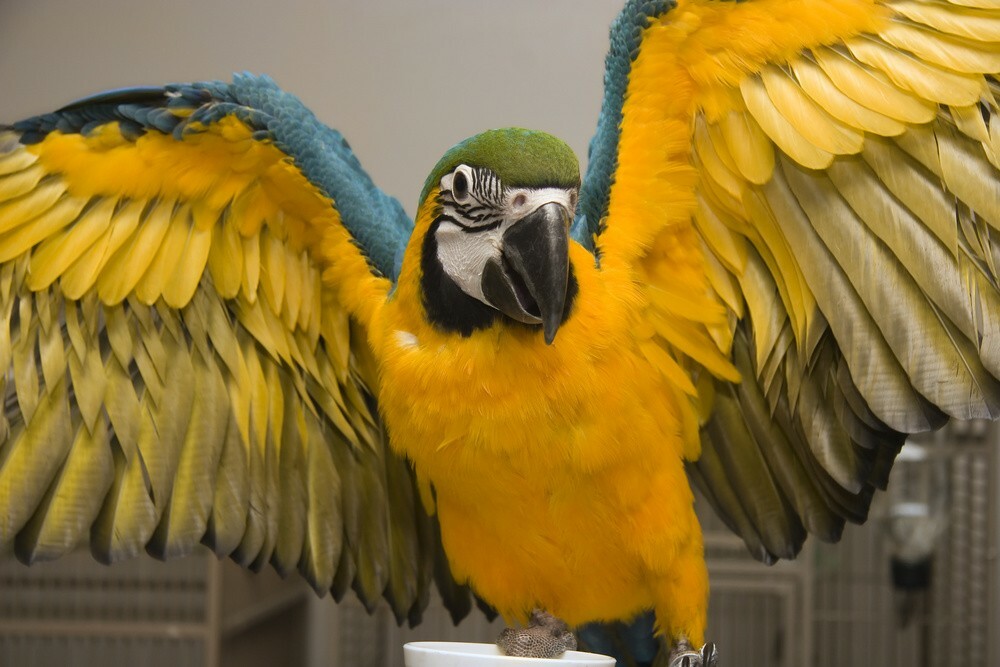
When choosing a parrot, in addition to considering the characteristics of the species, you must also consider your own keeping conditions and experience. If you are keeping a parrot for the first time, a Budgie might be the better choice; if you have enough space and experience, and appreciate the beauty and intelligence of large parrots, a Macaw is also a good choice. At the same time, regardless of which parrot you choose, ensure you purchase from reputable channels to ensure the health and legality of the parrot.
After selecting a parrot, temperature management is the core of care. As homeotherms, parrots are extremely sensitive to changes in ambient temperature, and a suitable thermal environment is the fundamental condition for guaranteeing their healthy growth.
Parrot Heat Stress Cases
Parrots are tropical birds, but this does not mean they can endure extreme heat. In fact, parrots are very sensitive to temperature, and heat stress can pose a serious threat to their health.
During an unusual heatwave last April, a friend and I took Mina, a Green-winged Macaw, and Benni, who has over 2,000 free-flight experiences, out for a walk. Mina was young and perhaps more eager to please us, following closely behind. Soon, we noticed Mina showing obvious symptoms of heat stress: she opened her beak to pant, spread her wings, and looked very uncomfortable. We hurriedly shortened the walk and returned home within 1 hour. Benni, on the other hand, cleverly flew into a tall tree and stayed deep in the shade; despite the high air temperature, his feathers felt cool to the touch.
Another case was something I saw when visiting a parrot boarding facility. On a scorching hot day, the caretaker at the facility moved 6 bird cages onto a south-facing terrace. The sun shone directly on the metal cages, yet no branches or shading were provided. The birds showed obvious signs of distress but could not escape the sun’s exposure. I offered advice to the caretaker, but she did not accept it, and I ultimately did not recommend this facility to my friends.
These cases tell us that even parrots from tropical regions need a suitable temperature environment. In high-temperature weather, you must ensure you provide shading and cooling measures for parrots to avoid them suffering harm from heat stress.
Methods to Cool Down Parrots
When a parrot shows signs of heat stress, it is very important to take effective cooling measures promptly. Here are some simple and practical methods for cooling down parrots.
Providing fresh, clean water is the most basic and important cooling method. Use a container large enough for the parrot to play in the water, but keep the water level low enough so they can stand. The water needs to be changed daily because warm water provides a fertile environment for bacterial breeding, especially when parrot feces fall into the water.
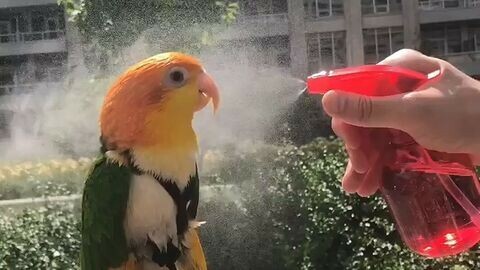
Mist cooling is also a good option. Using a spray bottle to spray a water mist around the parrot can increase air humidity and lower the ambient temperature. However, be aware that some parrots may be afraid of the spray, so when using mist cooling, observe the parrot’s reaction first; if they show discomfort, do not use this method.
Another “clever” cooling method is to spray leafy branches with rainwater or water, and then place the wet branches inside the cage. After placing the fresh, watered leafy branches in the cage, the parrot will dissipate heat by rolling in the wet leaves, simulating natural behavior in the wild. After the rain, my parrots often bathe on bamboo leaves; this method is both natural and effective for cooling.
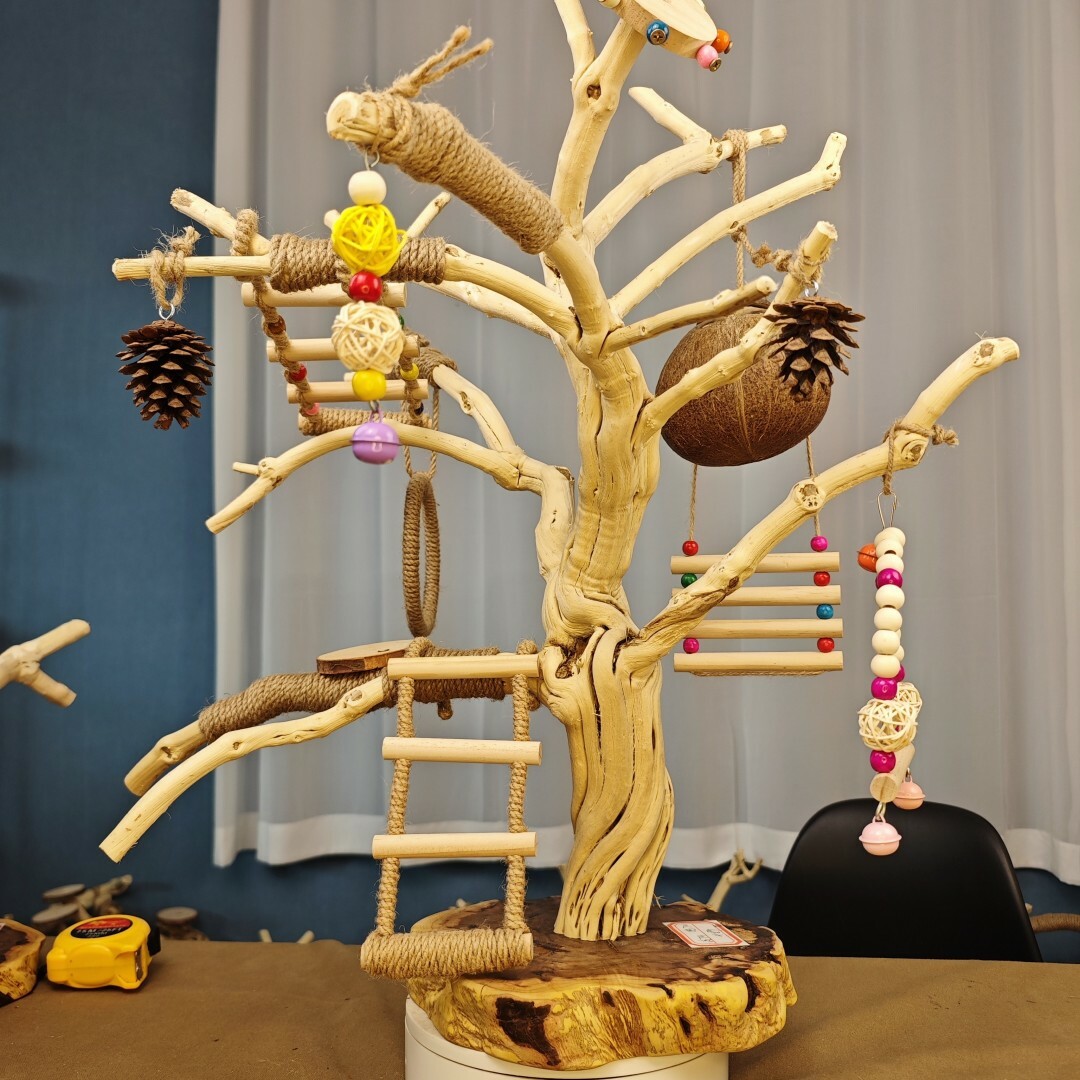
Additionally, you can help cool the parrot by adjusting the environment. For example, place the birdcage in a cool, ventilated place to avoid direct sunlight; place ice cubes or ice packs around the birdcage to lower the temperature through air convection; use a fan to increase air circulation, but be careful not to let the fan blow directly on the parrot to avoid it catching a cold.
Parrot Temperature Control
Indoor and outdoor temperature control for parrots is an important part of parrot keeping and needs to be adjusted according to different seasons and environments.
When keeping parrots indoors, pay attention to avoiding drafts. Drafts make parrots prone to catching colds, especially in extreme temperatures. If you open windows to let air circulate, make sure the birdcage is not located in a draft.
UVA lamps are important equipment for indoor parrot keeping. Although their initial cost is higher, they provide many health benefits. UVA lamps can simulate sunlight, providing parrots with necessary ultraviolet irradiation, promoting calcium absorption, and preventing diseases such as rickets. When Natalie Spencer adopted Dave, an Amazon parrot, she placed a UVA lamp on top of the cage where Dave liked to perch, which cured his chronic sinusitis. If your indoor birds do not regularly receive outdoor sunlight, a UV lamp offers a great solution.
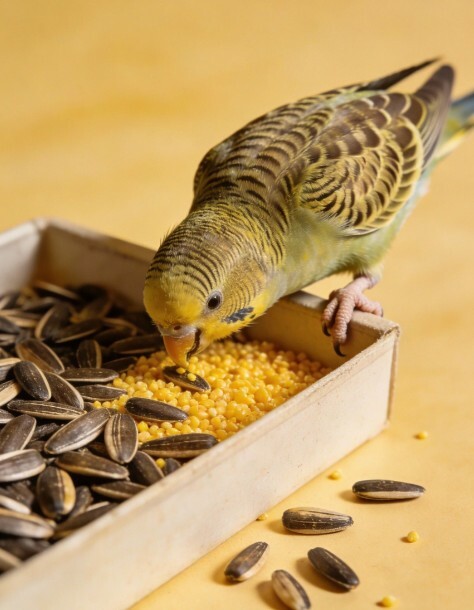
When keeping parrots outdoors, pay attention to providing a suitable environment. The birdcage should be placed under the shade of trees to avoid direct sunlight. You can build a sunshade above the birdcage or place some branches to provide dappled sunlight and shade for the parrot. At the same time, ensure the birdcage is well-ventilated to avoid stuffiness.
Parrot Winter Care
Winter parrot care requires special attention to keeping warm and dietary adjustments. Although a parrot’s body temperature is higher than a human’s, they still need a suitable temperature environment in cold weather.
Through researching the life cycles of wild birds, we have found that the temperature range parrots can endure is larger than we imagined. For example, in Australia, Cockatiels or Many-colored Parrots can endure temperatures ranging from just above freezing to 30 or 40 degrees. If introduced gradually over a few months, birds will adapt to colder or warmer temperatures; thus, parrots in colder aviaries will grow more feathers, and they will also fluff up like garden birds to keep warm.
In winter, indoor birds usually live in a constant temperature of around 15 to 20 degrees, and their diet does not require extra fat to stay warm. However, outdoor parrots and parakeets need more energy to resist the cold. I will feed them more sunflower seeds and “human-grade” monkey nuts (peanuts) to increase fat intake and help them maintain body temperature.
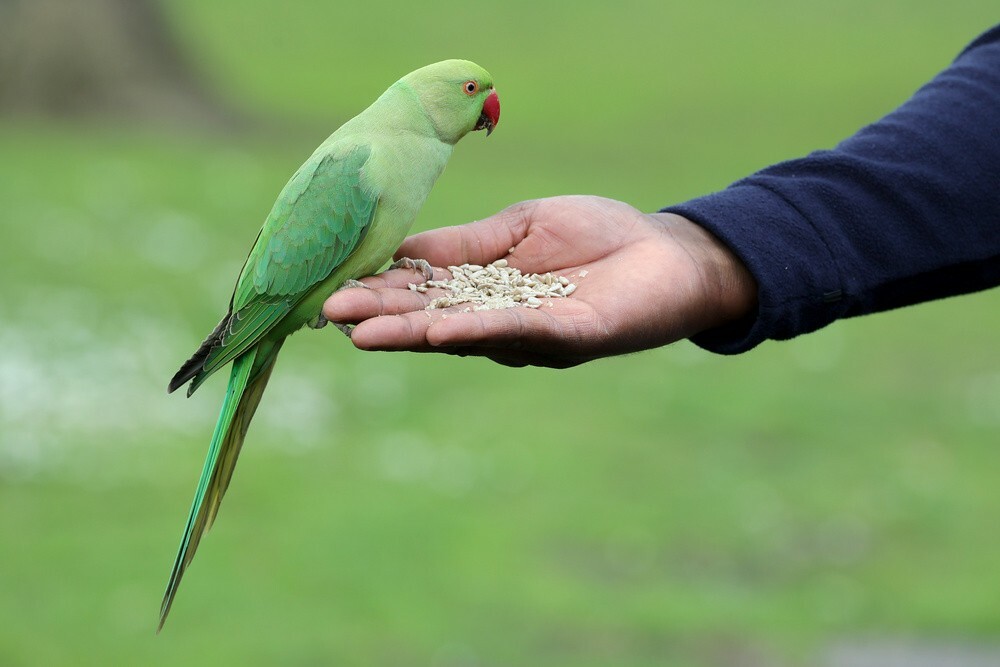
I used to use a greenhouse heater to heat my aviary, but because the parrots would never enter the heated shed unless I forced them, I stopped this practice. Since then, I have never lost a single bird to the cold. This indicates that parrots have a certain self-regulating ability, and we do not need to intervene excessively in their warming methods, as long as we provide a suitable environment and food.
In summary, choosing a parrot that suits you and managing temperature well requires us to understand the species characteristics and living habits of parrots, pay attention to their health status, and take effective measures in time. I hope the content of this article can help you keep parrots better, allowing them to live healthy and happy lives.
Original article by 搬运工, if reproduced, please cite the source: https://www.kaipet.com/en/beginners-guide-keeping-parrots-choosing-species-practical-4-season-temperature-control