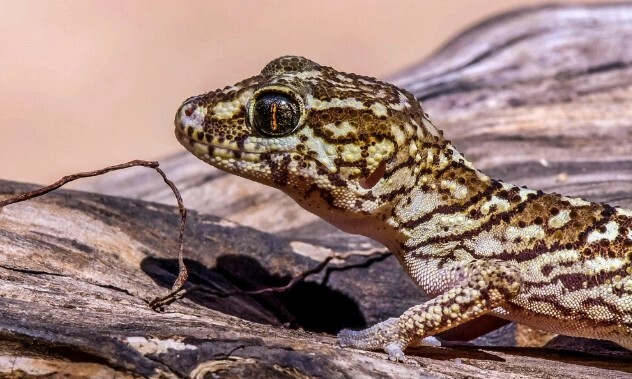
I have been keeping Leopard Geckos for nearly 10 years. I went from blindly buying things based on online articles at the beginning to figuring things out on my own, consulting seniors, and even running through pet markets at midnight just to buy food for my geckos. I’ve noticed that many beginners get stuck at the “gecko feeder recommendation” stage—the information is abundant and messy, so who should you trust? This article contains no sponsored content; it is purely my personal experience sharing. I will explain the pros and cons of several mainstream feeders, my hands-on trial experiences, and those feeding myths that rarely get mentioned, all at once.
Choosing the right feeder ensures your gecko is healthy, energetic, and has beautiful patterns; choosing or feeding wrongly can lead to pickiness and malnutrition at best, or illness at worst. This is by no means an exaggeration; my first gecko almost developed Metabolic Bone Disease (MBD) due to improper calcium supplementation.
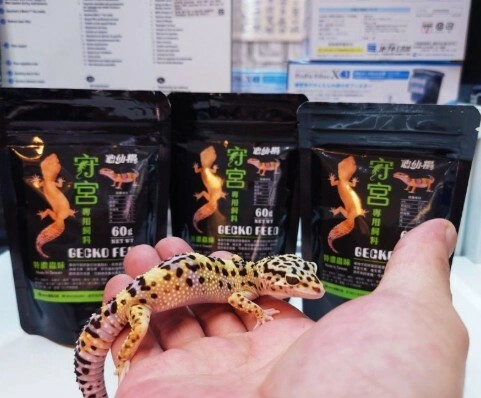
In-Depth Analysis of the Three Major Types of Gecko Feeders: Live Feeders, Artificial Diets, and Supplements
When it comes to gecko feeders, it’s never as simple as “just buy any kind to feed.” The market is mainly divided into 3 major categories, each with its own pros and cons.
Live Feeders: The Most Natural, and the Most Troublesome
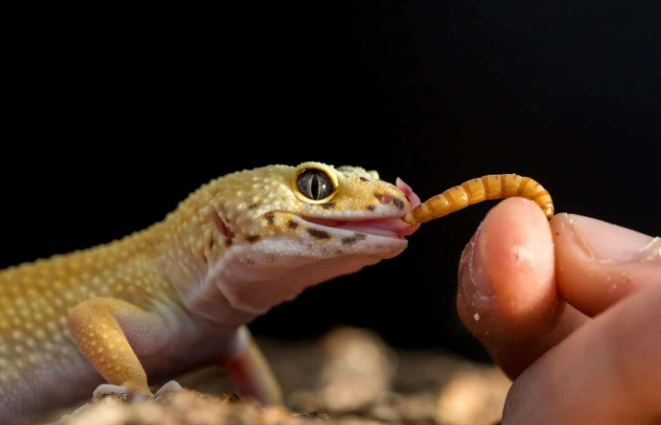
Mealworms, crickets, and Dubia cockroaches are the mainstream. The advantage is that they can stimulate the gecko’s hunting instinct and provide relatively comprehensive nutrition. However, there are many disadvantages: you need to keep the insects (which can have odors and noise), ensure the insects themselves eat well (i.e., “Gut Loading”), and “dust” them with calcium and vitamins before feeding. For office workers, cleaning insect bins on weekends is a nightmare.
I once had a neighbor knock on my door to ask if I had installed some strange equipment because the crickets were chirping too loudly. Since then, Dubia cockroaches (quiet, unable to fly) became my preferred live feeder, although I did need to overcome a psychological barrier at first.
Quick Look at Pros and Cons of Live Feeders
- Pros: Matches natural instincts, provides exercise, high moisture content (especially crickets).
- Cons: Troublesome husbandry and management, risk of escape (especially cockroaches), high long-term costs, and a huge challenge for owners who are afraid of bugs.
Powder / Paste Diets: A Revolution in Convenience
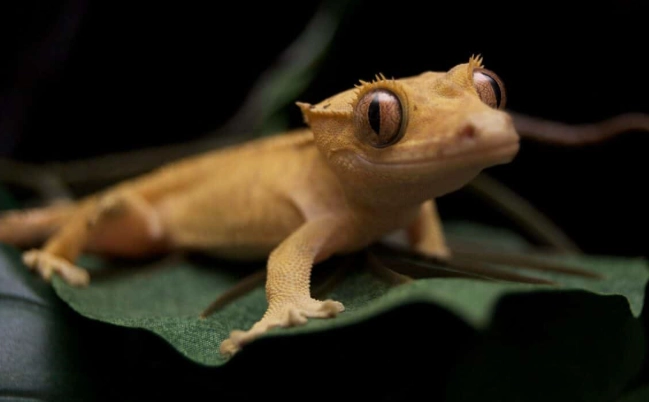
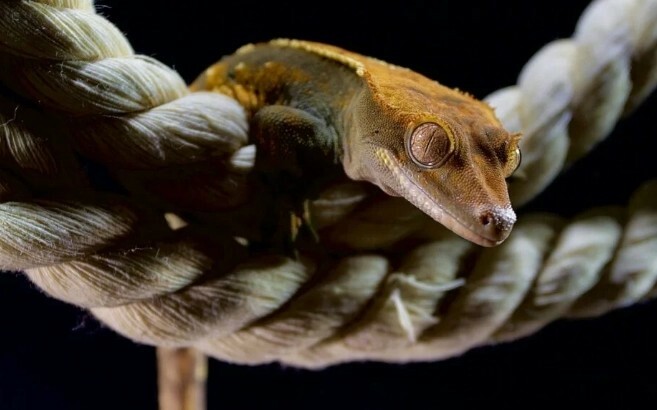
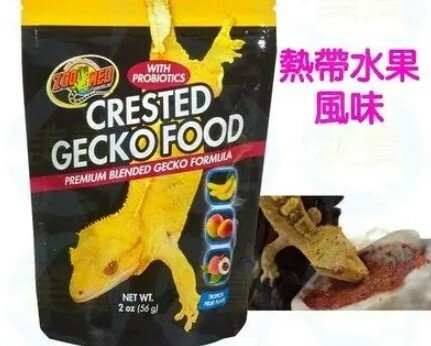
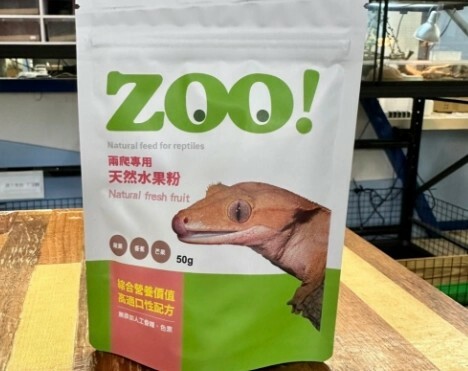
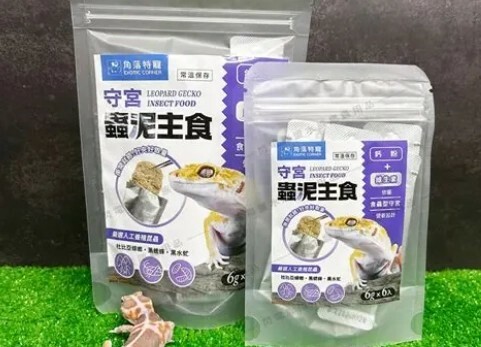
Products like Repashy’s “Grub Pie”or Pangea’s “Crested Gecko Diet.” Although these were originally developed for Crested Geckos, some manufacturers have now launched formulas specifically for Leopard Geckos. The method is to mix the powder with water to form a paste and feed it in a shallow dish.
The biggest advantage is extreme convenience. There’s no need to raise bugs, the nutritional ratios are usually very balanced, and storage is simple. But the problem lies in the fact that not every gecko will accept it. One gecko I raised from a hatchling accepts it readily, but another “old man” gecko I took in as an adult just sniffs it and walks away, preferring to go hungry for 2 days rather than take a bite.
Nutritional Supplements: The Top Priority
Although these are not the staple food, they determine the nutritional value of the staple. Regardless of whether a keeper feeds live prey or artificial diets, they almost cannot avoid these 2 bottles:
- Calcium Powder (without D3): Almost every live feeding requires a bit of dusting. The purpose is to supplement calcium and prevent Metabolic Bone Disease. It can be kept in a small box inside the enclosure at all times.
- Multivitamin Powder (with D3): Typically used 1-2 times per week. D3 helps with calcium absorption, which is especially important for enclosures without specialized UVB lighting. However, remember that excessive D3 can lead to toxicity and should not be used daily.
Here is a common mistake beginners make: buying “Calcium with D3” and dusting it daily. This leads to Vitamin D3 toxicity. Please make sure you purchase “Pure Calcium” for daily use and prepare a separate “Multivitamin Powder” for weekly supplementation. I have even seen a shop assistant at a pet store pick the wrong supplement and push it to a customer.
Personal Secret Gecko Feeder Recommendation List and Trial Reviews
Having discussed the types, let’s get straight to the useful info. Below are the products I have used, bought, or that have a good reputation in the reptile community over the years.
| Product Type / Name | Main Ingredients / Insect Species | Review and Precautions | Reference Price (Approx. CNY) | Purchase Channel |
|---|---|---|---|---|
| Live Feeder: Dubia Cockroaches | High protein, low fat, good calcium-to-phosphorus ratio | The most recommended live feeder. Quiet, unable to fly, easy to keep. Many size options. The downside is the higher unit price, and some find them psychologically difficult to accept. Let them sit for 1 hour before feeding to clear their gut. | Approx. 35-60 CNY per 100 pcs | Exotic pet stores, online shops |
| Live Feeder: Red Runner Roaches | Nutritional value similar to Dubias | Cheaper than Dubias, but can fly once adult and breed quickly. If they escape, they easily establish colonies indoors; not recommended for apartment dwellers. | Approx. 25-45 CNY per 100 pcs | Same as above |
| Live Feeder: Mealworms / Superworms | Relatively high fat, chitinous shells are harder to digest | Cheapest and easiest to obtain. However, the nutritional value is lower. Not recommended as a staple for juveniles, as it easily leads to indigestion. Adults can have them occasionally as treats. | Approx. 5-10 CNY per 50g | Flower and bird markets, aquarium shops |
| Artificial Diet: Repashy Grub Pie | Mainly Black Soldier Fly Larvae powder | One of the most accepted artificial diets. After mixing, it looks like thick oatmeal. My juveniles love it. The downside is that supply in China is sometimes unstable. | Approx. 90-120 CNY per 113g | Large reptile supply online shops |
| Artificial Diet: Pangea Leopard Gecko Diet | Contains insect powder, fruits, etc. | Specially designed for Leopard Geckos. There is a “with live insects” version. The insect version has higher acceptance but is more expensive. I tried the insect-free version, and my geckos were indifferent. | Approx. 70-90 CNY per 56g | Cross-border reptile shops |
| Supplements: Zoo Med Calcium (without D3) | Calcium Carbonate | An established product with stable quality. The powder is fine and adheres easily. Recommend buying small bottles because it clumps easily after opening due to moisture. | Approx. 50-70 CNY per 85g | E-commerce platforms, chain pet stores |
| Supplements: Repashy SuperVite | Multivitamin with D3 | The multivitamin powder I am currently using. The Vitamin A source is safe, and the formula is sophisticated. Use once a week; a little goes a long way. | Approx. 80-100 CNY per 42g | Professional reptile online shops |
After reading this, keepers might ask, which one is the best? My answer is: There is no best, only the most suitable plan for the keeper and the gecko’s lifestyle. If you have plenty of time and are not afraid of bugs, live prey (especially Dubias) is the first choice. If you want to save effort or your living situation makes it inconvenient to keep bugs, start trying with highly accepted artificial diets.
Juveniles, Adults, and Breeding Periods: Feeding Strategies Differ Greatly
Feeding frequency and content must not remain stagnant. If the method is wrong, you will see either stunted growth or excessive obesity.
Golden Rule: A gecko’s gastrointestinal system is more fragile than you think. It’s better to feed less than to feed too much. The width of a single feeder insect should not exceed the width of the gecko’s head. When you see the gecko’s belly slightly bulging, it’s time to stop.
Juvenile Geckos (0-6 months)
The growth stage requires large amounts of protein and calcium. It is recommended to feed once a day, or at least once every other day. Staples recommended are small Dubias or freshly molted white mealworms (their shells are soft and easy to digest at this time). Every meal must be dusted with calcium powder, and 2 meals per week should be dusted with multivitamin powder. If they are willing to eat artificial diets, these can serve as nutritional supplements.
Adult Geckos (Over 6 months)
Metabolism slows down, making obesity very easy. Feeding frequency should be reduced to once every 2-3 days. You can mix the feedings: one meal of Dubias, and try artificial diet for the next meal. Calcium powder should still be dusted every time, but multivitamin powder is only needed once a week. Regularly observe the thickness of the tail: a tail that is too thin may indicate malnutrition, while one that is too thick means it’s over-fat.
Breeding Female Geckos
This is the period of highest demand, as egg production consumes a large amount of calcium. Before the scheduled mating, the nutrition of the female gecko should be increased, especially calcium supplementation. During pregnancy and after laying eggs, it may even be necessary to provide additional calcium supplements (such as liquid calcium) and consult a professional exotic pet veterinarian. The quality of live feeders and nutritional supplementation at this time is crucial.
What to Do if a Gecko is a Picky Eater? Try These Folk Methods
8 out of 10 keepers will encounter pickiness issues. My experience is that rather than forcing it, it’s better to use some tricks.
Scenario 1: Only eats crickets, won’t eat Dubias or artificial diets.Try the “scent transfer method.” Put the Dubias or the diet spoon in the same box as the crickets for a while to let them pick up the cricket scent. Geckos sometimes identify food by smell.
Scenario 2: No interest in artificial diet.First, check the consistency. Too watery like water or too dry like powder won’t work; it should have the texture of yogurt or salad dressing. Secondly, gently smear a little on its mouth. Geckos have the habit of licking their environment; if it tastes good, it might start eating. You can also place a cricket with a broken leg on top of the diet to induce the gecko to come into contact with the diet while hunting.
Scenario 3: Sudden refusal to eat.This is an alarm! Check the environment first: Is the temperature too low (it shouldn’t be below 22°C at night)? Is it about to shed (eyes turning white and cloudy)? Is the defecation abnormal? If the environment is fine and the refusal to eat lasts more than 2 weeks, please take it directly to an Exotic Pet Clinic. Online consultations can easily delay the treatment of the condition.
To be honest, I have one gecko that is a die-hard “cricket extremist.” After trying all methods to no avail, I surrendered and dutifully raised crickets. Sometimes, respecting its personality is easier than forcing a change.
Feeder Storage and Feeding Safety: Don’t Ignore These Details
- Live Feeder Storage: Dubias need ventilated containers, egg crates, water, and food (dog food, oatmeal). Crickets need even better ventilation and fruits/vegetables for hydration, otherwise they will cannibalize. Live feeder containers should be kept in a cool place.
- Artificial Diet Preservation: After opening, be sure to seal it, put it in a ziplock bag before placing it in a jar, and store it in a cool, dry place; it’s best to use it up within 1 month. Do not continue feeding if it clumps due to moisture.
- Feeding Time: Geckos are crepuscular to nocturnal. Please feed after dusk, as this is when their appetite is strongest. Forcing them to eat during the day will increase their stress.
- Drinking Water: Keep clean drinking water available. Although geckos can get some moisture from food, providing a shallow water dish is a must; I often use a mineral water bottle cap.
Common Questions Regarding Gecko Feeders
Yes. The risk of a long-term, single-item diet of mealworms is very high. With high fat and a hard chitinous shell, juveniles find them hard to digest, which easily leads to constipation or intestinal blockage. Diet transition should be gradual: first fast it for one day (don’t exceed 2 days for juveniles), then provide freshly molted white mealworms dusted with calcium powder. Simultaneously, try to lure it with small Dubias that have been scented with mealworms, and be sure to observe its defecation throughout the process.
From a nutritional perspective, high-quality artificial diets can provide comprehensive nutrition and avoid the risk of parasites carried by live prey. However, in terms of “behavioral enrichment,” the hunting process provides mental stimulation. A compromise is to use artificial diet as the primary food (about 70%) and provide live feeders 1-2 times per week as “entertainment and treats.”
Absolutely not. Leopard Geckos are pure Insectivores; their digestive systems cannot process plant fibers. Feeding them fruits and vegetables can cause indigestion at best, or trigger intestinal flora imbalance at worst. What you saw might have been a video of someone feeding a “Crested Gecko”; do not confuse the species, as their dietary habits are worlds apart.
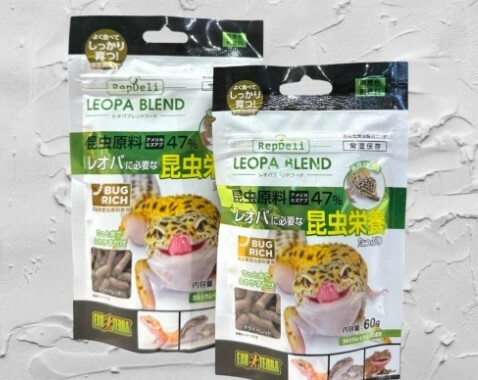
The key is not the country of origin but the brand’s reputation and ingredient labeling. Big brands like Zoo Med and Repashy have been tested by the market for a long time. Some domestic nutritional products meant for aquariums or birds are not suitable for reptiles; the D3 content and vitamin ratios might be incorrect. If there is a reputable domestic brand specifically for reptiles, you can certainly support it, but if ingredients are unclear or the price is too low, it is recommended not to risk a lot to save a little.
Perfectly normal! The white part is uric acid crystals (similar to bird droppings). To conserve water, geckos convert ammonia from protein metabolism into solid uric acid for excretion. As long as the main body of the stool (the dark part) is well-formed and the gecko’s vitality is normal, the white urate part indicates that its kidney function is operating well.
Having written this much about the tricks of gecko feeding, I have basically shared all my hidden gems of experience. There is no standard answer to keeping pets; the most important thing is to observe more and learn more. Seeing them grow up healthy provides a sense of achievement that is irreplaceable. If you have more questions, you are welcome to exchange ideas in the reptile community.
Original article by 搬运工, if reproduced, please cite the source: https://www.kaipet.com/en/gecko-feeder-recommendation-guide-comprehensive-review-live-feeders-artificial-diets-10-year-keepers-feeding-experience