


Dog diarrhea is one of the most common problems. Seeing your dog have diarrhea or finding blood in their stool can make you, as a parent, very worried about your pet! Don’t know what to do? Bookmark this article so you won’t feel lost when caring for a dog with diarrhea.
9 Common Causes of Dog Diarrhea
Dog has diarrhea? Pet parents are worried! There are many possible causes.
Breed Genetics – Poor Gastrointestinal Digestive Function
Dogs influenced by specific breed genetics are also more prone to intestinal sensitivity issues. If you encounter sudden diarrhea in your dog, it is recommended to purchase specialized nutritional formulas designed for specific breeds, which can reduce the occurrence of such situations.
Common dog breeds with sensitive stomachs include
- Poodle
- Shiba Inu
- Golden Retriever
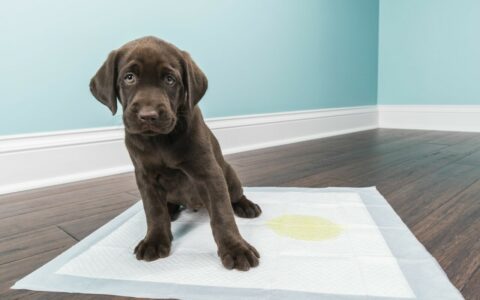
- Labrador Retriever
- Shih Tzu
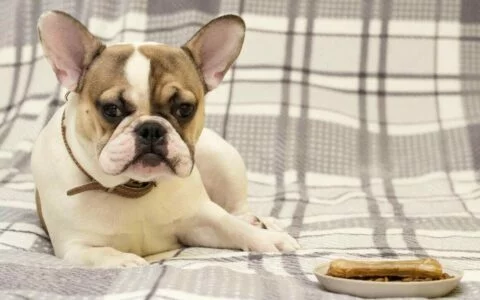
- French Bulldog
Too Young – Unstable Gut Flora
Since puppies’ intestines are not yet fully mature, they are relatively fragile and sensitive. The following situations may cause diarrhea in puppies:
- Getting nervous easily when encountering new environments.
- Getting too excited while playing.
- Eating cold or raw food.
- Eating food they are allergic to.
Changing Kibble / Changing Diet
Some kibble contains allergens or food additives, which may also cause diarrhea in dogs. If your dog has a sensitive intestinal tract, it is recommended to consider using hypoallergenic ingredients when choosing food and kibble.
If parents want to help their “kids” change kibble, they should also do so in a progressive manner. Because the nutritional composition of each kibble brand is different, sudden changes in feed may cause the dog’s stomach to be unable to adapt immediately, leading to diarrhea. Vets suggest: If pet parents want to change the feed, they can add a small amount of the new feed to the original feed, and then slowly change the ratio of new and old feed within 1 week. This can effectively avoid gastrointestinal discomfort caused by changing feed.

Accidental Ingestion of Foreign Objects or Poisoning
If a dog accidentally swallows foreign objects, such as toys, rubber bands, wires, small items, etc., because these items are indigestible, they can easily lead to intestinal obstruction, causing vomiting, stomach pain, and diarrhea in dogs.
In addition, if a dog accidentally eats household insecticides, drugs, or fruits toxic to dogs, it may also lead to poisoning and diarrhea.
Gastroenteritis
If it is confirmed that the diarrhea is caused by gastroenteritis, you need to take the dog to the vet as soon as possible for a more precise examination and treatment, so as not to delay the condition.
Sudden Change in Weather
Changes in weather, such as large temperature differences between day and night during seasonal transitions, can also easily cause diarrhea, intestinal sensitivity, and abnormal peristalsis in dogs. In winter, you can prepare a warm dog bed for your fur baby to provide a warm and suitable sleeping environment, which can also avoid and improve diarrhea caused by weather changes.
New Environment, Tension, and Anxiety
Tension and anxiety can also easily lead to diarrhea in dogs. It is best to bring personal items that make dogs and cats feel at ease, such as the cat’s small blanket, the dog’s toys, or plush dolls, so that when facing a brand new environment, the tension caused by unfamiliarity can be alleviated.
Parasitic Infection
Parasitic infection is also one of the most common causes of diarrhea in dogs.
Effects Caused by Other Chronic Diseases
Other diseases that trigger symptoms similar to gastroenteritis, such as peritonitis, kidney disease, pancreatitis, nephritis, viral infections, and parasitic infections, can all cause gastrointestinal discomfort and diarrhea symptoms in dogs. If parents cannot judge the cause of the dog’s diarrhea, it is still recommended to take the dog for medical treatment as soon as possible to clarify the cause of the diarrhea for early detection and early treatment.
Understanding What Healthy Poop Looks Like from 7 Stool Shapes
Learn to master the “4C Principle” for judging pet poop to clearly understand your dog’s health condition from their stool. The most important thing is to refer to the Bristol Stool Scale.
Coating
Check if the color inside and outside the stool is consistent or nearly consistent, and if there is no obvious color difference.
Contents
Observing this step might be a bit uncomfortable, but observing while the poop is still fresh makes it easiest to find “foreign objects” like parasites, hair, coins, etc. Like with our A-Mo, I often find my hair in its poop!
Consistency (Viscosity)
The observation of viscosity is the shape! According to the “Bristol Stool Scale” published by the Department of Medicine at the University of Bristol Royal Infirmary in 1997, this is the authority on poop classification worldwide. Doctors all over the world use this classification as a reference for assessing stool. Bristol physicians divided “human stool” into seven major categories, and this classification theory can also be applied to the poop of fur babies!
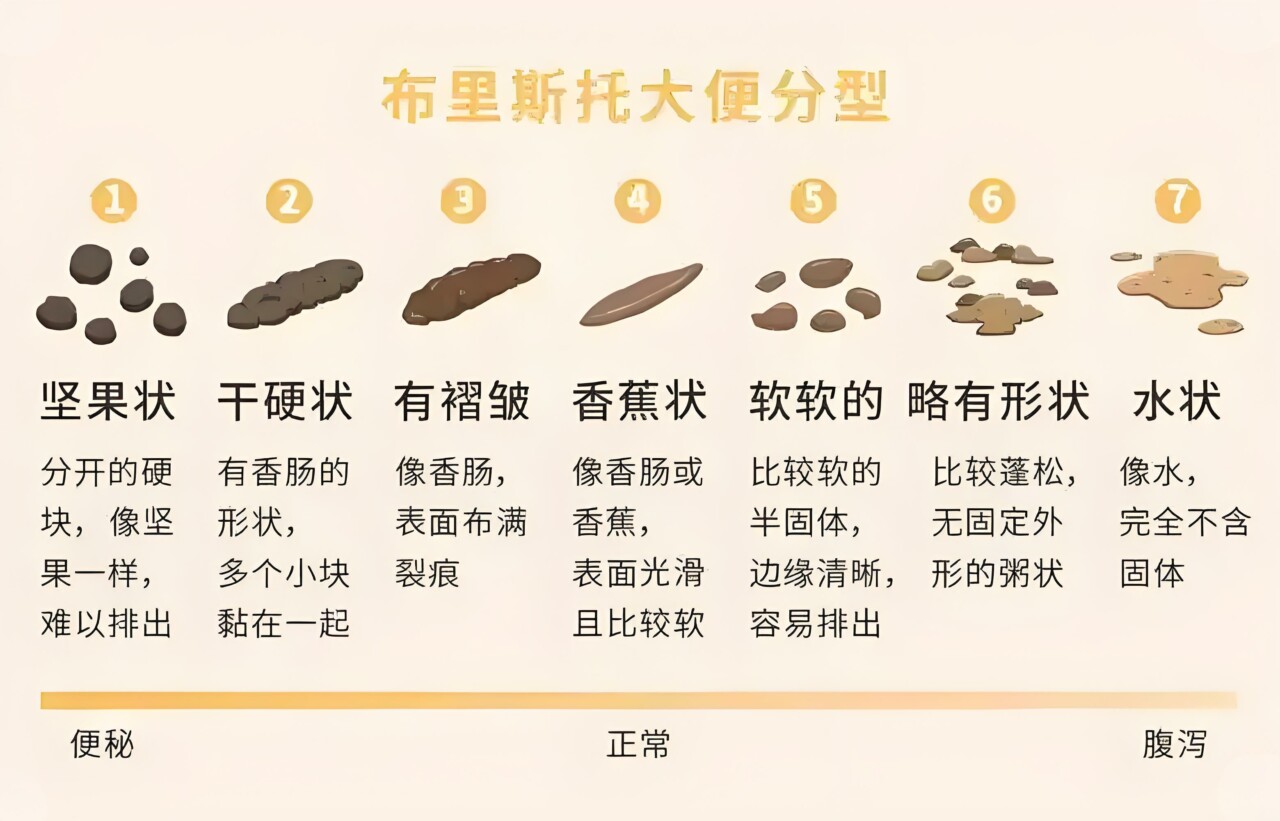
Poop has something to say; does pet poop hold so many secrets?
Type 1: Dry, hard, granular
This may be due to a lack of water and dietary fiber, causing slow gastrointestinal motility, thus appearing granular.
Type 2: Sausage-shaped, “lumpy” surface
That is because it stayed in the intestine for too long, making the appearance bumpy and rough. If your baby’s poop belongs to the Type 1 and Type 2 just mentioned, it indicates a crisis of constipation!
Type 3: Also sausage-shaped, but with “cracks” on the surface
Although it is still a little dry, generally speaking, it is very close to the standard range. It would be even better if a little more water could be replenished!
Type 4: Sausage-shaped or snake-like strip, surface presents a “smooth feeling”
Congratulations, Daddy and Mommy, your baby’s poop is very healthy!
Type 5: Soft blobs with very clear edges
If it belongs to this category, it indicates a phenomenon of slightly soft stool.
Type 6: “Mushy”, with very fluffy edges
This is an obvious phenomenon of diarrhea! Pay attention! Over the long term, this will cause dehydration and malnutrition in your babies.
Type 7: Completely “liquid”, no solid shape
Represents severe diarrhea. In addition to liquid poop, it may even produce a foul odor. Types 5 through 7 indicate mild to severe diarrhea.
You can try a “low-fat, high-fiber diet” and adjust meal times to small, frequent meals, or add supplements like probiotics to food to improve intestinal health. However, if your baby has symptoms such as loss of appetite, vomiting, and weight loss accompanying the diarrhea, or if the diarrhea continues for a period without improvement, you must take them to the veterinary hospital for a consultation!
Color
In addition to looking at the shape, you also need to look at the color to understand the information about your baby’s physical health! You can refer to our color card~ Pay special attention to observe when picking up poop! It is divided into 7 colors, representing 7 conditions:
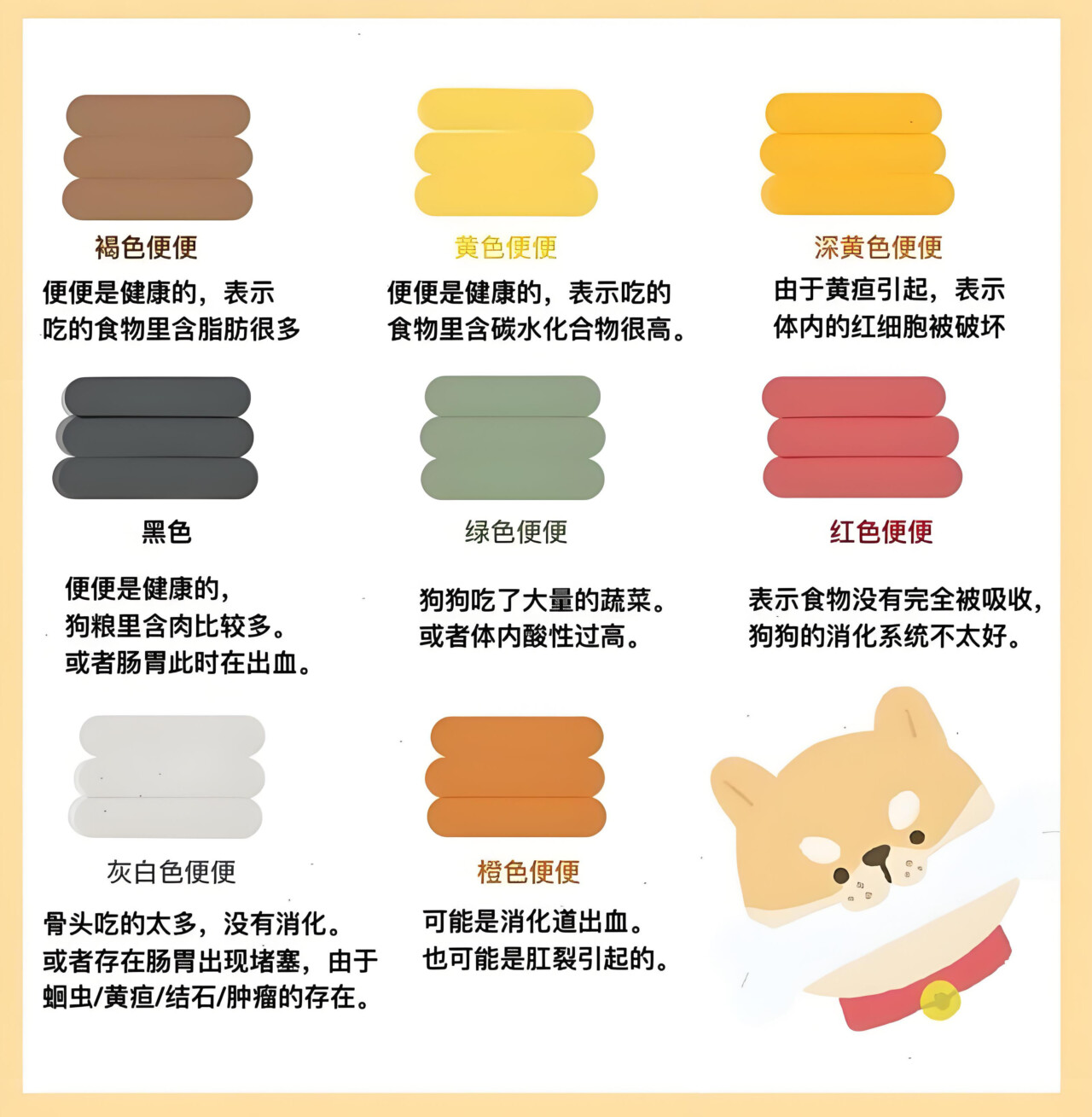
Yellow
This is a healthy color.
Brown
Dogs excreting poop in yellowish-brown and brown colors indicates that the dog’s bile secretion is normal and the stomach is very healthy. However, if the shape of the stool is too loose or too soft, you need to pay attention to whether there is indigestion. For details, please refer to the stool shape analysis in the next section. Usually, seeing brown represents normal digestion for the dog and is the color of normal poop.
Orange
Orange-yellow poop may also be caused by dietary factors, such as food with yellow hues like corn, rice, and carrots. But if dietary factors are ruled out, it may be indigestion, or it could be a sign of pancreatitis or gallbladder problems.
Red [Color to Watch Out For]
If a dog eats food containing red pigment, such as tomatoes, watermelon, dragon fruit, etc., it may turn the poop red. However, if dietary factors are ruled out and the owner finds that the poop contains red mucus or blood streaks, it may be lower gastrointestinal bleeding or anal bleeding. If the baby is lethargic and accompanied by a fever, it is very likely to be acute gastroenteritis. It is recommended to take the fur child to the veterinary hospital for further examination.
Black
Black dog poop may be due to eating foods and drugs with high iron content, such as beef, spinach, iron supplements, etc. Of course, in addition to diet, another possibility is upper gastrointestinal bleeding in the dog; blood turns black like iron-containing food after digestion. Therefore, owners need to pay attention to the dog’s vitality and appetite, and if there is any abnormality, it is recommended to ask a veterinarian for an examination.
Green
Green dog poop may be because of ingesting too much green pigment, such as eating too much grass or dark green vegetables. Owners can observe the dog’s reaction and stool color over the next few days. If the dog’s vitality is normal and the poop gradually turns brown, it means improvement. If accompanied by diarrhea, or if taking antibiotics, or if rat poison has been eaten, it may turn the poop green; please take the dog to the vet immediately!
Gray
Intestinal obstruction caused by jaundice, stones, biliary sclerosis, etc., causes bile to be unable to be discharged, resulting in white-gray poop. Just like humans, the yellow-brown color in dog feces actually comes from bile in the body. Therefore, if the poop loses color and takes on a gray-white appearance, it is very likely that the pancreas or liver is inflamed, leading to bile duct obstruction where bile cannot successfully mix into the feces for excretion. This belongs to the type of stool that requires sending to a veterinary hospital for examination as soon as possible.
Does Diarrhea Equal Dog Gastroenteritis? What to Do If There Is Blood in Stool?
When a dog presents the following four situations, it is extremely likely to be suffering from a gastroenteritis reaction:
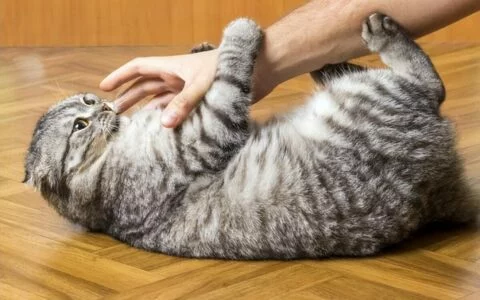
- Strange arched back posture appearing (or constantly pressing the belly against the cold ground).
- Passing water-like stool with a strong foul odor.
- Unexplained vomiting.
- Body temperature rising to a fever.
When an owner sees a dog vomiting and having diarrhea, along with the above symptoms, it means this may not be ordinary dog diarrhea. You need to be alert immediately, take the dog to the veterinary hospital as soon as possible to seize the golden treatment period, and seek treatment from a veterinarian.

Dog Gastroenteritis Treatment and Notes for Medical Visits
When a dog has gastroenteritis, the veterinarian will give antibiotics or anti-inflammatory and anti-diarrheal drugs. If the gastroenteritis is caused by parasites, a course of deworming medicine will be given. During treatment, the dog should reduce food intake (or fast). In addition to taking the medicine prescribed by the veterinarian, adequate nutritional supplements and hydration should be provided. If treated with antibiotics, canine probiotics should be given for a period of time after the antibiotic course ends.
Because antibiotics easily inhibit and change the balance of the bacterial flora in the dog’s own digestive system, it is best to supplement with probiotics after taking antibiotics to help maintain good bacteria in the intestines and build natural immunity.
When Should You Take Your Dog to the Doctor?
Many dogs recover on their own within 1-2 days after having diarrhea, so if a healthy dog suddenly has diarrhea, the owner does not necessarily have to rush to take the dog to the doctor. You can observe whether the dog’s appetite and activity level decrease afterwards before making a further decision. If the dog meets the following 3 situations, it is recommended to seek medical examination as soon as possible:
- The dog has had continuous diarrhea for more than 2 days and shows other symptoms suspected of gastroenteritis, such as bloody stool, vomiting, weakness, loss of appetite, etc.
- The dog has severe abdominal pain and symptoms of vomiting and diarrhea, and the owner discovers that the dog may have accidentally ingested foreign objects or medicines; it is recommended to seek emergency medical attention, as this is the most dangerous situation.
- The dog itself has chronic diseases or cancer, such as diabetes, acute/chronic kidney disease, pancreatitis, etc. Once diarrhea occurs more than 2 times, it is recommended to seek medical examination.
What Can Dogs Eat When They Have Diarrhea?
Caring for a dog’s stomach is like caring for your own; try to avoid excessive seasoning or foods that dogs cannot eat, such as raw food.
Especially after a dog has diarrhea or gastroenteritis, you should pay more attention to the dog’s dietary condition. You can prepare the following foods to help the dog absorb the necessary nutrients:
- Rice noodle water: Boil high-quality rice noodles in a large amount of water, remove the grains, and give the remaining white soup to the dog.
- White rice.
- Mashed pumpkin / Mashed sweet potato.
- Additive-free, unsweetened yogurt containing beneficial bacteria.
- Pet probiotics, good bacteria that help with digestion and regulate the intestines and stomach.
- High-quality protein sources: Boiled eggs or chicken.
- Herbs like fennel have properties that soothe the stomach.
- Functional formula kibble containing pet probiotics.
What to Prepare Before Going to the Vet?
When you decide to take your dog to the veterinary hospital for an examination, owners can first use the 6 questions below to quickly grasp key information, helping the veterinarian judge the dog’s situation more precisely and prescribe suitable medication.
- When did the dog start having diarrhea?
- Has the dog’s diarrhea become more severe? Have any other symptoms been discovered?
- What are the shape and color of the dog’s stool? (Taking photos is recommended)
- Is the dog currently taking any medicine? Is there any relevant medical history?
- Has the dog recently rummaged through trash cans or kitchen waste bins? Has any situation of accidental ingestion of foreign objects been discovered?
- Have there been any changes in the dog’s recent diet? Has it eaten human food?
- Digestible Formula: Choose an easily digestible formula and combine it with small, frequent feedings to help maintain digestive function.
- Low-Fat Design: Helps maintain digestive health in acute pancreatitis and for dogs needing fat restriction; additionally, low-calorie content helps maintain ideal body weight.
- Contains Sufficient Fiber Content: Added balanced fiber content absorbs excess water in the intestines and helps stool formation.
- Choose 100% Verified Additive-Free Pet Probiotics Designed Exclusively for Fur Kids: Insist on zero additives to effectively avoid artificial chemical additives and refuse food additives that easily cause abnormal gastrointestinal motility in fur kids.
Original article by KPTer, if reproduced, please cite the source: https://www.kaipet.com/en/dog-diarrhea-gastroenteritis-9-common-solutions



Comments(1)
Such a comprehensive article! For accidental ingestion, are there any immediate home remedies parents can try while rushing to the vet?