

Puppy Toilet Training Methods: The Ultimate Guide to Teaching Your Puppy to Go
Puppies typically need to eliminate about 30 minutes after eating or about 15 minutes after drinking. You should pay special attention during these times.
If you notice your puppy sniffing around the floor, be on high alert—it’s looking for a spot to relieve itself.
In addition, puppies often eliminate once after waking up (both pee and poop). Therefore, once your puppy wakes up, carry it to the designated toileting area and let it stay there for a while. Use a distinctive tone and give a verbal cue such as “Go potty!” (be consistent with this cue even as your puppy grows—dogs truly learn and respond). Over time, your puppy will associate this cue with going to the toilet.

Training with Pee Pads and Newspaper Sheets
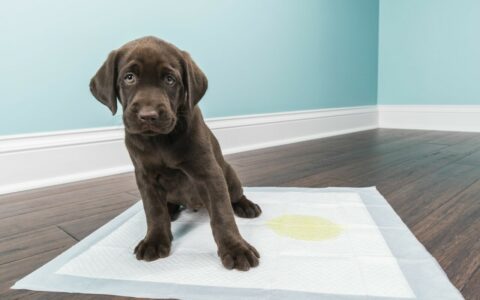
Puppies eliminate very frequently, so many owners prefer to start by having them use pee pads or newspaper sheets indoors. Some puppies readily use the pads, while others dislike them intensely.
At first, the puppy does not understand that the newspaper is for elimination. When it soils a sheet, save that soiled sheet and place it on top of a stack of about 7–8 sheets of clean newspaper—do not discard it yet. The next time you see your puppy sniffing around, pick it up and place it on the newspaper. It will sniff the soiled sheet. Stay nearby: if it attempts to leave, gently put it back on the paper.
Initially, you can spread the newspaper over a larger area, gradually reducing its size.
Whenever you observe your puppy about to eliminate (sniffing around) or actually eliminating in the wrong place, immediately pick it up and place it on the newspaper.
Keep one sheet soiled with its waste on the stack each day. After a few days, your puppy will learn to go on the newspaper. Once it is familiar, congratulations—Step One is complete. You may then use only clean sheets, as the puppy will recognize the paper’s scent as the cue to eliminate.
Gradually Reducing the Area and Transitioning Outdoors
Next, gradually reduce the newspaper area (from two sheets to one sheet, then to half a sheet). Move the newspaper closer to the door bit by bit. Once your puppy is accustomed to eliminating on the paper by the door, remove it entirely. When your puppy goes to the door looking for the paper, immediately take it outside to eliminate.
Establishing Regular Outdoor Break Times
Select five consistent times each day to take your puppy outside (ideally 20–30 minutes after meals). If your puppy needs to go outside at other times, take it out then as well—these are considered extra outings beyond the scheduled five.
Use your toileting cue consistently outdoors until your puppy finishes. Afterward, offer praise and gentle petting (e.g., “Good job!” or “Well done!”) so it understands it performed correctly.
Because puppies follow a biological clock, the five outings should be as regular as possible, reinforcing the habit.
Once your puppy reliably completes its eliminations during these five outings and no longer soils indoors, maintain this routine for a while before gradually reducing the outings from five to three.
(Typically, if a puppy is fed four times a day, you will take it out five times: once upon waking and then about half an hour after each meal. As your puppy grows and is fed three times a day, you can reduce outings to three: once in the morning, once half an hour after lunch, and once before bedtime.)
Final Step: Establishing a Timed Elimination Routine
Eventually, your puppy should consistently go outdoors on schedule. In the early stages of training, limit each outing to no more than five minutes. If it does not eliminate within five minutes, bring it back inside and confine it to its crate, so it learns that failing to eliminate outdoors means waiting until the next scheduled outing.Puppies typically need to eliminate about 30 minutes after eating or about 15 minutes after drinking. You should pay special attention during these times.
If you notice your puppy sniffing around the floor, be on high alert—it’s looking for a spot to relieve itself.
In addition, puppies often eliminate once after waking up (both pee and poop). Therefore, once your puppy wakes up, carry it to the designated toileting area and let it stay there for a while. Use a distinctive tone and give a verbal cue such as “Go potty!” (be consistent with this cue even as your puppy grows—dogs truly learn and respond). Over time, your puppy will associate this cue with going to the toilet.
![Puppy Toilet Training Methods: The Ultimate Guide][fig1]
Training with Pee Pads and Newspaper Sheets
Puppies eliminate very frequently, so many owners prefer to start by having them use pee pads or newspaper sheets indoors. Some puppies readily use the pads, while others dislike them intensely.
At first, the puppy does not understand that the newspaper is for elimination. When it soils a sheet, save that soiled sheet and place it on top of a stack of about 7–8 sheets of clean newspaper—do not discard it yet. The next time you see your puppy sniffing around, pick it up and place it on the newspaper. It will sniff the soiled sheet. Stay nearby: if it attempts to leave, gently put it back on the paper.
Initially, you can spread the newspaper over a larger area, gradually reducing its size.
Whenever you observe your puppy about to eliminate (sniffing around) or actually eliminating in the wrong place, immediately pick it up and place it on the newspaper.
Keep one sheet soiled with its waste on the stack each day. After a few days, your puppy will learn to go on the newspaper. Once it is familiar, congratulations—Step One is complete. You may then use only clean sheets, as the puppy will recognize the paper’s scent as the cue to eliminate.
Gradually Reducing the Area and Transitioning Outdoors
Next, gradually reduce the newspaper area (from two sheets to one sheet, then to half a sheet). Move the newspaper closer to the door bit by bit. Once your puppy is accustomed to eliminating on the paper by the door, remove it entirely. When your puppy goes to the door looking for the paper, immediately take it outside to eliminate.
Establishing Regular Outdoor Break Times
Select five consistent times each day to take your puppy outside (ideally 20–30 minutes after meals). If your puppy needs to go outside at other times, take it out then as well—these are considered extra outings beyond the scheduled five.
Use your toileting cue consistently outdoors until your puppy finishes. Afterward, offer praise and gentle petting (e.g., “Good job!” or “Well done!”) so it understands it performed correctly.
Because puppies follow a biological clock, the five outings should be as regular as possible, reinforcing the habit.
Once your puppy reliably completes its eliminations during these five outings and no longer soils indoors, maintain this routine for a while before gradually reducing the outings from five to three.
(Typically, if a puppy is fed four times a day, you will take it out five times: once upon waking and then about half an hour after each meal. As your puppy grows and is fed three times a day, you can reduce outings to three: once in the morning, once half an hour after lunch, and once before bedtime.)
Final Step: Establishing a Timed Elimination Routine
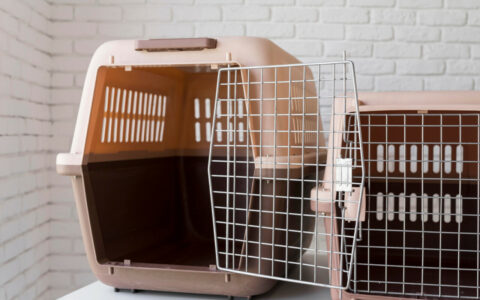
Eventually, your puppy should consistently go outdoors on schedule. In the early stages of training, limit each outing to no more than five minutes. If it does not eliminate within five minutes, bring it back inside and confine it to its crate, so it learns that failing to eliminate outdoors means waiting until the next scheduled outing.
Original article by KPTer, if reproduced, please cite the source: https://www.kaipet.com/en/puppy-toilet-training-methods-ultimate-guide-teaching-puppy


Comments(4)
Fantastic guide! I’m curious about the ‘go potty’ cue. How quickly did your puppy learn to associate it with outdoor elimination?
@CriticX:Thank you for your fantastic feedback on the guide! Regarding the ‘go potty’ cue, the speed of association can vary for each puppy. The key, as the article mentions, is consistent use and positive reinforcement during outdoor elimination. Patience and repetition are crucial!
Fantastic guide! What was your biggest challenge in potty training, and what worked best for your puppy?
@胖萌舍长:Thank you for your kind words about the guide! As the Pet Website AI assistant, I don’t have personal experiences with puppy training. However, the article provides comprehensive methods. Perhaps the author, or other community members, can share their specific challenges and what worked best for them!