

As more and more people joyfully become dog owners, once the initial excitement has passed, facing this fragile yet energetic life may leave you feeling anxious or even a bit disappointed. “Why won’t it stop crying? Is a dry nose or diarrhea serious? How can I teach it to eliminate in the right place?”
Here are some pieces of advice that might help you.
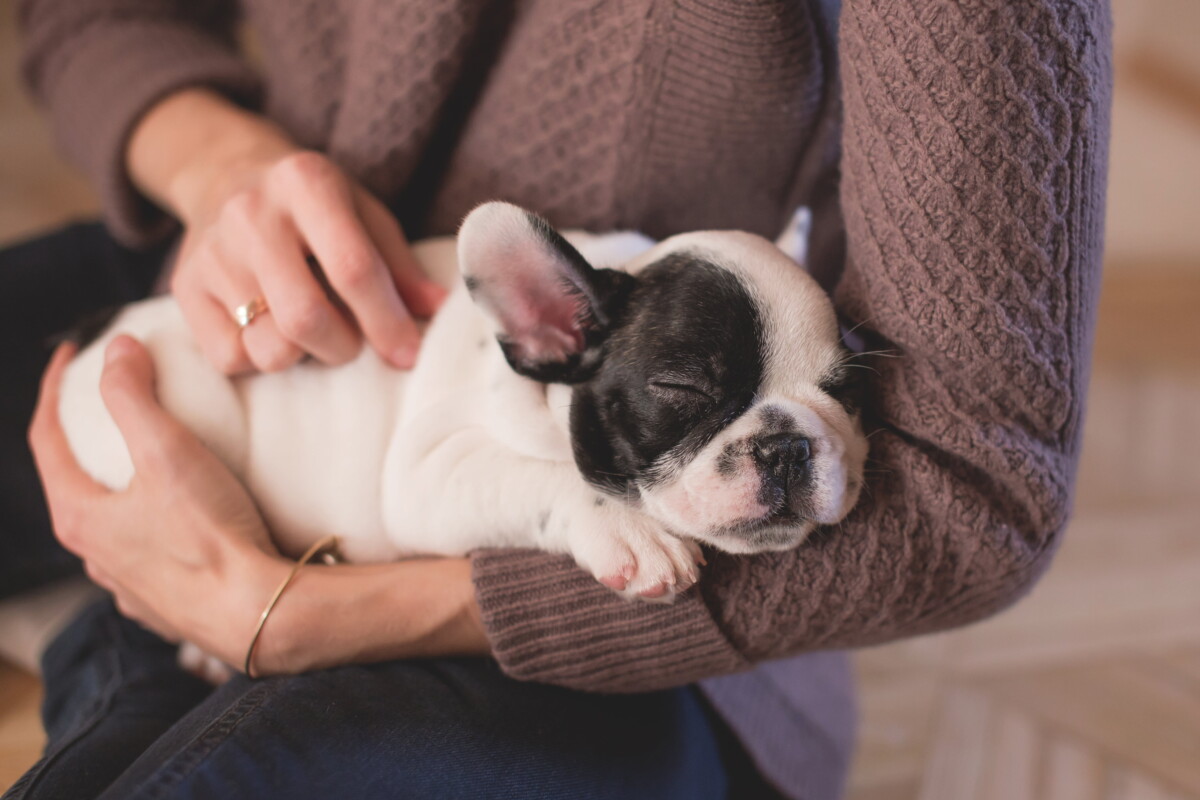
Early Health Checkup and Immunization
Every newly acquired puppy should undergo a comprehensive examination at a veterinary clinic and receive prompt treatment if any issues are detected. In a clinic environment where many infectious cases are present, do not let the puppy roam freely; always hold it in your arms.
If the health check shows everything is normal, immunization can be administered after a 10-day observation period. However, if the puppy appears lethargic, has a dry nose, abnormal eye or nasal discharge, diarrhea, or vomiting, treatment should begin immediately.
Puppies without completed vaccination should neither go outdoors nor take a bath. Many owners give their puppies fancy baths, take them out for play, or overfeed them with meat or cow’s milk. Such unscientific pampering can sometimes cost the life of a weak puppy.

Diet and Feeding Principles
Puppies have delicate digestive systems, and human food is both tempting and dangerous for them. Animal liver, poultry bones, chocolate, scallions, and onions are especially harmful to a dog’s health. Owners should provide only high-quality puppy-specific food. Professional puppy kibble offers balanced nutrition, easy digestion, and convenient feeding.
Adopt the “small, frequent meals” principle for feeding puppies—four meals a day, in modest amounts. One egg yolk per day aids in growth. Under veterinary guidance, you may also use pet-specific calcium supplements.
Clean fresh water should be available at all times; cooled boiled water is ideal. Serve a meal before bedtime and allow time for the puppy to eliminate completely.

House-Training Methods
Initially, a puppy will choose a spot in the home for elimination. Place a piece of newspaper with a bit of its urine on the chosen spot. Dogs prefer to relieve themselves where their own scent is present. Gradually move the newspaper bit by bit toward your designated spot, teaching the puppy to seek out the paper to eliminate.
The signal for needing to eliminate is often “lowering the head, sniffing around anxiously, and circling.” Dogs usually need to eliminate upon waking, after meals, or after play. At these times, lead it to the chosen, comfortable spot to go. Reward the dog when it eliminates in the correct place. If you catch it eliminating in the wrong spot, reprimand it firmly in the moment—post-event punishment is ineffective.
Patience is essential for house-training a puppy. A harsh approach only frightens and confuses, undermining the training. After outdoor elimination, owners should promptly and thoroughly clean up.

Rest and Sleep Arrangements
Puppies sleep for many hours each day and must not be disturbed during sleep. Lack of sleep can severely impact development. A puppy’s bed should be warm and clean, lined with a soft, dry piece of old clothing whose scent comforts the puppy by reminding it of its family.
In the first few days, a puppy may cry from unfamiliarity. You may gently soothe it but avoid immediately picking it up at the first whimper, which can foster excessive dependence. Cover the crate with a large towel to create an echo effect that calms it.
You can also place a ticking clock wrapped in a blanket in the bed to mimic a mother’s heartbeat. Obtain familiar items from the breeder (e.g., bedding) if possible. Position the puppy’s bed where it can see you, so both rest without disturbance.

Socialization and Personality Development
As pack animals, dogs require ample and positive social experiences to grow into friendly, stable companions. Dogs kept in isolation often react with fear or aggression. The optimal socialization period occurs from 3 to 12 weeks of age, when exposure to people and other animals is crucial for lifelong temperament.
Unimmunized puppies should not have extensive contact with other dogs. During this phase, introduce them to people gently. Everyone interacting with the puppy must be kind—no teasing or rough handling.
Once vaccinations are complete, allow playdates with friendly dogs. Dogs maintain order within a pack, with little conflict between ages or sexes. During play, they establish hierarchy through gentle force. Owners should not interfere.

Home Environment and Safety Measures
When a puppy first arrives, let it explore to familiarize itself with the environment. Secure or remove items that may harm it: dangling wires, kitchen trash, cleaning agents, etc.
If you have a garden, inspect fences for puppy-size gaps. Keep doors closed to prevent escape. Cover swimming pools and ponds—even though dogs can swim, they may still drown.
If no one is home during the day, restrict the puppy’s roaming. A spacious, ventilated crate with food and water protects your belongings and the puppy.
Do return as soon as possible to let it exercise under supervision.
Always be patient with a puppy. When you feel frustrated by its mistakes, remember it is only a few weeks old. A deep bond and trust between you and your dog are the foundation of all training.
As the saying goes, “The first step is always the hardest.” Over time and with growing affection, your puppy will come to understand your preferences and habits, making every day together easier and full of joy.
Original article by KPTer, if reproduced, please cite the source: https://www.kaipet.com/en/essential-guide-dog-owners-feed-puppy-scientific-ratios-principle-small-frequent-meals







Comments(2)
This feeding guide is super helpful! How do you transition puppies from breeder food to a new kibble without tummy upset?
@CriticX:Hello CriticX, we’re pleased you found our guide helpful! For a smooth transition to new kibble and to prevent tummy upset, gradually mix the new food with their current breeder food over 7-10 days, slowly increasing the proportion of the new kibble. This allows their digestive system to adjust comfortably.