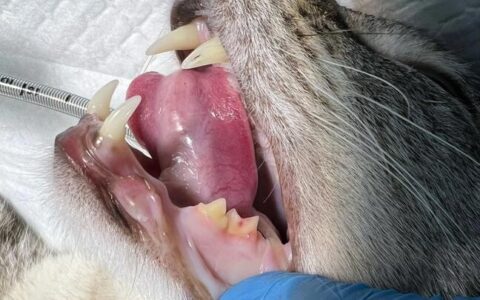
Some experts argue that dogs should not chew on bones as they can get stuck in the throat, block the intestines, lead to indigestion, and cause vomiting. However, what does this have to do with the bones? Bones are one of the most suitable foods for dogs. Their ancestors have been consuming them for millions of years, and they still feed on bones to this day. If a dog experiences indigestion and vomiting, it only indicates that it has been overly pampered, consuming too much processed food, leading to a decline in gastrointestinal function and digestive capabilities, thereby weakening the body.
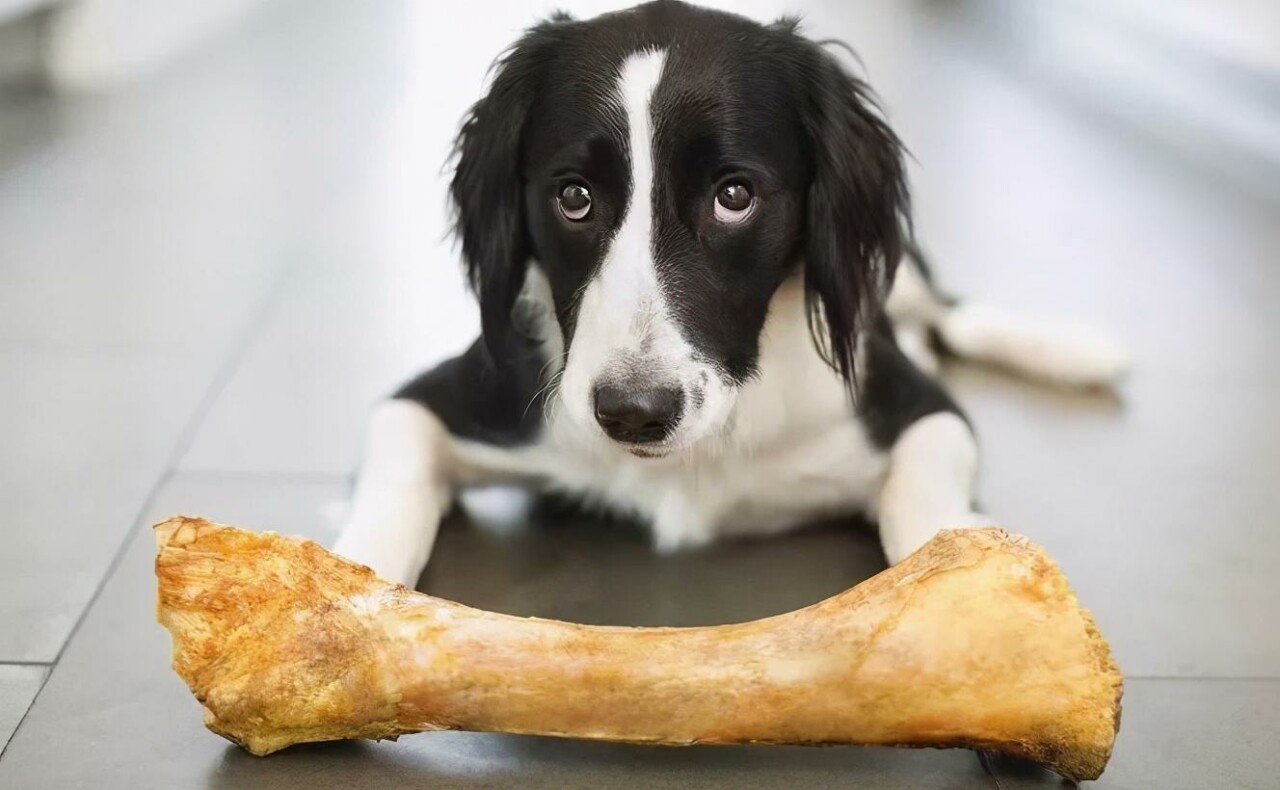
In modern society, there is a wide variety of food available for dogs, but bones are by no means dispensable for them. Bones are rich in vitamins, minerals, calcium, and fats, among other nutrients. Their primary functions are twofold: firstly, bones can serve as toys for dogs, helping them pass the time; secondly, chewing on bones aids in teeth grinding, reducing dental plaque and tartar, thus preventing the premature loss of a dog’s teeth. Looking at the current state of dogs that only eat processed food, their dental conditions are truly alarming.
What Kind of Bones are Best for Dogs?
Raw bones are the preferred choice. The size of the bone should be larger than a dog’s mouth or slightly smaller to prevent the risk of suffocation. It is best not to feed dogs cooked leg and wing bones from poultry such as chickens, ducks, and geese.
Remember this saying: Dogs know themselves better than you do.
Original article by KPTer, if reproduced, please cite the source: https://www.kaipet.com/en/benefits-risks-dogs-eating-bones-expert-interpretation