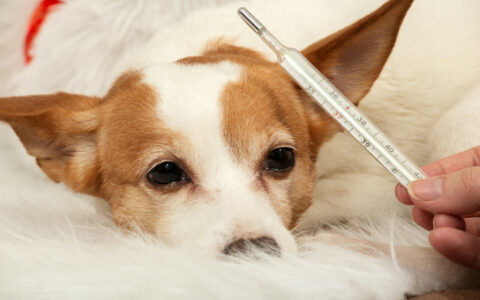
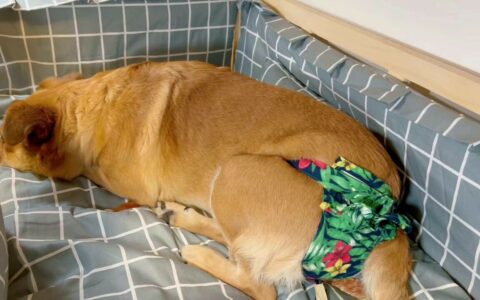
Actually, in this season, it is quite common for dogs to have a fever. Due to sudden changes in temperature, or failing to blow-dry a dog’s fur promptly after bathing, the temperature difference can easily lead to dogs catching colds and having a fever.

Symptoms of Dog Fever
- Loss of Appetite and Lethargy: In terms of behavior, if your dog is in a feverish state, it may exhibit a loss of appetite, lethargy, and may not bark but just lie down wanting to sleep. This is likely an indication that it has a fever.
- Nose and Ear Temperature: Secondly, you can gently touch the dog’s nose with the back of your hand to see if it is slightly warm. Generally, a dog’s nose should be slightly cool under normal conditions. If the ears are also a bit warm and the pads of the feet feel hot, it is likely that the dog has a fever.
- Normal Body Temperature Range: A dog’s normal body temperature should be around 38 to 39 degrees Celsius; exceeding this temperature is generally considered abnormal.
Measures to Deal with Dog Fever
- Seek Medical Attention Promptly: What should you do if your dog has a fever? I recommend that, if conditions permit, you should take your dog to the hospital as soon as possible. Administer injections and medications as needed, and never use human cold medicines.
- Physical Cooling Methods: If your dog experiences this condition in the middle of the night and you have alcohol at home, you can apply a small amount of alcohol to its axillary area. Additionally, you can apply some alcohol to the neck and head, which can help with physical cooling. The frequency of application can be slightly higher, applying it every ten to twenty minutes. If the dog still has a fever by the next morning, it is advised to go to the hospital for a thorough examination.
Original article by KPTer, if reproduced, please cite the source: https://www.kaipet.com/en/dog-fever-quick-identification-handling-skills
Unveiling the Causes of Dog Nose Discoloration: Key Impacts of Genetics, Environment, and Diet Part 04
What to Do If Your Dog Has a Fever? Quick Identification and Handling Skills Part 03