


Recently, many people have been asking me about the discoloration of dog noses in the comment section and private messages. Today, I specifically come to fill this gap, the principle might be a bit dry, but I will try my best to explain it simply. If your dog also has such a problem, be sure to see it through to the end.
Situations of Dog Nose Discoloration
There are two situations for dog nose discoloration: one is that it is black when young and turns pink or lighter as it grows; the other is that the nose is spotted and not very black when young. Puppies, due to incomplete development, indeed have a spotted nose for a while, which turns black when they grow up, but there are also those that cannot turn black, usually referred to as a “flecked nose.” Today’s focus is on those that were black when young and discolored as they grew, as well as those that were once very black but suddenly discolored, and those that discolor when the weather gets cold after being hot. In short, those that were once very black but now discolored.
Why Are Dog Noses Black?
Before I proceed, let me ask a small question: why are dog noses black?
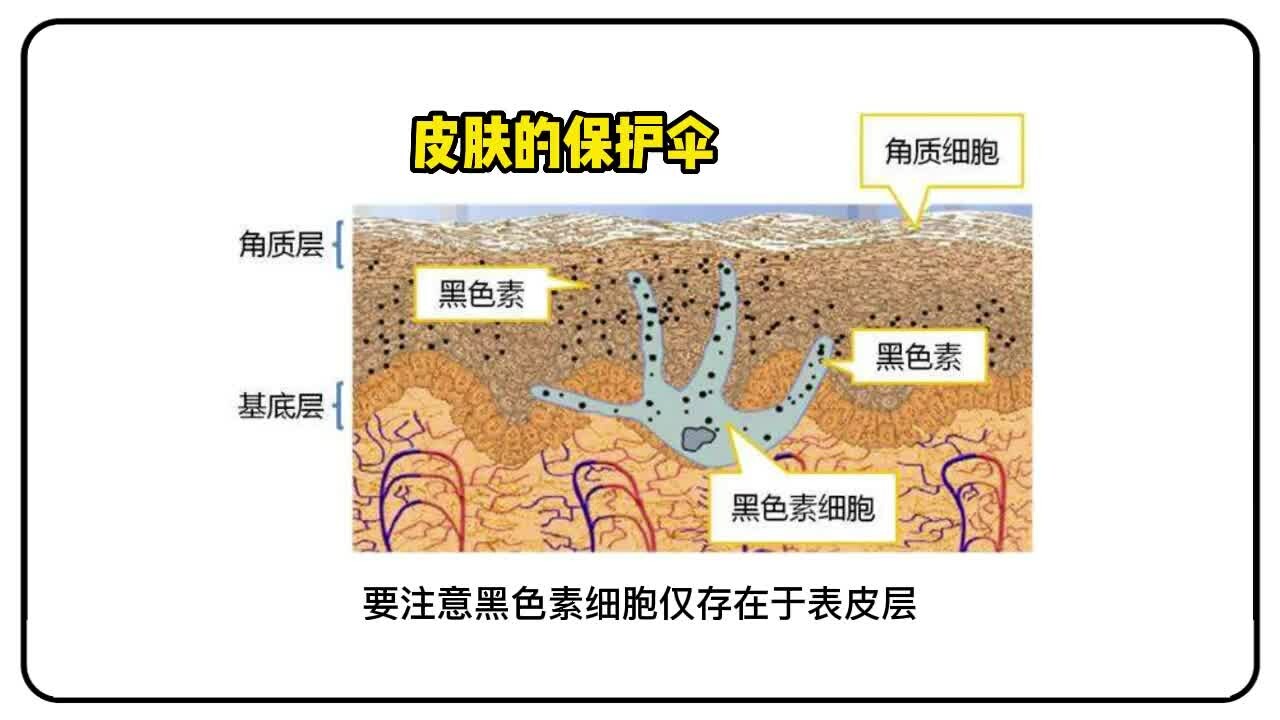
Answer: Because dog noses lack hair protection, the deposition of melanin can effectively inhibit ultraviolet rays, preventing sunburn and the induction of tumors.
This is somewhat similar to the reason why human skin color is deeper the closer one lives to the equator. It is important to note that melanocytes are only present in the epidermal layer, which is why some dogs’ noses may discolor after an injury.
What Determines the Blackness of a Dog’s Nose?
Answer: It is related to melanocytes.
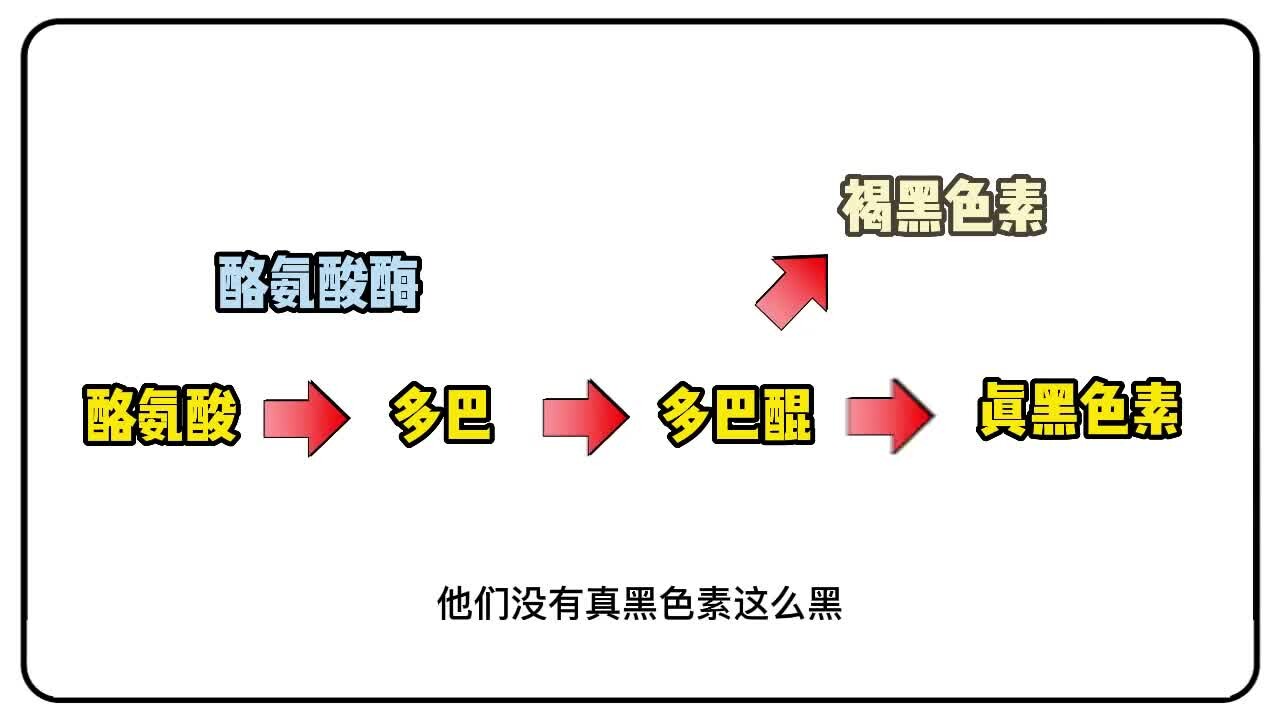
The process is as follows: starting from tyrosinase, it oxidizes all the way, first into dopa, then into dopaquinone. From here, it branches off, with most cases continuing to oxidize into dopachrome, eventually turning into eumelanin, and a small part directly oxidizing from dopaquinone into pheomelanin, which, as the name suggests, is not as black as eumelanin. If a dog’s nose subcutaneous dopachrome mostly turns into pheomelanin, the direct manifestation is the discoloration of the dog’s nose. The activity of tyrosinase directly affects the transformation of melanin, and the factors affecting tyrosinase activity are the reasons for the discoloration of a dog’s nose.
Causes Affecting Dog Nose Discoloration
There are roughly six causes:
- Genetic issues, which is the biggest reason. Dogs with light-colored fur have less active pigment cells and are more prone to nose discoloration.
- Temperature affects the activity of tyrosinase. Tyrosinase is more active in high temperatures; less so in low temperatures. This is also why dogs’ noses start to discolor when the weather cools down.
- Insufficient ultraviolet radiation. As mentioned earlier, melanin is produced to protect the skin from ultraviolet damage, and when there is not enough ultraviolet radiation, there is naturally less need for melanin.
- Production not keeping up with consumption. Each dog’s physique is different, and when the production of melanin cannot keep up with metabolism, the nose discoloration occurs.
- Insufficient quality or quantity of protein in food. Tyrosinase, in simple terms, is a type of protein. When the amount or quality of protein in a dog’s food is too little, or the absorption capability is not up to standard, it will lack raw materials, and the nose will naturally discolor when there is a deficiency.
- Psychological factors and trauma. A dog’s mental and psychological state can also affect the color of the nose, mainly due to adrenocorticotropic hormone. The higher this hormone, the more unstable the nose color becomes. However, I personally think this is a bit esoteric. Additionally, trauma, skin diseases, and allergies can damage the nose’s epidermis. As mentioned earlier, melanin only exists in the epidermis, and when the epidermis is damaged, it is normal for the nose to discolor.
Solutions
Well, there is no particularly good solution. The causes of nose discoloration are a complex combination of a dog’s physique, genetics, environment, diet, and even mood.
What can be done is to suggest taking dogs out more to bask in the sun, choosing dog food with good nutritional quality and more meat, or making homemade dog food with more meat. Additionally, it is also possible to consider adding some antioxidant supplements such as phospholipids and astaxanthin. As for seaweed powder, I personally think it is an intellectual tax, what do you think?
Original article by KPTer, if reproduced, please cite the source: https://www.kaipet.com/en/unveiling-dog-nose-discoloration-key-impacts-genetics-environment-diet




Comments(2)
Thanks for sharing such a detailed guide! Regarding seaweed powder, I’ve heard mixed reviews too. What makes you consider it an ‘intellectual tax’?
@CriticX:Thank you, CriticX! The author shared a personal perspective on seaweed powder. ‘Intellectual tax’ often implies skepticism about products with unproven claims or high costs relative to benefits. We appreciate your engagement and welcome more discussion on this topic!