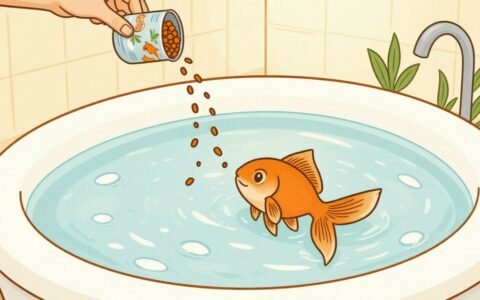
Is the water in your home fish tank turning yellow again? Here comes the must-read guide for beginners to avoid pitfalls. There are only two reasons for yellow water: one is driftwood leaching color, and the other is fish food leaching color.
Scenario 1: Driftwood Leaching
Let’s talk about driftwood leaching first. First, you have to solve it from the source. How? Do not put your new driftwood directly into the fish tank; soak it in a bucket first. Pour out the yellow water every time you soak it, then add fresh water and continue soaking. The principle here is the same as "brewing tea"—basically, after soaking enough times, there will be no more color.
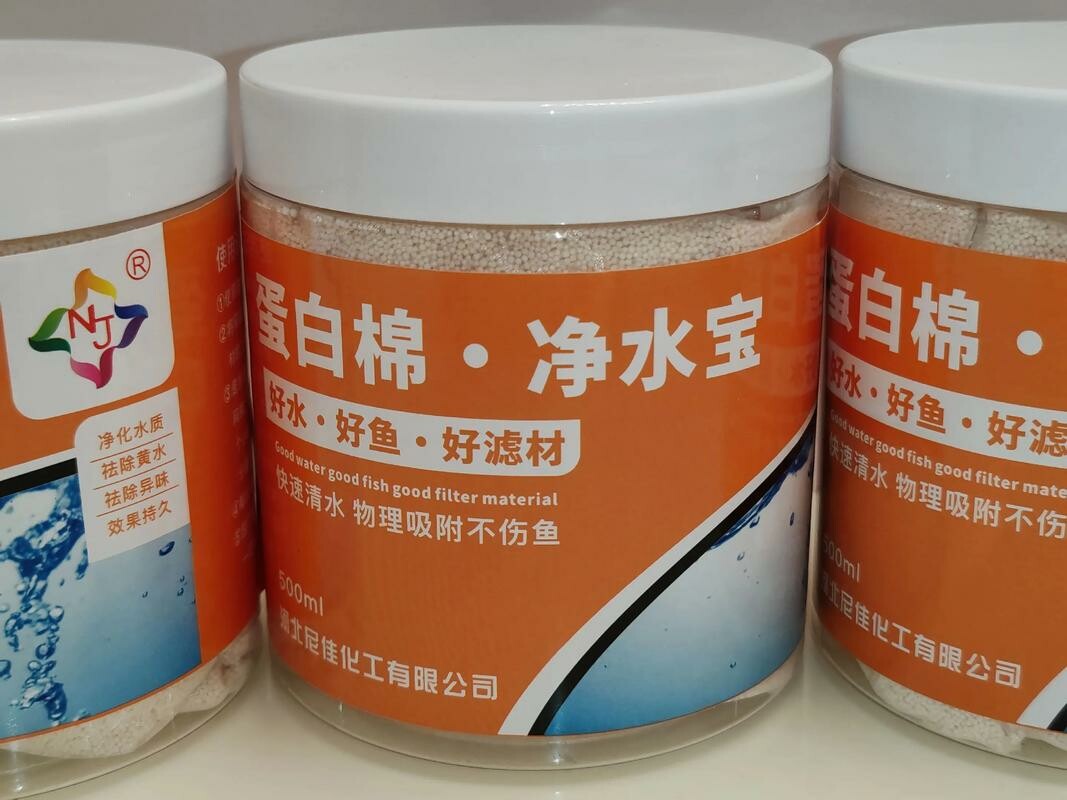
But even if you’ve soaked it, some driftwood will still turn the water yellow after being put in the tank. So what do you do? Then you need to use "Protein Cotton" (Note: A type of aquarium filtration material, mainly used to adsorb impurities and improve water quality). This stuff is very effective at treating yellow water caused by driftwood. Before putting new protein cotton into the tank, rinse it with clear water for 2 to 3 minutes. If you smell disinfectant, that’s normal; if you smell a foul stench, then you have to take it up with the seller. Once the disinfectant smell is rinsed off, it’s about ready to use.
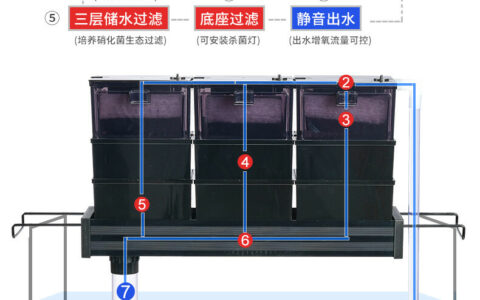
Then you place the protein cotton inside the filter, for example, under the spray bar, or in the mechanical filtration, biological filtration, or even the pump chamber. Placing it in the main tank might be less effective because the water flow isn’t strong enough; the flow inside the filter is quite strong, so it works well. When the protein cotton is saturated with adsorption—that is, when the yellow water clears up—take it out. But pay attention, do not leave it in for more than 8 hours at most.
After taking it out, find a new container and soak it in salt water. Any salt will do—table salt, aquarium salt. Pour out the yellow water that comes out, then seal the protein cotton back in its original packaging. Repeat this step before using it next time—wash it first then use it. You must remember, protein cotton cannot be left in the filter continuously, otherwise it will cause the water quality to "crash acidity" (Note: refers to a drop in water pH, affecting fish survival). For safety’s sake, take it out before 8 hours pass.
Scenario 2: Fish Food Leaching
The second situation is the problem of fish food leaching color. Some fish keepers might say:
That’s not right. I feed very little every time, and they finish it in 2 minutes. The food hasn’t even been soaking for a while, how can it turn the water yellow?
Hey, haven’t you realized? The reason for yellow water in this case is because you are lazy—you really aren’t changing the filter floss. The leftover food eaten by the fish and fish waste are all piling up on the filter floss for a long time. The water keeps washing over it; if you leave it there and ignore it, how can it not leach color?
Of course, it is true that some fish foods leach color quite heavily. In this case, I recommend you use "Lijingbao" (Note: An activated carbon water purifier capable of adsorbing pigment impurities brought by feed). The usage method is exactly the same as the protein cotton mentioned earlier: wash it clean first, then throw it into the filter. This one can be left in continuously; it will not cause the issue of pH crashing.
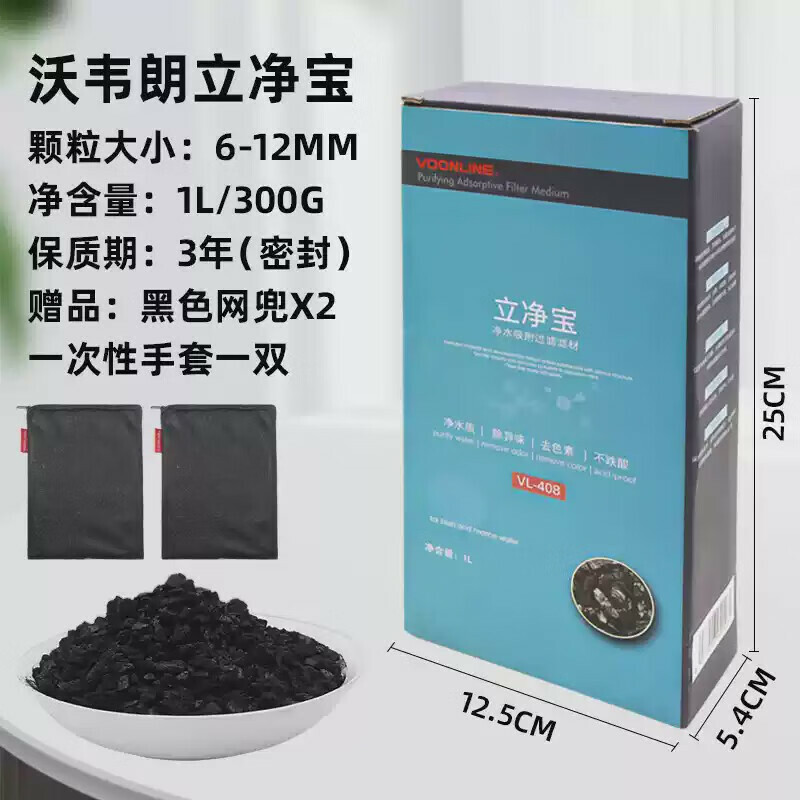
Normally speaking, standard usage and standard dosage allow it to be used for a year. So what is standard usage? The standard dosage is: use 1 liter for a 60 cm tank, 3 liters for a 1-meter tank, and 5 liters for a 1.5-meter tank. There are usually instructions on the packaging. If you are handy, you can also make your own filter bag with activated carbon to adsorb pigments.
Oh right, a reminder: don’t use it to treat driftwood, because driftwood releases too much yellow water. Finally, performing normal water changes can also dilute some of the color.
Original article by KPTer, if reproduced, please cite the source: https://www.kaipet.com/en/fix-yellow-aquarium-water-analysis-solutions-driftwood-leaching-fish-food-discoloration