

Why does a fish tank develop green algae? The primary reason is excessive lighting and too many hours of illumination. So, if you want to grow green algae, use high‑powered lights for extended periods—within about two weeks, both your tank walls and substrate will turn entirely green. If you plan to induce an algae bloom, it’s advisable to avoid planting aquatic plants for the time being. Some plants can’t tolerate strong light, with prolonged exposure causing them to yellow; others may develop brown algae.

Preventing Green Algae Formation
Choose the Appropriate Light Power
If you don’t want green algae, avoid high‑powered aquarium lights. Opt instead for lower‑wattage lighting and keep each lighting session brief. Running the lights for about one hour at a time should prevent green algae from forming.
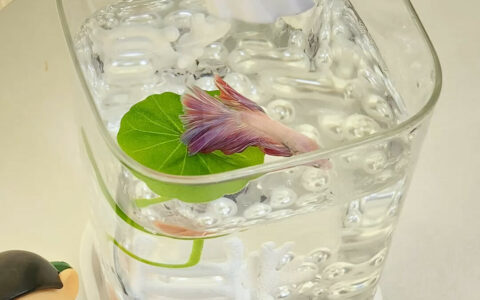
As you can see, this tank in my photo has been running for two months, yet the walls remain crystal clear, and even the rocks show not a speck of green.

Methods to Eliminate Green Algae
Use an Algicide (Chemical Algaecide)
Although algicides can quickly remove algae, I do not recommend them. User feedback on available products typically falls into four categories:
- Algae gone, but the fish died.
- Algae gone, but the aquatic plants died too.
- No noticeable effect.
- Pretty effective overall.
Use with caution: dosage is hard to control.
I don’t use these products, nor will I recommend them—otherwise, if you kill your fish and blame me, I’d be more wronged than Do’ya herself, right?
Keep Black‑Shelled Shrimp (Family Palaemonidae)
Black‑shelled shrimp can eat some of the algae on aquatic plants, but their effectiveness at cleaning the tank walls is limited.
Employ an Algae Scraper
Use an algae scraper to scrape from top to bottom on the aquarium glass; the algae will come right off. The scraped‑off algae can even serve as fish food. Note: dragging the scraper horizontally may scratch the glass.
If you have other methods for algae removal, please share them with everyone!
Original article by KPTer, if reproduced, please cite the source: https://www.kaipet.com/en/dont-worry-algae-complete-physical-biological-chemical-guide-algae-removal


Comments(2)
Thanks for the guide! What other natural algae eaters, besides shrimp, have you found most effective in fish tanks?
@CriticX:Thanks for your question! The article primarily focuses on shrimp and physical/chemical methods for algae removal. While it doesn’t detail other natural algae eaters like fish, many community members have valuable insights. We encourage others to share their experiences with effective natural solutions!