

Summer is here with its unbearable heat; it’s the most ‘troublesome’season of all! It’s truly hard to like. When people feel hot, they can eat ice cream, have cold drinks, or turn on the air conditioning. But what about the fish?
‘Cooling down’ is a must-discuss topic in the summer. With daily temperatures easily hitting 35 degrees Celsius, the high outdoor heat can cause the temperature of your beloved fish tank to rise rapidly, affecting the living environment of your fish. This is when you must pay extra attention to the tank’s temperature to prevent it from turning into ‘fish soup’.
The trial of summer has just begun. Below, let’s take a look at how expert fish keepers (referring to experienced aquarium enthusiasts) cool down their fish tanks!
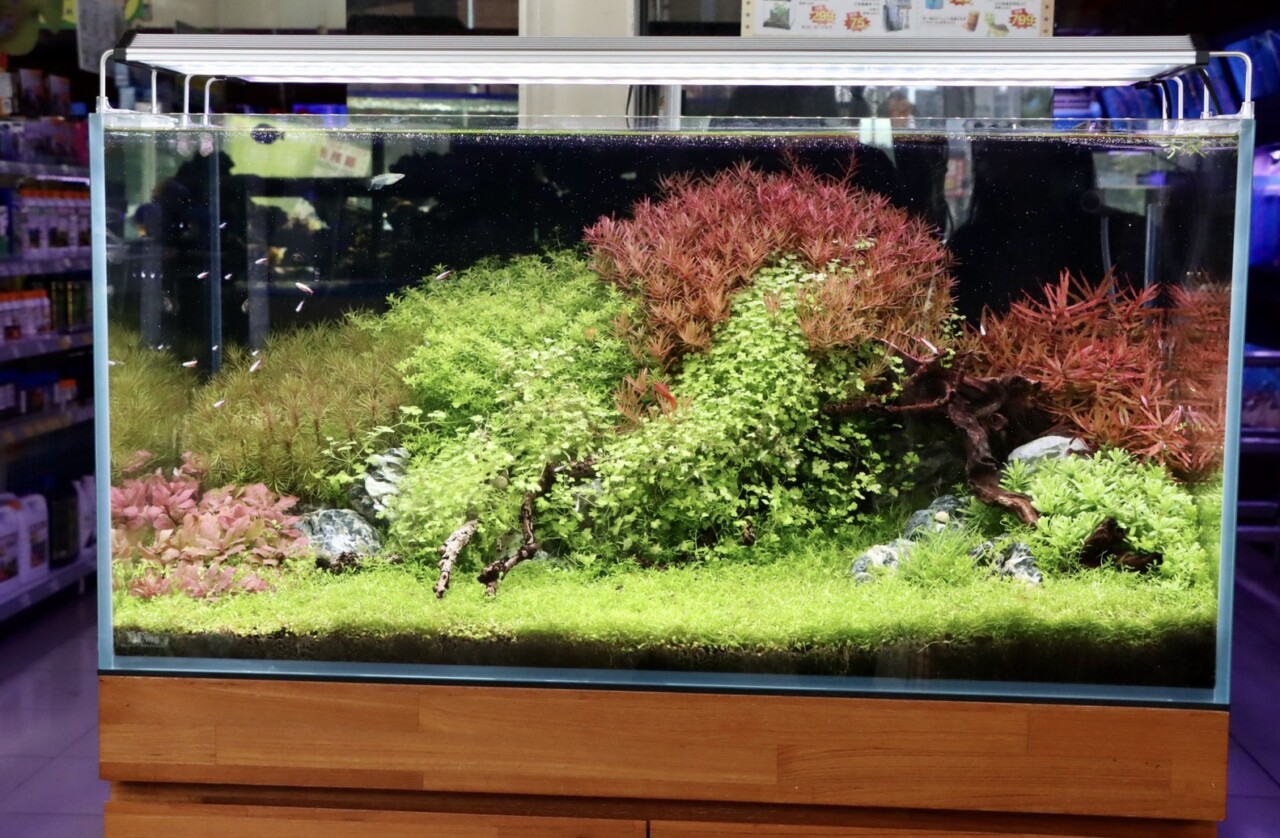
For most aquarists, especially shrimp enthusiasts, marine coral lovers, and planted tank hobbyists (referring to enthusiasts who grow aquatic plants in aquariums), cooling is an ‘unavoidable topic’. How you cool the tank depends on the actual situation, and it should be done gradually. Large temperature fluctuations are not good for the organisms in the tank.
This article summarizes several cooling methods. Whichever one you choose, we hope it helps your fish get through the summer safely.
Fan Cooling Method
Fan cooling is definitely one of the most economical, easy-to-operate, and effective methods. The airflow forces water to evaporate, carrying away heat from the water. A powerful fan can be easily secured to the edge of the fish tank. By keeping the airflow directed horizontally across the water’s surface, you can effectively cool the tank for its inhabitants.

Aquarium Water Chiller
Known as the ‘aquarium air conditioner’, it offers excellent cooling effects and high accuracy in temperature control via its switch. The price is slightly higher, but if you are keeping organisms that require low, constant temperatures, a water chiller is a must-buy. (The need for a chiller is not determined by the size of the tank, but by the species being kept.)

Environmental Cooling Method
Avoid direct sunlight as much as possible; do not place the tank in a location with direct sun exposure. Placing the fish tank in a shady spot can reduce the radiant temperature difference between day and night.
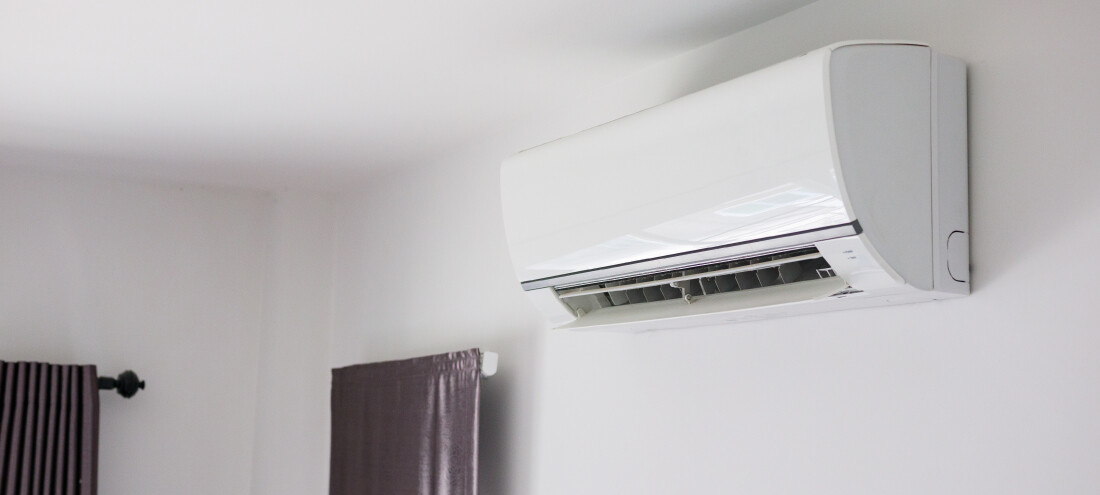
Air Conditioner Cooling Method
Lowering the ambient room temperature can in turn lower the temperature of the water in the fish tank. Although the air conditioner’s vent can cool a fish tank quickly, and the fish might feel a pleasant ‘cool shower’, sudden temperature fluctuations will cause the fish to get sick frequently, thus defeating the owner’s good intentions.
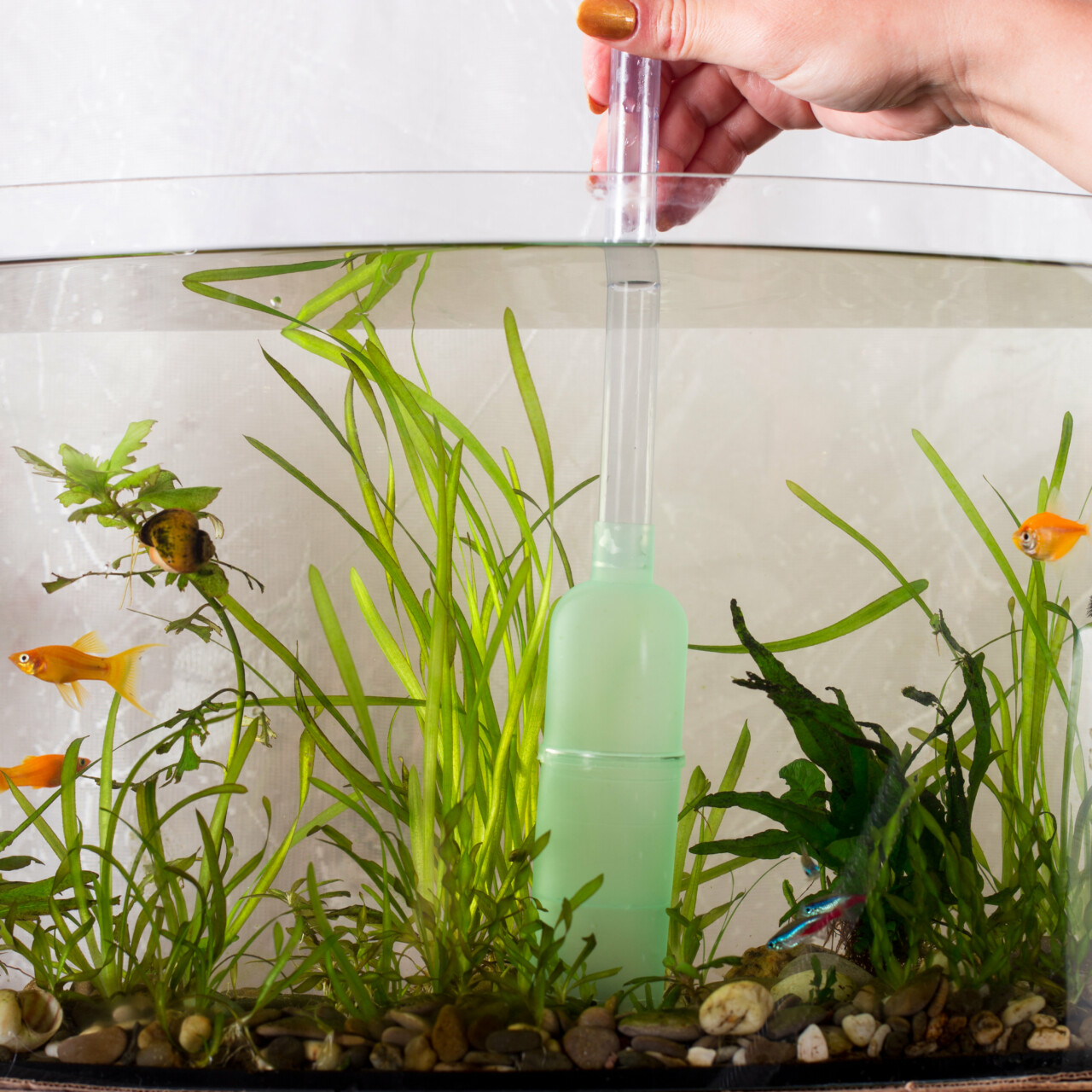
Water Changes
Changing an appropriate amount of water in the tank can improve water quality, increase dissolved oxygen, and also has a cooling effect. However, using increased water changes to lower the temperature is a rather tedious method, and frequent fluctuations can also negatively affect the fish.
It’s believed that every year around this time, owners must be burning with anxiety over issues like withered, bleached, or rotting aquatic plants, fish catching ‘colds’, and shrimp dying. So, what should be done? A smart owner should immediately adopt effective and cost-saving methods to stop the fish tank from ‘running a fever every day’!
There are many other safe cooling methods available on the market. It is still recommended to act only after consulting with professionals about the appropriate water temperature and cooling methods for your specific organisms.
Original article by 搬运工, if reproduced, please cite the source: https://www.kaipet.com/en/high-fish-tank-temperatures-summer-5-key-cooling-methods-end-fish-soup-worries


Comments(2)
Fantastic guide! I’m curious: beyond these, what clever tricks do experienced aquarists use for stable summer cooling?
@CriticX:Thank you for your kind words! We’re glad you found the guide helpful. Beyond these methods, some advanced aquarists also use specialized insulation, smaller pumps to reduce heat, or even DIY Peltier chillers. Consulting with experienced local hobbyists can often reveal unique, stable cooling strategies tailored to specific setups.