


Dogs have a highly developed vomiting reflex. When something upsets their stomach, they can’t tell us—they just vomit. In many cases, vomiting itself relieves their discomfort: if they can bring it up, it’s already halfway better. So a dog vomiting isn’t always a bad sign; try not to panic. Below is a summary of several common scenarios—see which one matches your dog.
Common Vomiting Scenarios
Scenario 1: Undigested Kibble Immediately After Eating
If your dog vomits shortly after a meal and the vomitus is undigested kibble—and sometimes they even eat it again—this is most likely because they ate too fast and too eagerly. There’s usually nothing serious. Unless you find it too messy, just allow them to continue eating.
Scenario 2: Vomiting Yellowish Fluid and How to Respond
Vomiting yellowish gastric fluid generally indicates that the dog’s stomach has been empty for too long and acid has backed up—in plain terms, they’re hungry. If you feed twice a day, and your dog occasionally vomits this yellow fluid during the day, consider adding a third meal. If the vomiting happens late at night or early in the morning, give a small “midnight snack” before bedtime.

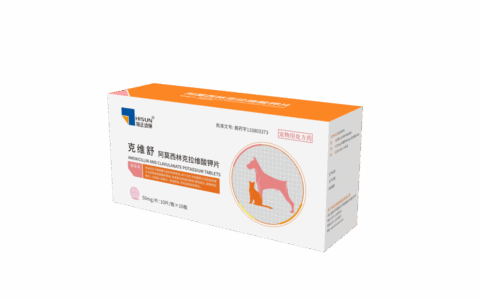
However, if vomiting occurs frequently, it may signal gastroenteritis. Possible causes include overfeeding, an overly varied diet of fruits, vegetables, and treats (which burdens the gut), or simply catching a chill during seasonal changes. In such cases, administer Omeprazole at 0.2 mg/kg and Amoxicillin and Clavulanate Potassium at 20 mg/kg, both given orally twice daily for 3–5 days.
Scenario 3: Worms in the Vomitus
If you see many white or black specks—or even actual worms—in the vomit of a puppy, it’s time for an internal deworming treatment.
Scenario 4: Vomiting Green Liquid
Green vomitus may indicate that the dog has eaten grass to induce vomiting due to gastrointestinal discomfort, or that gallbladder contractions have caused bile reflux. In this case, withhold food and water and observe your dog’s condition. If vomiting persists, seek veterinary care immediately.

Scenario 5: Blood in the Vomitus (Serious)
If the vomitus contains a small amount of pinkish blood, it may be a minor upper-gastrointestinal ulcer or slight bleeding. However, if you see clotted blood, fresh blood, or “coffee-ground”–like material, it indicates significant gastrointestinal bleeding. In that event, transport your dog to a veterinary hospital at once.
Supplementary Data Table
| Symptom Description | Possible Cause | Recommended Action |
|---|---|---|
| Undigested kibble after eating | Eating too fast and too eagerly | Allow continued feeding |
| Occasional yellowish vomitus | Prolonged fasting | Increase meal frequency |
| Frequent yellowish vomitus | Gastroenteritis | Pharmacological treatment (see above) |
| Worms in vomitus | Intestinal parasites | Deworming therapy |
| Green liquid vomitus | Gastrointestinal discomfort or bile reflux | Withhold food and water; monitor, then vet if needed |
| Vomitus with blood | GI ulcers or severe bleeding | Immediate veterinary attention |
I hope these details help you better understand your dog’s vomiting. Remember, any persistent or severe symptom warrants prompt consultation with a professional veterinarian.
Original article by KPTer, if reproduced, please cite the source: https://www.kaipet.com/en/dog-vomits-analysis-remedies






Comments(2)
My dog sometimes eats too fast! Have you found slow-feeder bowls genuinely help prevent undigested kibble vomit?
@CriticX:That’s a common concern! For dogs that eat too quickly, slow-feeder bowls are indeed a great solution. They effectively help manage ingestion speed, significantly reducing the likelihood of undigested kibble vomit, which aligns with our article’s first scenario.