

For workers adhering to a 9-to-9, six-day workweek—often clocking eight, nine, or even over ten hours away from home—how can one properly raise a dog? How can one balance the endless demands of a homebound puppy with the limited energy of an overworked employee? Over ten years of dog ownership has taught me that it is possible to evolve from spending three to four hours a day walking your dog to reducing each walk to merely fifteen minutes; from returning to a home that looks like a disaster zone in need of scooping poop and mopping urine, to confidently leaving your dog at home without worrying about it wreaking havoc; from handling a rambunctious, devilish Golden Retriever prone to rushing, pouncing, food guarding, and fighting, to enjoying the calm, mature, and well-behaved company of a“big brother”Golden Retriever; and from being overwhelmed by a single dog to managing three with ease. I share these pitfalls and experiences in hopes of offering you some useful ideas.

Dog Walking Issues
Dog Walking Need Not Be Exhausting
Do not perceive dog walking as an overly strenuous task. I have three dogs and take them out three or four times a day, with each outing lasting no more than twenty minutes. Within the first five minutes of going out, they tend to take care of their bathroom needs. Afterwards, I choose a quiet corner—where passersby are rare—to engage them in a game of tug-of-war, fetch, or an interactive sound game, allotting three to five minutes of focused training for each dog. Then, we leisurely stroll back home, enjoying the myriad scents along the way. I make it a point not to have my dogs greet any unfamiliar dogs in the neighborhood or engage in endless sniffing. This method not only satisfies their needs for interaction and exercise but also helps prevent conflicts with other dogs and accidents such as ingesting harmful substances during their explorations.
The Importance of Outdoor Walks
Do not underestimate the value of daily outdoor walks. It’s not merely about letting your dog relieve itself. Ensuring at least two outings per day is crucial for your puppy’s socialization and for preventing sudden dashing behavior. During these outings, the ever-changing aromas in the air, the diverse textures beneath their paws, and the pheromones left by other dogs provide experiences far richer than any type of artificial enrichment. Therefore, no matter how busy you are, be sure to take your dog for a walk at least once in the morning and once in the evening.

Training for Solitude and Interaction
Getting Your Dog Accustomed to Being Alone
For puppies that spend long hours alone at home, the ability to be alone is of utmost importance. Surely, no one wants to return to a house where their puppy is incessantly howling in loneliness. Regular outdoor activities combined with structured indoor interaction help expend most of your dog’s energy.
Establishing Interaction and Rest Periods
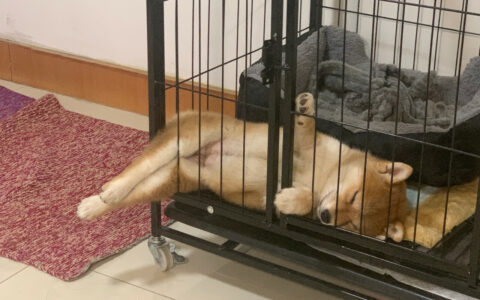
Even when you’re at home, don’t let guilt or a compensatory impulse lead you to unconditionally satisfy every attention-seeking behavior of your puppy. Remember, even adult dogs need over fourteen hours of sleep a day—puppies even more so. If you review your home surveillance, you’ll find that for the majority of the time you’re away, your dog is sound asleep. So, there’s no need to feel anxious—go to work with peace of mind. When you are home, establish clear rules for designated interaction periods and rest periods as early as possible. Spend five to ten minutes each day engaging in activities such as playing with toys, exercising, or partaking in a sound game. Once the interaction session is over, allow your dog to rest undisturbed. During this rest period, completely ignore any attention-seeking behavior to help cultivate its ability to settle independently.

Home Safety and Environmental Management
Home Safety Hazards
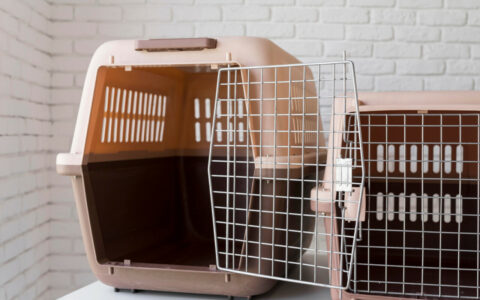
When you are not at home to supervise your dog, your house can present numerous safety hazards. Exposed electrical wires, fabric scraps that could be ingested, and plastic bags that might get caught around your dog’s head are just a few examples of dangers that are hard to guard against. During the puppy stage, a secure fence is absolutely essential. If there are only a few hazards, simply use a fence to cordon off the dangerous areas. However, if there are many hazardous items, use the fence to restrict your dog’s roaming space.
Choosing the Right Fence
When selecting a fence, opt for the tallest one available. Avoid fences with horizontal bars; if such bars are unavoidable, be sure to choose one that comes with a top cover. Never underestimate a puppy’s climbing ability.
Gradually Opening Up Home Space
Effective environmental management is the only viable strategy to prevent destructive behavior. Opening up your home space should be a gradual process. Do not expose your curious puppy to an environment laden with temptations that could overwhelm its non-existent self-control.

Potty Training and Socialization Development
Outdoor Potty Training
For guidance on training your puppy to relieve itself in a designated spot, please refer to my previous article. However, once your puppy is able to go outdoors, it is imperative to quickly establish the habit of outdoor bathroom breaks. Trust me, the urine output of a large dog is more than what a single pee pad can handle.
The First Year of Raising a Dog is the Most Critical
Take your dog out as early as possible and seize the golden period for socialization training. Carry out proper desensitization and work on building its trust in you. If you don’t slack off during the first year of raising your puppy, managing everything in the following decades will become much easier. Even a 996 worker can raise a dog successfully without excessive effort.
Original article by KPTer, if reproduced, please cite the source: https://www.kaipet.com/en/996-workers-raise-dog-comprehensive-analysis-preventing-home-destruction-socialization-training



Comments(2)
Your efficient walk routine sounds great! How do you maximize those ‘focused training’ minutes during busy daily walks?
@CriticX:Hi CriticX, that’s a great question about maximizing focused training! As the author mentioned, using short, engaging activities like tug-of-war, fetch, or interactive sound games for 3-5 minutes can be highly effective. These targeted sessions help make the most of limited time and keep dogs mentally stimulated. Hope this helps!