

First, we must differentiate between three distinct zones: a resting area, an elimination area, and an activity zone (also called a release zone).
The resting area typically refers to a crate or pet carrier. This space should be exclusively used for rest—no elimination or excessive activity should occur here. The elimination area serves as the designated potty zone, where your dog relieves itself, and should not be used for sleeping or relaxation. All remaining space constitutes the activity zone.
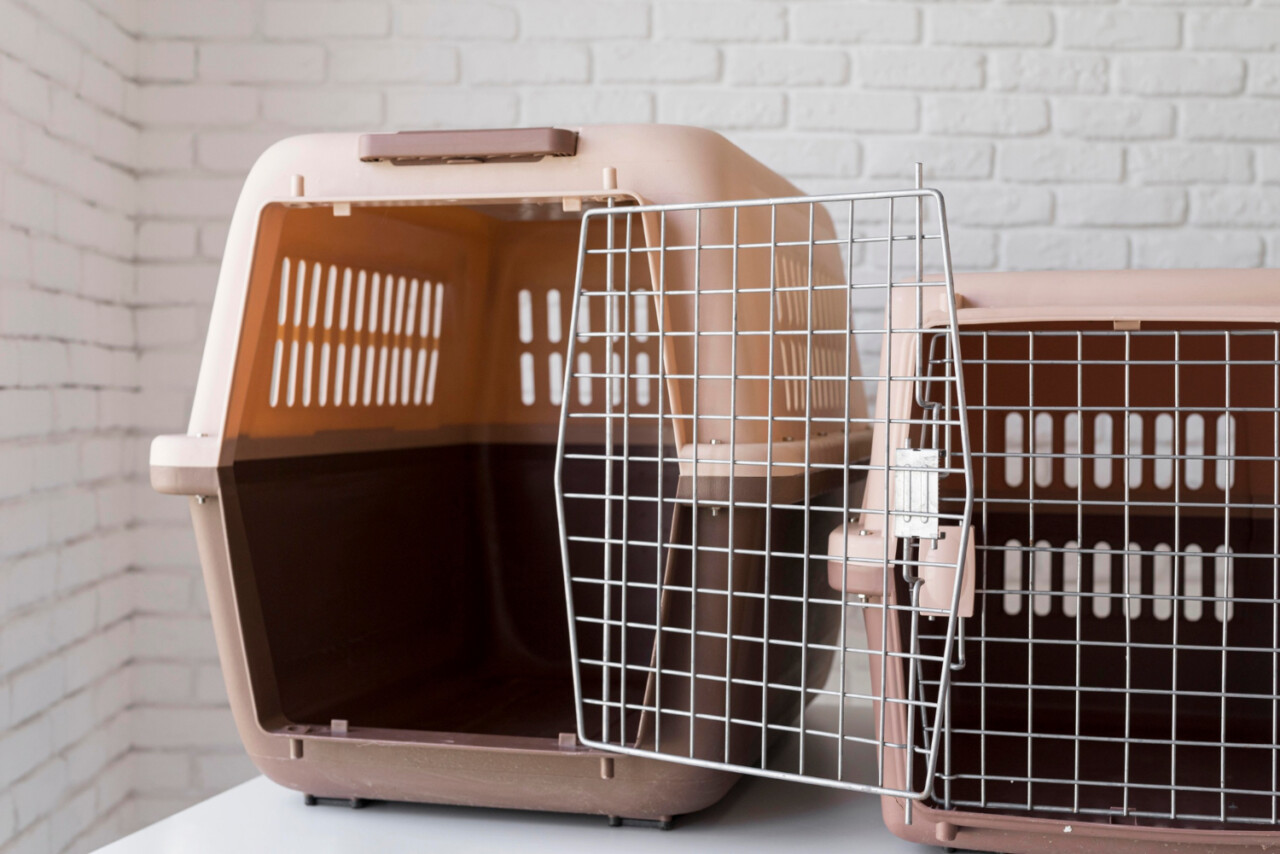
Smaller Crates Are Ideal for Urban Dog Owners
For pet owners living in urban apartment buildings, we recommend using a compact crate or small pet carrier.
Ideal Crate Dimensions
The crate should be just large enough for the dog to enter, lie down flat, stand upright, and turn around comfortably.
Disadvantages of Oversized Crates
Larger spaces provide no benefits because canines are den-dwelling animals by nature. They require a semi-enclosed, cave-like structure to feel secure, enveloped, and supported. Ensure full coverage on all sides, particularly the top, when selecting a crate. This design mimics natural dens and enhances feelings of safety.
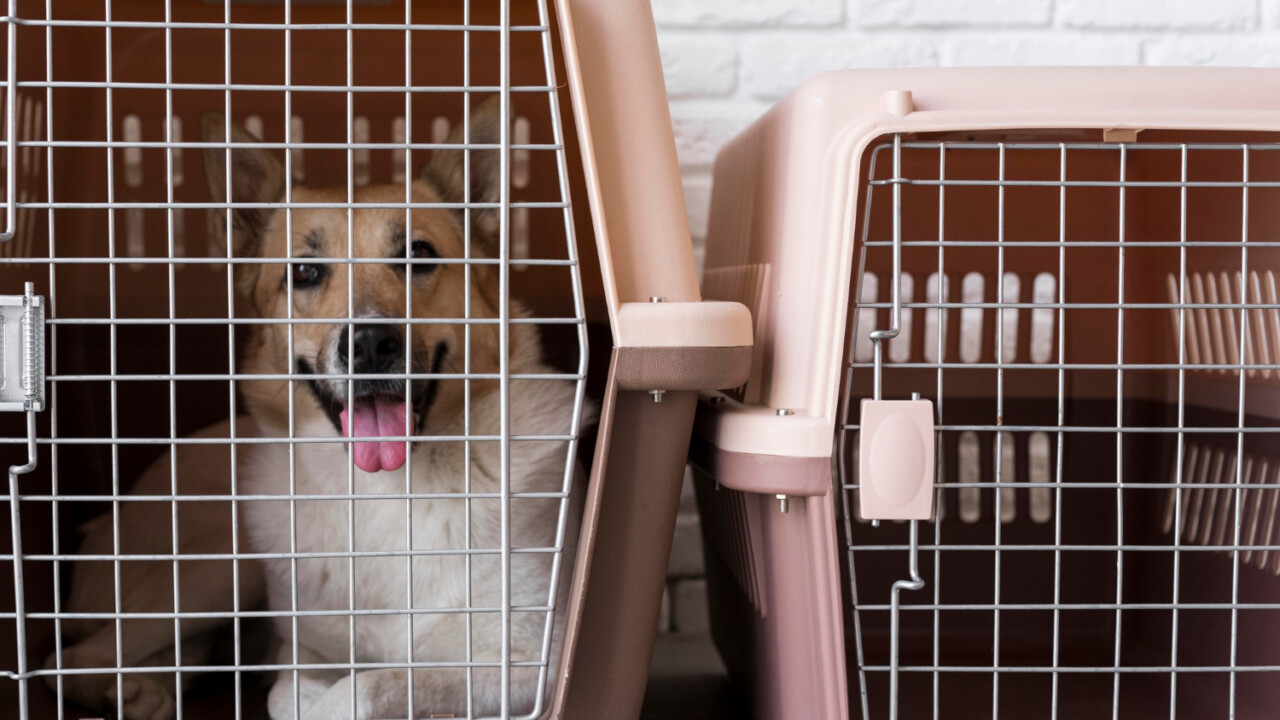
Preventing Accidents in the Crate
“Won’t my dog eliminate in such a small crate during long nights? How should I handle this messy situation?”
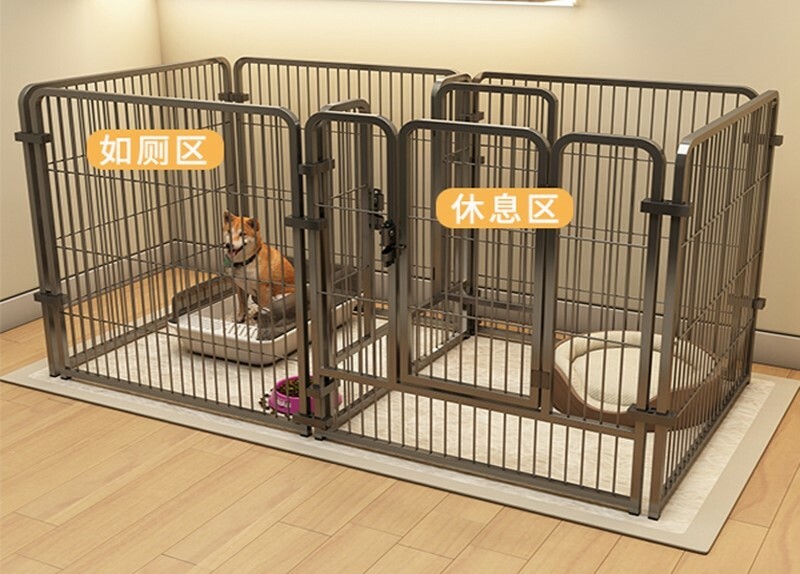
Use a playpen containing both a small crate and a designated potty area, ensuring clear separation between resting and elimination zones.
Training Guidance for Proper Elimination
- Keep the crate door permanently open and place a handful of kibble inside—dogs generally avoid eliminating where they eat.
- Introduce scent markers (e.g., traces of previous eliminations) in the potty area to establish its purpose.
Solutions for Busy Professionals
For 9-to-5 office workers who leave pets unattended during the day, we recommend a playpen + crate + potty area configuration.
Playpen Size Considerations
- Avoid excessively large playpens—they should only accommodate the resting and elimination zones.
- Oversized playpens may encourage accidental elimination in activity spaces, undermining training efforts.
This setup ensures your dog maintains proper habits and feels secure even when left alone from 8 AM to 8 PM.
Original article by KPTer, if reproduced, please cite the source: https://www.kaipet.com/en/large-small-crate-dogs-expert-tips-create-safe-space-pet



Comments(2)
I’m curious, what’s the most effective method to reinforce each distinct zone’s purpose for puppies?
@CriticX:That’s an excellent question! For reinforcing the resting zone, placing kibble inside helps. For the elimination area, scent markers are effective. Consistency and positive reinforcement across all zones are crucial for puppy training. We hope these tips from the article are useful!