

Every day, I take everyone to get to know a turtle. Today, I am introducing one of China’s “national turtles,” the Keeled box turtle. This is also another choice of pet turtle for many hobbyists who want to keep Yellow-margined box turtles.
Appearance Features of the Keeled Box Turtle
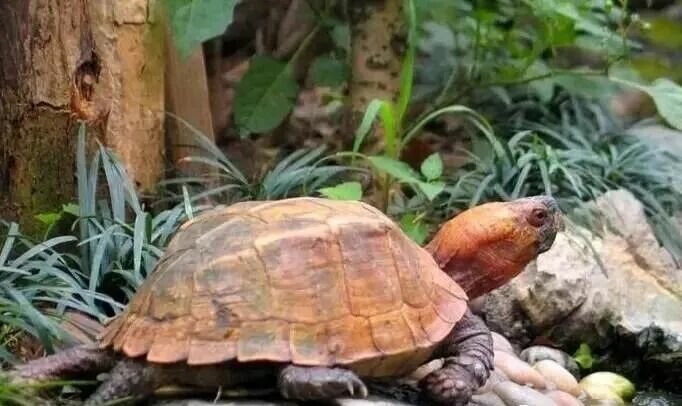
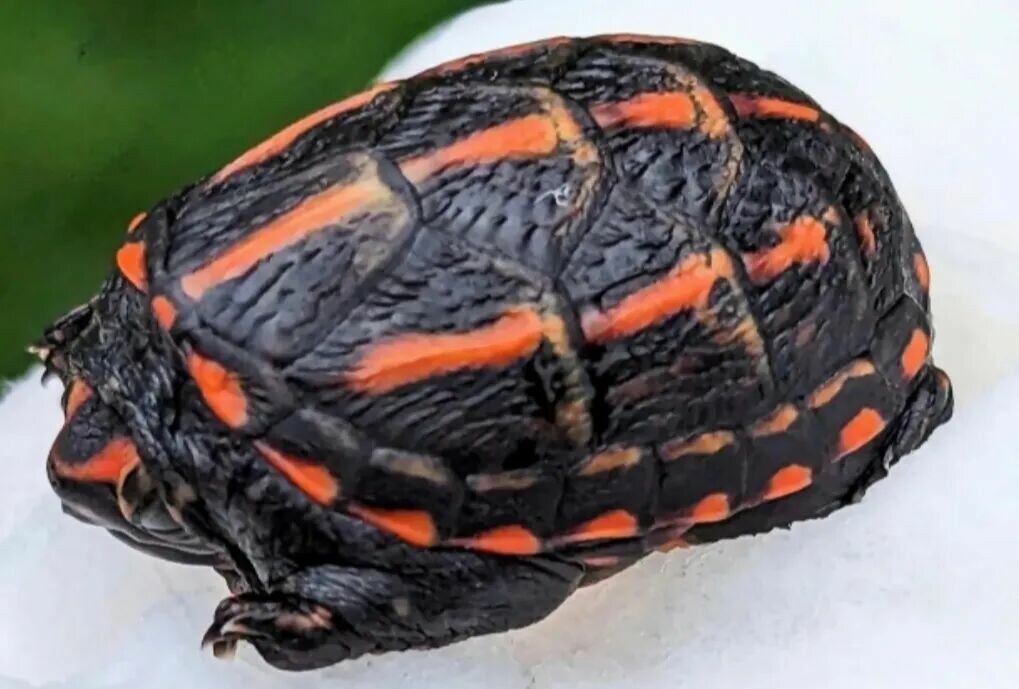
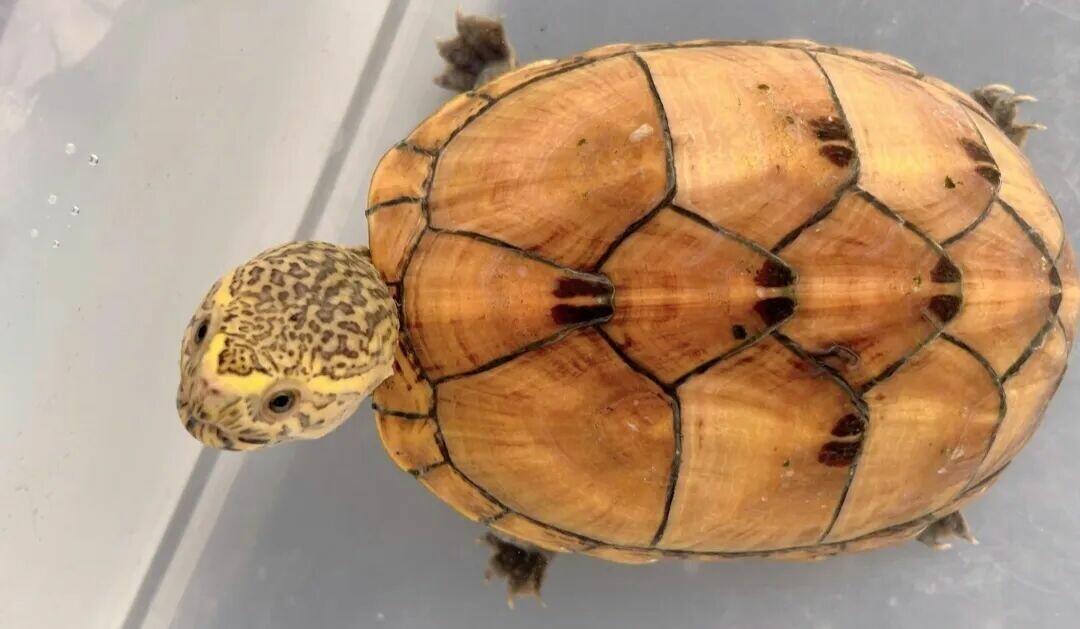
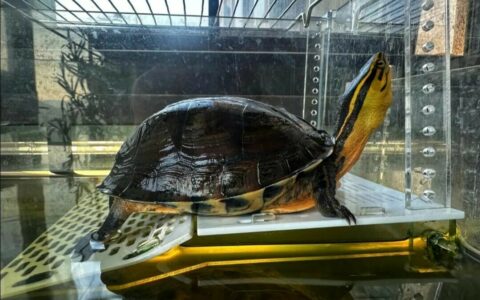
First, let’s follow the routine and give a general introduction to the appearance of the Keeled box turtle. The Keeled box turtle’s carapace is high-domed and square, brownish-yellow in color, with 3 distinct ridges (keels), and a serrated edge, which is the origin of its Chinese name (“Saw-edged”). The head is yellowish-brown; the sides of the head, upper and lower eyelids, mandibular surface, and neck are greyish-yellow. The carapace and plastron are yellowish-brown or yellow, with uneven brown patches. The limbs, axillary, inguinal regions, and tail are blackish-brown. The eyes are relatively large, appearing in various colors such as black, yellow, and red. The carapace and plastron, as well as the anterior and posterior lobes of the plastron, are connected by ligaments, allowing it to semi-close.
The Relationship Between Keeled Box Turtles and Yellow-Margined Box Turtles
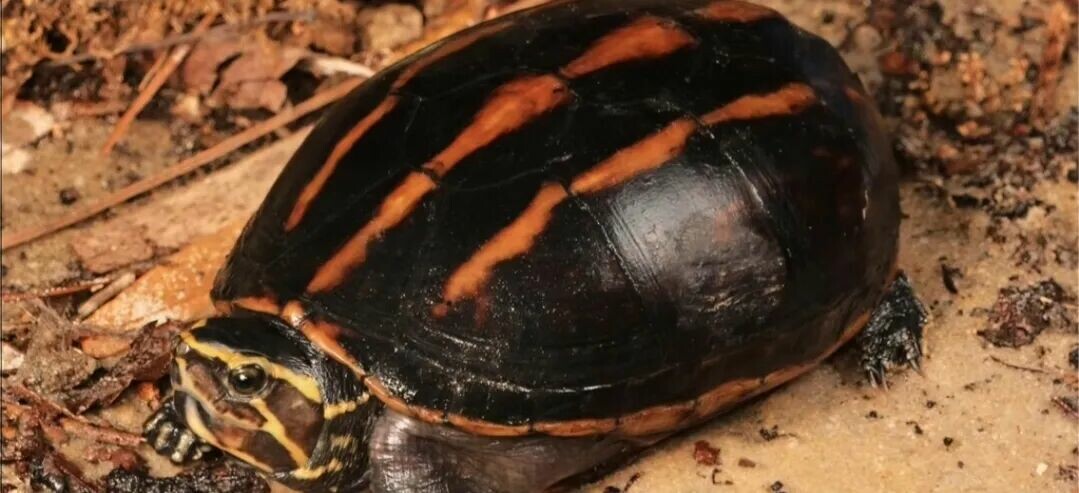
“Keeled box turtle” (Saw-edged) and “Yellow-margined box turtle,” similar names, yet they have led to different turtle lives. Friends who have read Old Wu’s articles know the frequency of the Yellow-margined box turtle’s appearance in Old Wu’s posts. It is not only because Old Wu favors them, but also because of the current level of affection everyone in the pet turtle circle has for the Yellow-margined.
And the Keeled box turtle, in some cases, is often chosen as a lower-tier substitute for the Yellow-margined or for a co-habitation experience.
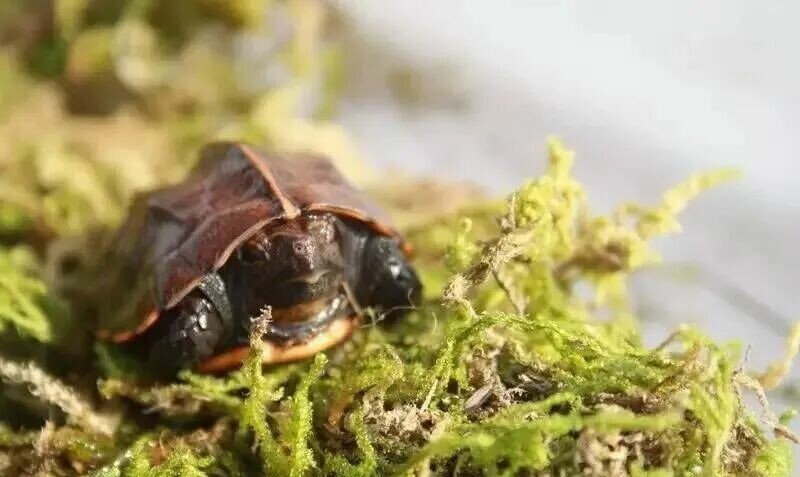
Similar to the Yellow-margined in most cases, the Keeled box turtle also belongs to the semi-aquatic turtle species (Note: turtles living in the environment at the interface of water and land). It can also achieve a “soil-based” rearing environment, and its habits are almost similar. But this “fellow,” despite looking more like a “big boss” than the Yellow-margined, has hatchlings with constitutions far inferior to the Yellow-margined brothers.
Three Major Difficulties in Rearing Keeled Hatchlings
Difficulty 1: Refusal to Eat (Not Starting Food)
The first difficulty in rearing Keeled hatchlings—refusal to eat. Yes, this fellow belongs to the representative group that can “starve to death while alive.” Compared to the problem of other turtle species not eating, where we can say starve them for a few days and then feed some strong-smelling loaches or turtle food to assist in starting them on food, with the Keeled, it really depends on its mood. If the mood is bad, it will starve to death just to show you, leaving you with no strategy other than worrying helplessly.
Difficulty 2: Fragile Gastrointestinal System
Do you think you can get a healthily growing Keeled turtle after successfully getting it to eat? Then you are wrong. The digestive ability of the Keeled’s stomach and intestines is not strong, which makes it extremely sensitive to food choices and feeding temperatures; otherwise, it is extremely easy to trigger gastroenteritis and other diseases that lead to being “buried in soil at any time.”
Difficulty 3: Fungal Infections and Shell Rot
It is hard to imagine that a semi-aquatic turtle species would be prone to these two aquatic diseases. But this is also thanks to the Keeled’s unique marginal scutes. As can be seen from the previous pictures and article introduction, the position of the Keeled’s marginal scutes is a row of saw-toothed shell. In a soil-based environment, mud often gets embedded in the corners of the saw-tooth gaps, which cannot be cleaned off by simply soaking in water. This means that if the owner cannot help them clean up in time, the Keeled will carry damp mud stains on its carapace for a long time, triggering fungal and shell rot problems.
Rearing and Price of Keeled Box Turtles
But if successfully acclimated, or if a healthy hatchling is selected from a reliable seller, the rearing experience of the Keeled is indeed not inferior to that of the Yellow-margined. The two have similar rearing environments and identical living habits. An acclimated Keeled is also a good hand at interaction. This is also the reason why many people choose the Keeled as a substitute after considering the price of the Yellow-margined. After all, compared to the current price of even the Taiwanese Yellow-margined which is around 400 CNY, you can often choose a healthy large Keeled hatchling for only around 200 CNY.
Many hobbyists also have a preference for collecting varieties. After raising Yellow-margined turtles, they will also choose to introduce Keeled turtles to increase the diversity of the turtle tank. After all, the habits and environment of the two are similar, and they indeed support co-habitation.
Risks of Mixing Keeled and Yellow-Margined Box Turtles
However, Old Wu wants to give a friendly reminder here—the Keeled’s beak and bite force are enough to “crush the head”of a Yellow-margined. Even when the body sizes of the two are about the same, the small head of the Yellow-margined looks like a slightly larger piece of turtle food in the eyes of the Keeled (after all, the colors are very similar). After all, examples of “your two hundred yuan successfully killing your two thousand yuan” have already been born.
Original article by KPTer, if reproduced, please cite the source: https://www.kaipet.com/en/analysis-keeled-box-turtle-rearing-difficulties-hatchling-feeding-initiation-gastrointestinal-issues

Comments(1)
Thanks for highlighting the unique challenges of Keeled box turtles! I was wondering if anyone has tips for preventing fungal issues, especially with those serrated edges?