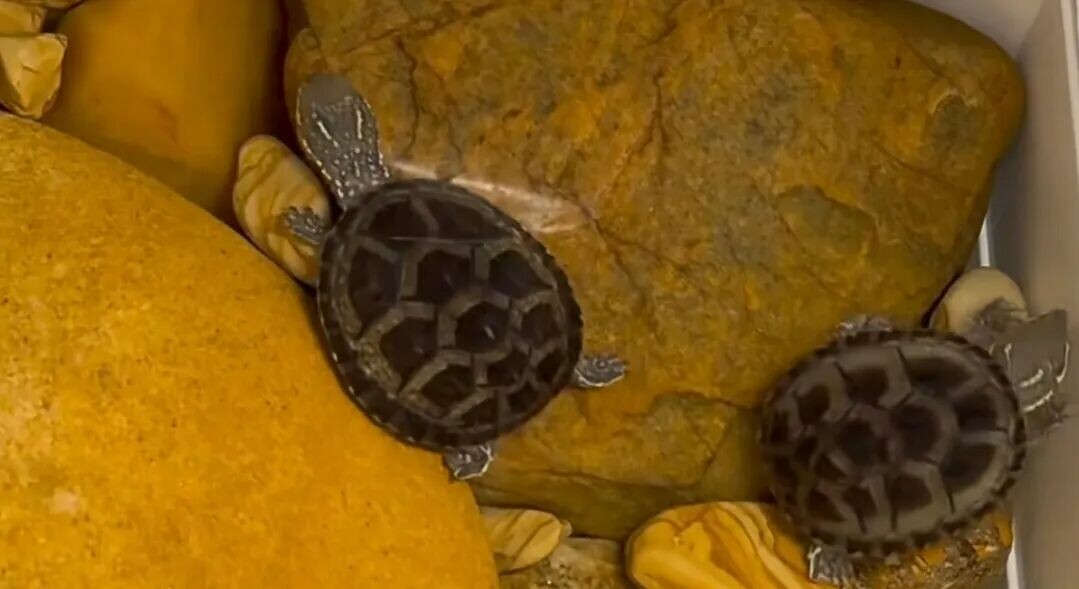
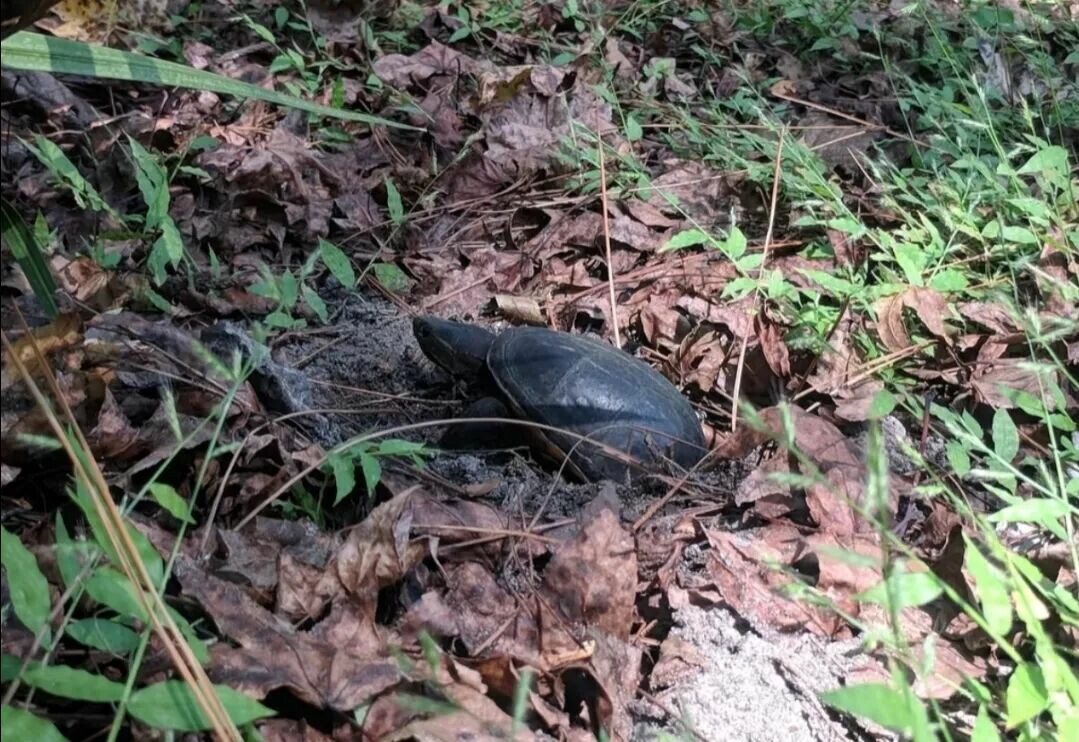
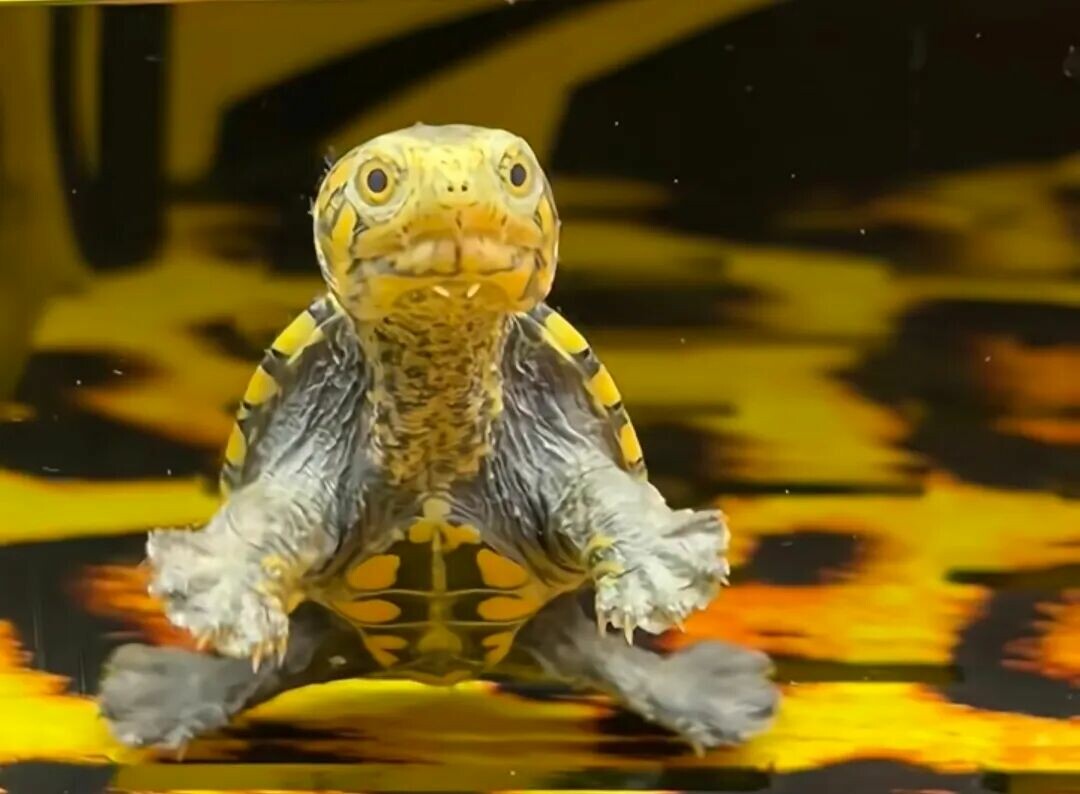
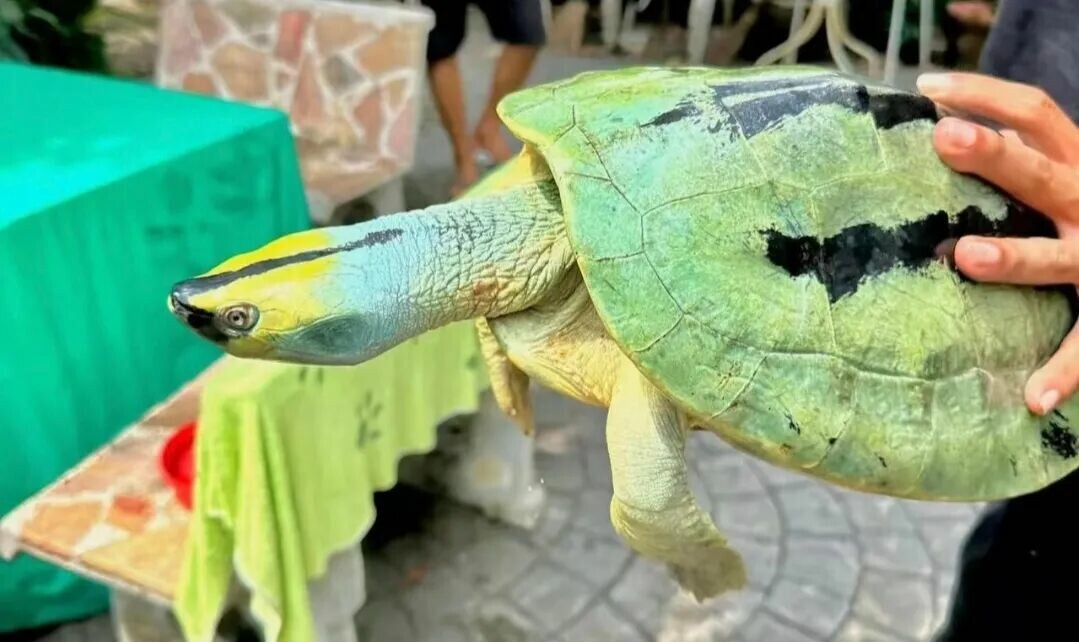
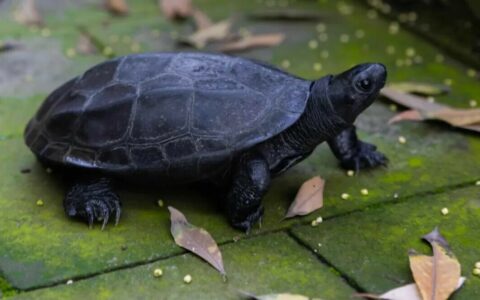
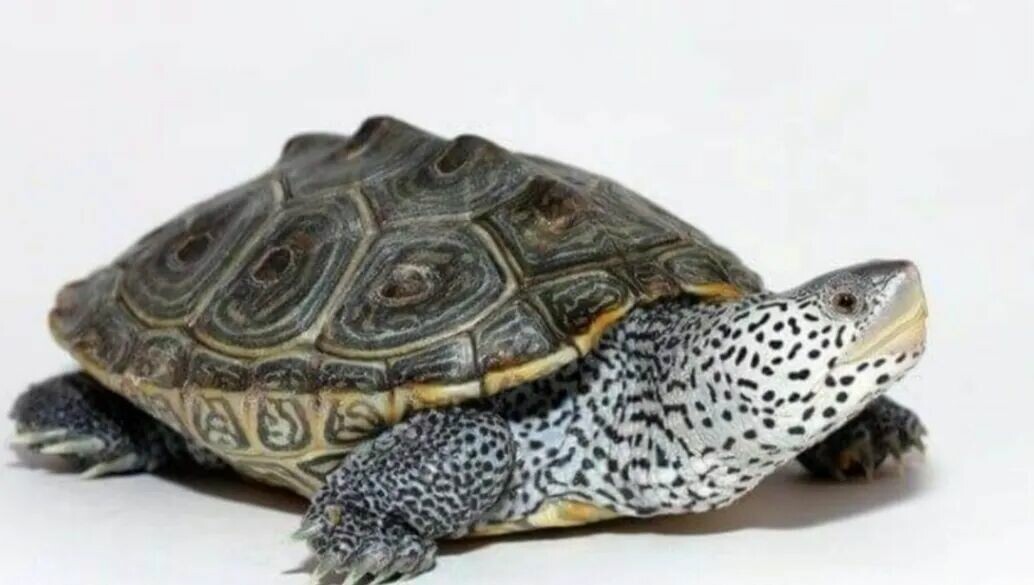
The Diamondback Terrapin is a turtle native to the United States that has gradually come into the public eye in recent years. Belonging to the Emydidae family and the genus Malaclemys, it is the only species in the genus Malaclemys and was named by Gray in 1844. It is a medium-sized aquatic freshwater turtle; the male carapace straight-line length can reach up to 18 cm (approx. 7.1 in), and the female can reach up to 32 cm (approx. 12.6 in).
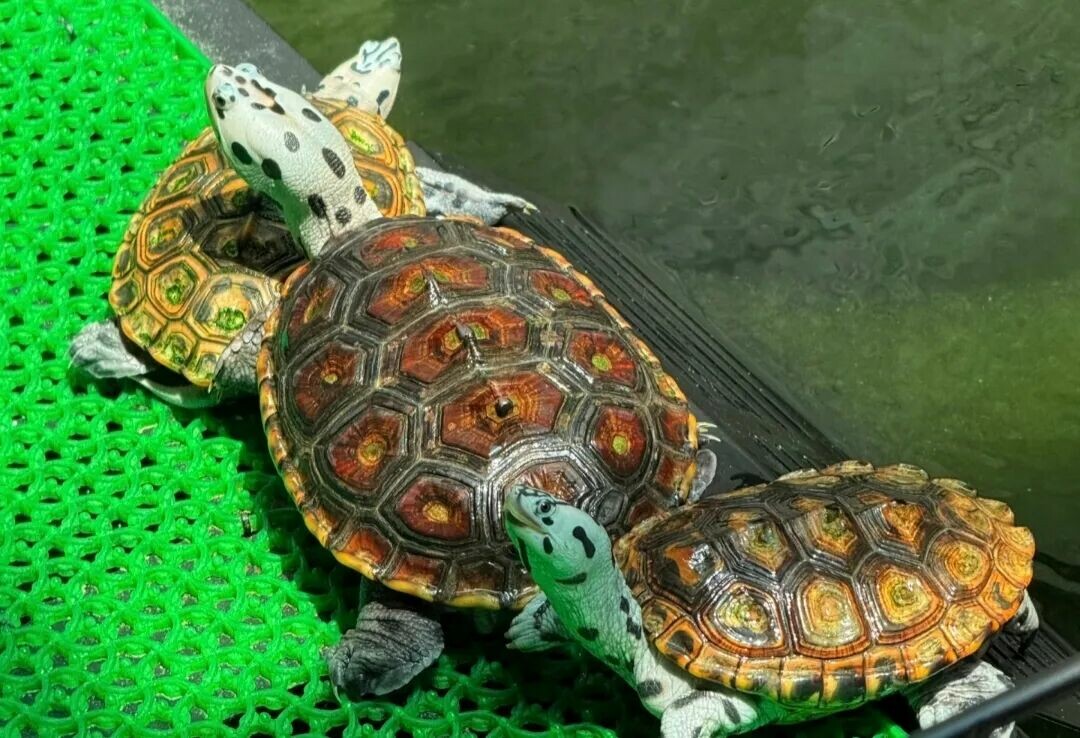
The 7 Subspecies Classifications of Diamondback Terrapins
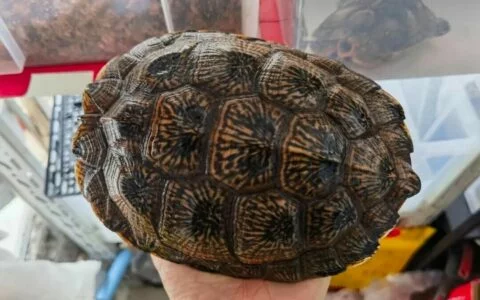
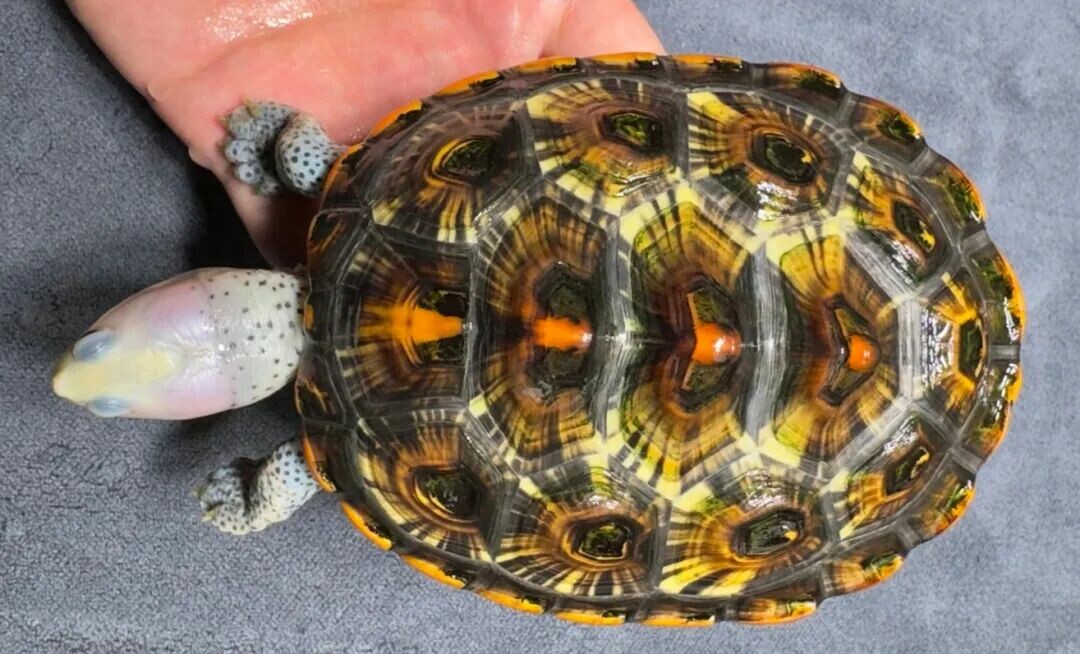
Currently, the market simply classifies Diamondback Terrapins into “Small Flower” (small pattern), “Medium Flower” (medium pattern), and “Large Flower” (large pattern) based on the distribution and shape of their patterns. In fact, apart from the ability to hibernate, these do not constitute a subspecies distinction; for example, both Northern Diamondback Terrapins and Carolina Diamondback Terrapins can have small and large patterns.
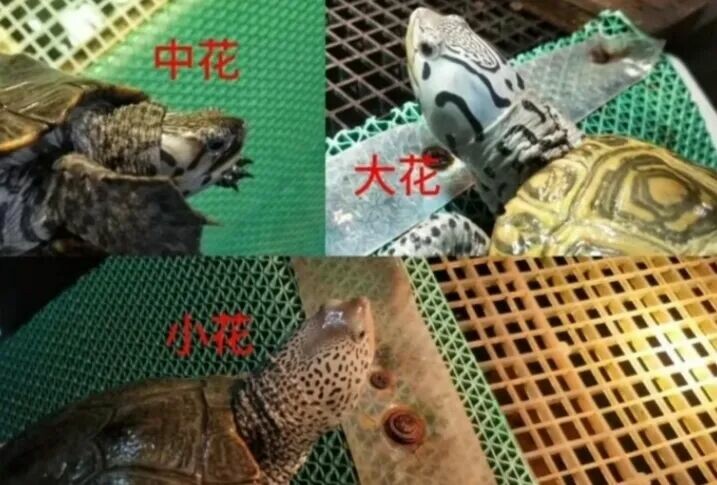
“Small Flower”: Short and dense small floral patterns are called Small Flower.
“Large Flower”: Thick, large, and long graphic shapes are called Large Flower (the price of Large Flower is generally several times that of Small Flower).
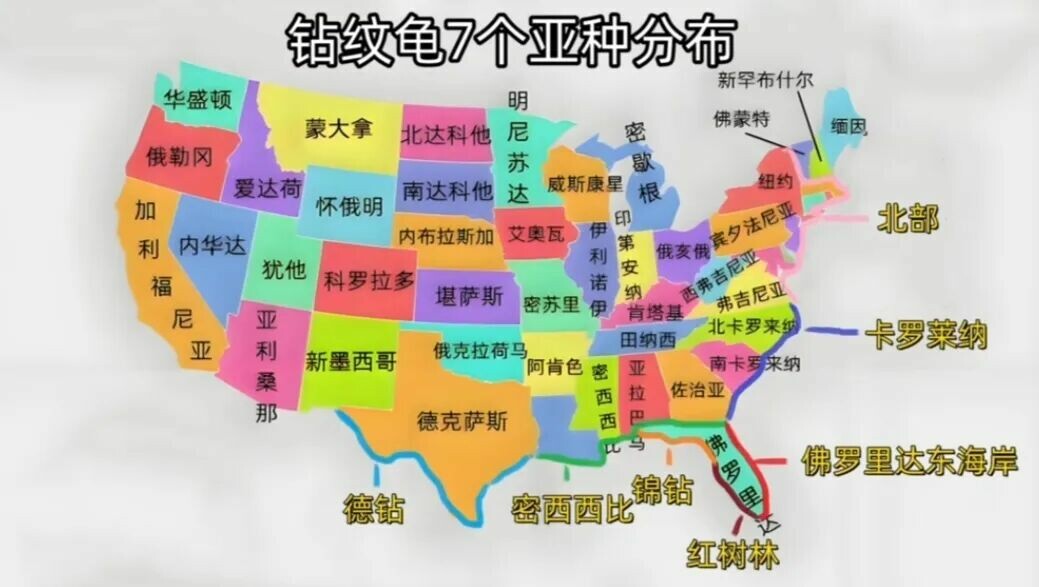
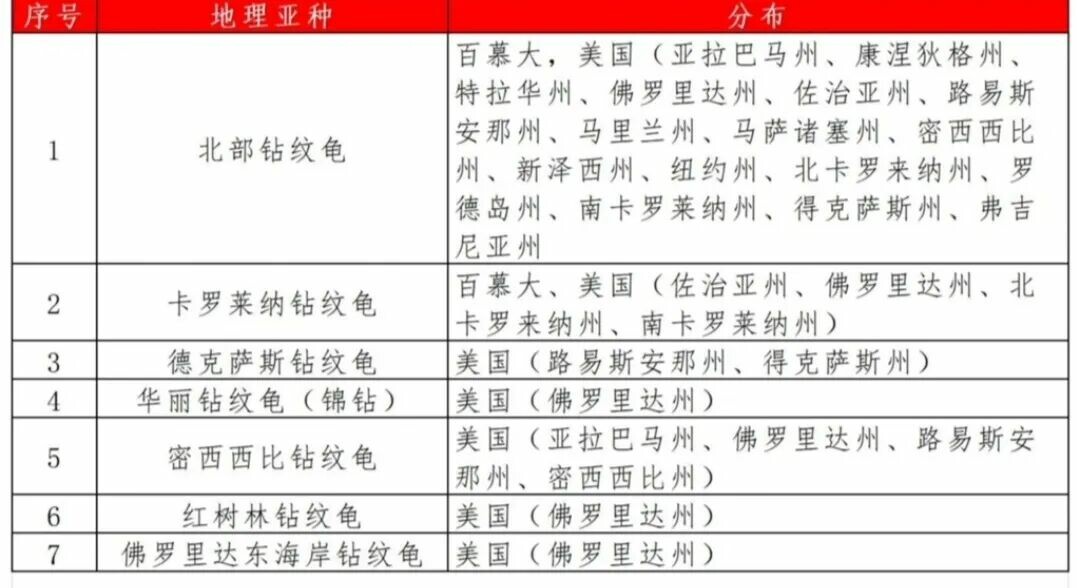
There are 7 recognized subspecies of Diamondback Terrapins. The 7 subspecies vary greatly due to regional differences, each with distinct characteristics. In terms of distribution, those growing in cold regions have body sizes that are not as large as those in warm regions.
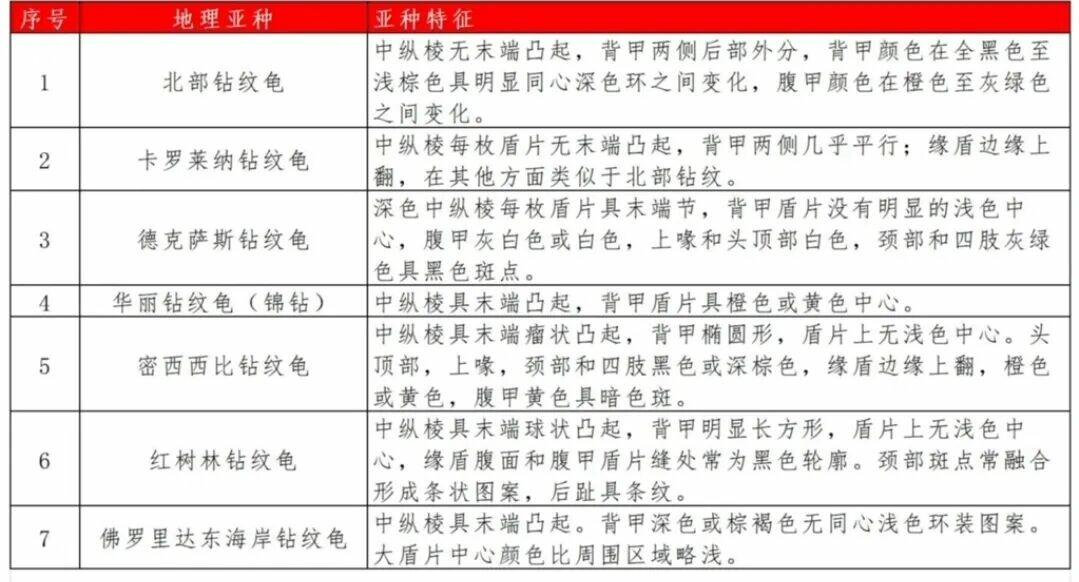
Northern Diamondback Terrapin
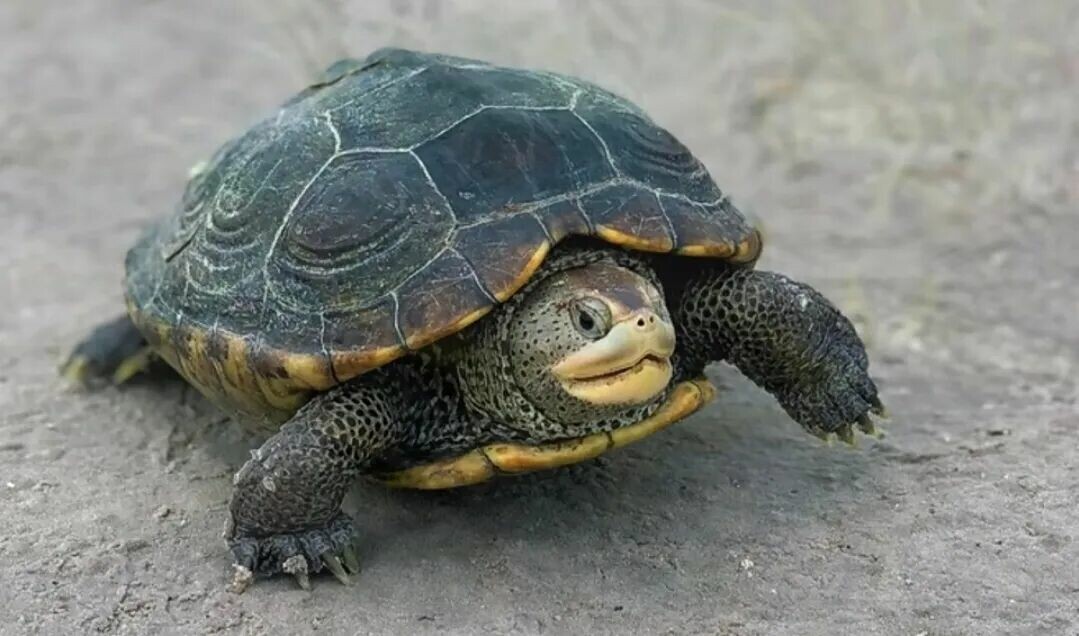
The Northern Diamondback Terrapin (the subspecies first described and named for this species) is the nominate subspecies. It is widely distributed in the northern United States, and unlike other subspecies, the Northern Diamondback Terrapin can hibernate. The carapace of the Northern Diamondback Terrapin ranges from black to light brown. The Northern Diamondback Terrapin possesses cold-resistant characteristics and can hibernate in an environment of 5°C (41°F).
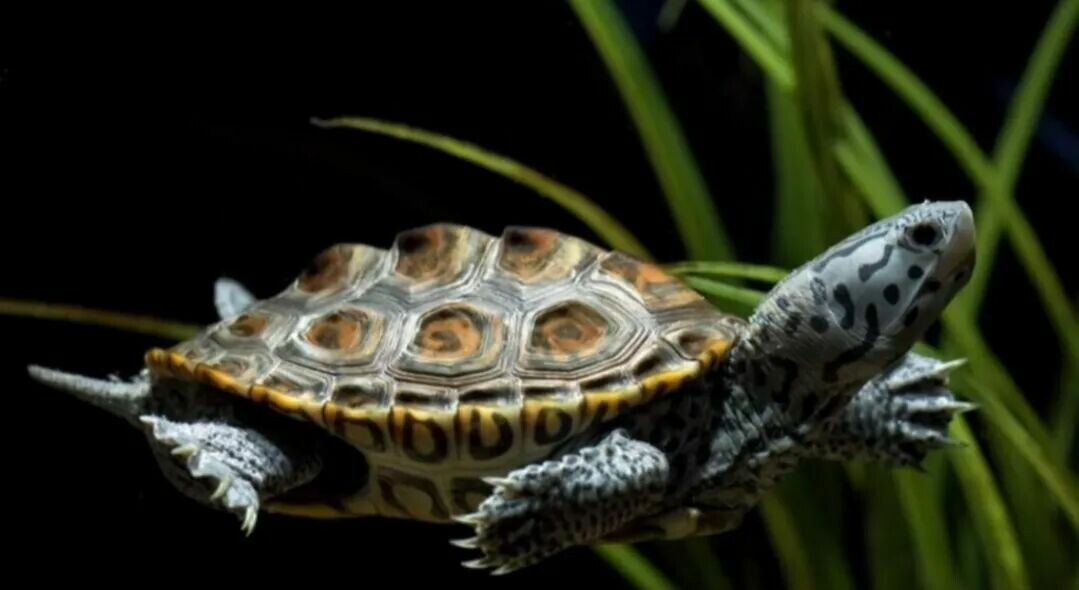
Carolina Diamondback Terrapin
Referred to domestically in China as “Ka Zuan”, they are usually distributed along the eastern coast of the United States. They are famous for the Carolina Diamondback Terrapin’s exquisite concentric circle patterns, and there is also a distinction between “Large Flower”and “Small Flower” in China.
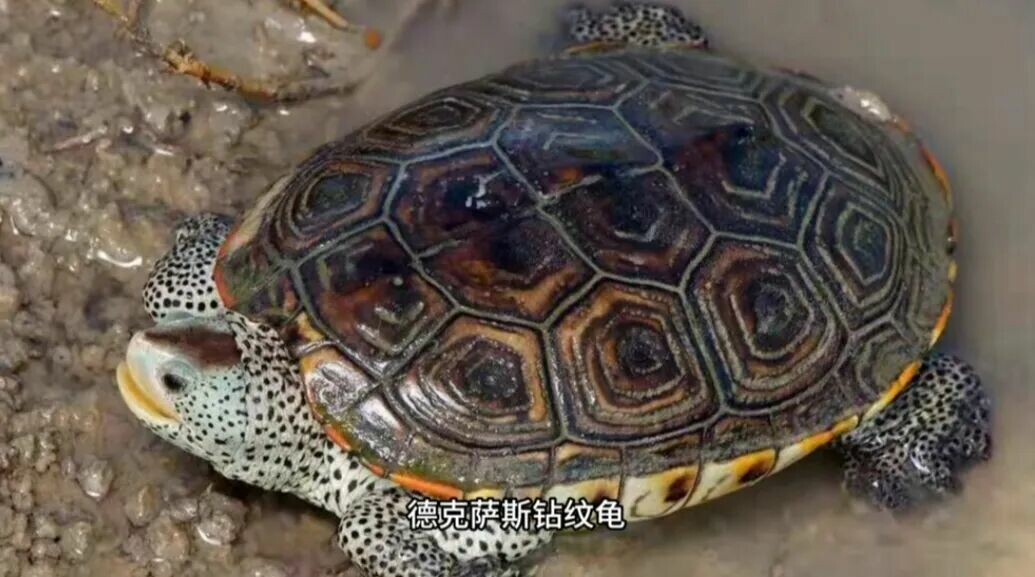
Texas Diamondback Terrapin
The Texas Diamondback Terrapin has a dark central longitudinal keel and a grayish-white plastron.
Ornate Diamondback Terrapin (Jin Zuan)
The Ornate Diamondback Terrapin is currently the variety most liked by the public; just looking at the name, one knows it is the most ornate among Diamondback Terrapins. The carapace of the Ornate Diamondback Terrapin is bright yellow, and the spots on the head are very small. The skin of the entire head may even appear white with a hint of red after development is complete. “Jin Zuan” generally have pink heads, white heads, or blue heads, with pink heads being the most favored by keepers.
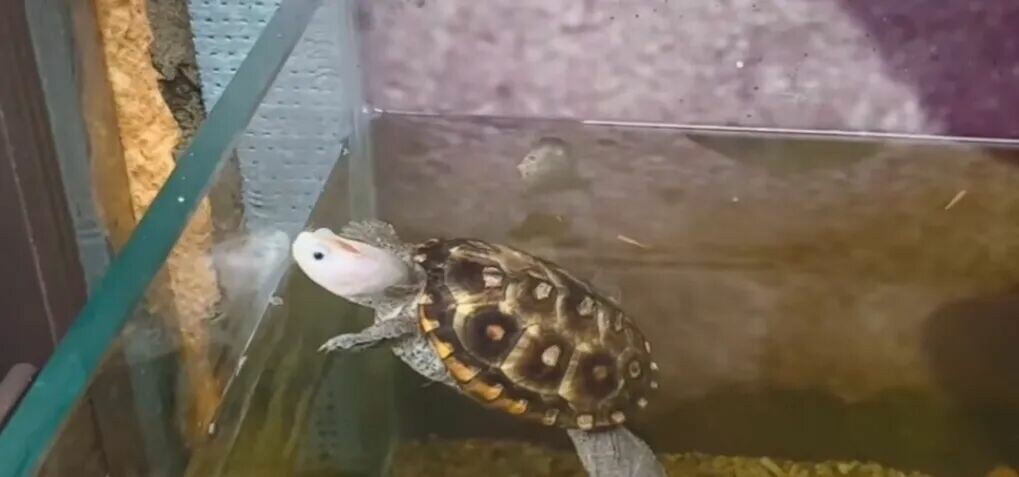
Mississippi Diamondback Terrapin
The Mississippi Diamondback Terrapin typically has large areas of black patterns on its carapace and plastron. Their carapace also has three bulbous knobs. The upper and lower jaws of the Mississippi Diamondback Terrapin are also very dark, and even the legs of the Mississippi Diamondback Terrapin are usually black; it can be said to be the blackest subspecies.
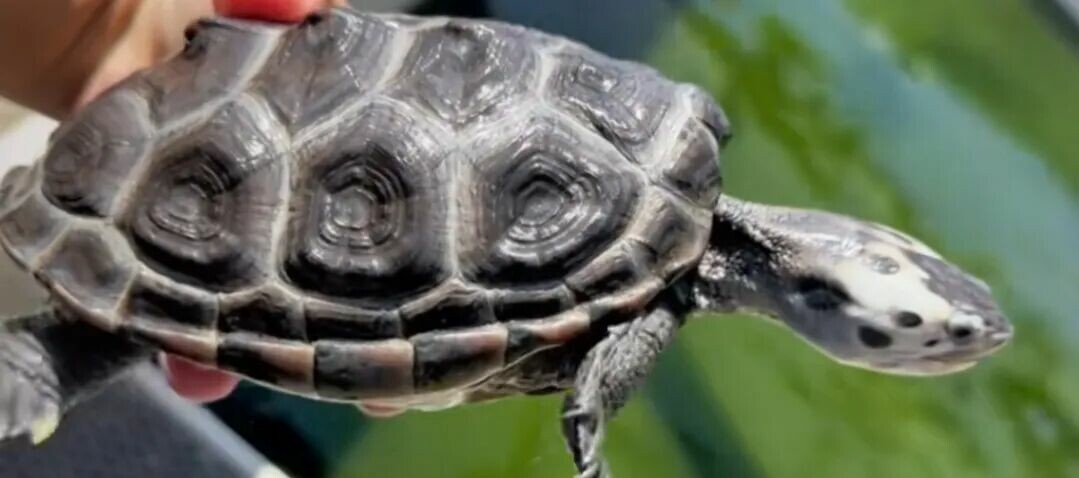
Mangrove Diamondback Terrapin
The Mangrove Diamondback Terrapin has the smallest distribution area among the 7 subspecies, distributed in the Florida Keys, and is also the rarest and most uncommon Diamondback Terrapin.
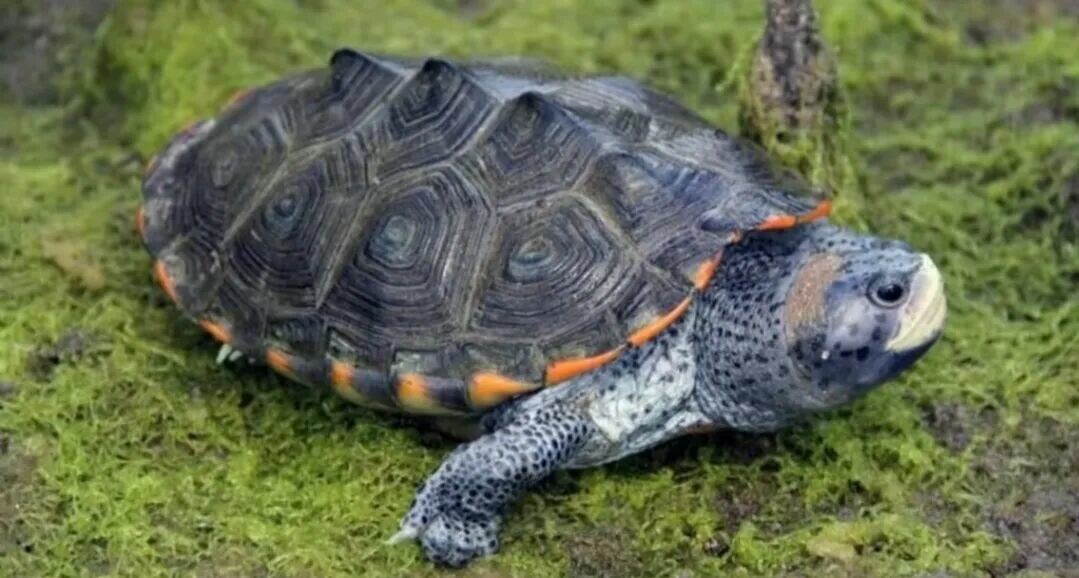
Florida East Coast Diamondback Terrapin
The Florida East Coast Diamondback Terrapin is abbreviated as East Zuan or Florida Zuan. The shells of juvenile Florida East Coast Diamondback Terrapins are bright and light-colored. After reaching adulthood, the shell color of the Florida East Coast Diamondback Terrapin turns into a dark coffee color or black, and the Florida East Coast Diamondback Terrapin has black dotted or striped patterns. The Florida East Coast Diamondback Terrapin has 3 pearl-like knobs that are much larger than those of the Northern Diamondback. The carapace scutes of the Florida East Coast Diamondback Terrapin usually have fewer concentric circles.
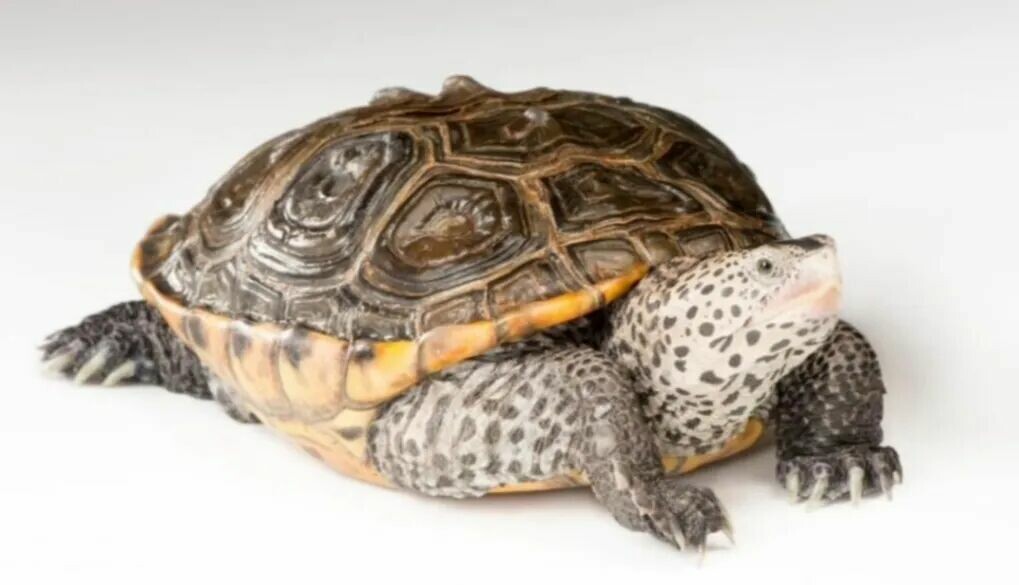
Geographical Distribution of Diamondback Terrapins
Habits of Diamondback Terrapins
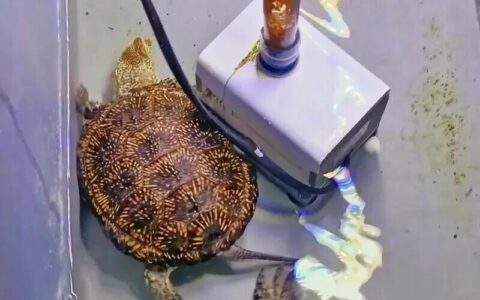
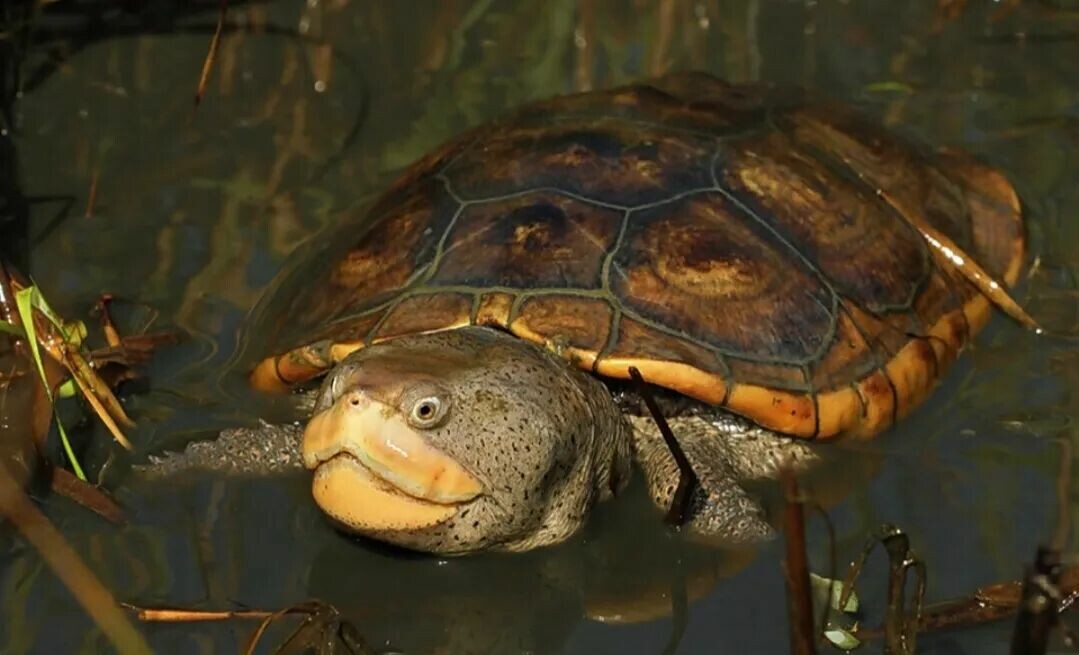
The habits of the Diamondback Terrapin are very special. The Diamondback Terrapin is a brackish water type (referring to a salinity environment between freshwater and seawater) turtle. In its place of origin, it is mainly distributed in coastal salt marshes where the water salinity is between seawater and freshwater. The Diamondback Terrapin is one of the few turtles that can adapt to this environment. In addition, the Diamondback Terrapin has an active temperament, likes to move around, and has the habit of going ashore to bask. The optimal temperature is 28°C (82.4°F).
Setting Up the Breeding Environment
Reading this, many people may struggle with whether to keep Diamondback Terrapins in saltwater or freshwater. In fact, after several generations of breeding and selection, artificially bred Diamondback Terrapins can adapt well to freshwater. However, artificially bred Diamondback Terrapins do indeed have higher requirements for water quality than other turtle species. It is recommended to maintain weak alkalinity in the water, with a pH value between 7 – 8 being suitable. Coral sand can be laid at the bottom to maintain weakly alkaline water quality.
Diet
Diamondback Terrapins are purely carnivorous turtles. In the wild, Diamondback Terrapins mainly feed on crabs, shellfish, and snails, and occasionally eat some fish and shrimp. Their dietary structure differs from most omnivorous aquatic turtles.
Reproduction
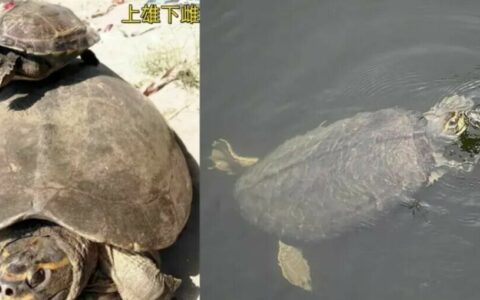
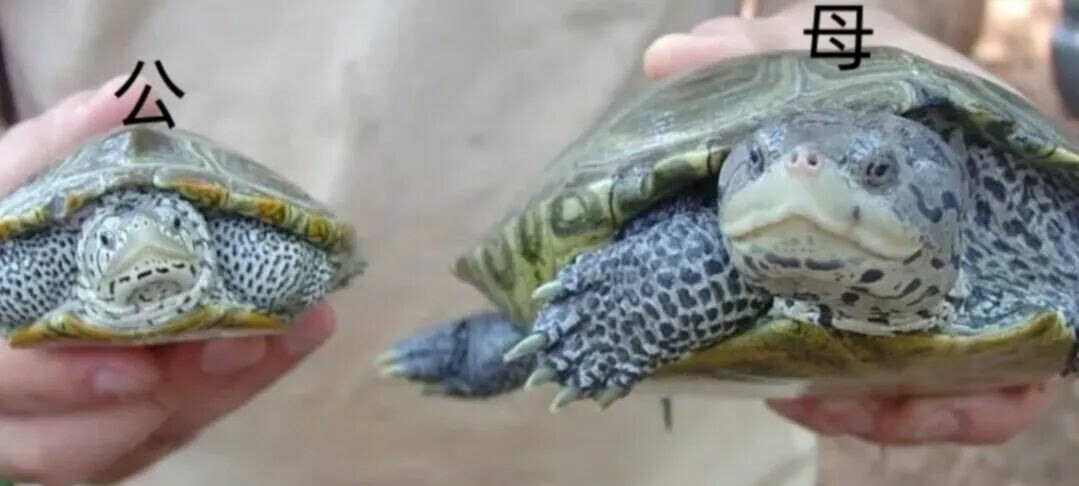
Diamondback Terrapins are typical sexually dimorphic (referring to significant differences in morphology, size, or other characteristics between male and female individuals of the same species) animals. Adult females are significantly larger than males, and the body length of adult female Diamondback Terrapins can often reach twice that of males. Individuals in cold regions are usually smaller than those in warm regions.
The breeding season is concentrated from April to July each year. Female turtles will lay 2 – 3 clutches of eggs, with about 3 – 9 eggs per clutch.
The sex determination mechanism of Diamondback Terrapins is quite special. Studies have found that, similar to tortoises, sex determination is affected by incubation temperature: at about 33°C (91.4°F), the female rate can reach 95.74%, while at about 25°C (77°F), males are dominant. This reflects nature’s temperature-dependent sex determination mechanism (TSD).
Hibernation
Northern Diamondback Terrapins living in the cold regions of the United States will hibernate, and in most parts of China, they can hibernate naturally. The recommended hibernation temperature is 8-15°C (46.4-59°F). They begin feeding above 20°C (68°F), and 25-29°C (77-84.2°F) is most suitable for activity. Diamondback Terrapins distributed in warm regions (such as Florida and the Gulf of Mexico) do not hibernate and are also intolerant of cold.
Conservation Status
Diamondback Terrapins were once almost fished to extinction due to their delicious taste. In the late 19th century, Diamondback Terrapins were used in large quantities to make soup, resulting in an astonishing annual catch in the Chesapeake Bay area. Today, the conservation status of Diamondback Terrapins has improved, but they still face challenges. The Diamondback Terrapin is listed as a Near Threatened species by the International Union for Conservation of Nature (IUCN) and is listed in Appendix II of the Convention on International Trade in Endangered Species of Wild Fauna and Flora (CITES).
In the United States, the conservation status of Diamondback Terrapins varies by state. Rhode Island lists it as an endangered species, Massachusetts lists it as a threatened species, while in 6 states such as Georgia and Delaware, Diamondback Terrapins are listed as a “species of concern”.
In New York, although Diamondback Terrapins “seem safe,” they are still considered vulnerable locally and are at risk of disappearing from New York. New York state law defines Diamondback Terrapins as a “game species with no open season”, meaning that hunting or capturing them is not allowed at any time.
Original article by 搬运工, if reproduced, please cite the source: https://www.kaipet.com/en/diamondback-terrapin-care-guide-comprehensive-analysis-7-subspecies-classifications-water-quality-environments