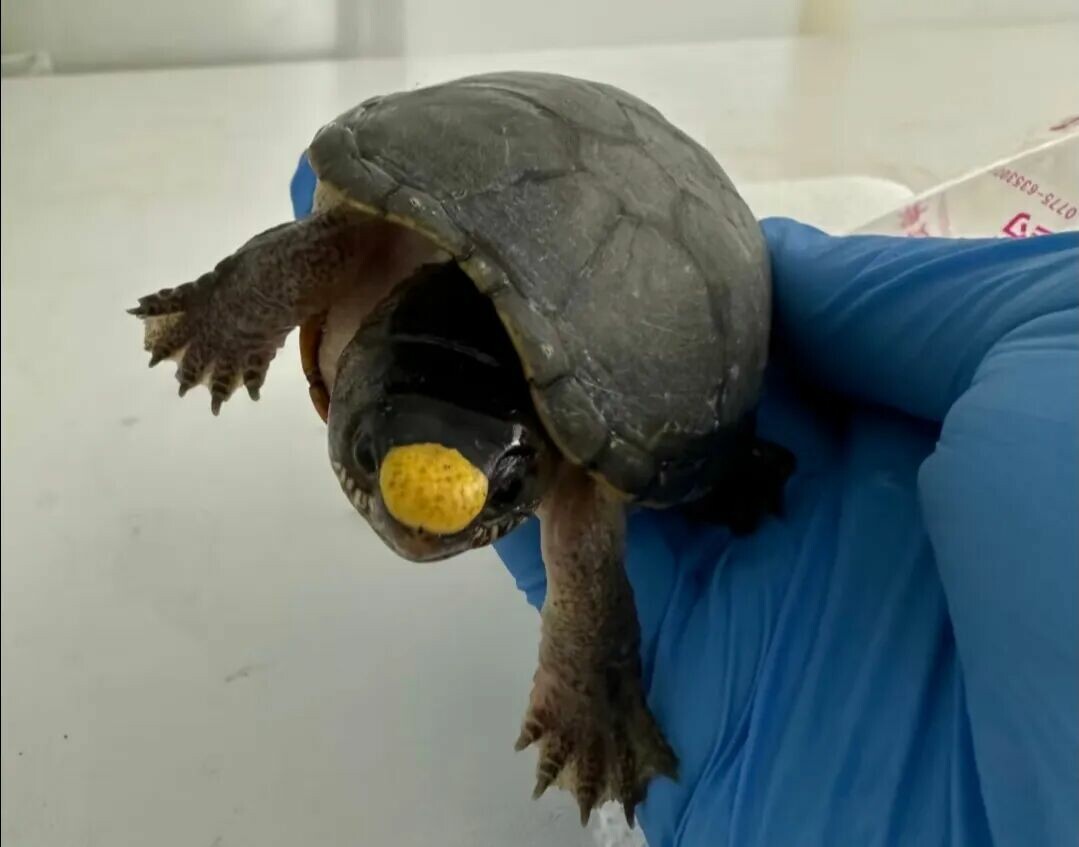
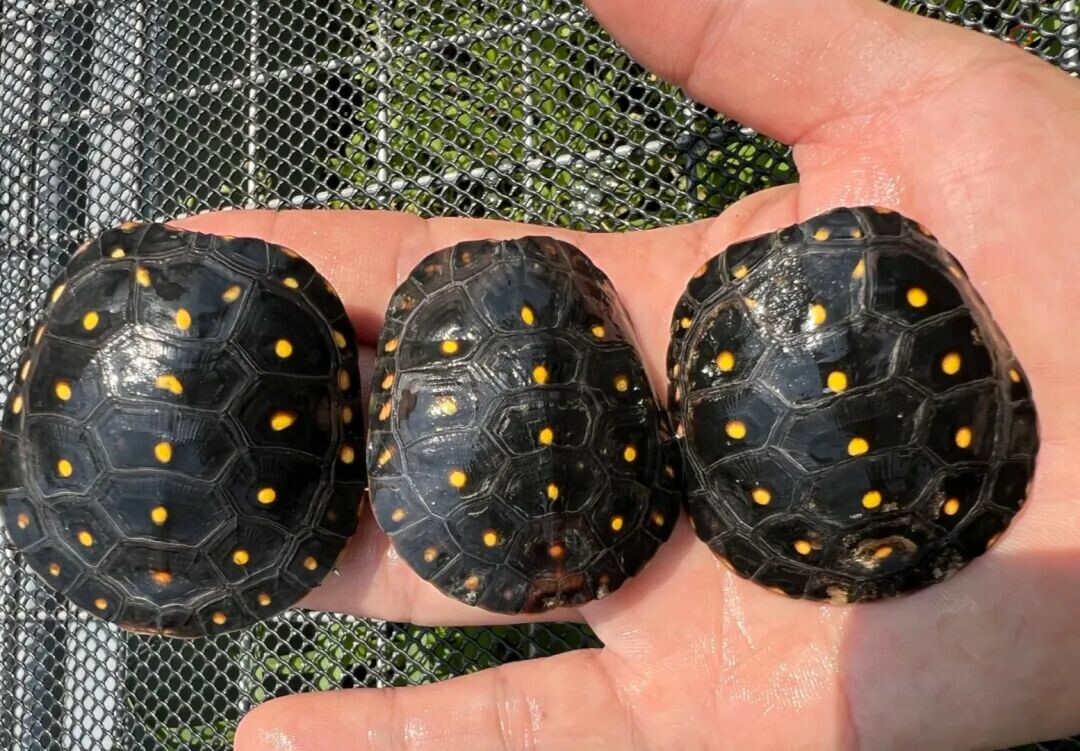
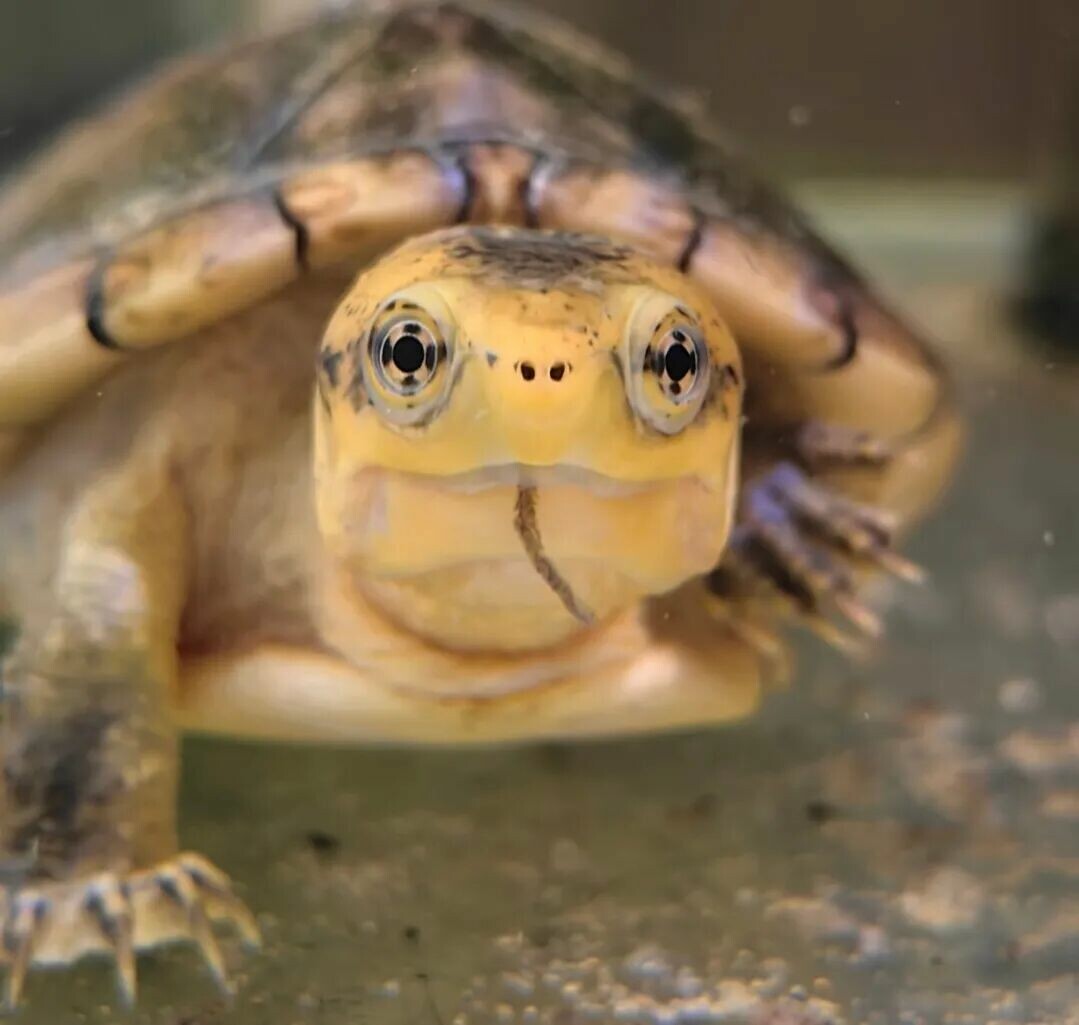
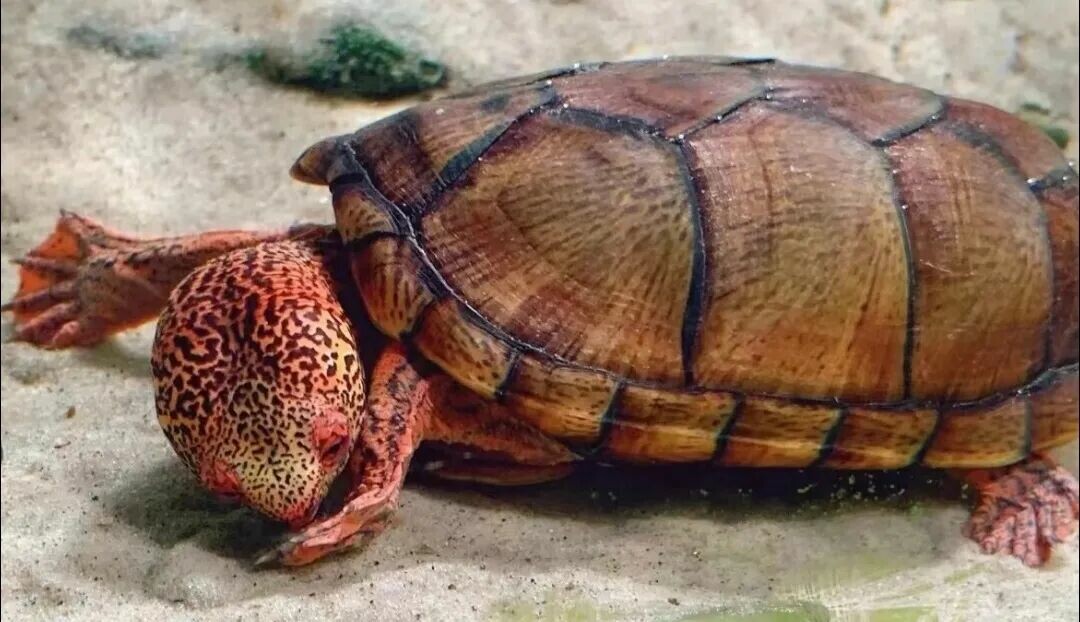
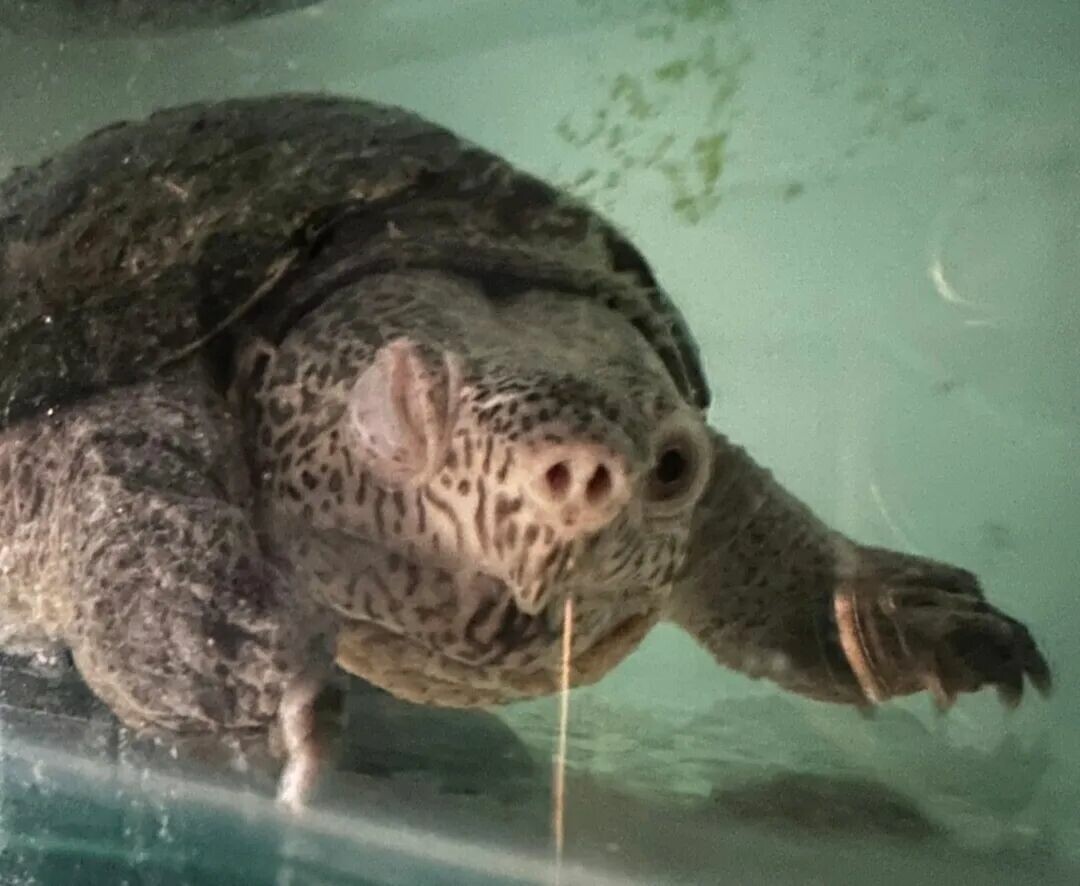
In traditional Chinese culture, turtles have always been symbols of wisdom and longevity. However, there is a creature living in nature that scientists consider to be the "world’s smartest turtle"—the Wood Turtle.

Signs of Intelligence
In the animal kingdom, turtles are generally not known for high intelligence, but the Wood Turtle is an exception. This North American native is known as the "primate of the turtle world," and its cognitive abilities have amazed researchers. Scientists have conducted maze experiments and discovered that Wood Turtles exhibit learning abilities comparable to those of the brown rat (Rattus norvegicus) during food foraging. They can memorize routes and quickly find their targets; this navigation ability is extremely rare among turtles.
Even more amazing is their homing instinct. One study found that a male Wood Turtle, after being relocated to a spot 2.4 kilometers (1.5 miles) away, successfully returned to his original location after 5 weeks.
Biological Characteristics
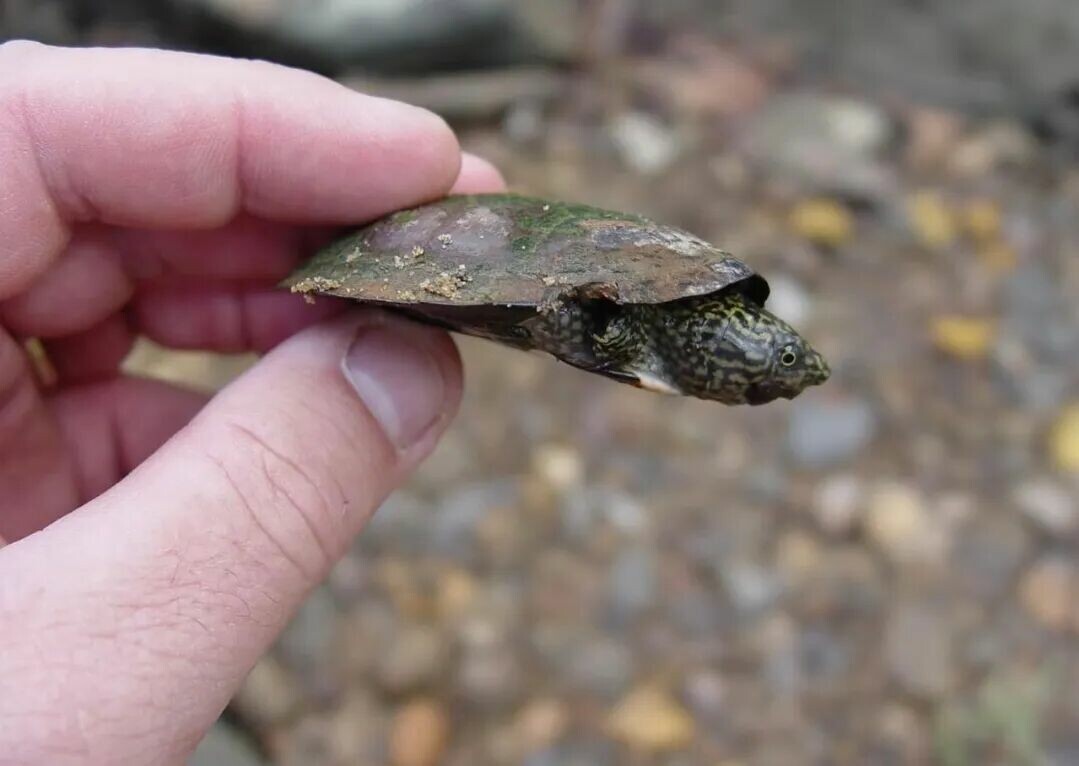
The Wood Turtle belongs to the family Emydidae and the genus Glyptemys. It is a small to medium-sized semi-aquatic freshwater turtle. The maximum straight carapace length can reach 24.4 cm (9.6 inches) for males and 22.5 cm (8.9 inches) for females.
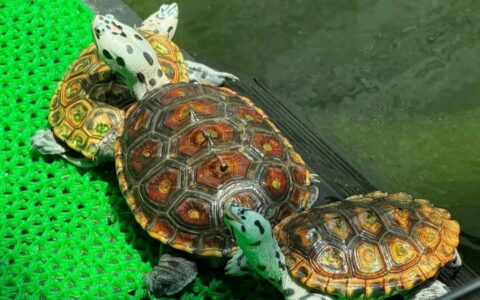
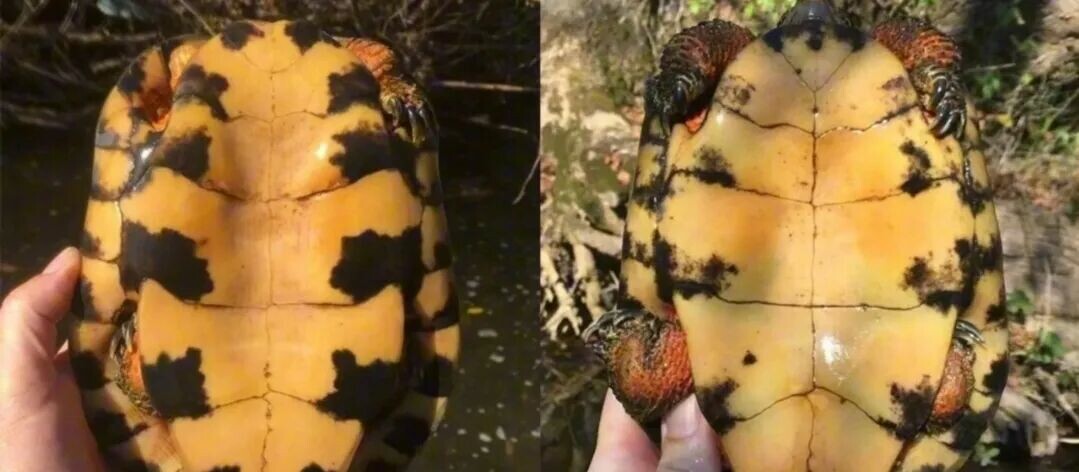
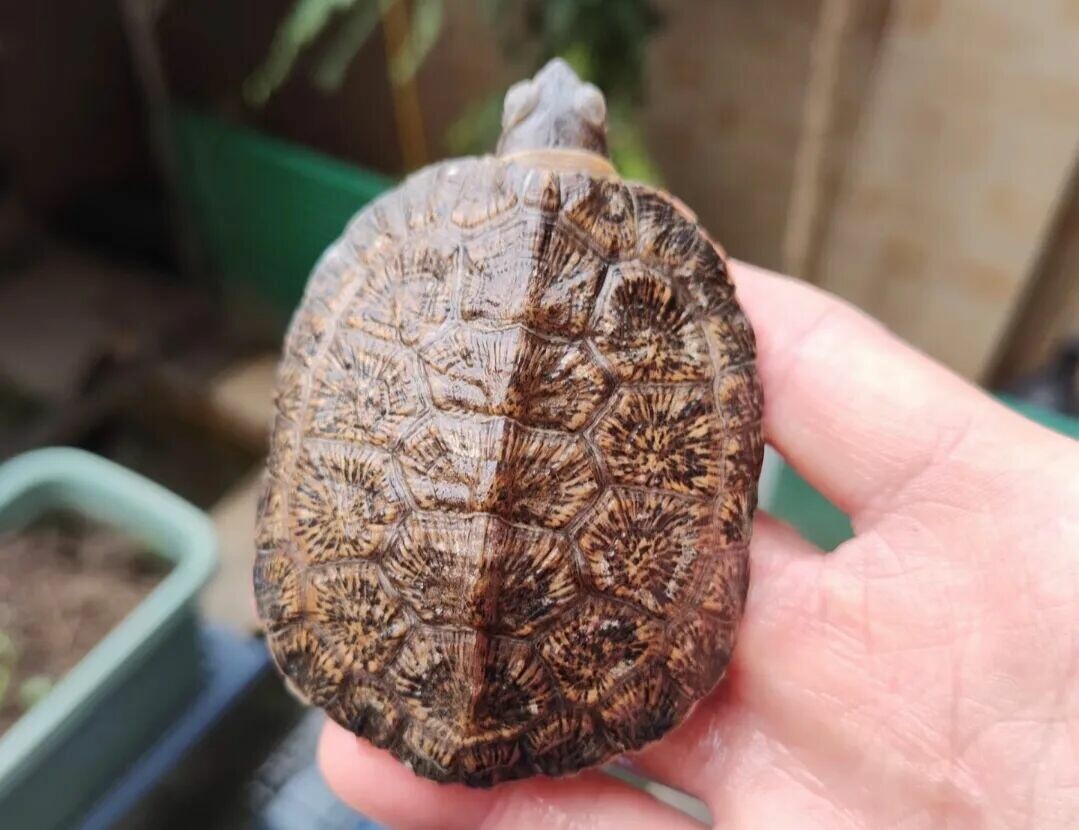
In terms of appearance, the shell is rough and ranges from yellowish-brown to grayish-brown or brown. The carapace features beautiful, unique patterns, and each scute has distinct concentric growth rings resembling tree rings, which is the origin of its name. The plastron is yellow with dark blotches, and these ink-like markings on the plastron will gradually fade with age.
Life Habits
Wood Turtles are primarily distributed in North America, ranging from Nova Scotia in Canada to northern Virginia in the United States, as well as disjointed populations in southern Quebec and the Great Lakes region to the west. They prefer cool streams within woodlands, swampy meadows, and farm environments.

The daily life of this turtle is filled with the wisdom of adapting to its environment. After spring rainstorms, they often search for earthworms on freshly turned soil. They will alternately beat the ground with their front feet to mimic the sound of rain, luring the earthworms to emerge from the ground before preying on them.

Seasonal changes also deeply affect their behavioral patterns. Wood Turtles are diurnal creatures, but they will aestivate during extreme summer heat and hibernate on river bottoms from November to February or March of the following year during winter. They have a strong tolerance for cold and can remain active even in water temperatures of 5 degrees Celsius (41°F).
Captive Care
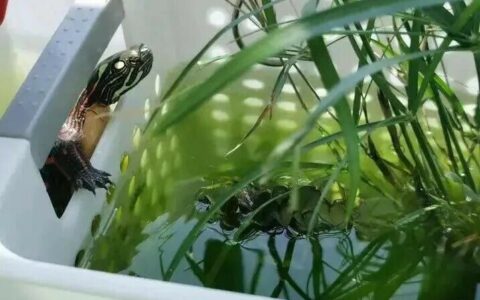
Wood Turtles prefer cold water; in the wild, they choose water sources with temperatures below 21-22 degrees Celsius (70-72°F). When kept indoors, it is best to use a UVB (Ultraviolet B) artificial light source. This not only helps them absorb calcium but also improves their immune system and inhibits the growth of pathogens in the water. For hatchlings, providing a semi-aquatic environment is particularly important. Since little Wood Turtles are not adept swimmers but happen to like water, it is recommended to use a shallow basin for water, and the water depth should not be too high.

Regarding food, Wood Turtles are omnivores, mainly feeding on terrestrial and aquatic plants and animals, including beetles, millipedes, slugs, as well as specific mushrooms, moss, and various insects. When keeping them, a diverse diet should be provided to avoid nutritional imbalance caused by a single food source.
Reproduction
In captivity, they can grow about 4 cm per year, reaching adulthood in 8-10 years, and they need to undergo normal hibernation before mating. Adult Wood Turtles can reach a carapace length of 14-23 cm. Wild individuals typically reach sexual maturity between 14 and 20 years of age and mostly reproduce in the third and fourth decades of their lives. The lifespan of wild individuals is about 50 years, while the longest record for a captive individual is 58 years.
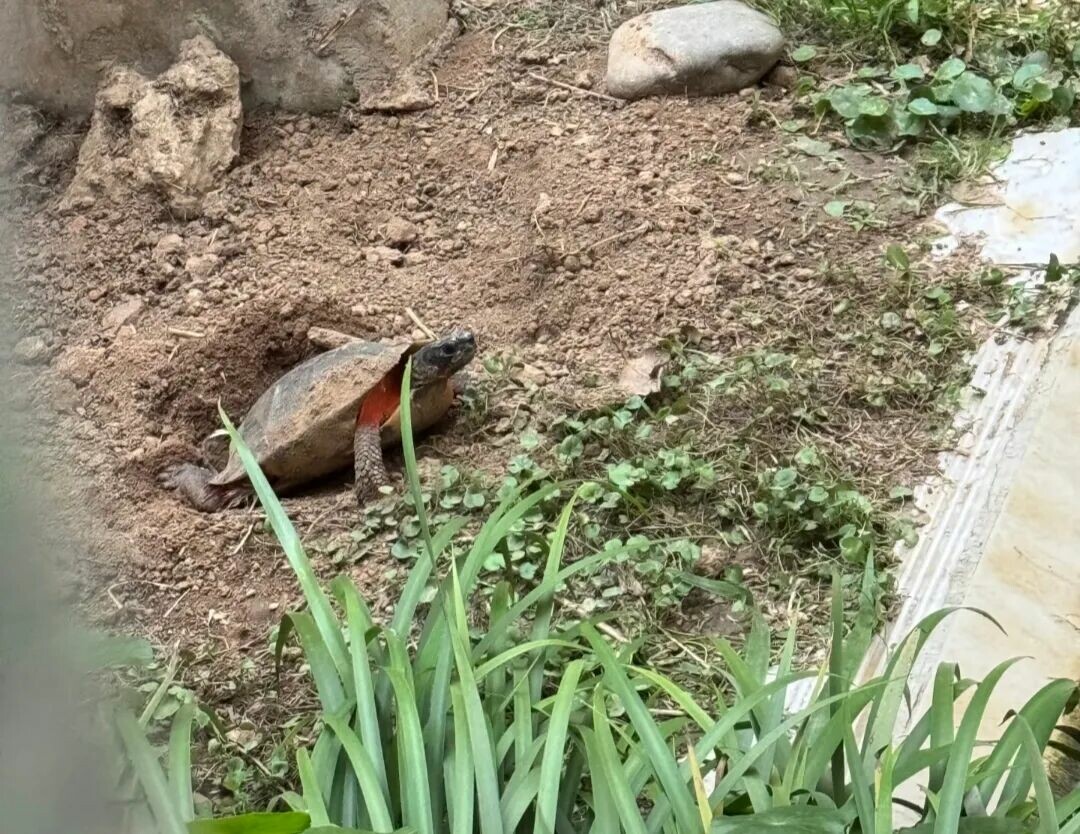
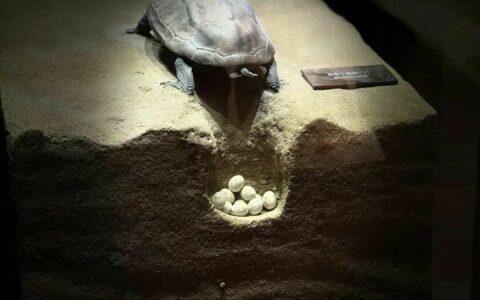
Female turtles usually lay eggs once a year, producing 5-13 eggs each time. The incubation period is approximately 40 days at suitable temperatures. It is particularly worth noting that the gender of Wood Turtle hatchlings is determined by genes rather than incubation temperature, which is completely different from most turtle species.
Hibernation
Wood Turtles have strong cold tolerance and can remain active even in water temperatures of 5 degrees Celsius, but they usually only eat when the temperature is above 15 degrees. When the temperature drops below 5 degrees, they will hibernate, sometimes burrowing into the mud and sand at the bottom of the river to overwinter.
Conservation Status
Before the 1960s, Wood Turtles were still a common turtle species in North America, but nowadays they have become very rare. Statistics from Michigan show that its population distribution consists almost entirely of adult individuals, suggesting that very few or no hatchlings are likely born each year.
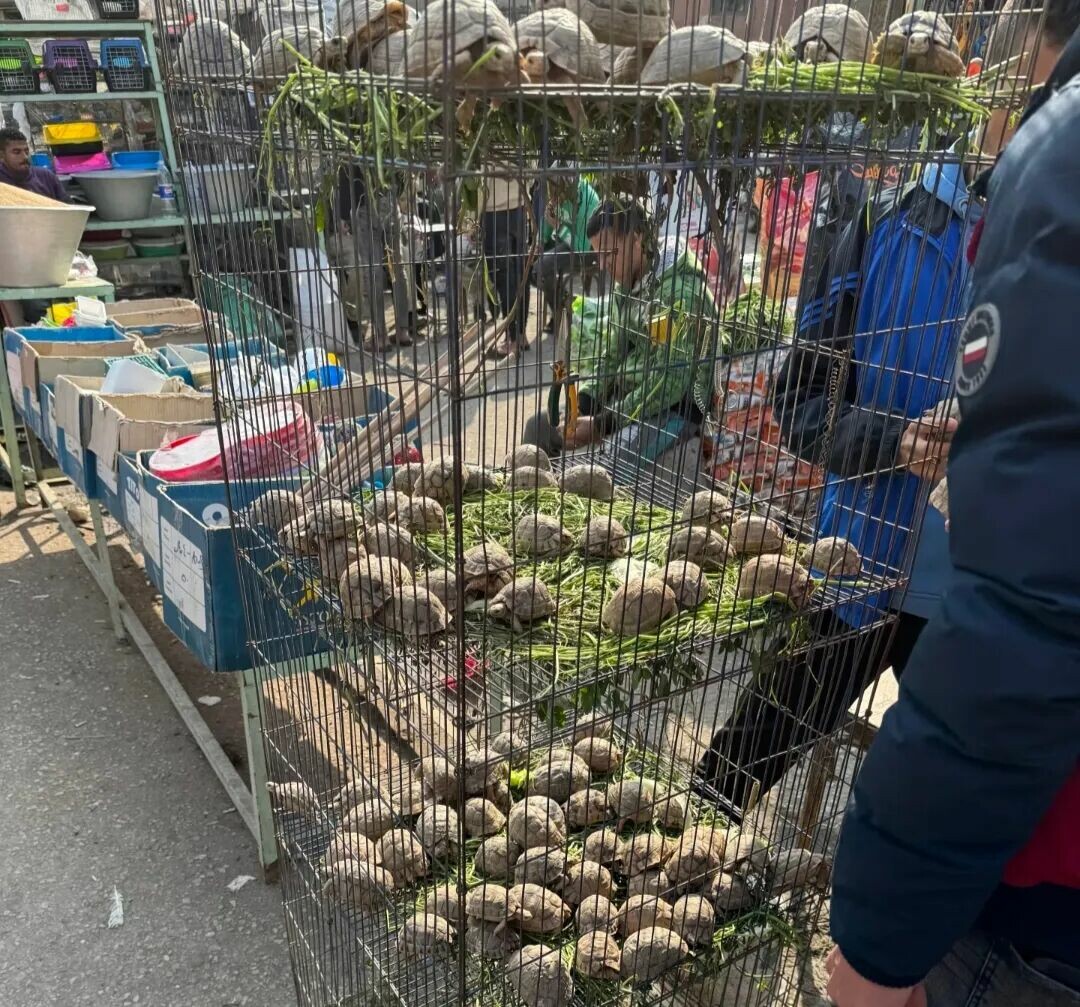
This situation means that when adult individuals eventually die, there will be no young individuals to replace them, and the population faces the risk of collapse. Currently, the Wood Turtle has been listed as Endangered on the "IUCN Red List of Threatened Species" and is also listed in Appendix II of the "Convention on International Trade in Endangered Species of Wild Fauna and Flora" (CITES). This means that all commercial trade involving Wood Turtles is strictly regulated.
In China, the Wood Turtle is approved as a Class II National Key Protected Wild Animal (restricted to wild populations). According to relevant regulations, any person who violates the provisions regarding license applications under the "Protection of Endangered Species of Animals and Plants Ordinance" may face prosecution, with a maximum penalty of a fine of HK$10 million and imprisonment for 10 years.
Original article by 搬运工, if reproduced, please cite the source: https://www.kaipet.com/en/worlds-smartest-aquatic-turtle-detailed-guide-intelligence-care-wood-turtles