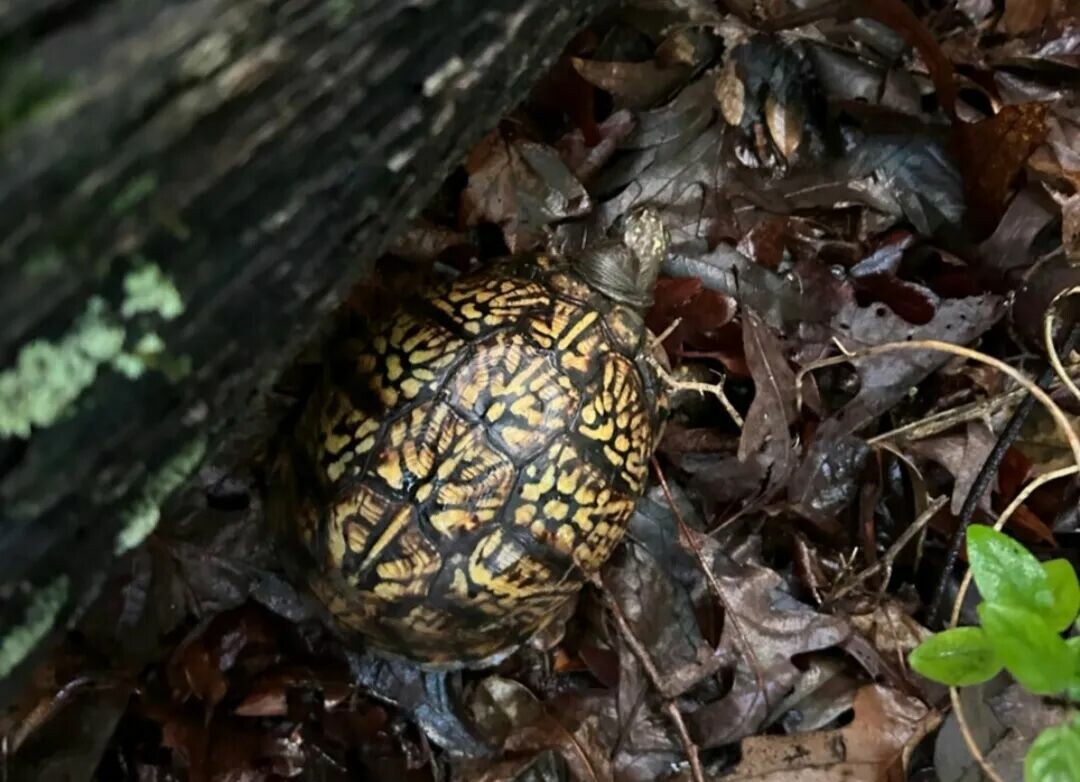
Turtles in the natural world are often viewed as slow-moving, mild-tempered creatures. However, hidden beneath this low-key appearance are many breathtaking superpowers, which serve as the skills they rely on for survival.
Freeze Tolerance Superpower
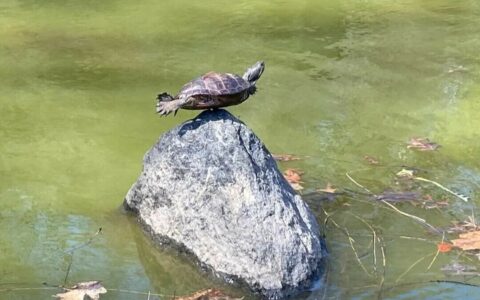
Painted Turtles can survive in ice and snow even during the harsh winters of northern Canada. Their bodies produce glucose and other compounds that act as natural antifreeze, preventing the formation of deadly ice crystals within their cells.
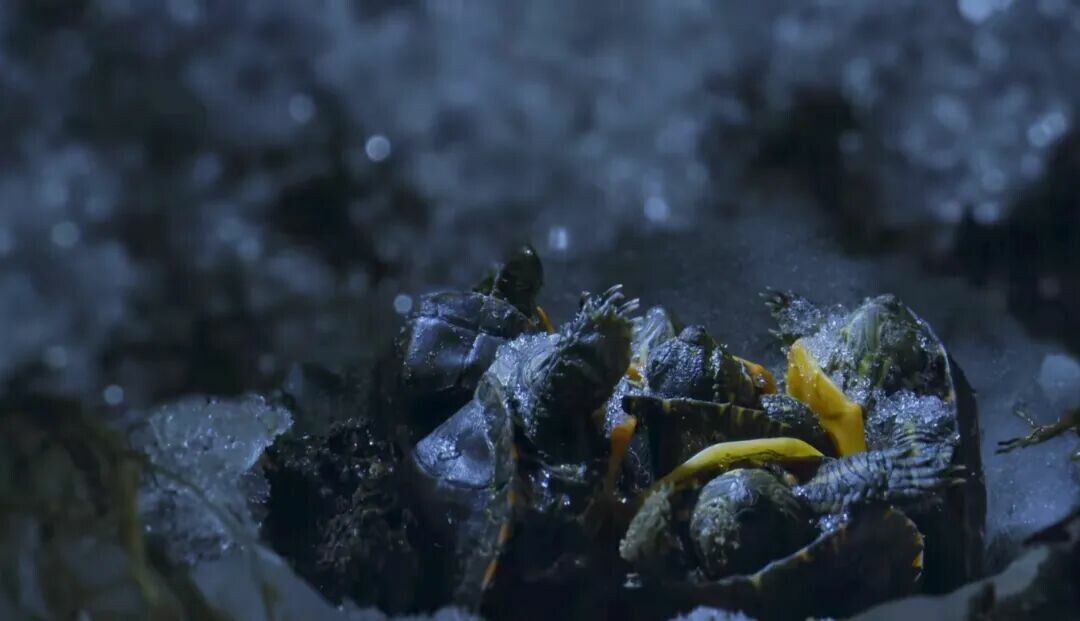
At this time, their metabolism drops to nearly zero; their hearts stop beating, and their blood stops flowing as they enter a miraculous state of suspended animation until the weather warms up months later. This super ability allows Painted Turtles to expand their range into northern Canada, inhabiting regions where most other reptiles cannot survive.
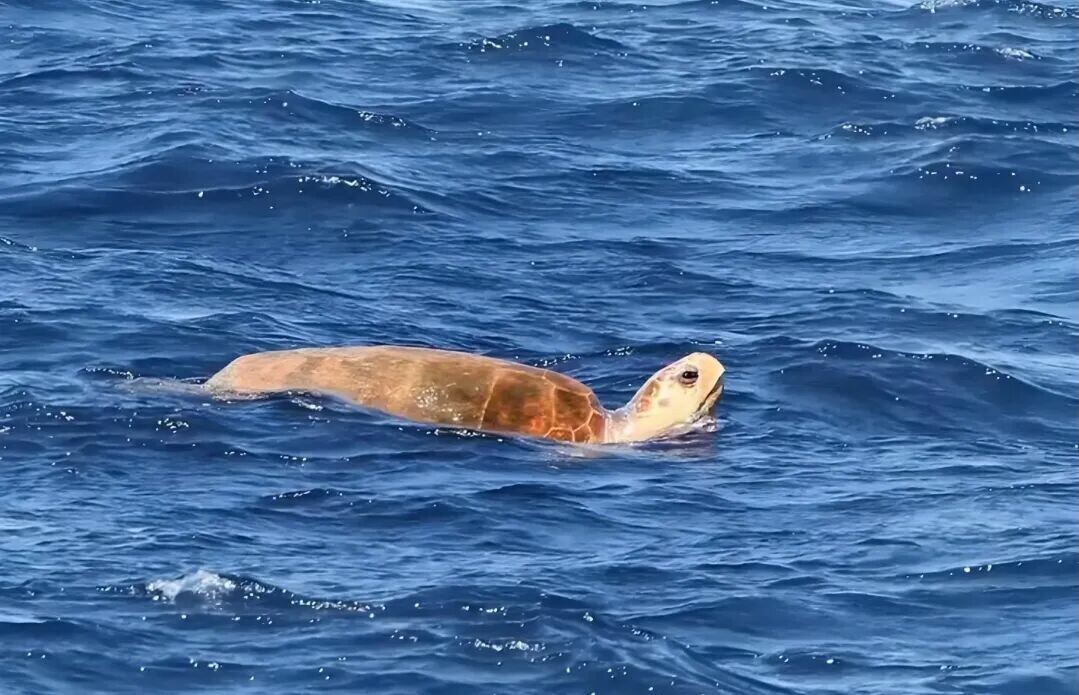
Loggerhead Sea Turtles possess incredible abilities, allowing them to traverse thousands of miles of open ocean using the Earth’s magnetic field. Studies show that the brains of Loggerheads contain magnetite crystals. These crystals act like a “biological GPS (Global Positioning System),”enabling them to detect the intensity and angle of the Earth’s magnetic field. This allows them not to get lost even within the ocean and to return to their birthplace to lay eggs with astonishing precision.
Underwater Camouflage Masters
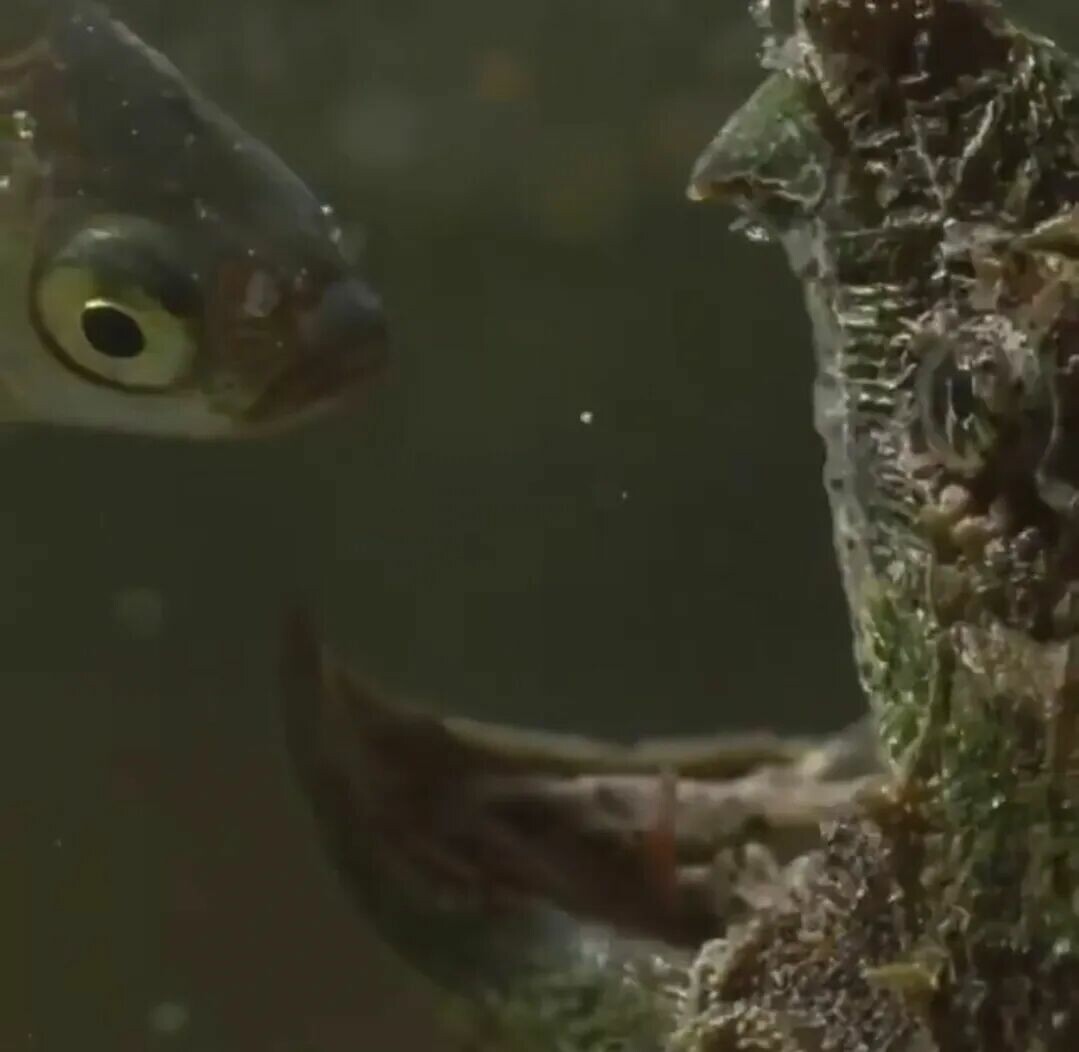
The Mata Mata turtle can be called a master of underwater camouflage. Living in the Amazon and Orinoco basins of South America, they have evolved one of the most effective camouflage systems among reptiles.  Like the Alligator Snapping Turtle, they possess peculiar predatory skills, which fully utilize their camouflage. The Mata Mata generally does not actively chase prey but instead “lies in wait” (守株待兔). When prey passes by, they rapidly expand their throats to create a vacuum suction, sucking the fish directly into their mouths.
Natural Pharmacists
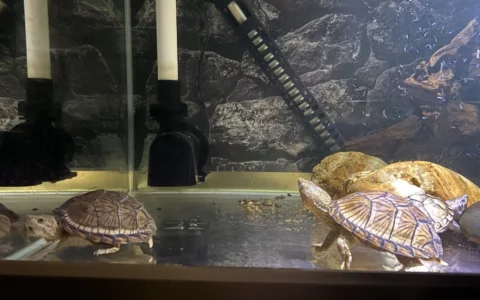
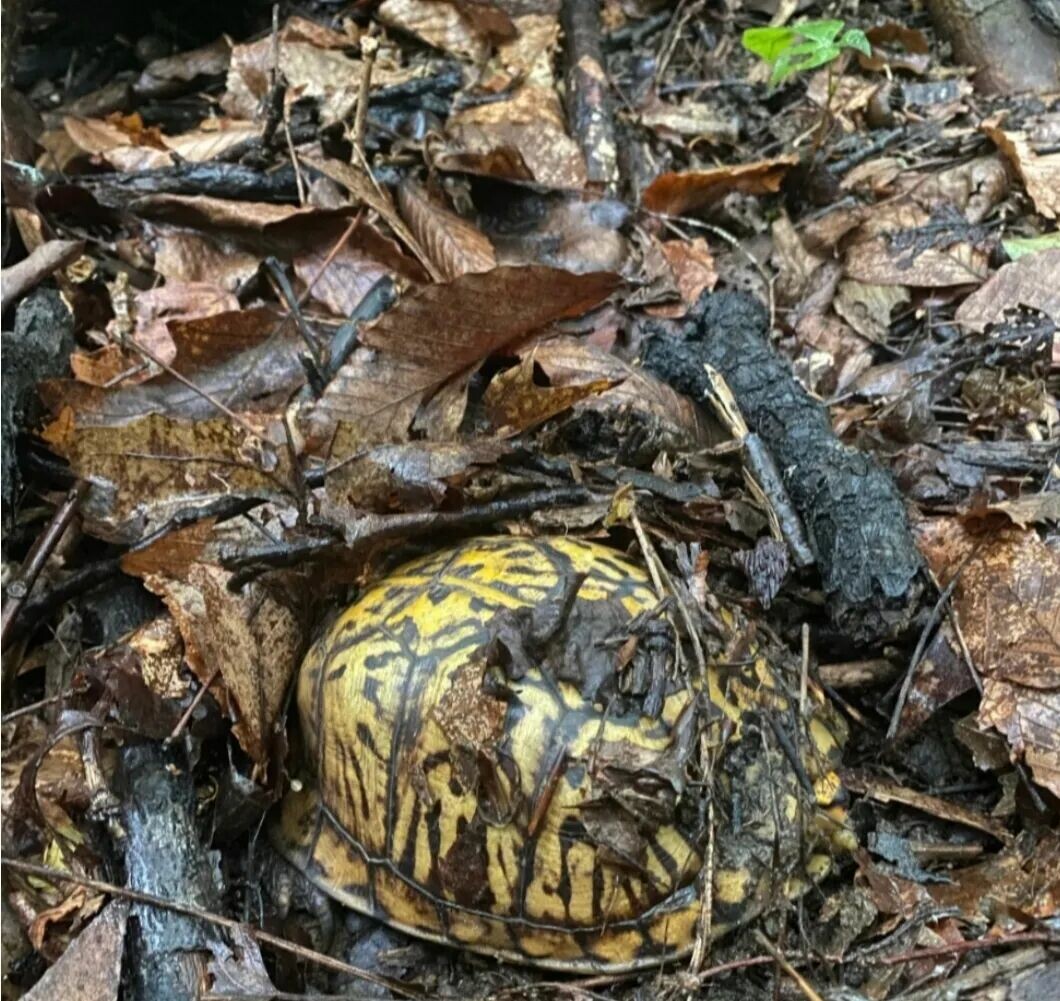
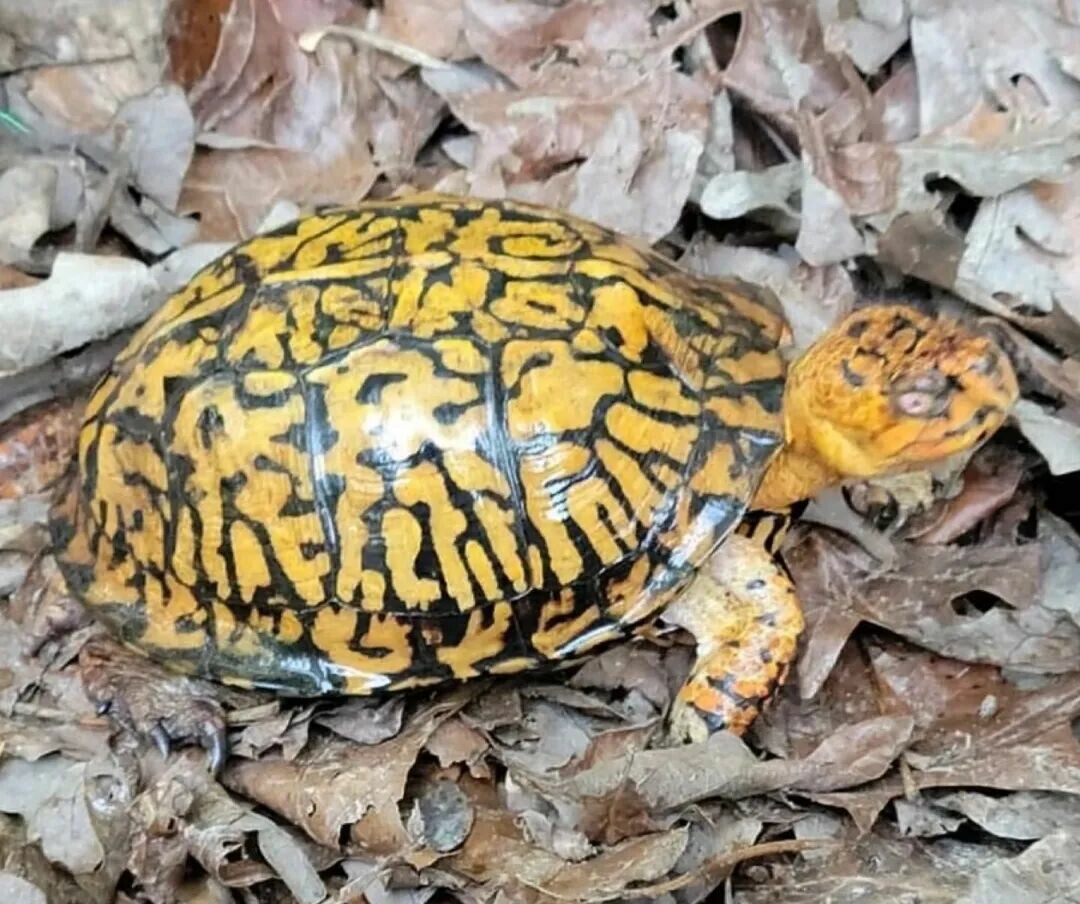
Eastern Box Turtles possess a magical ability: they can utilize natural medicines from their woodland habitats for self-treatment. Researchers have observed that when these turtles are sick or injured, they will actively seek out and consume specific plants with medicinal value.
Masters of Luring
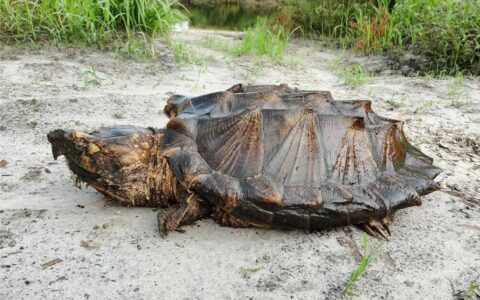
The Alligator Snapping Turtle is the largest freshwater turtle in North America, with predatory skills that rival human intelligence. Inside its mouth sits a special pink appendage. When hunting, the Alligator Snapping Turtle opens its mouth and wiggles this lure, enticing curious fish directly into its jaws.
Unique Breathing Method
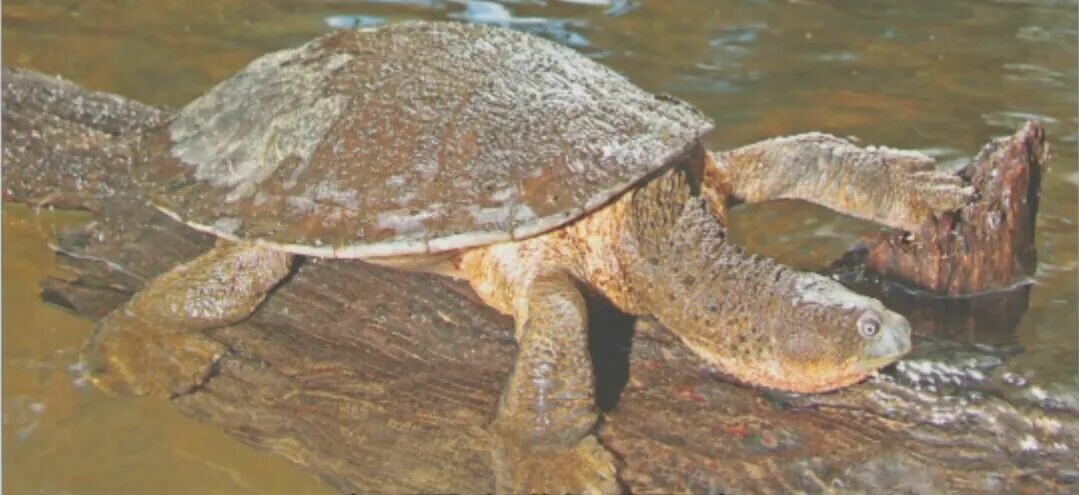
The Fitzroy River Turtle (White-eyed Creek Turtle), living in Queensland, Australia, has evolved one of the most unusual respiratory adaptations in the animal kingdom: breathing through its cloaca. This extraordinary adaptation allows the Fitzroy River Turtle to stay underwater for up to 3 weeks without needing to surface for air, providing a significant advantage in avoiding predators and foraging. The system is extremely efficient; during periods of high underwater activity, up to 68% of their oxygen intake can be obtained through this unconventional breathing method.
Thermoregulation Capabilities
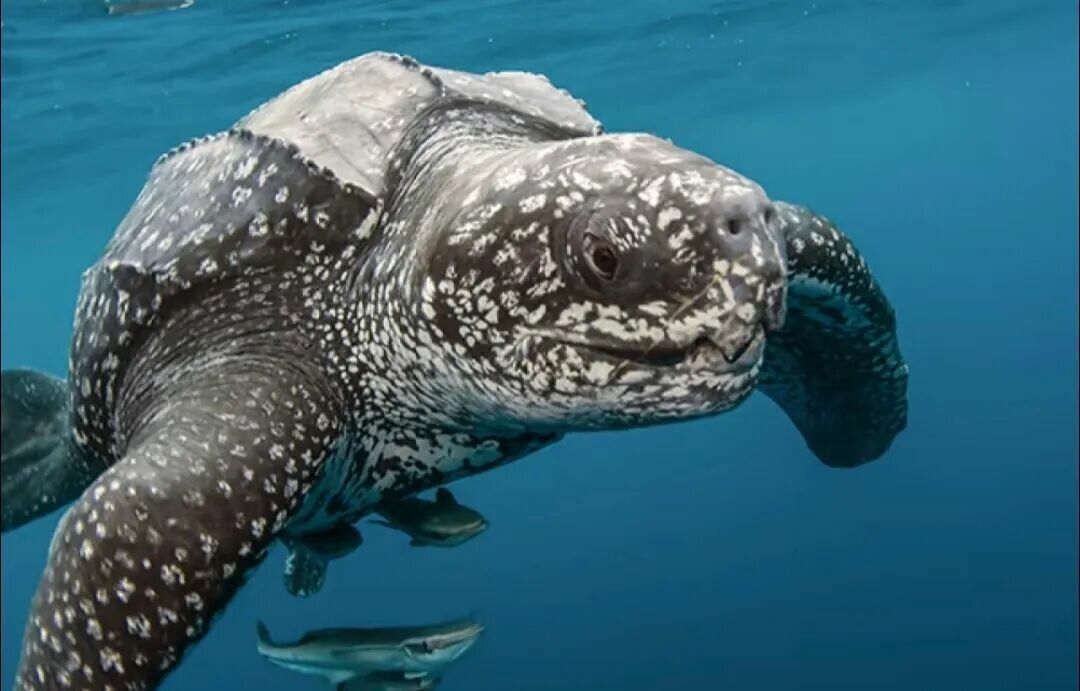
Leatherback Sea Turtles possess an extraordinary ability that transcends typical reptilian physiology: they can maintain a high body temperature in cold seawater. Unlike other sea turtles, Leatherbacks have evolved special adaptations similar to mammalian thermoregulation. Their massive size creates a favorable surface-area-to-volume ratio helping to retain heat, while a thick layer of fat acts as insulation. Additionally, their flippers contain a unique counter-current heat exchange system, and their bodies contain a special oil that remains liquid even at low temperatures. These adaptations allow Leatherbacks to dive into frigid waters where other reptiles would be immobile.
Electroreception Hunters
Living in northern Australia and northern New Guinea, the Pig-nosed Turtle possesses a remarkable sensory ability rare among reptiles: electroreception. Similar to sharks and platypuses, this unique turtle can sense the minute electric fields produced by the muscle contractions of prey. This ability is due to special sensory organs in their unique fleshy, pig-like snouts. These electroreceptors enable Pig-nosed Turtles to locate prey hidden in murky waters with astonishing precision, even in total darkness or highly turbid environments. This adaptation is exceptionally valuable because their primary habitats are tropical rivers with high seasonal rainfall, which often become extremely muddy with near-zero visibility. While most visual predators would struggle to survive in such environments, Pig-nosed Turtles can continue to hunt efficiently by seeing the electrical signals of potential prey.

Environmental Adaptation
Red-eared Sliders (Brazilian Turtles) are able to adapt to various environmental conditions, which explains why they rank among the world’s top 100 most invasive species. They can adjust their diet based on available resources, shifting from being primarily carnivorous as hatchlings to primarily herbivorous as adults. Perhaps most impressive is their ability to regulate sex ratios based on environmental temperature, a phenomenon known as temperature-dependent sex determination; higher incubation temperatures produce females, while lower temperatures produce males. Under changing climatic conditions, these turtles can alter their nesting behavior to maintain a stable population. Furthermore, they have an extremely strong tolerance for water pollution and can bioaccumulate toxins sufficient to kill other species; sometimes the concentration of pollutants in their tissues is a hundred times higher than the surrounding environment without producing obvious adverse reactions.
Natural Antibiotics
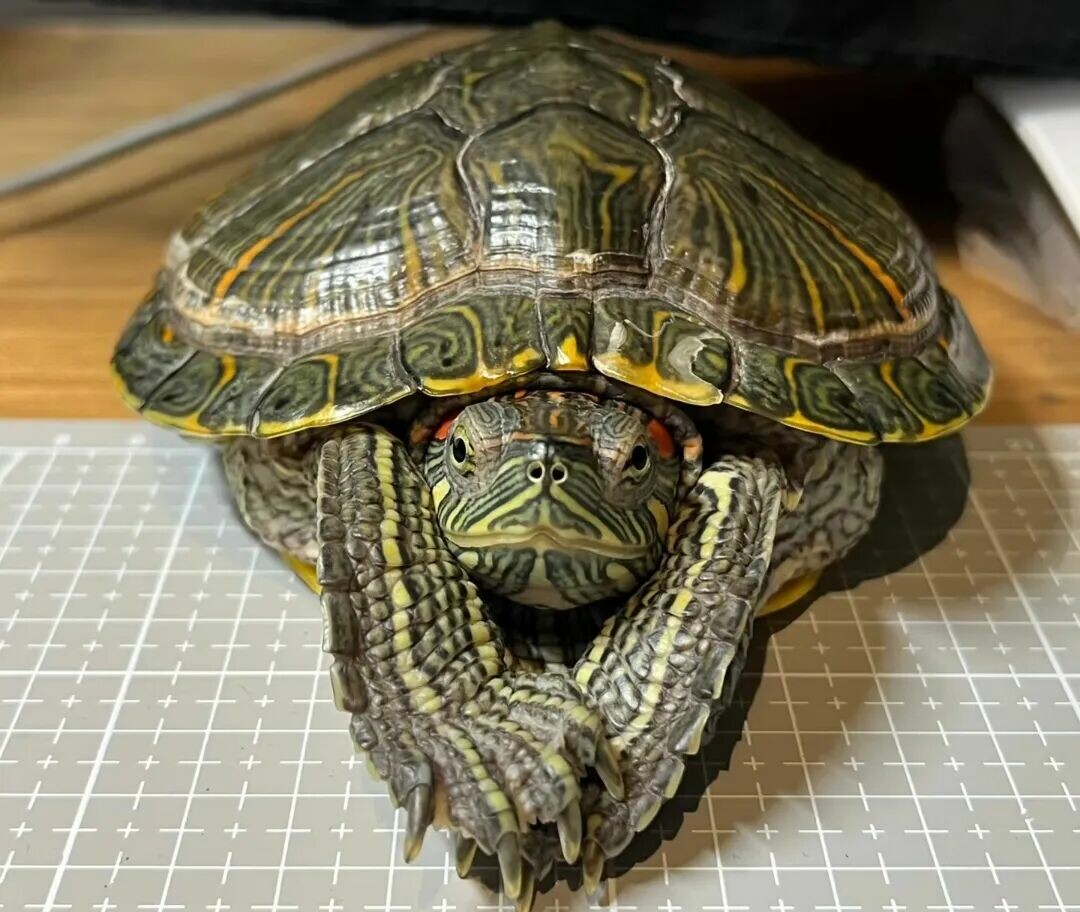
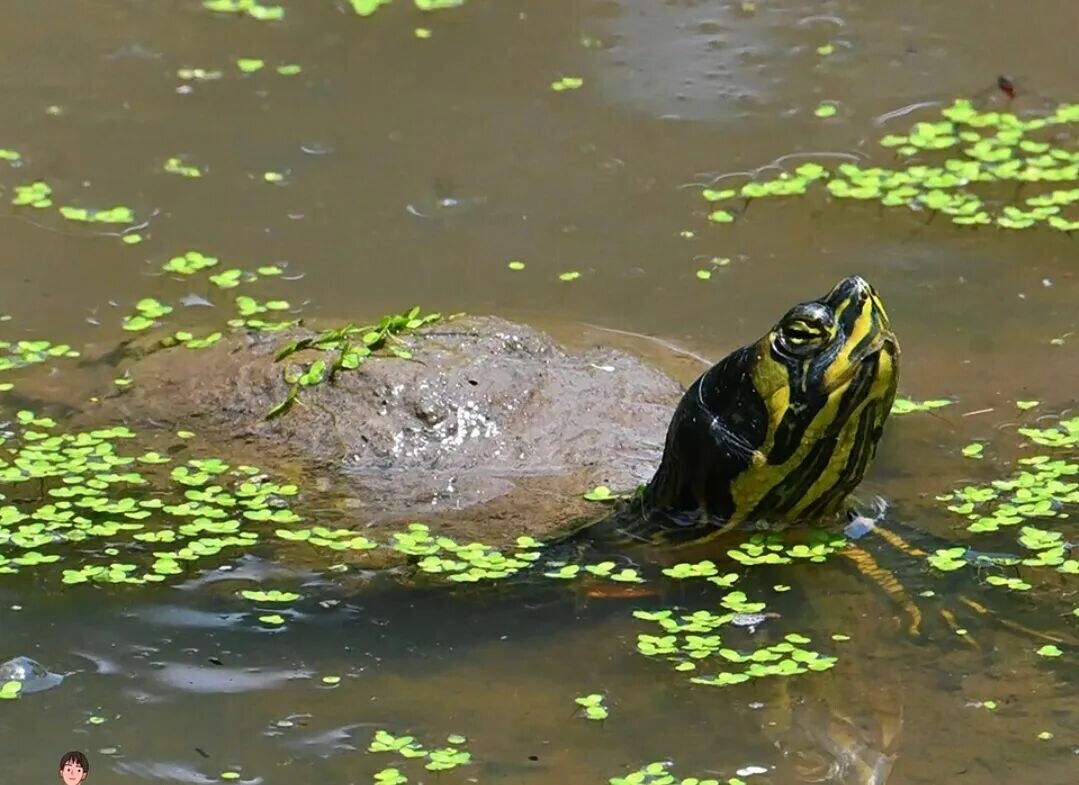
Yellow-bellied Sliders possess the extraordinary ability to produce natural antibiotics in their blood. Research shows that this type of turtle can manufacture antimicrobial peptides that are effective against a variety of bacteria, fungi, and even some viruses. These natural defense systems are so powerful that scientists have isolated these compounds to study their potential applications in human medicine, especially against antibiotic-resistant bacteria. This ability is precious because Yellow-bellied Sliders often inhabit waters with high bacterial content. These bacteria levels are high enough to cause serious infections in most other animals. Their skin and shells often suffer minor abrasions when walking on rough surfaces, yet infections rarely occur. Additionally, due to these natural antimicrobial properties, the wound healing speed of these turtles is much faster than that of other reptiles.
High Intelligence
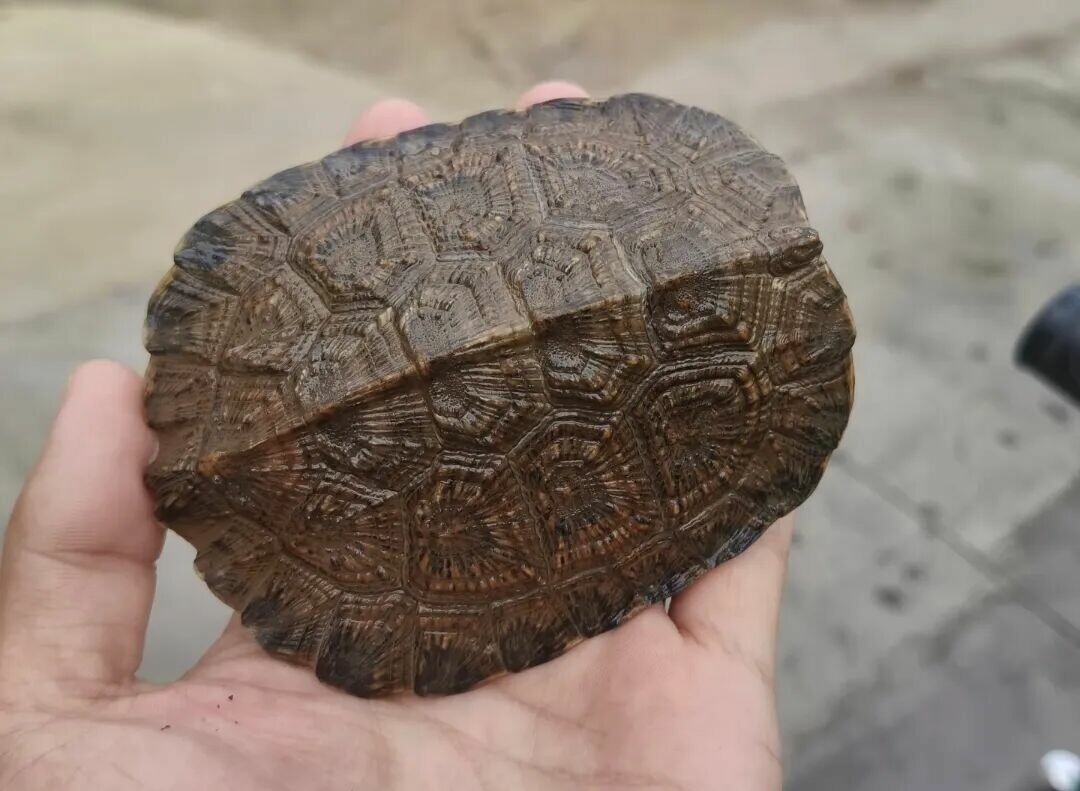
Wood Turtles exhibit cognitive abilities that challenge our understanding of reptilian intelligence. It is recorded that these North American turtles use a tool to obtain food, a behavior once thought to be exclusive to mammals and birds. Wood Turtles utilize a technique called “worm stomping,” deliberately stomping their feet or rocking their shells to create vibrations on the ground similar to rainfall. These vibrations bring earthworms to the surface, where the Wood Turtle can easily prey on them. This behavior not only demonstrates problem-solving abilities but also reflects an understanding of cause and effect. Studies show that Wood Turtles can solve maze problems as effectively as rats and can remember the answers for months to years; they can even recognize different human faces, distinguishing between caregivers and strangers, showing social intelligence usually inconsistent with reptiles.
Negligible Senescence
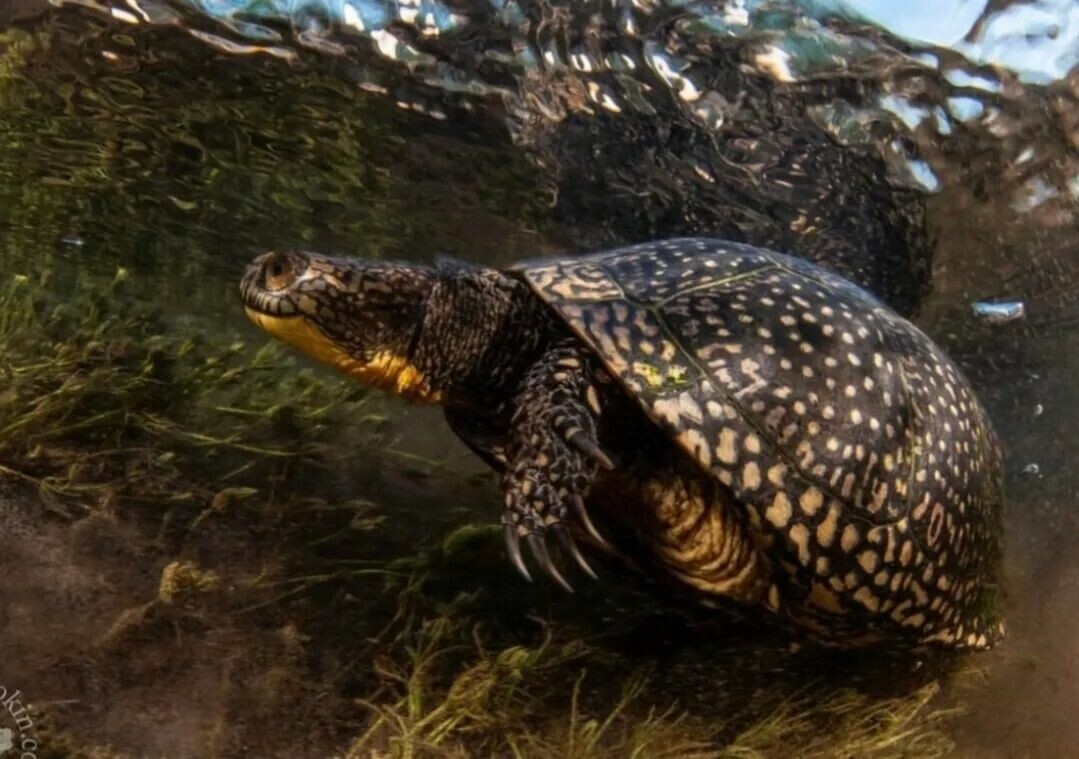
Blanding’s Turtles possess an ability that fascinates biologists and gerontologists: they hardly age. These North American freshwater turtles exhibit a phenomenon known as negligible senescence, showing almost no physical decline or rise in mortality rates as they age. Unlike most animals whose reproductive capabilities diminish over time, the life force of Blanding’s Turtles actually strengthens with age. Females in their 60s lay larger egg clutches that are more likely to survive than younger turtles; their cells demonstrate a robust ability to resist oxidative damage, and the degradation rate of their telomeres is extremely slow. Research has discovered special enzyme systems and DNA repair mechanisms that can prevent the cellular degradation usually associated with cell aging. It is recorded that some individuals can live to over 70 years old while maintaining the same physical condition as young turtles.
Turtle Diversity and Future Applications
The extraordinary abilities demonstrated by these 12 types of turtles reveal the amazing diversity they have evolved to meet environmental challenges, breaking the boundaries of what we usually consider to be reptile capabilities. This prompts us to rethink our understanding of these ancient animals, with the hope that one day these discoveries can be applied in medicine.
Original article by 搬运工, if reproduced, please cite the source: https://www.kaipet.com/en/natural-worlds-amazing-turtles-revealing-12-hardcore-survival-superpowers