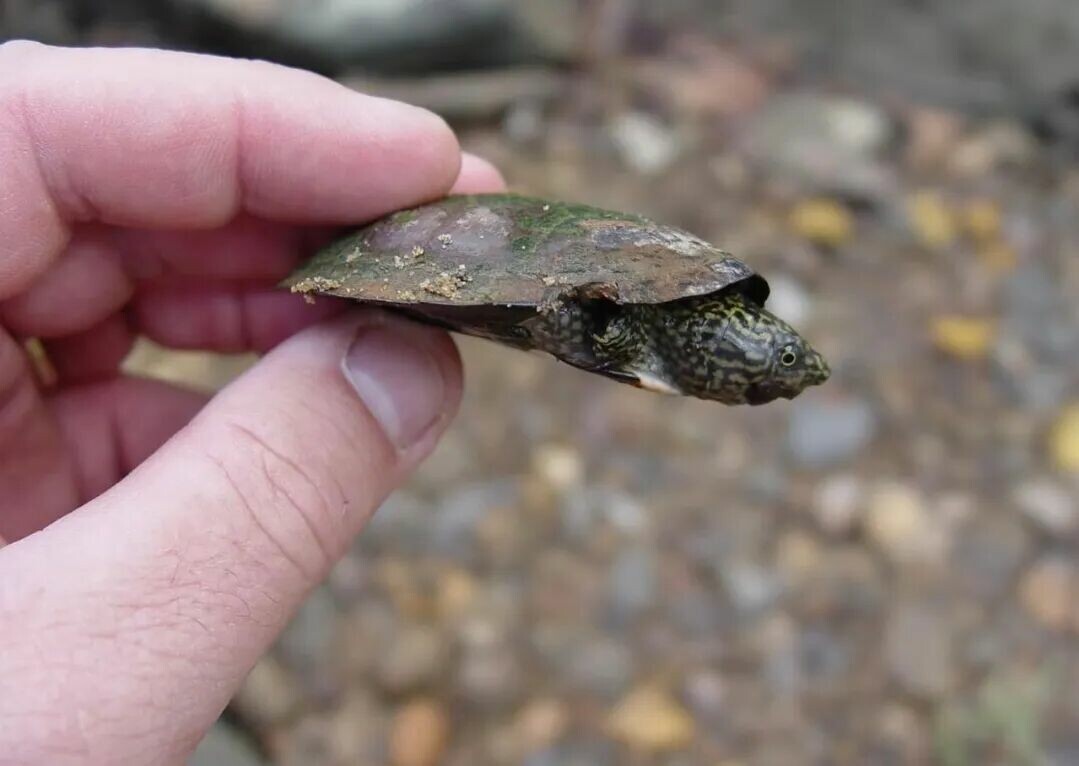
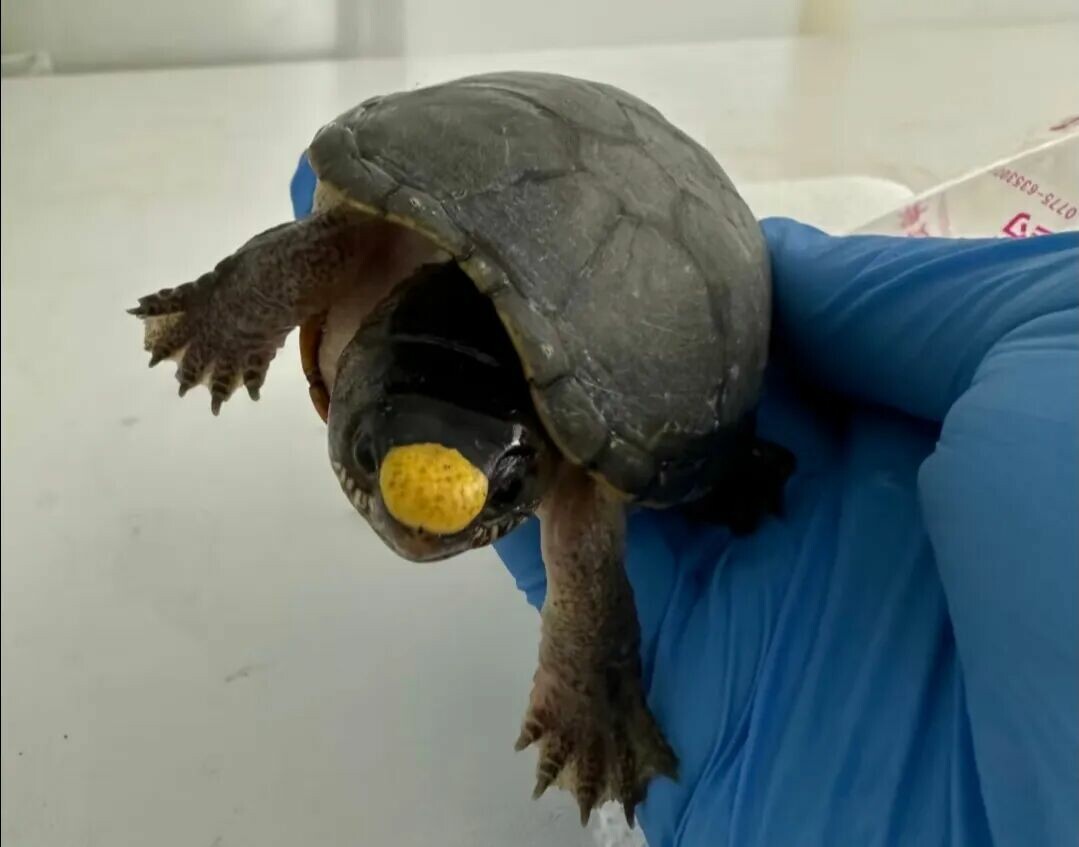
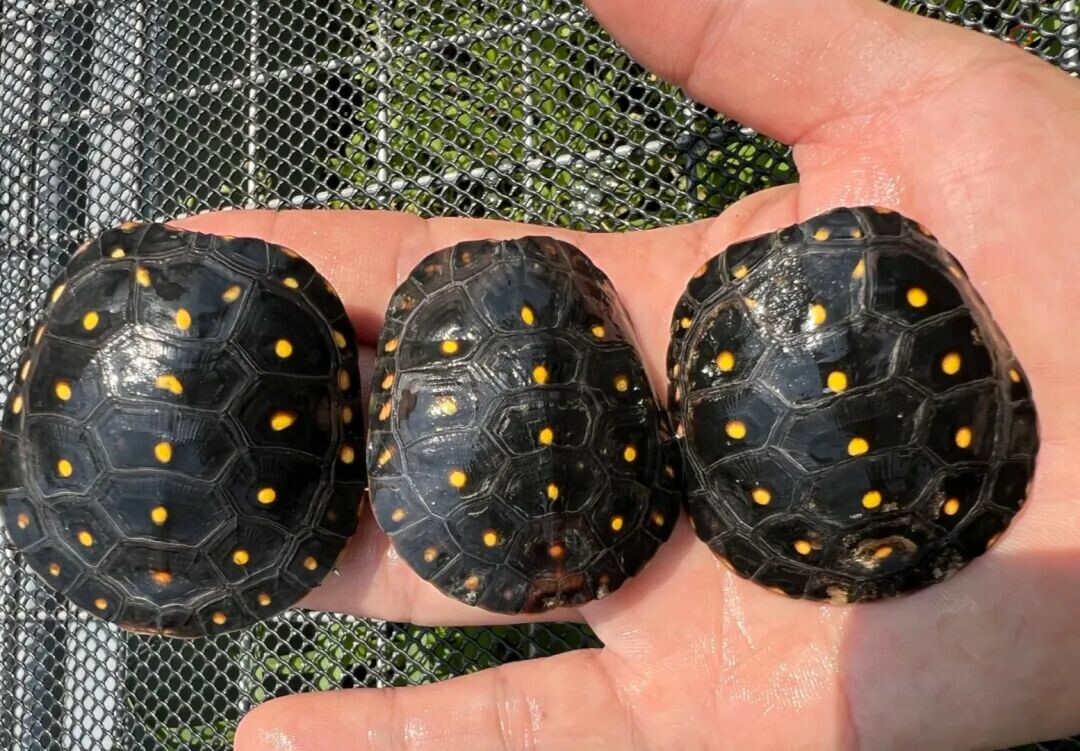
The Amboina Box Turtle can be said to be the most approachable species among box turtles. Among the 13 species of box turtles, it was the first species to be scientifically recorded, described and named by a French zoologist in 1802 based on a specimen from Ambon Island, Indonesia. Its footprint covers the Southeast Asian mainland as well as various islands, making it the most widely distributed box turtle.
Biological Characteristics
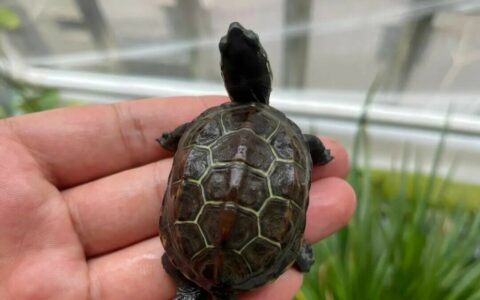
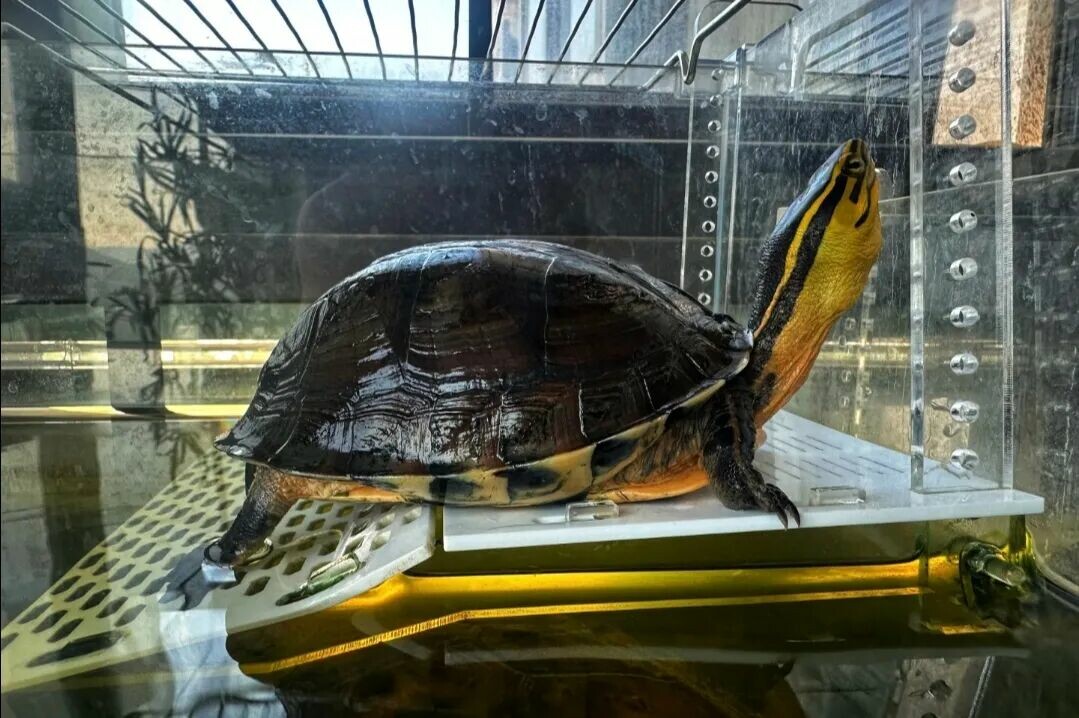
The Amboina Box Turtle belongs to the genus Cuora of the family Geoemydidae and is a medium-sized semi-aquatic freshwater turtle. The maximum straight-line carapace length can reach 23.3 cm for males and 25 cm for females. The adult carapace is high-domed or flat, with or without a medial keel; the juvenile carapace is flat with 3 prominent longitudinal keels. The posterior marginal scutes are slightly flared, there is no notch at the rear margin of the carapace, and the carapace color is deep olive or black.

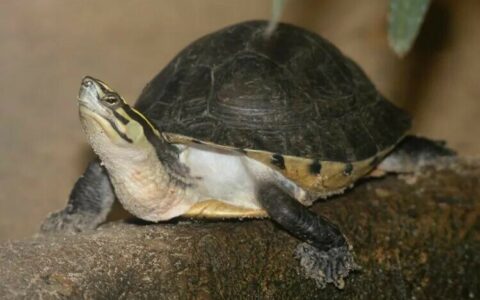
The head is one of the most striking parts of the Amboina Box Turtle. The dorsal side of the head ranges from olive to dark brown, the lateral side is black, and the posterior side is yellow to olive. There are 3 distinct yellow stripes on each side of the head, making them very conspicuous whether in water or on land.
Subspecies Classification
The Amboina Box Turtle has a total of 4 geographical subspecies: the Amboina Box Turtle, the West Indonesian Box Turtle, the Malayan Box Turtle, and the Burmese Box Turtle.
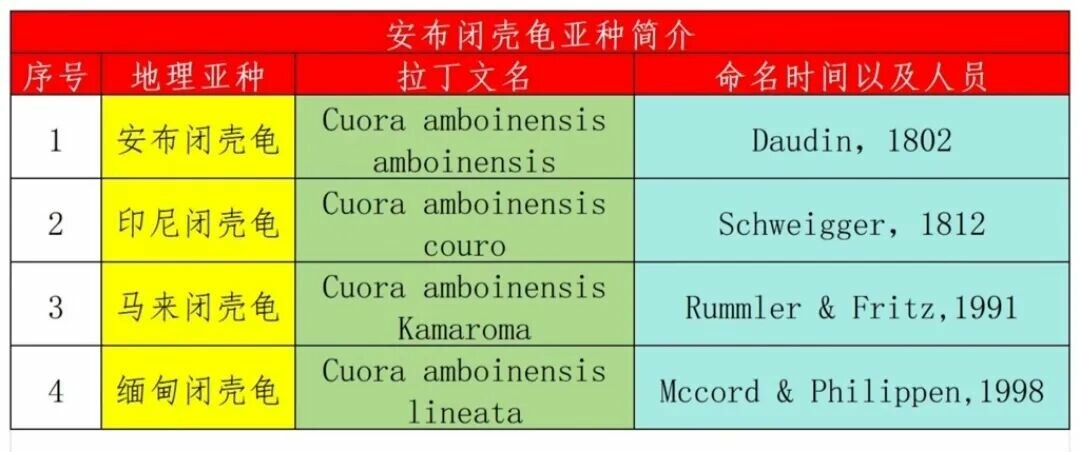
Amboina Box Turtle (“Flat Ambo”)
Amboina Box Turtle (Cuora amboinensis amboinensis, colloquially “Flat Ambo”): Belongs to the nominate subspecies. Its most significant feature is a very flat carapace with marginal scutes that flare outwards. The “Flat Ambo” is highly adapted to an aquatic lifestyle and is mainly distributed in Indonesia and the Philippines.

West Indonesian Box Turtle (“Grey Ambo”)
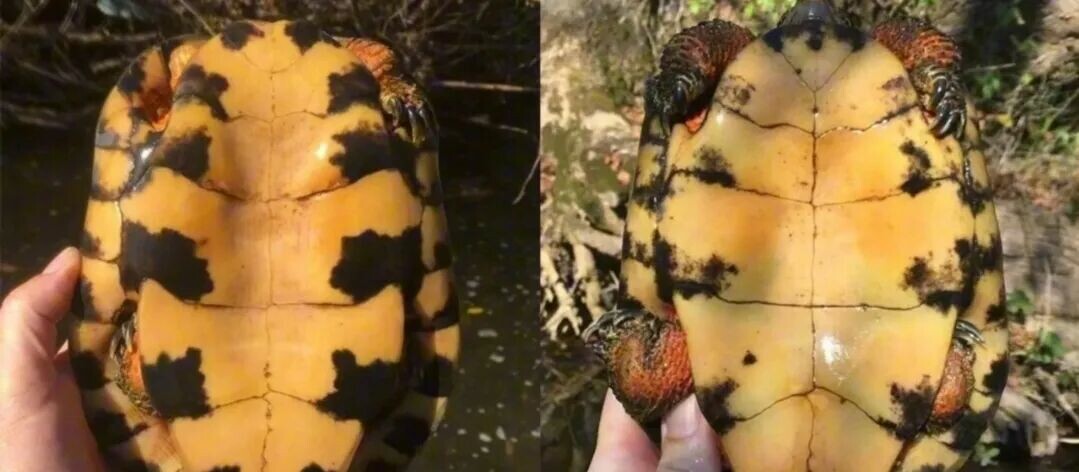
West Indonesian Box Turtle (Cuora amboinensis couro, colloquially “Grey Ambo”): The shell is grey, and the carapace is moderately domed. It is distributed in Indonesia and East Timor. The “Grey Ambo” has dark spots on each scute of the plastron, but the spots are smaller than those of the nominate subspecies.

Malayan Box Turtle (“Black Ambo”)
Malayan Box Turtle (Cuora amboinensis kamaroma, colloquially “Black Ambo”): The shell is black, the carapace is high-domed, and there are no light spots on the marginal scutes. Its tail is shorter and smaller relative to other subspecies. It is mainly distributed in Bangladesh, India, Malaysia, Thailand, Vietnam, and other regions.

Burmese Box Turtle (“Line Ambo”)
Burmese Box Turtle (Cuora amboinensis lineata, colloquially “Line Ambo”): Similar to the “Black Ambo,” but there is a bright mid-dorsal line on the shell, and sometimes a vivid lateral line. The plastron has large black spots similar to the “Grey Ambo.” It is more terrestrial than other subspecies but still primarily aquatic. It has the smallest distribution range, found in Myanmar.
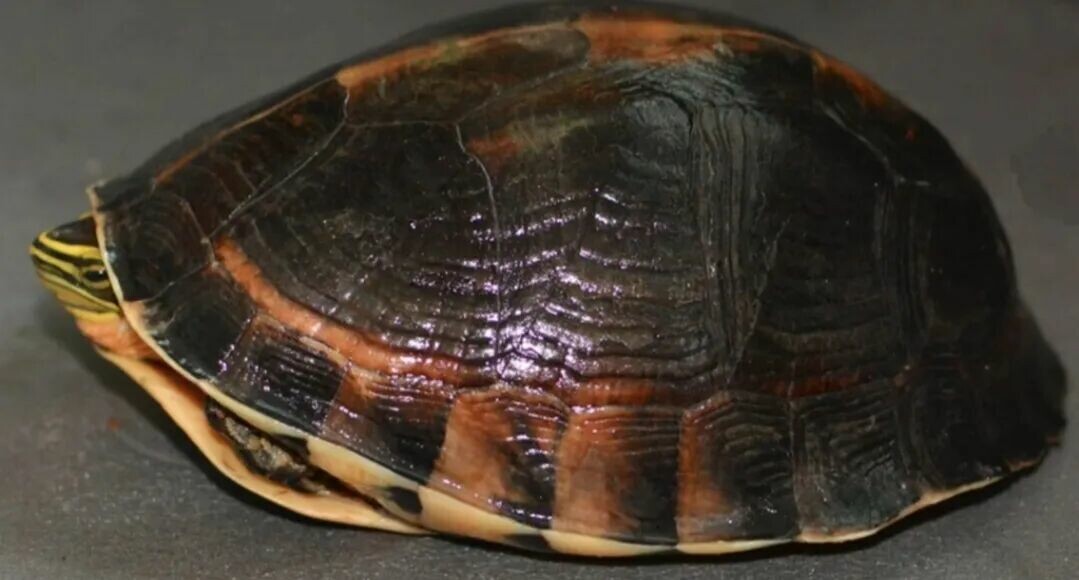
Personal Understanding and Analysis
It is said that distribution records in China are dubious; however, Yunnan and Guangdong/Guangxi border the production areas of the Malayan Box Turtle in Northern Myanmar and Vietnam respectively, so a historical distribution is possible. Pope (1935), in the book The Reptiles of China, mentioned 2 specimens of the Malayan Box Turtle preserved in the Paris Museum that came from China, but the exact locality was unknown.
Cen Jianqiang and Tang Jun reported in 1992 that they purchased 4 Malayan Box Turtles from the Qinghe Market in Guangzhou. According to the turtle collector, they were caught in Conghua and Shaoguan, Guangdong. Based on this account, the sellers were not turtle dealers, and each was holding 2 turtles for sale; the analysis suggests they were local species, thus confirming the presence of the Malayan Box Turtle in China.
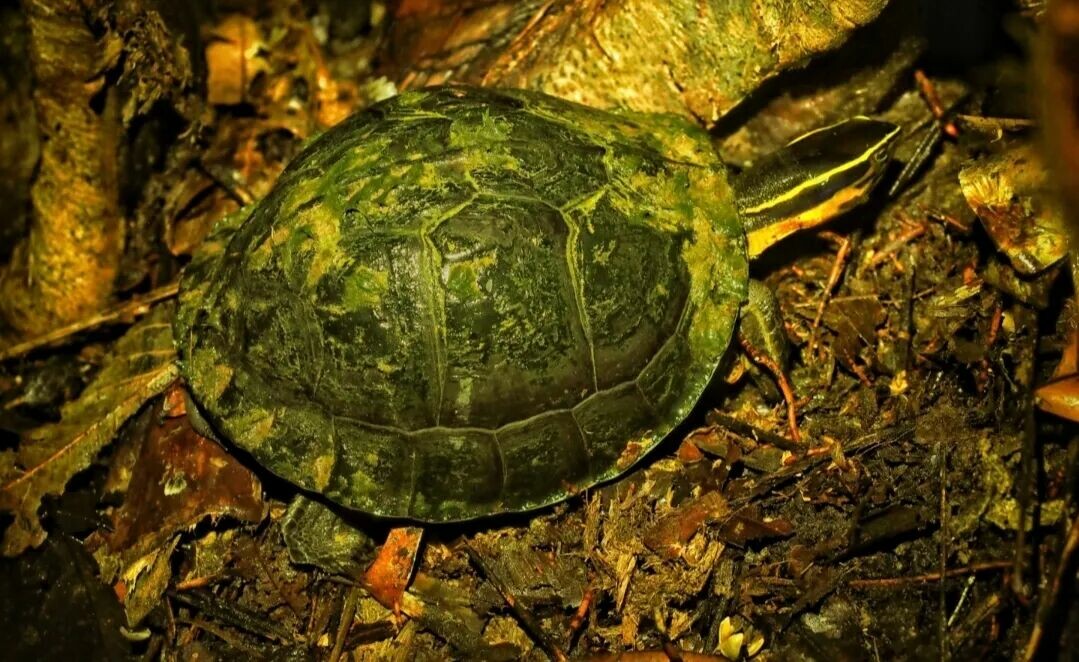
Additionally, according to Mr. Zhou Shibao from the Guangxi Museum, a staff member of the museum visited relatives in a small place in Guangxi and brought back a leftover shell of a Malayan Box Turtle. This incident occurred before the border trade opened, and since the local rural area was relatively poor, it is unlikely they would spend money to buy turtles to eat; personally, I believe it was captured locally. Furthermore, Mr. Zhou himself went on a business trip to the mountains and saw people selling Malayan Box Turtles by village ponds. The analysis suggests it is impossible for them to flow back from cities to the rural fringes for sale. Based on the above events, the appearance of the Amboina Box Turtle, the most widely distributed turtle species in Southeast Asia, in Guangxi and Guangdong, China, should be natural. Therefore, Fauna Sinica has recorded it. Even if there is no native population in China, there is no doubt that this species can adapt to the climate of Guangdong, Guangxi, and Hainan.
Habits
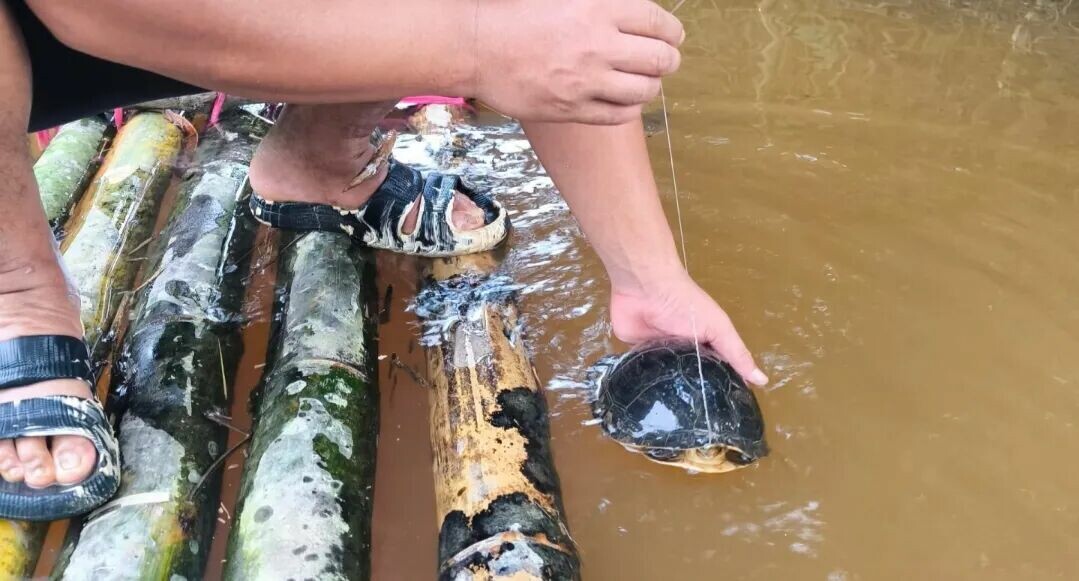
The Amboina Box Turtle likes environments with slow currents such as swamps, wetlands, ponds, river backwaters, and rice paddies in plain areas. Juveniles are almost completely aquatic, while adults prefer a terrestrial life. Under artificial rearing conditions, they will live in water, and also climb to the shore to rest when temperatures are high. It moves less than other turtles; except for increased activity in summer due to high temperatures, it generally moves very little, mostly sticking its head out and extending its neck. It is omnivorous, does not fight for food or bite each other, and will feed on plant stems and leaves, small fish, snails, worms, etc. Under artificial rearing conditions, they like to eat bananas, tomatoes, small fish, small shrimp, and lean meat, and can also be fed turtle pellets rich in various nutrients.
Hibernation
Amboina Box Turtles usually do not hibernate in their native environments and require heating to survive the winter under artificial rearing. Generally, when the room temperature is controlled above 20°C, they can survive the winter normally without affecting their eating. Although there are records of successful hibernation of Amboina Box Turtles in China, if the turtle is still very young, it still needs a heated environment to get through the winter.
Conservation Status
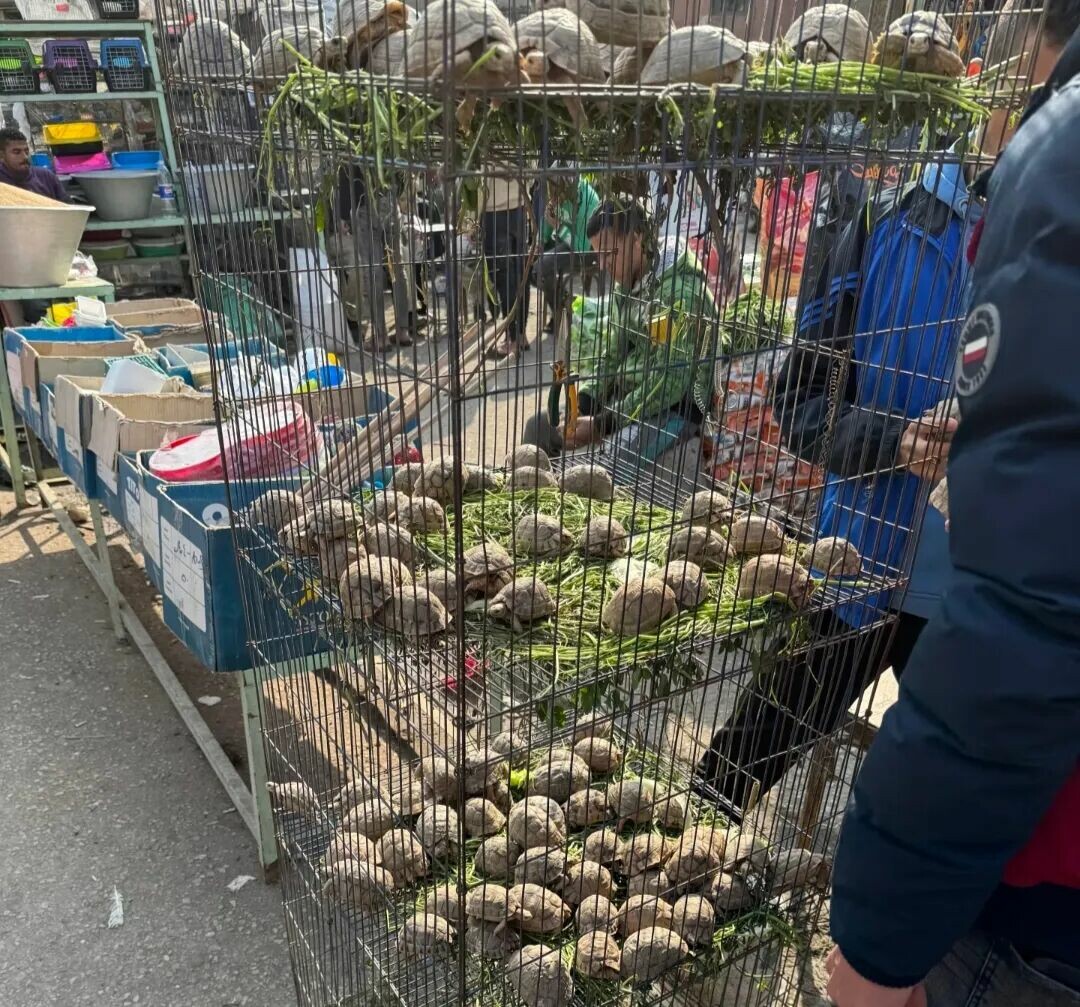
The Amboina Box Turtle currently faces severe conservation challenges. Due to habitat destruction, difficulties in natural reproduction, and over-collection, wild resources have been severely damaged, and population numbers continue to decline.
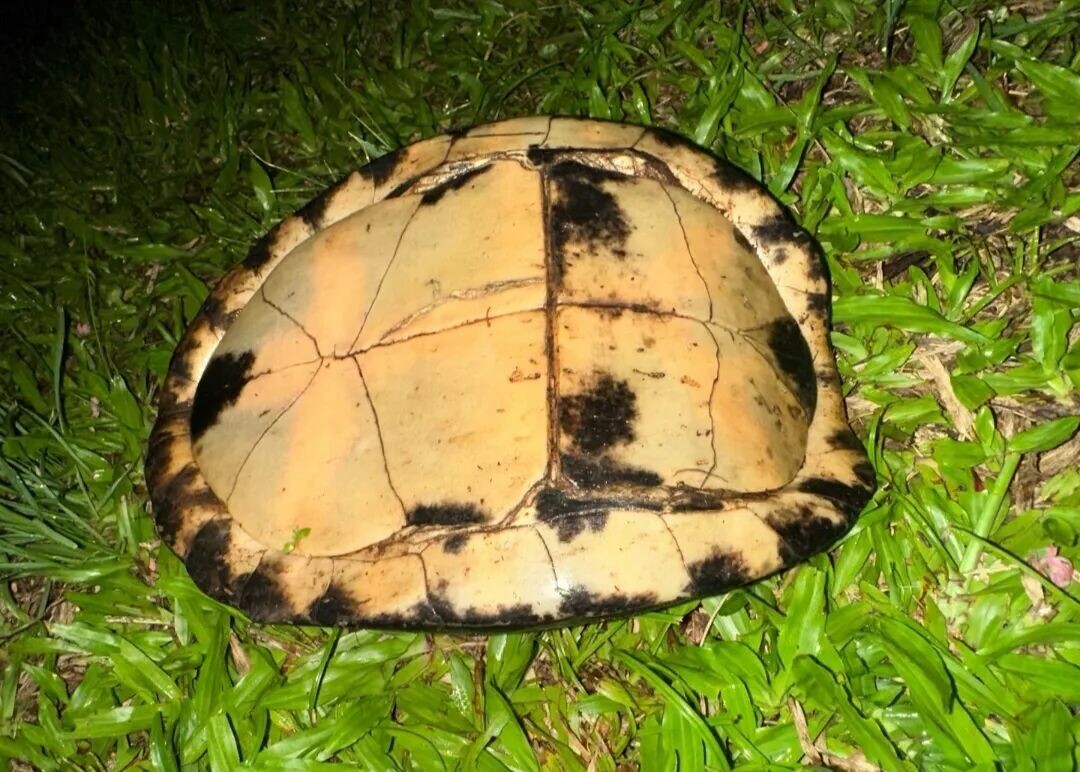
The Amboina Box Turtle is listed as a national Class II Protected Animal in China’s List of Wild Aquatic Animals under State Key Protection (Revised by the Ministry of Agriculture in 2000). It is also listed in Appendix II of the Convention on International Trade in Endangered Species of Wild Fauna and Flora (CITES).
Original article by 搬运工, if reproduced, please cite the source: https://www.kaipet.com/en/amboina-box-turtle-suitable-beginners-distinguishing-4-major-subspecies-guide-avoiding-hibernation-pitfalls