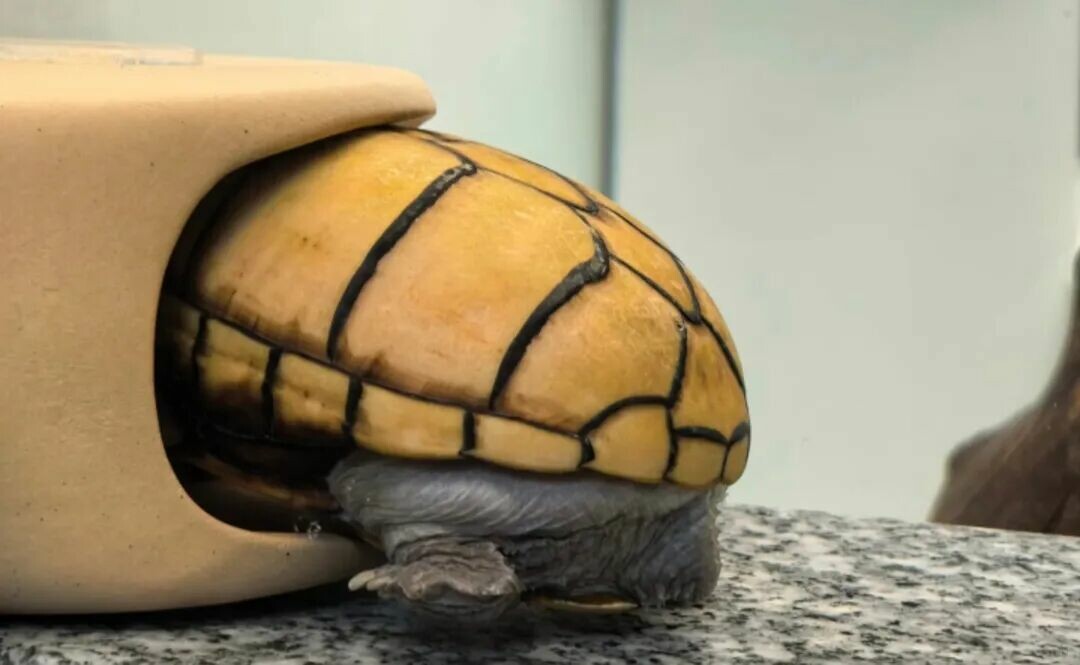
For turtle hobbyists attempting to keep box turtles for the first time, choosing the right variety is crucial. Here are 4 types of box turtles suitable for beginners to raise, allowing you to easily start your turtle-keeping journey! Most people’s box turtle collections start with these.
Chinese Box Turtle: Combining Good Looks with Interactivity
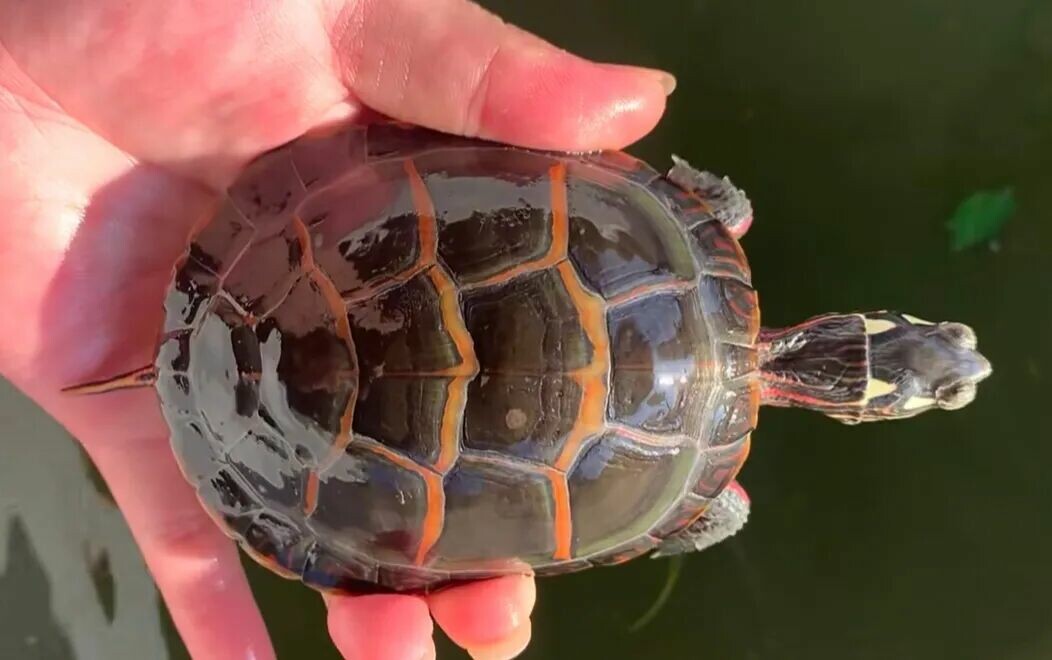
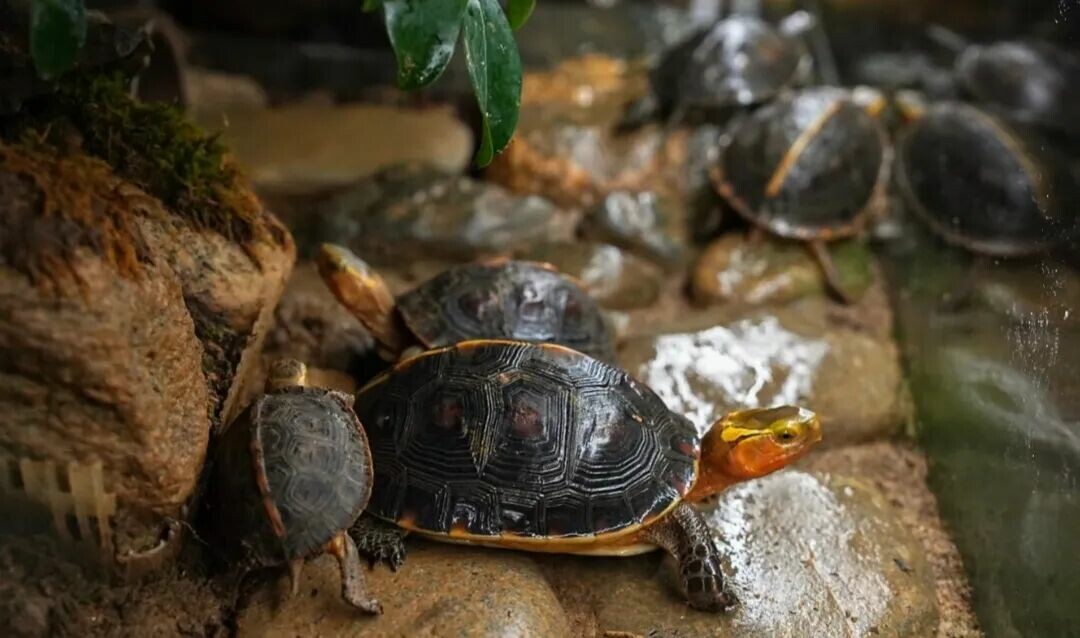
The Chinese Box Turtle (Yellow-margined Box Turtle) is deeply loved by turtle hobbyists for its good looks and excellent interactivity. The carapace of the Chinese Box Turtle features bright colors and smooth lines, making it unforgettable at first glance.
At the same time, the Chinese Box Turtle loves interacting with people, making it very fun to raise. In addition, the Chinese Box Turtle has the ability to hibernate, making it an “unmissable” variety for semi-aquatic turtle enthusiasts. In terms of husbandry, a water-to-land ratio of 3:7 is sufficient, along with providing appropriate shading plants and soil. Regarding food, you can provide a mix of fruits, vegetables, etc., combined with turtle pellets, which is very simple and convenient.
However, please note that the Chinese Box Turtle is a protected species; wild populations are classified as Class II National Protected Wildlife, so be sure to purchase from legitimate channels.

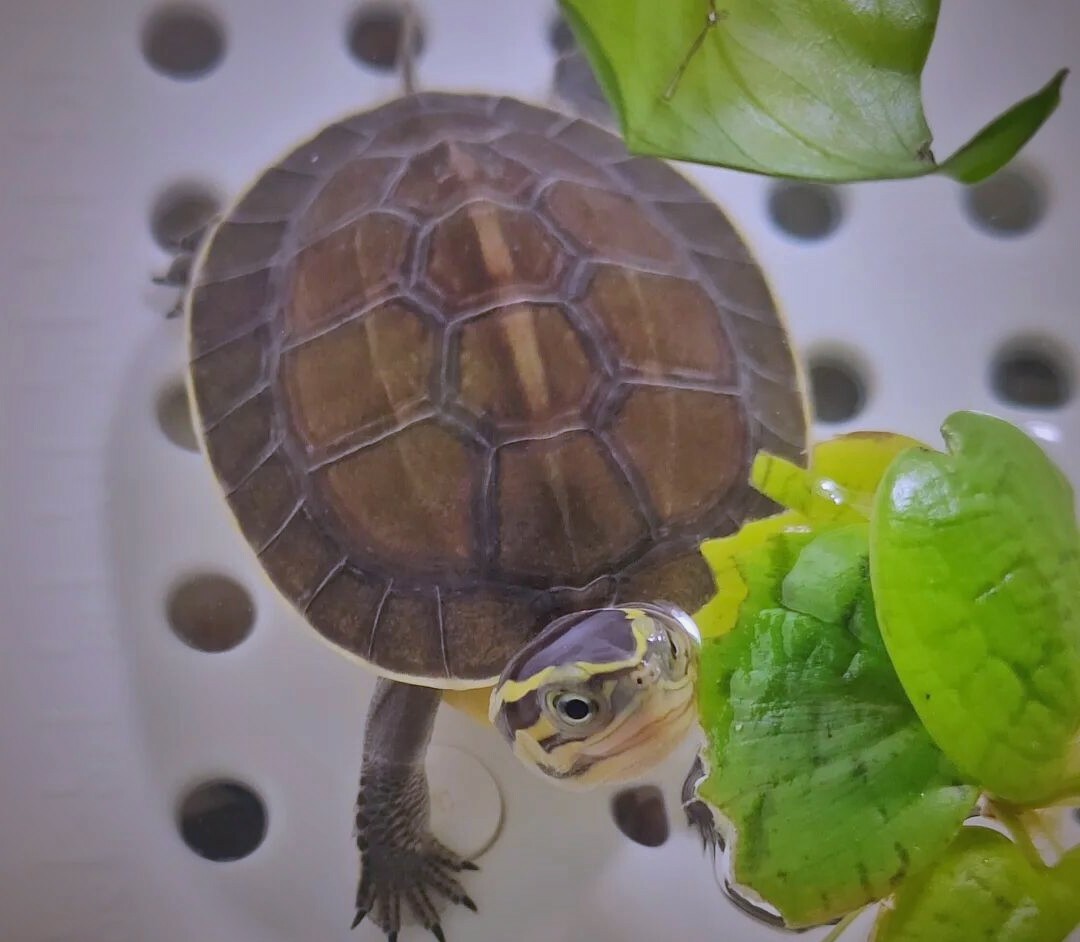
Amboina Box Turtle: The Cost-Effective Choice
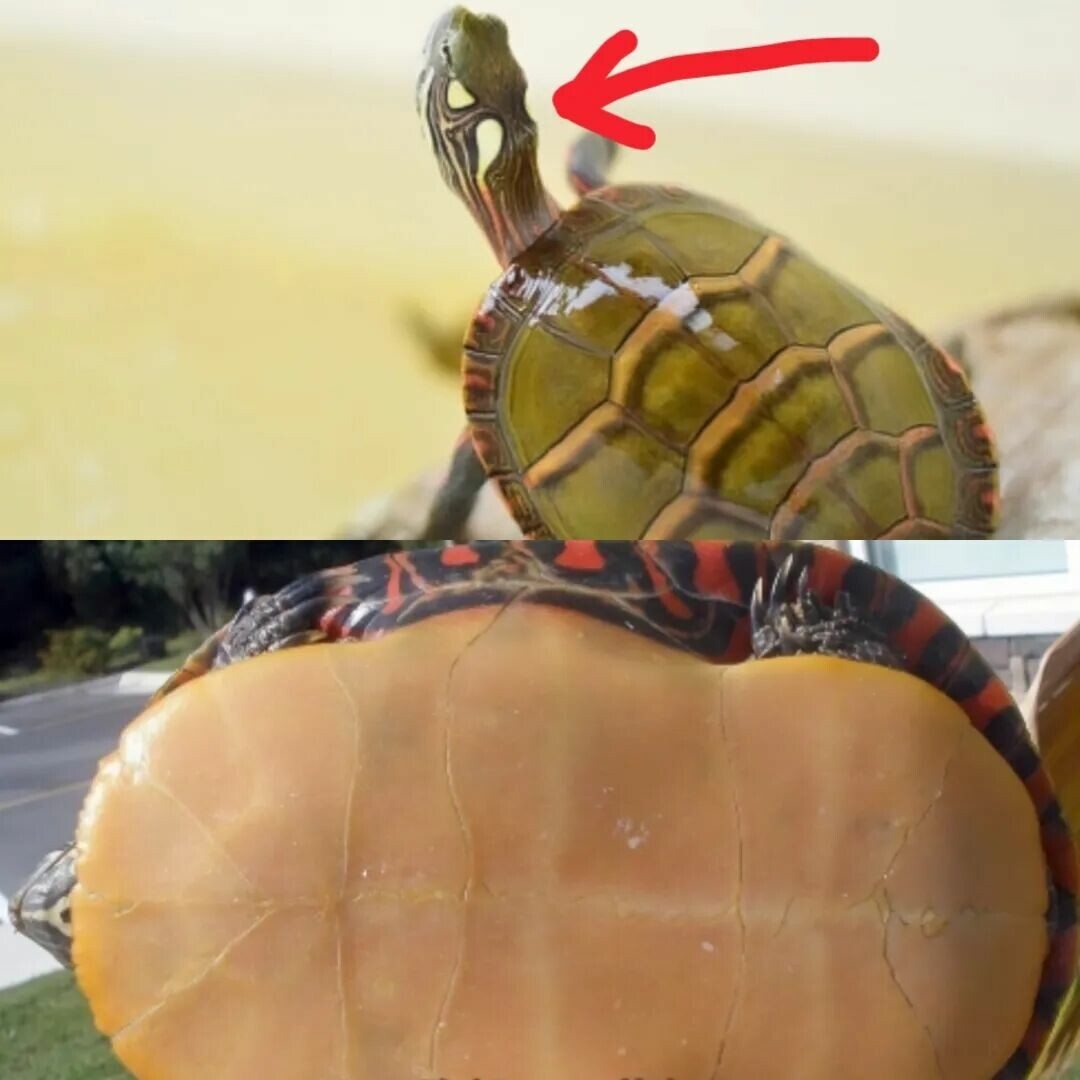
If you are looking for an affordably priced box turtle, then the Amboina Box Turtle is definitely your “top pick.” The overall carapace lines of the Amboina Box Turtle are smooth, and the colors are steady, making it very suitable for keeping as a pet. In terms of the enclosure environment, it can be set up as an amphibious terrarium, but the water depth needs to be controlled between 15 and 20 centimeters.
The Amboina Box Turtle is a species that does not hibernate in the wild, but if the winter temperature in your city is very low, it is recommended to keep them warm throughout the winter. Regarding food, Amboina Box Turtles like to eat bananas, tomatoes, small fish, small shrimp, and lean raw meat, etc.; they can also be fed turtle pellets rich in various nutrients. Similarly, the Amboina Box Turtle is also a protected species, and wild populations belong to Class II National Protected Wildlife, so you must choose legitimate channels when purchasing.
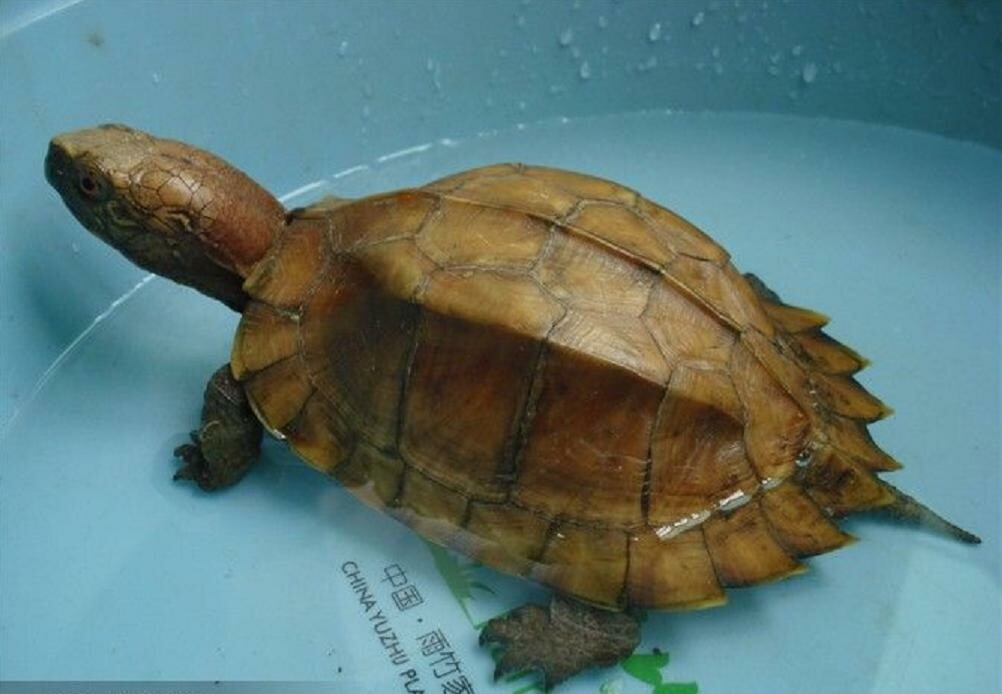
Keeled Box Turtle: A Species with Unique Personality
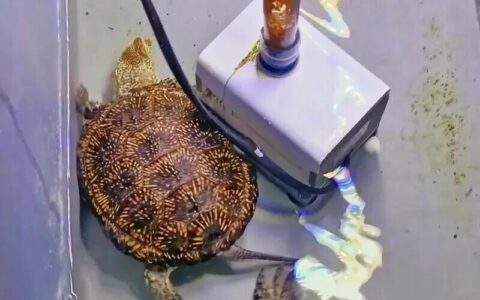
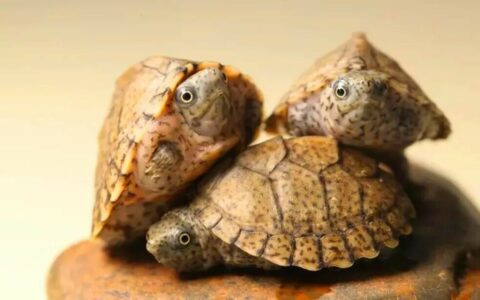
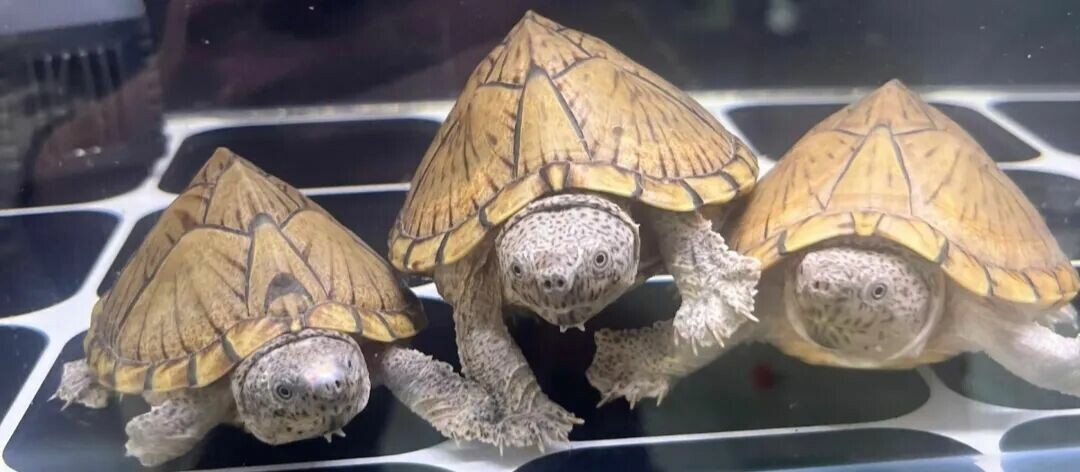
The Keeled Box Turtle is known for its unique appearance and fierce personality. The carapace of the Keeled Box Turtle is covered with serrated patterns, looking very “domineering.”
In terms of husbandry, a semi-aquatic and semi-terrestrial design can be adopted to provide enough space for them to crawl, rest, and bask. At the same time, maintaining appropriate humidity is also very important. The diet of the Keeled Box Turtle is quite omnivorous, eating both animal-based and plant-based foods, making it very easy to raise.
In their place of origin, Keeled Box Turtles do hibernate, and the recommended hibernation temperature is above 10 degrees Celsius. Likewise, wild populations belong to Class II National Protected Wildlife, so caution is needed when purchasing. However, it is the captive-bred varieties that are easy to raise. If it is “down the mountain” (referring to being caught from the wild), it will be very difficult to raise.
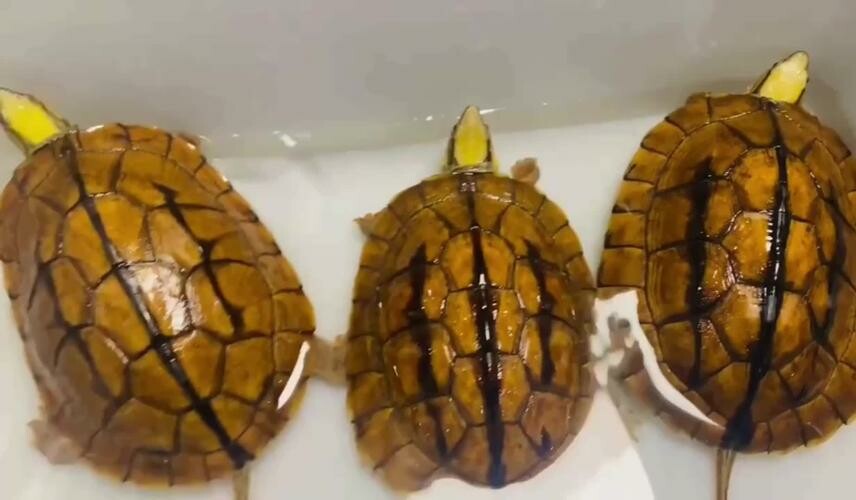
Three-lined Box Turtle (Golden Coin Turtle): An Auspicious Symbol of Wealth
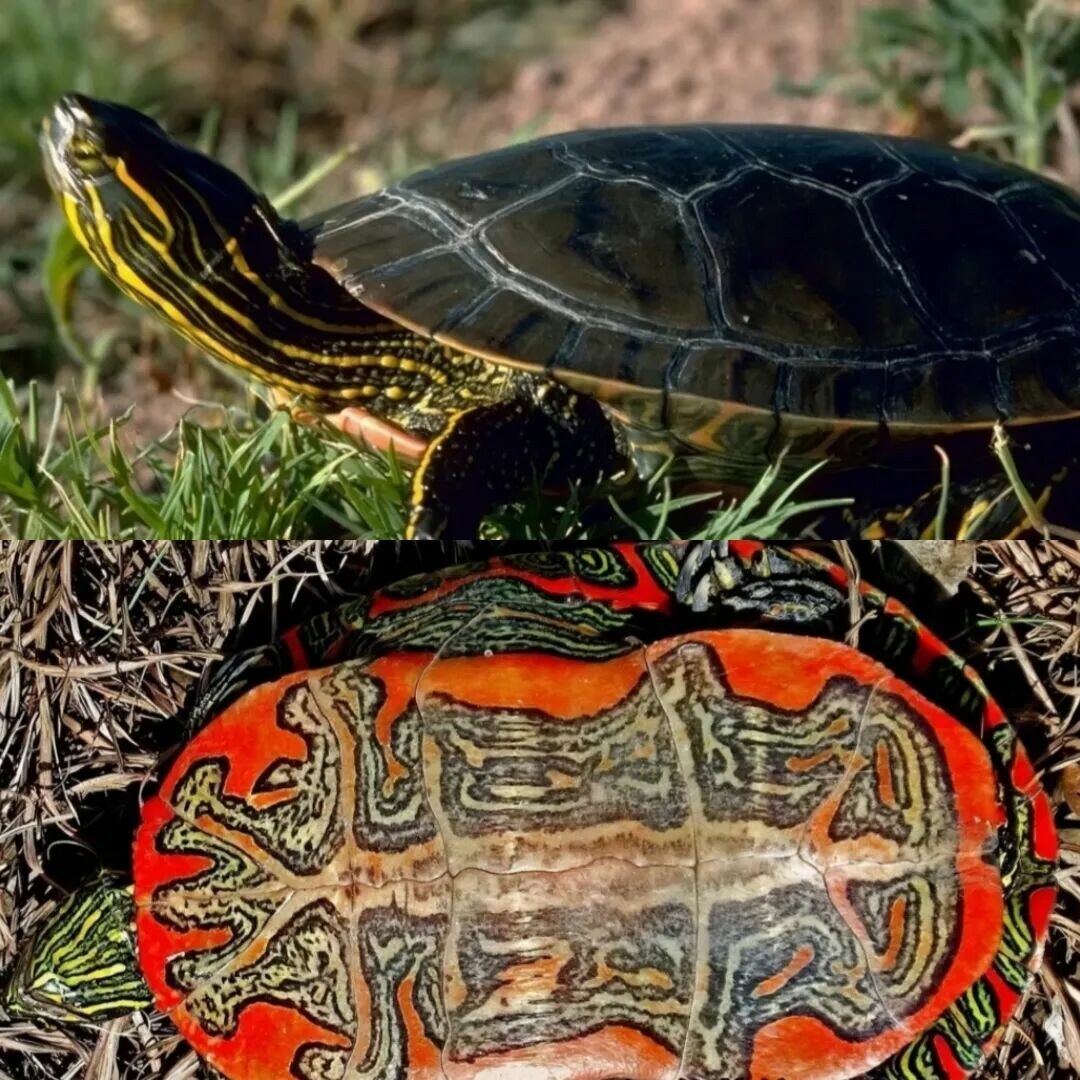
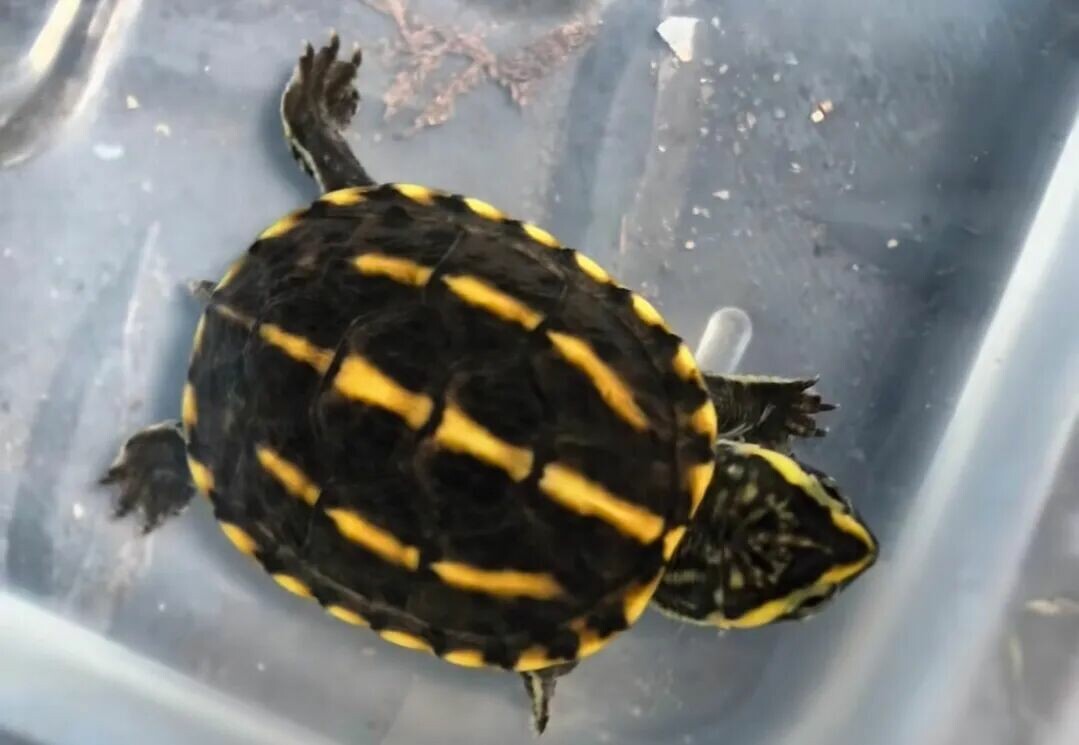
The Three-lined Box Turtle is named after the three distinct lines on its carapace, and it also symbolizes the return of money, making it very suitable for keeping as a pet.
The overall carapace lines of the Three-lined Box Turtle are smooth, and the colors are bright, making it very attractive. In terms of husbandry, a larger plastic tote or similar container can be used, with the water level set to a height where the turtle can just stretch its head out to breathe, while adding a basking platform for it to rest. The Three-lined Box Turtle is an omnivorous animal; under captive conditions, it likes to eat earthworms, lean meat, small fish, and mixed feed, etc.
In addition, the Three-lined Box Turtle can also hibernate, entering hibernation status below 15 degrees Celsius. But please note that the Three-lined Box Turtle is also a protected species, and wild populations belong to Class II National Protected Wildlife, so purchases must be made through legitimate channels.
The above are common box turtle varieties suitable for turtle hobbyists to raise. Each has its own characteristics, ranging from high-looking interactive species to cost-effective, budget-friendly choices. Whether you are looking for a pet turtle that is easy to raise or want to challenge yourself with some varieties with personality, these box turtles can meet your needs.
But please remember, you must comply with relevant laws and regulations during the purchase and keeping process, and find compliant merchants! Basically, wild individuals of box turtles are all protected animals.
Original article by 搬运工, if reproduced, please cite the source: https://www.kaipet.com/en/box-turtles-suitable-beginners-top-4-highly-interactive-introductory-varieties