

During hibernation, a turtle’s metabolism can drop to as low as 10% of normal. Among them, one type of turtle is extremely "abnormal" (extraordinary), capable of staying underwater in deep winter for 100 – 150 days (ordinary freshwater turtles manage 20 – 50 days). The Painted Turtle (a brightly colored freshwater turtle from North America) is this turtle, having survived on Earth for over 15 million years with a history of artificial breeding in North America spanning over half a century. Among them, the Eastern Painted Turtle is particularly outstanding.
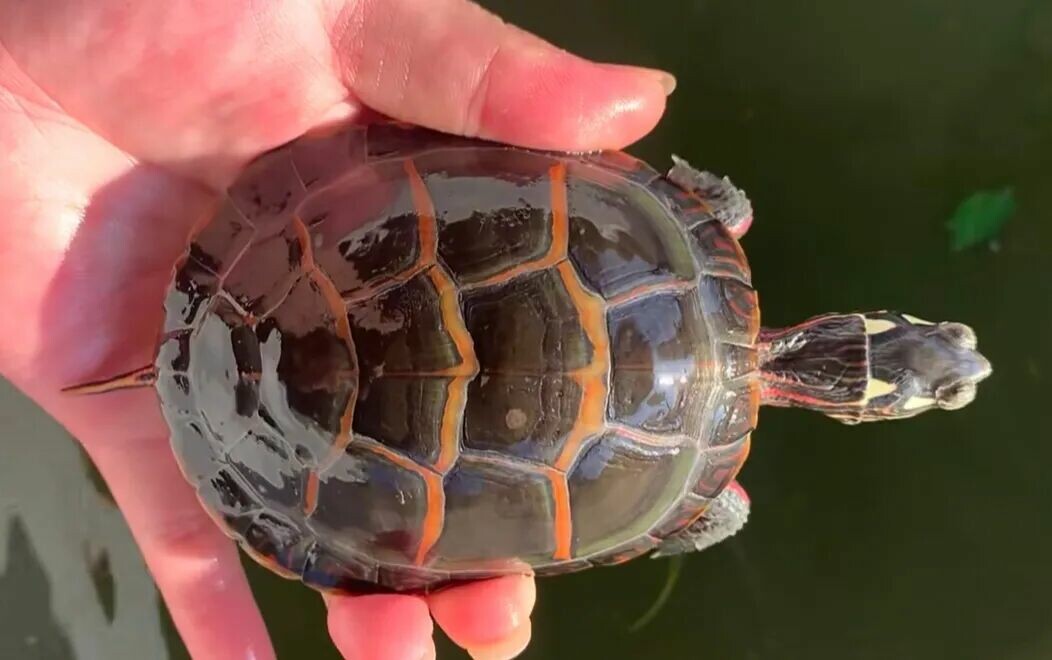
Eastern Painted Turtle
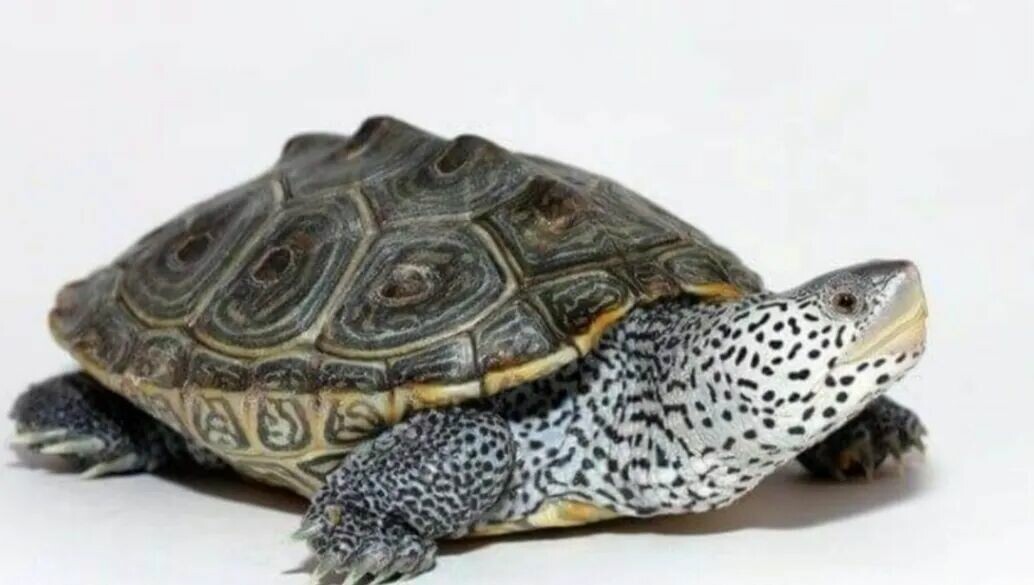
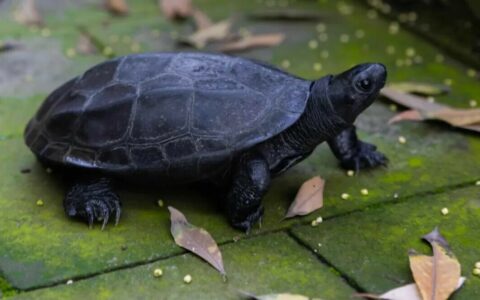
The Eastern Painted Turtle belongs to the genus Chrysemys of the Emydidae family. It is native to the United States, Canada, and other places. It is a medium-sized aquatic freshwater turtle with an adult carapace length between 10 and 16 cm. There is no natural distribution in China; it is not a key state-protected wild animal but belongs to alien species (non-native species), so strict attention must be paid to prohibit random release.
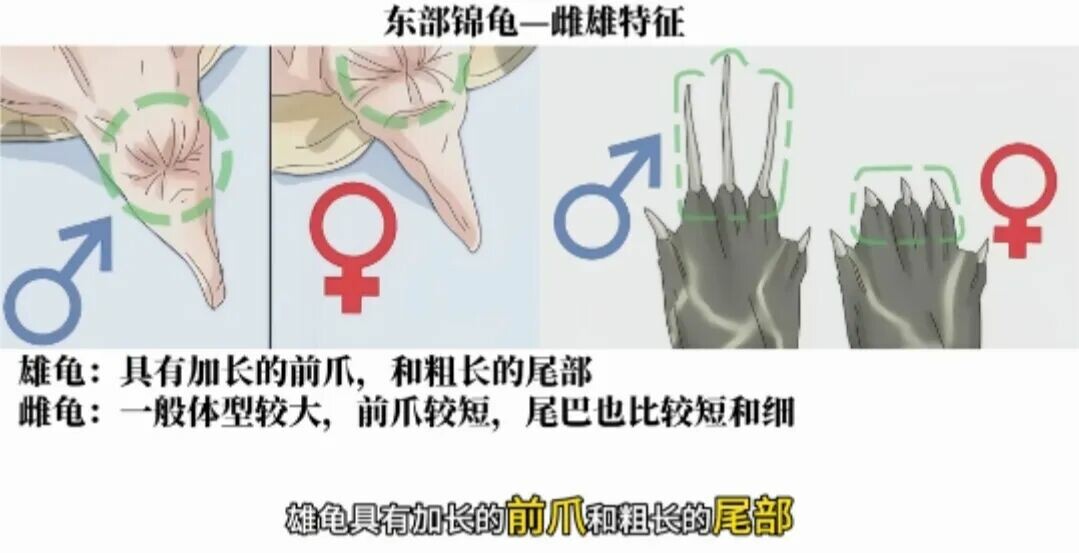
Distinction of Species in the Genus Chrysemys
The genus Chrysemys contains 2 independent species: the Southern Painted Turtle and the Painted Turtle. The Painted Turtle further includes 3 subspecies, which are the Eastern Painted Turtle, Western Painted Turtle, and Midland Painted Turtle. The distinctions in characteristics are as follows:
Eastern Painted Turtle
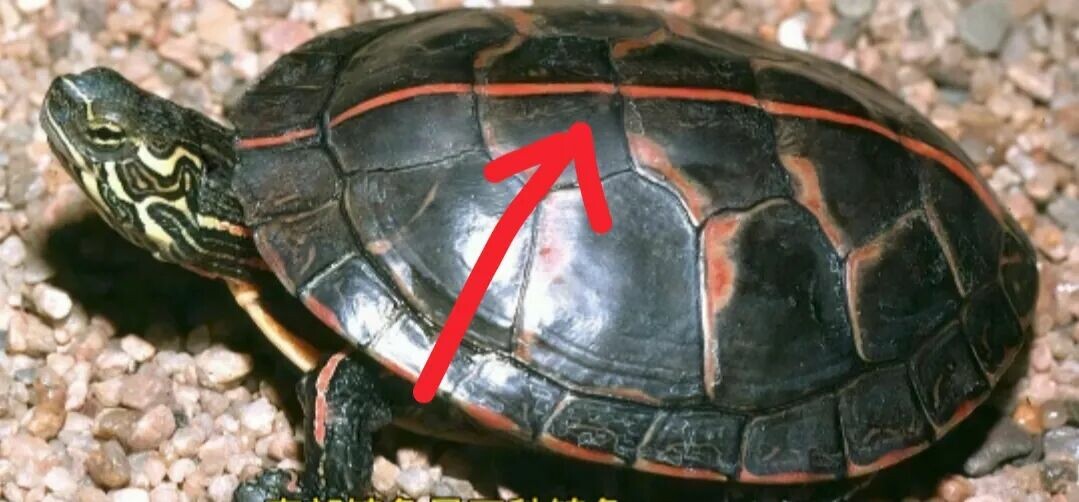
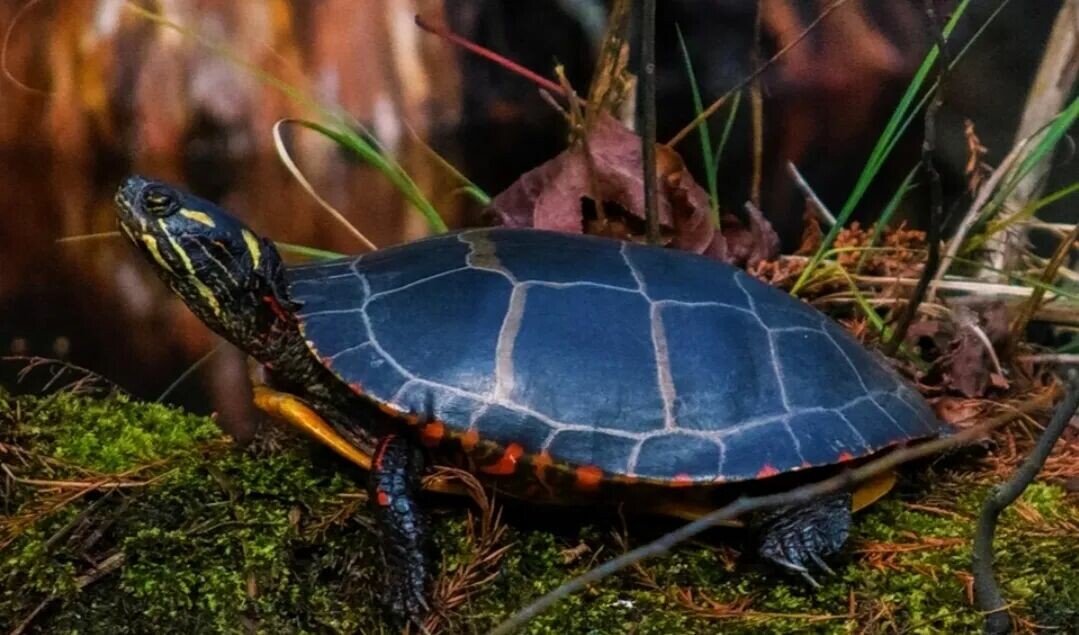
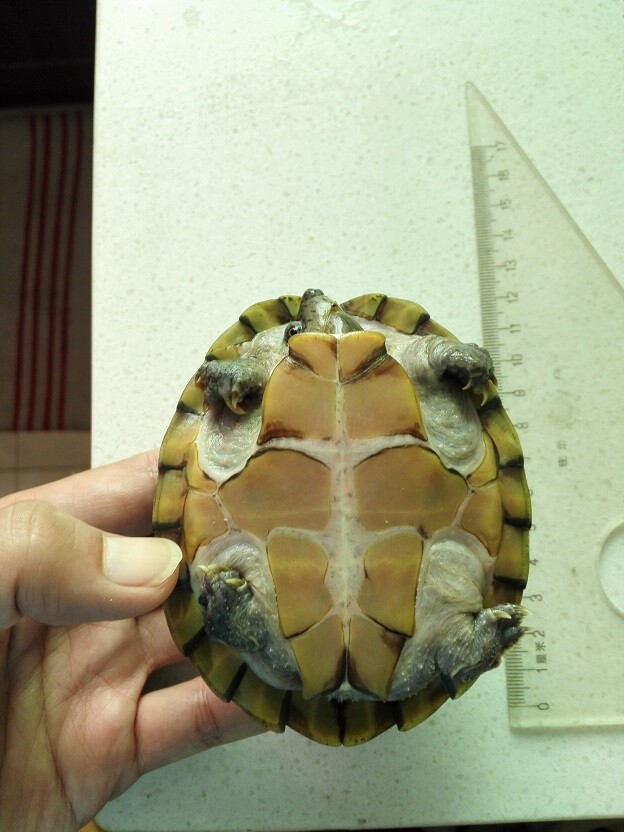
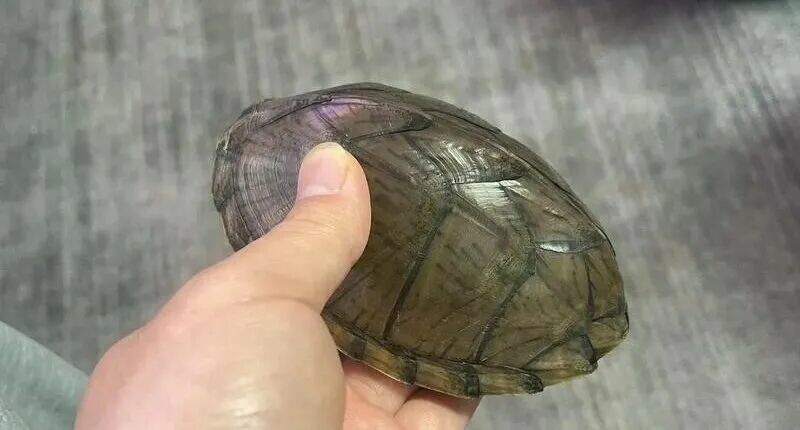
Eastern Painted Turtle: The head has two pairs of light yellow circular spots, earning it the nickname "American Four-eyes." The carapace color ranges from olive green to black, with beige markings that are nearly parallel. The abdomen (plastron) is clean and yellow.
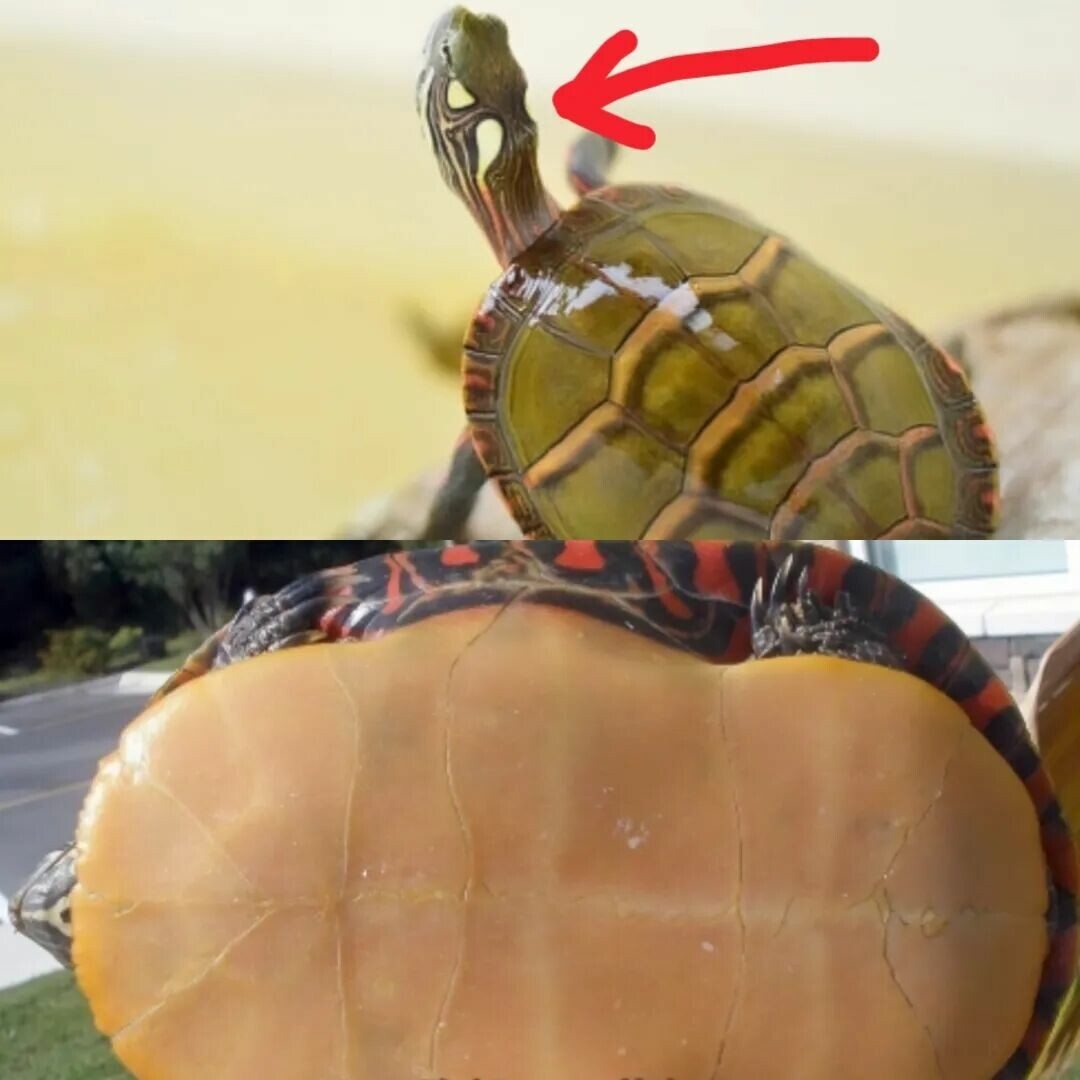
Western Painted Turtle
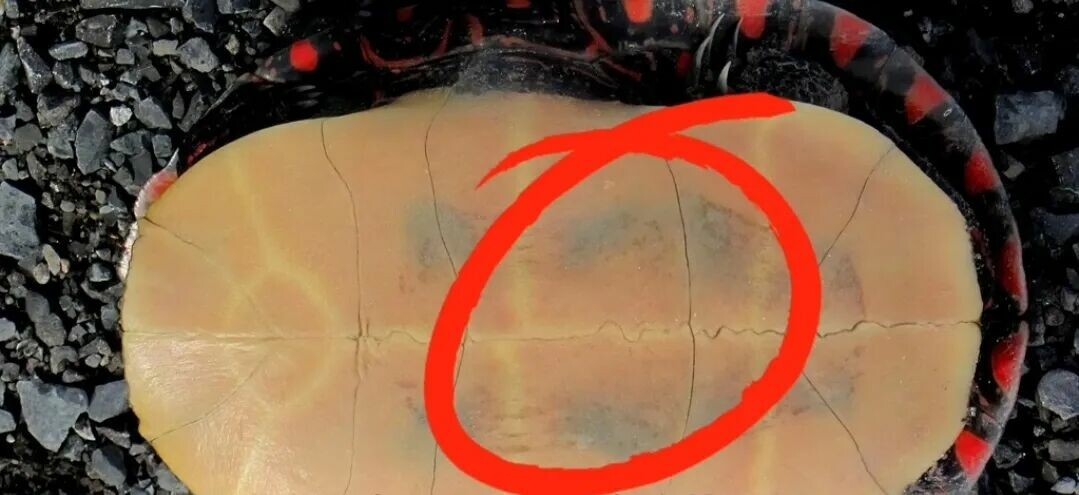
Western Painted Turtle: This is the largest of the 4 types of Painted Turtles, with a body length reaching up to 25 cm. The head has fine stripe-like patterns. The carapace is olive green with patterns, and the abdomen (plastron) is reddish/orange with large, dark patterns.
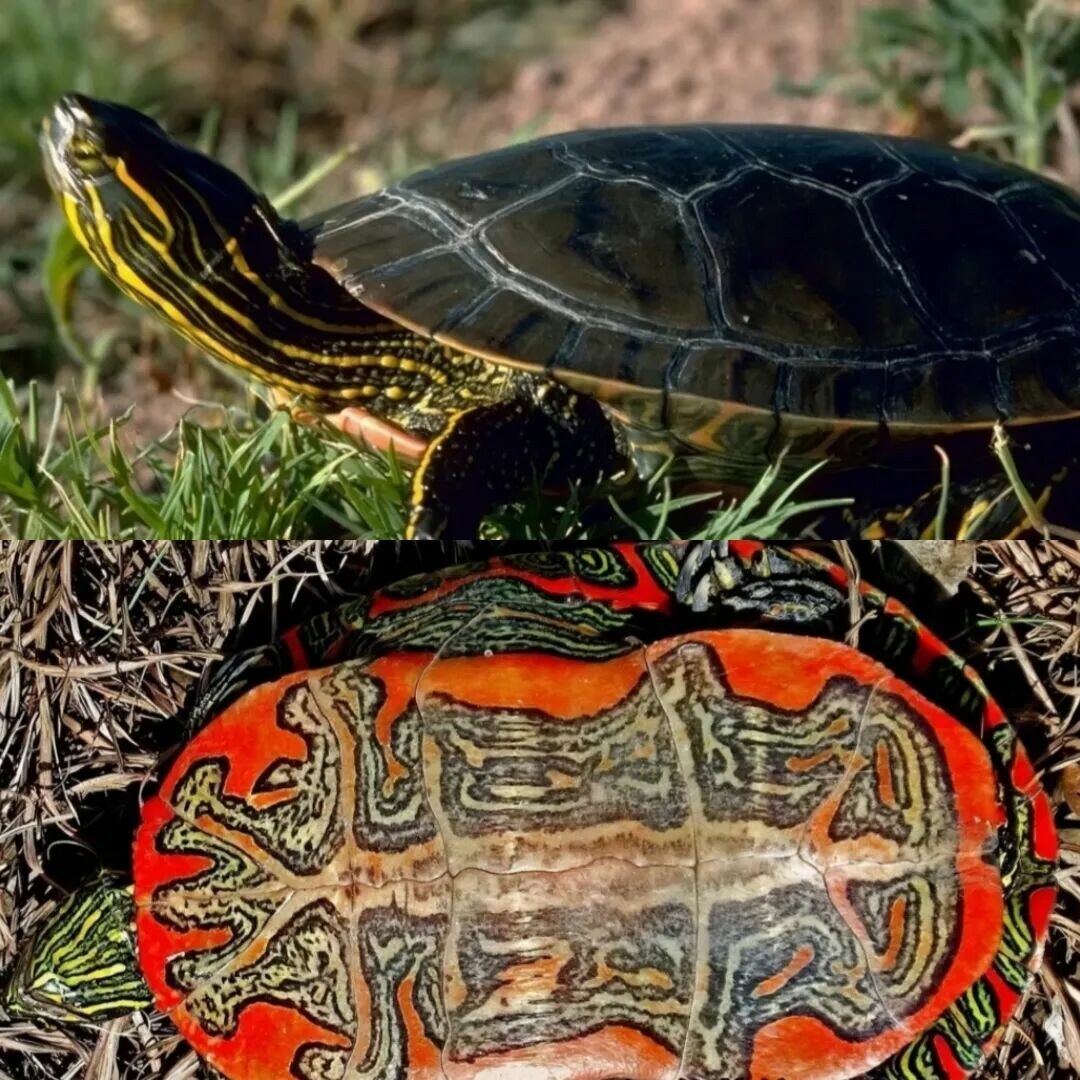
Southern Painted Turtle
Southern Painted Turtle: This is the smallest of the 4 types of Painted Turtles, with a body length between 10 – 14 cm. The carapace has a distinct yellow dorsal stripe (ridge line), which is the main difference from other Painted Turtles. The plastron has almost no pattern.
Midland Painted Turtle
Midland Painted Turtle: The head has yellow stripes and circular spots, similar to the Eastern Painted Turtle. The carapace is olive green with non-parallel markings, and the plastron has a symmetrical, light-colored patch (shadow).
Origin and Distribution
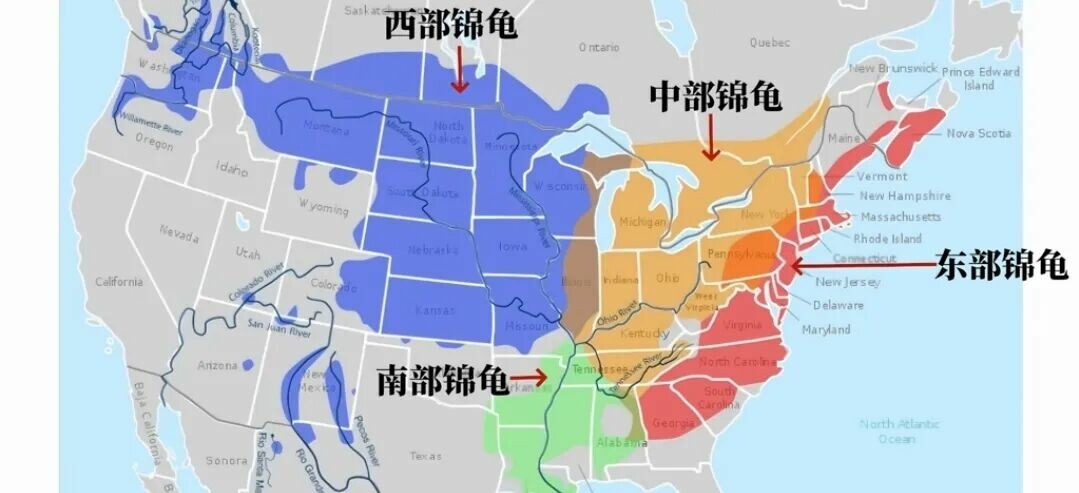
The Eastern Painted Turtle is mainly distributed in North America and Canada. They can be found from Quebec to New Brunswick in southwestern Canada, down to Georgia and Alabama in the United States. Eastern Painted Turtles prefer to live in ponds, marshes, lakes, and rivers with dense and abundant vegetation, especially favoring slow-moving waters.
Habits
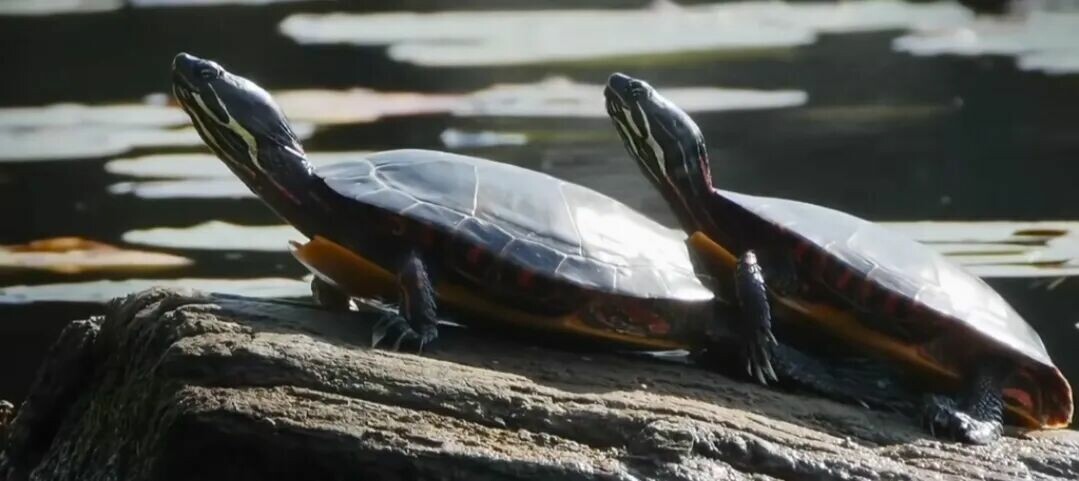
Eastern Painted Turtles like ponds, marshes, creeks, and lakes that have slow currents, soft muddy bottoms, suitable basking spots, and rich aquatic plants. Eastern Painted Turtles are diurnal (active during the day) and sleep at the bottom of the pond or on objects partially submerged in water at night. When the sun rises, Eastern Painted Turtles become active, basking for several hours, then foraging later in the morning, and may forage again in the evening.
Enclosure Setup
- Eastern Painted Turtles like a quiet environment, so a large turtle tank needs to be prepared.
- As a deep-water turtle species, when kept at home, the water level can be controlled between 20 – 50 cm, and the water temperature should be kept between 25 – 30°C to ensure their normal activity and feeding.
- Painted Turtles like to bask, so a stone that allows the turtle to completely leave the water can be placed in the tank.
- Eastern Painted Turtles have a habit of eating vegetation; aquatic plants can be put in, but the Eastern Painted Turtle will nibble on these plants.
Diet
In their native habitat, Eastern Painted Turtles live in slow-moving fresh water and feed on aquatic plants, algae, and other small aquatic animals (insects, fish, etc.). Eastern Painted Turtles like to search for food along the bottom, quickly extending their heads into the vegetation to flush small animals hiding inside out into open water before chasing and eating them. Eastern Painted Turtle hatchlings prefer a meat-based diet (carnivorous), and as they grow up, they will increasingly tend towards being herbivorous (plant-based food). During artificial breeding, attention should be paid to comprehensive nutrition; feeder fish, river shrimp, vegetables, fruits, crickets, worms, etc., can all be fed. High-quality aquatic turtle food (special feed for turtles) is also a good choice.
Reproduction
- In the native environment, male turtles take more than 3 years to mature from hatchlings, while female turtles take more than 6 years. Maturation is faster in an artificial environment, depending on specific climate and feeding factors.
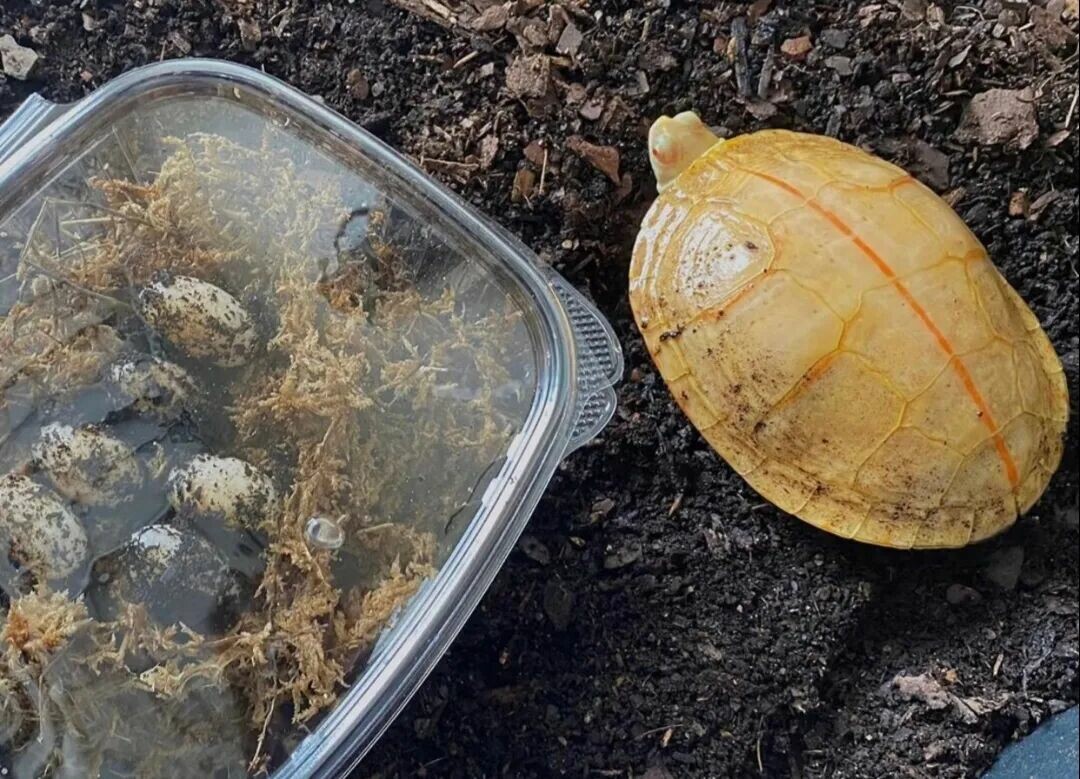
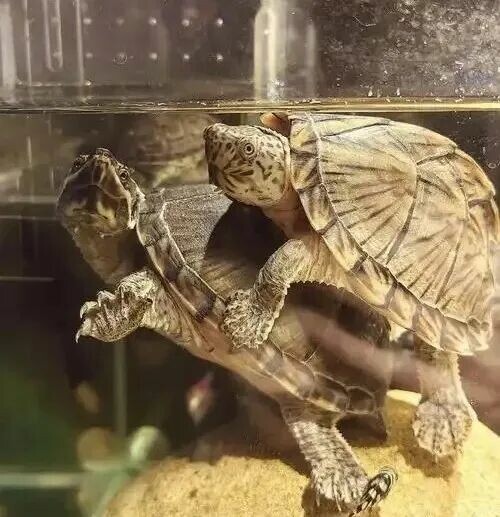
- Mating of Eastern Painted Turtles mostly occurs in the spring and autumn seasons. The laying season is from May to July, with 1~2 clutches laid per year, and the clutch size is 5~12 eggs.
Hibernation
Eastern Painted Turtles can hibernate and are very cold-tolerant, able to survive temperatures from 0°C to -10°C. Stop feeding when the temperature is below 20°C; they gradually enter hibernation below 15°C and fully enter hibernation below 10°C. There is no danger even if the temperature drops below 0°C.
Conservation Status
- Painted Turtles are very popular pet turtles in the United States. Although habitat destruction and road mortality have caused their numbers to plummet, Painted Turtles can adapt to environments disturbed by humans, becoming the most abundant turtle species in North America. Currently, only the populations in Oregon, USA, and British Columbia, Canada, are in danger of range erosion.
- The United States has 4 states that list the Painted Turtle as a representative reptile. The Eastern Painted Turtle has certain ornamental value (aesthetic and viewing significance) and economic value (can bring economic benefits). Artificially bred individuals in China are very common, and the price is relatively low, making them liked and kept by many turtle enthusiasts.
- The Eastern Painted Turtle does not belong to the category of protected animals in China, but it is an alien species. If you no longer keep this turtle, never release it into the wild environment at will, otherwise it will destroy the local ecological balance.
Original article by 搬运工, if reproduced, please cite the source: https://www.kaipet.com/en/eastern-painted-turtle-care-guide-distinguishing-varieties-hibernation-guide


Comments(1)
The hibernation ability is truly amazing! For home care, any specific tips to ensure a safe and healthy brumation period?