

Yellow-spotted River Turtle
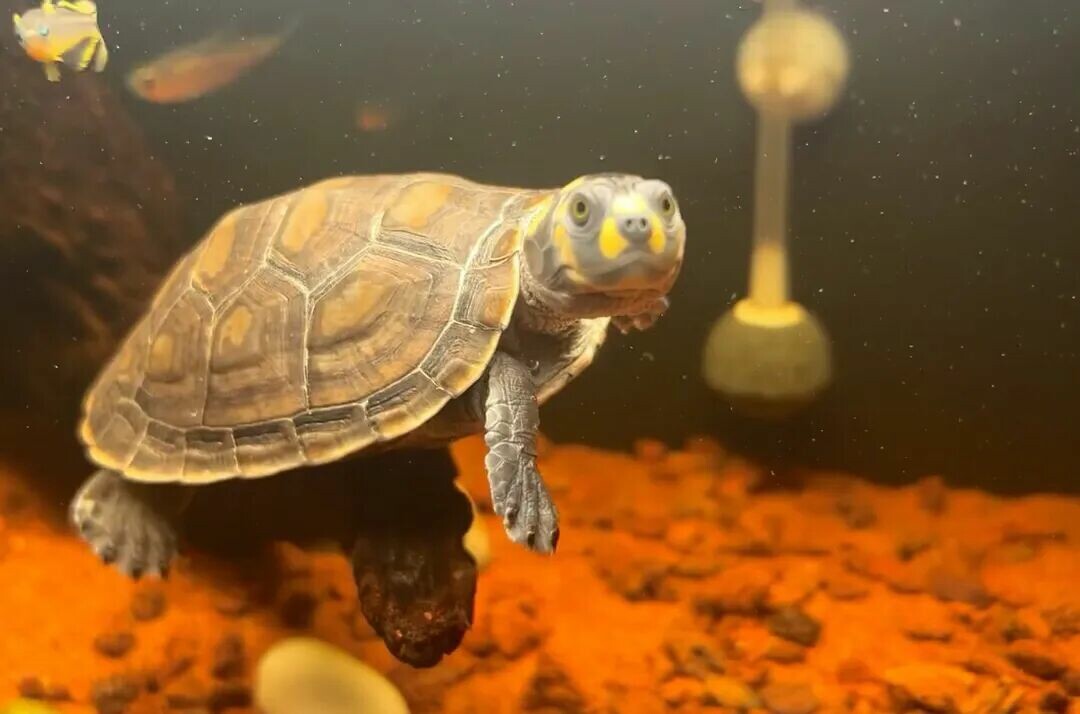
Currently, many people keep these as pets, and there are many captive-bred individuals. The Yellow-spotted river turtle’s hometown is in the Amazon and Orinoco rivers of South America. The climate in this region does not have winter temperatures; a water temperature of 25-30℃ (77-86°F) for keeping them is just right. If it falls below this temperature, they will stop eating, and the Yellow-spotted river turtle might very well go directly into shock. Heating is absolutely mandatory for keeping them in the North during winter, “no two ways about it” (without question).
West African Mud Turtle
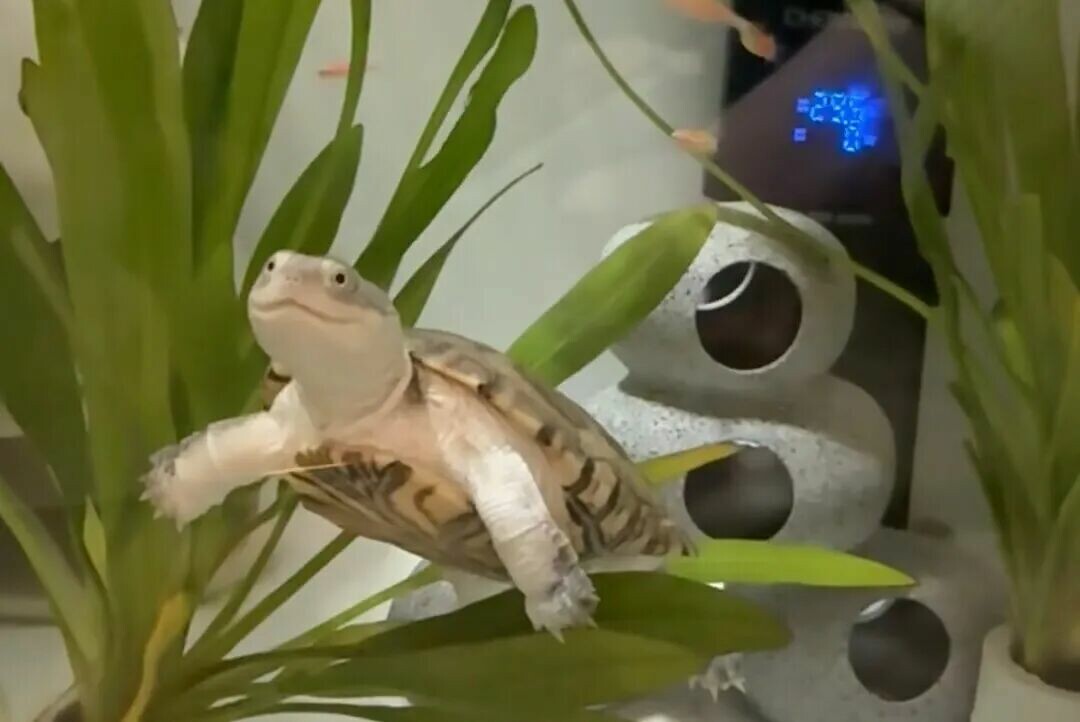
Captive-bred hatchlings (artificially bred young) offer great value for money. The West African mud turtle’s hometown is in freshwater rivers near the equator in Africa. The temperature requirement is the same as the Yellow-spotted river turtle; however, if it drops below 15℃ (59°F), the West African mud turtle’s metabolism will fail, and if it is a small West African mud turtle hatchling, it will just straight up “croak” (die).
Australian Painted Turtle
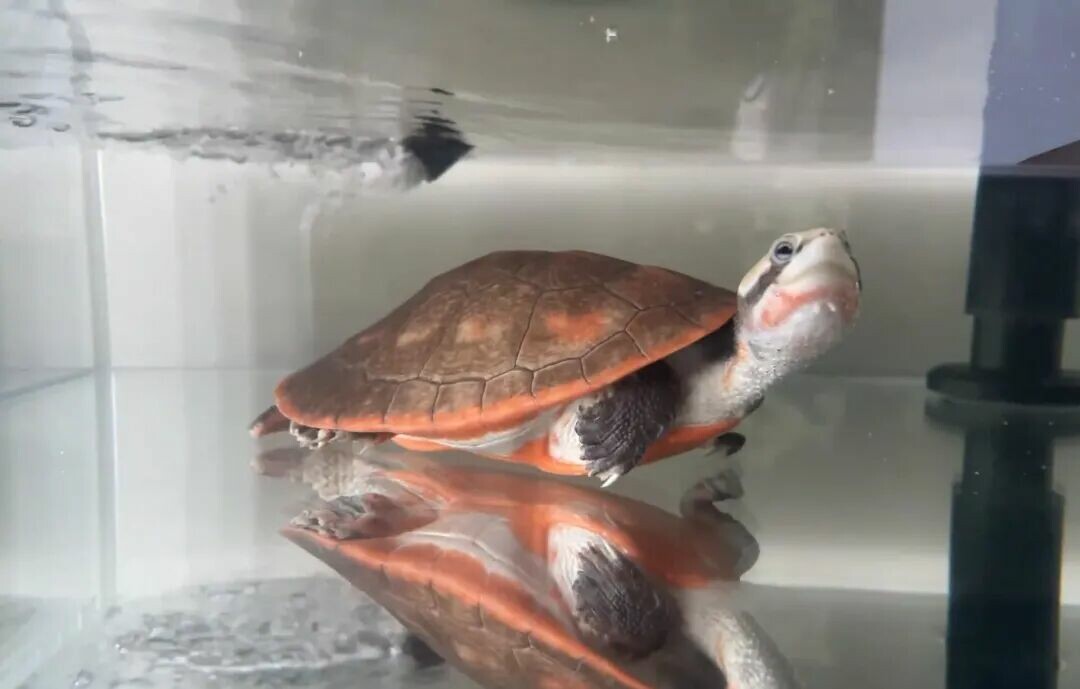
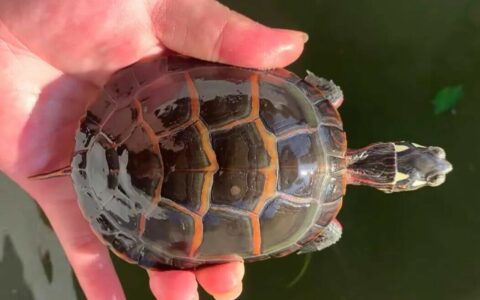
The Australian painted turtle is good-looking and has good interactivity with its owner. Nowadays, artificial breeding technology is mature. The Australian painted turtle’s hometown is in the waters along the coasts of Australia and New Guinea. Adult Australian painted turtles cannot last in water temperatures around 18℃ (64.4°F); they will start to become “listless” (lethargic) and enter semi-dormancy. Long-term exposure to low temperatures easily leads to respiratory diseases.
Snake-necked Turtle (Australian Long-necked Turtle)

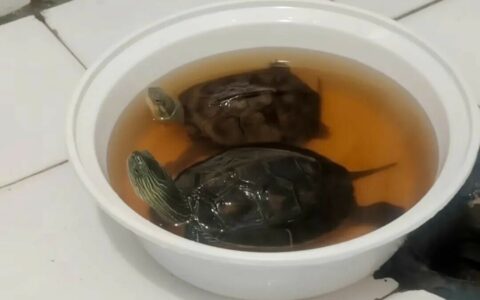
Legal captive-bred hatchlings can be bought in China. The Snake-necked turtle’s original birthplace is warm all year round; “one could say”the Snake-necked turtle hasn’t even seen what winter looks like. If the breeding environment is below 20℃ (68°F), the Snake-necked turtle will basically stop moving.
Tropical Mud/Musk Turtles (Selected species, captive breeding popular)
Temperate varieties of the “Egg turtle” (Mud/Musk turtle) family can hibernate, but the following tropical turtles, like the turtles mentioned above, come from hometowns with no distinct four seasons. Tropical Mud/Musk turtles lack the physiological mechanism for hibernation; when encountering low-temperature environments, it is very hard for tropical Mud/Musk turtles to survive.
Red-cheeked Mud Turtle
Captive-bred individuals are common, and the price is not expensive. The Red-cheeked mud turtle’s hometown is in the tropical swamps and rivers of South America, where the living environment is always “nice and warm”and “damp” (humid). The Red-cheeked mud turtle will become stressed if the water temperature is below 20℃ (68°F).
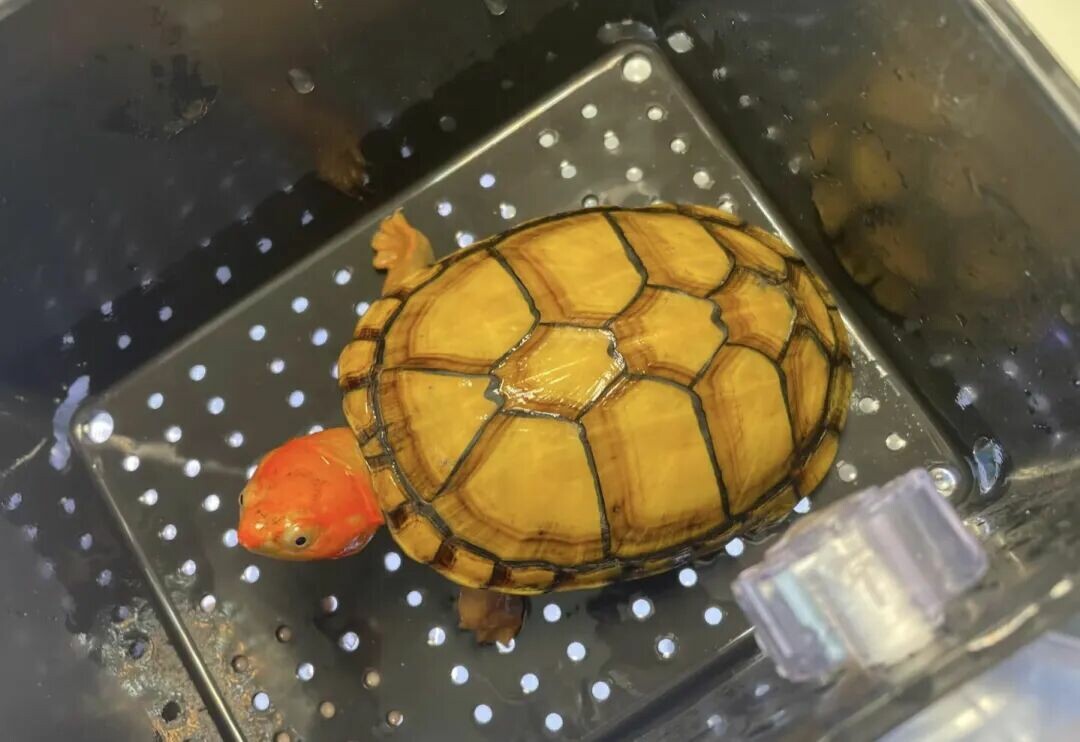
Salvin’s Musk Turtle
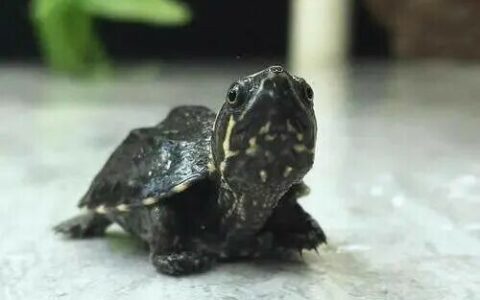
Captive-bred individuals can be legally kept. The Salvin’s musk turtle’s hometown is in the Central American region of Mexico and Guatemala. They often are active in water temperatures of 26-30℃ (79-86°F) and like to stay in shallow water to bask in the sun. Salvin’s musk turtles will suffer from gastrointestinal indigestion as soon as they encounter low temperatures, and the Salvin’s musk turtle’s shell will also become soft.
Mexican Giant Musk Turtle
Captive hatchlings are widely circulated; it is also called the Mexican giant musk turtle. The Mexican giant musk turtle’s hometown is in tropical freshwater rivers from southern Mexico to Central America. The Mexican giant musk turtle’s liver is prone to problems at low temperatures; if you keep a Mexican giant musk turtle, you must control the temperature well.
Original article by 搬运工, if reproduced, please cite the source: https://www.kaipet.com/en/turtle-species-hibernate-7-tropical-turtles-hibernation-strictly-prohibited




Comments(1)
Thanks for this crucial info! What are the earliest, most subtle signs of cold stress owners should watch for in these turtles?