

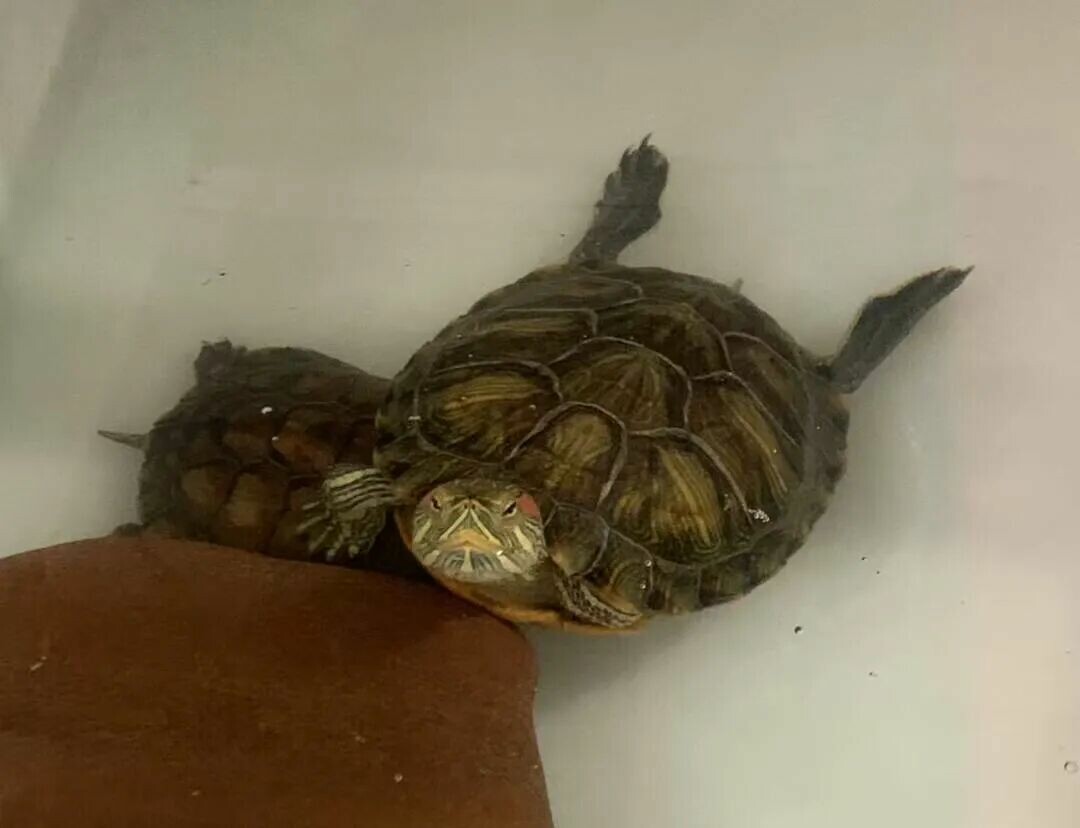
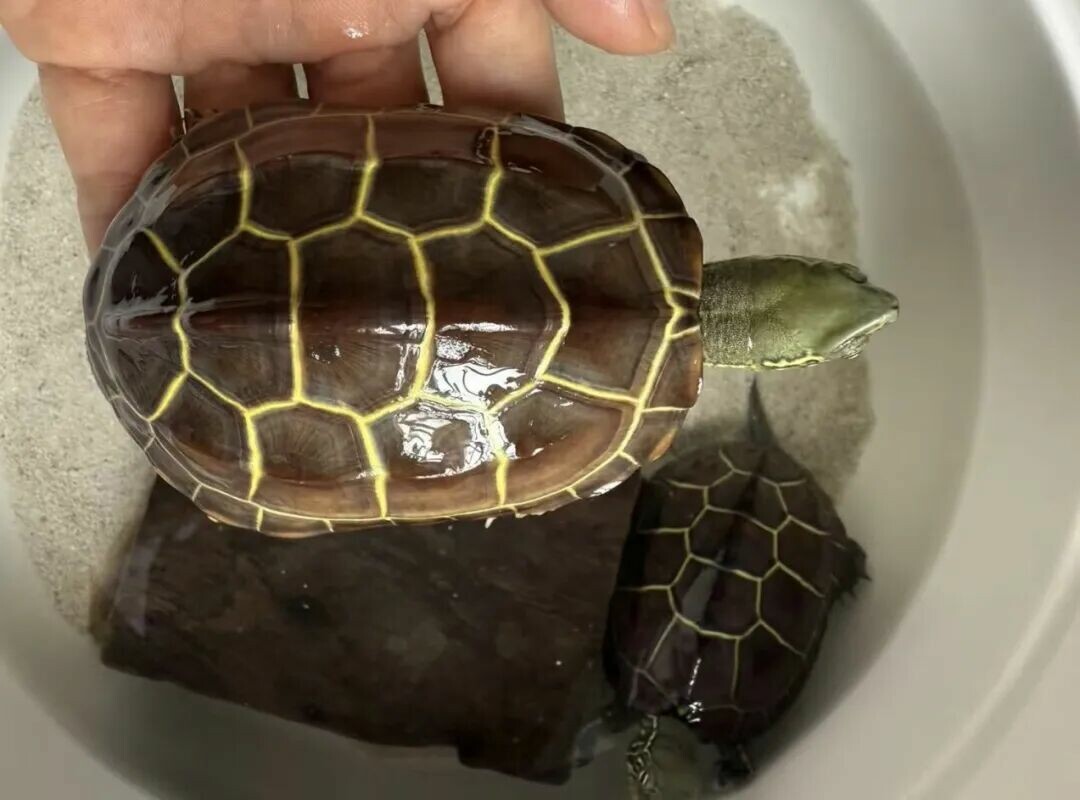
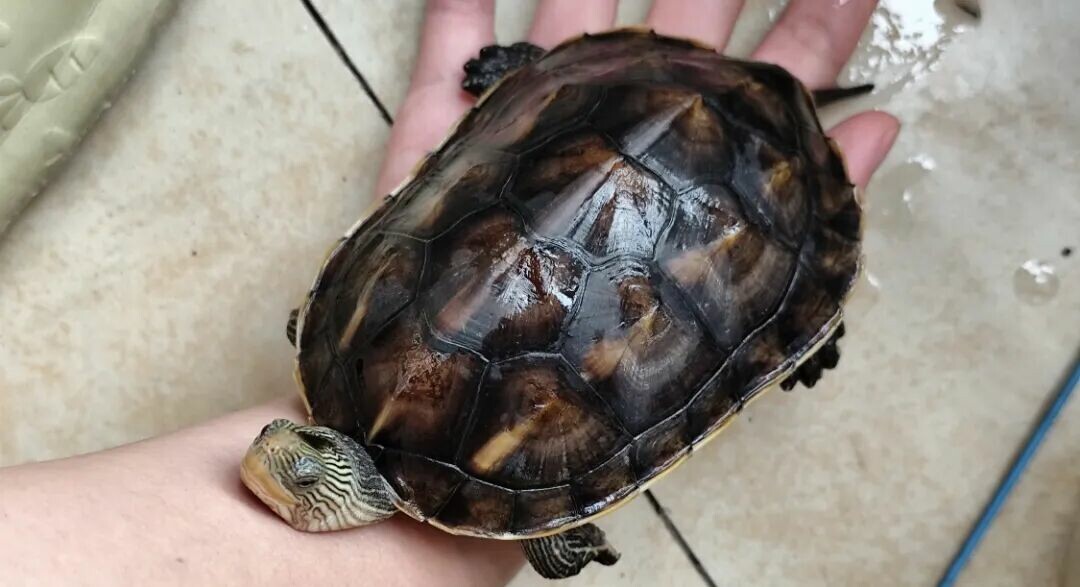
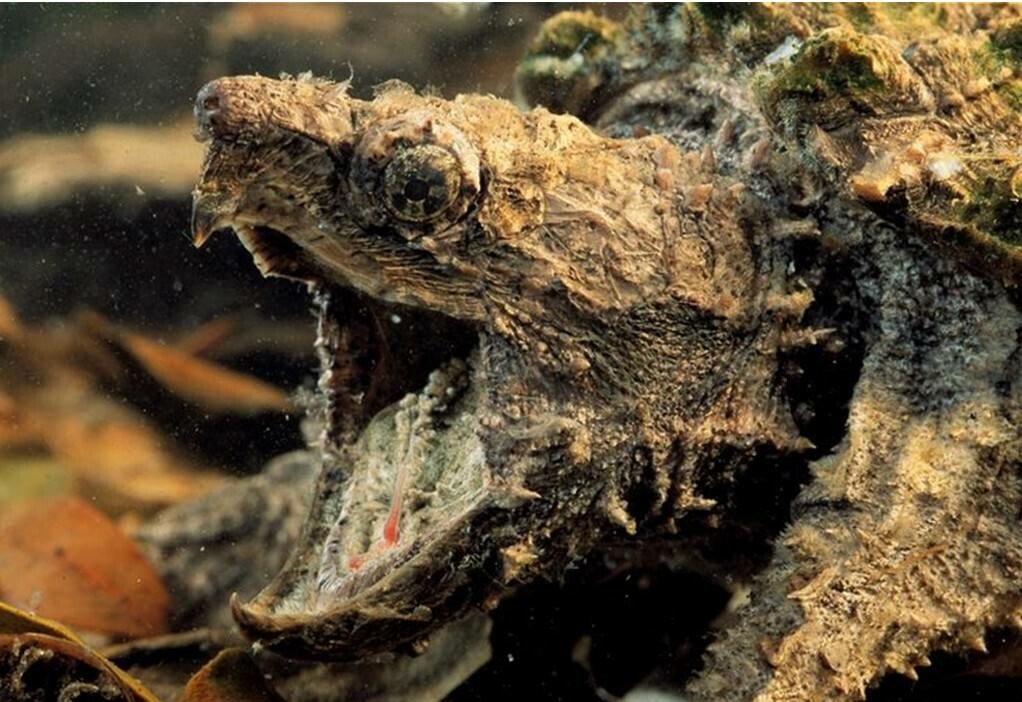
In the world of turtle hobbyists, there are many varieties to choose from. However, if you actually chat with fellow hobbyists, you’ll find that everyone seems to chase after the same few types, such as Mud and Musk turtles, Chinese Box turtles, Sliders, Snapping turtles, and Chinese Pond turtles. They have almost become the “stars” of the turtle community.
Surprisingly, however, Side-necked turtles, which should have a certain audience, are rarely mentioned. Even the West African Mud Turtle, once hailed as the exclusive pet of “wealthy socialites,” fails to spark much enthusiastic discussion among hobbyists. Have Side-necked turtles really fallen out of favor? Wasn’t it said that their sales volume was quite high? There was even a brief surge in prices before; was all of that just an illusion?
The craze for Side-necked turtles seems to have truly subsided. Initially, people rushed to try them out because of their “cute and adorable” appearance. But as their characteristics became widely known, hobbyists gradually “calmed down.”
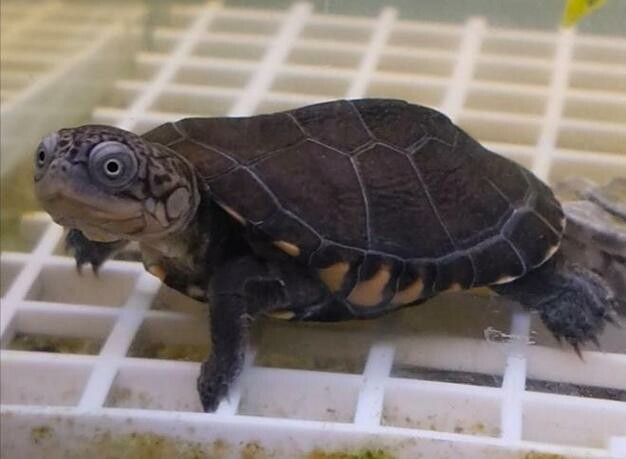
Why Tropical Turtles Met with a “Cold Shoulder”
In fact, it’s not just Side-necked turtles; almost all turtle species that require heated rearing seem less popular among hobbyists. Yet, confusingly, certain Mud and Musk turtles that also require heating—such as Red-cheeked, Narrow-bridged, Giant Musk (Mexican), Salvin’s, and White-lipped turtles—are highly sought after. Some people are even willing to spend heavy sums to build greenhouse turtle rooms to keep them. Why exactly is this?
Through in-depth communication, you will discover that hobbyists who dislike keeping tropical turtles do so mainly for several reasons: First, it’s troublesome; they feel they need to buy equipment and continue caring for them through the winter. Second, it’s expensive; heating equipment costs extra money, increasing expenses, and the electricity bills can become shocking. Third, they worry about inadequate heating techniques; improper operation could lead to the death of the turtles or even pose safety hazards. Additionally, the fact that most tropical turtles grow quickly and reach a large size is another reason why some hobbyists are unwilling to keep them.
Why Mud and Musk Turtles Are the “Exception”
However, why do Mud and Musk turtles, which also require heating, enjoy such widespread acceptance? Aside from the advantage of small body size, the more important factor is their investment attribute. Many hobbyists keep Mud and Musk turtles not just for viewing and interaction, but to make money. Otherwise, look at the Giant Musk Turtle (Mexican); is its adult form really smaller than a Side-necked turtle? It is because its “financial management” attribute covers up all flaws. In comparison, other tropical turtles appear “dim and lackluster.”
Refuting the Myths of Heated Rearing
But in fact, many hobbyists harbor certain misunderstandings about tropical turtles. They believe that turtles requiring heated rearing must be difficult to keep, but this is not the case. As long as the heating equipment is complete, the loss rate of tropical turtles is actually lower. Conversely, some non-tropical turtles are often placed in unreasonable environments because they can hibernate, which actually makes them more prone to death.
Heated rearing is not that troublesome. Domestic temperature control technology is already very mature, and safety is relatively guaranteed. With electrical appliances, “that sort of thing,” accidents can happen—no one can guarantee 100% safety. But then again, hibernation also cannot guarantee the turtle will survive 100% safely. Moreover, if you only use the heating equipment without maintaining it, the danger coefficient rises linearly.
Embracing Diverse Choices
Furthermore, heated rearing indeed allows us to access many excellent species. They are not only affordably priced and interactive but also possess outstanding swimming abilities, making them very suitable for viewing in ultra-clear glass tanks. Especially for hobbyists in the north, who worry about turtles being unable to hibernate due to indoor central heating in winter, Side-necked turtles and other tropical turtles are actually a good choice.
I hope the majority of turtle hobbyists can abandon prejudice and misunderstandings. As long as conditions permit, you can bravely try keeping them. Therefore, understanding the habits of the turtle is still very necessary. Although the large size of Side-necked turtles does indeed discourage many hobbyists, that is just their “personal problem”; regarding other varieties that require heating, perhaps you could “try to like them.”
Original article by 搬运工, if reproduced, please cite the source: https://www.kaipet.com/en/side-necked-turtles-easy-truth-heating-tropical-turtles




Comments(1)
This is so insightful! I’m curious, what are some affordable, interactive tropical turtle species you’d recommend for a beginner?