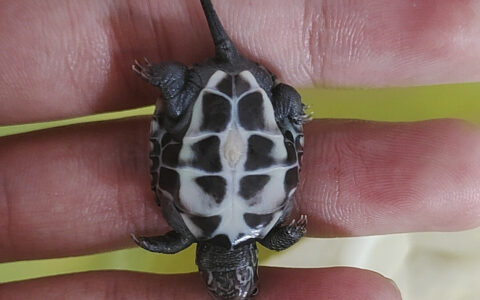
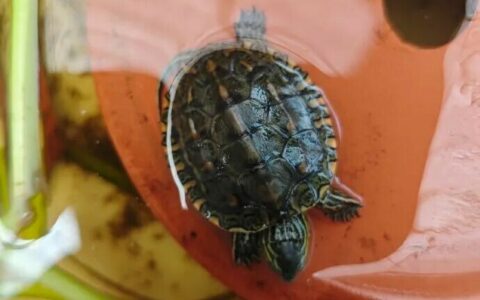
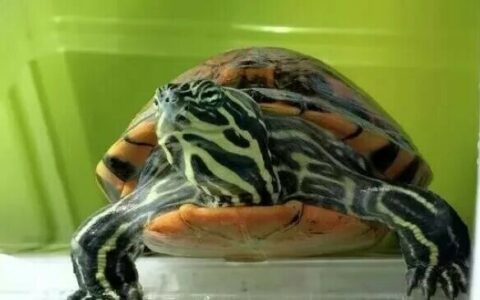
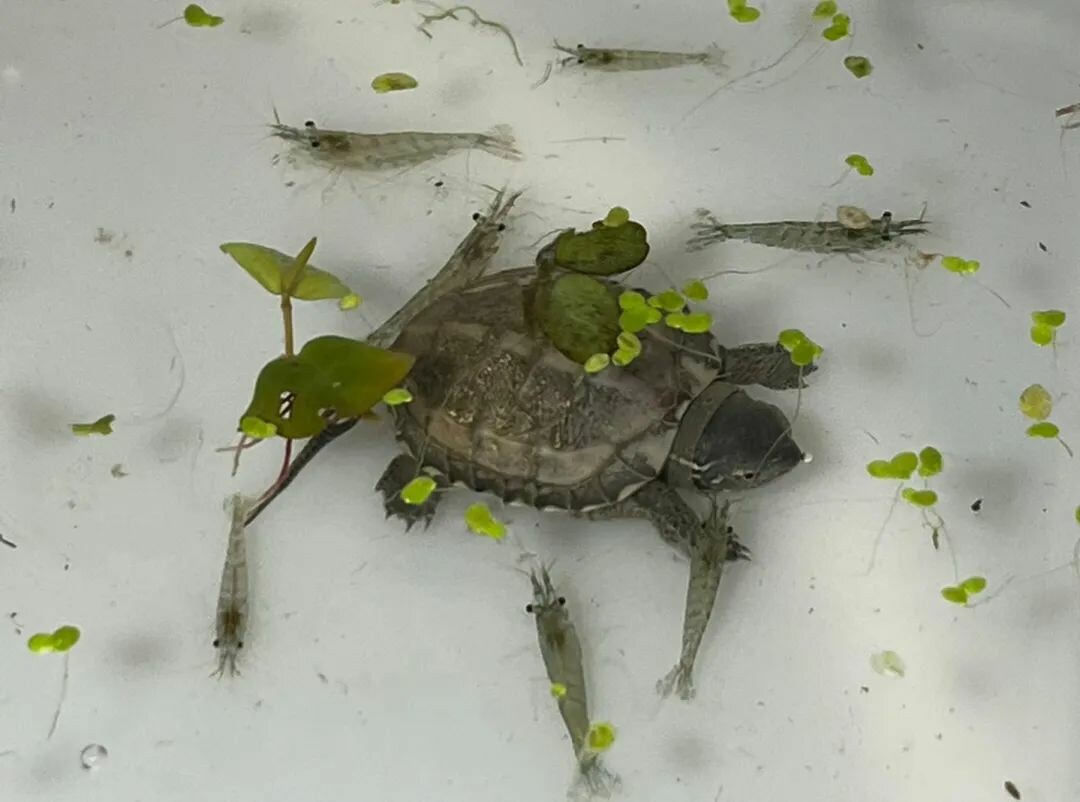
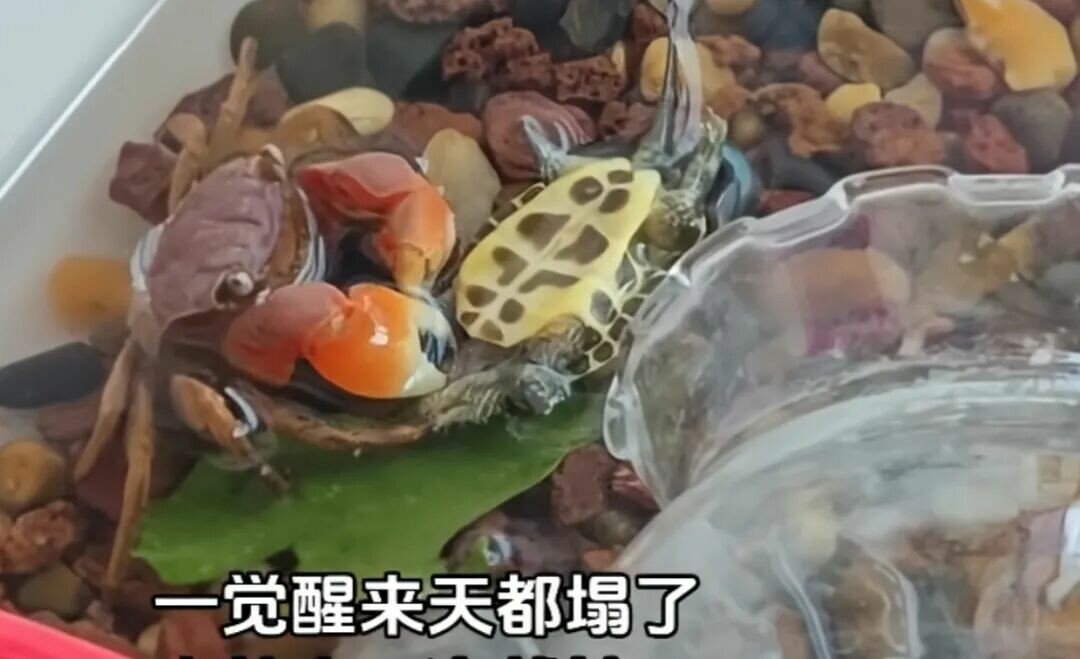
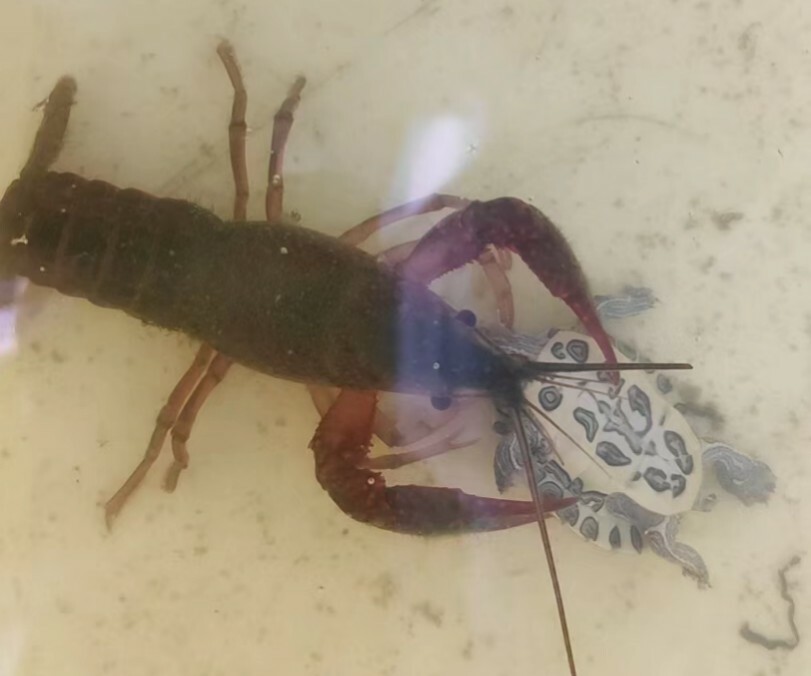
The volcanic stone turtle keeping method is undoubtedly the most controversial way of keeping turtles. Some groups regard volcanic stones as sacred, seeing them as a spiritual totem and winning method against the so-called “evil forces in the turtle-keeping community,” and a simple, worry-free, and cost-effective gospel for beginners to keep turtles.
On the other hand, some people discard it like an old shoe, believing there is nothing more ridiculous and ignorant than keeping turtles with volcanic stones. The volcanic stone turtle keeping method is entirely a brainwashing scam targeting novices, packaged and marketed under the guise of an ancient method. These ordinary, rough red pebbles are indeed burdened with too much weight they should not bear.
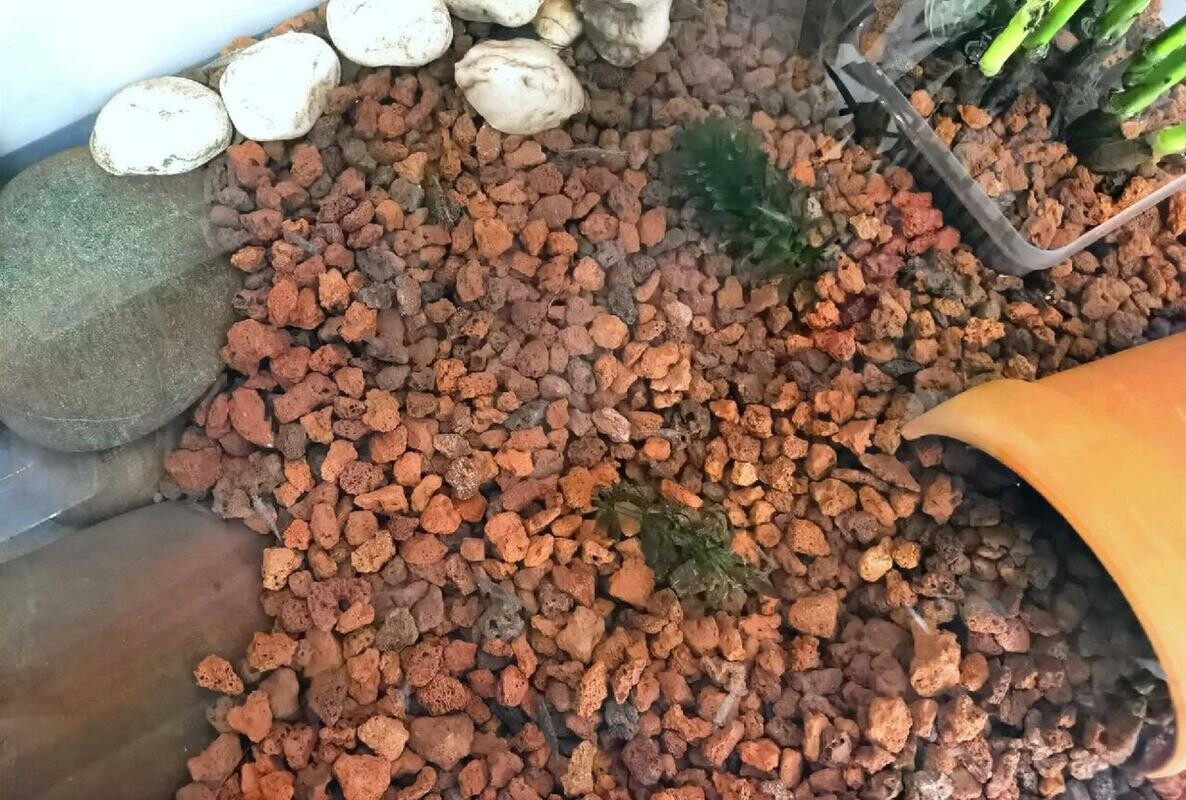
We have discussed the volcanic stone turtle keeping method before, but mainly focused on its limitations, such as insufficient temperature control, similar to a bare tank, and the constant emphasis on deep water turtle keeping to make up for it to some extent. There is also the common problem of all ecological turtle tanks, which is the pressure of space. To achieve the advertised effect, it is necessary to strictly control the size and quantity of turtles. This content mainly talks about its advantages.
Some turtle enthusiasts say that the only advantage of volcanic stone turtle keeping is aesthetics. I used to think that aesthetics are an advantage, but upon careful consideration, it cannot be strictly considered an advantage because everyone’s aesthetics differ. After practice, I personally feel that the greatest advantage of volcanic stone turtle keeping lies in “water nurturing.”
We know that it is often difficult to achieve both the clarity of the water and the stability of water quality when keeping turtles, and the volcanic stone turtle keeping method is one of the methods that can reconcile the two. My so-called volcanic stone ancient method turtle tank, built entirely according to standards, has been running with turtles for more than two months, only replenishing water and never changing it, and the water body remains clear. Judging by the condition of the turtles, the water quality is also relatively stable.

At the beginning, there was a thick layer of oil film floating on the water surface. With the extension of sunlight hours in summer, without taking any measures, the oil film disappeared by itself. Not changing water, no filtration, the longer the time, the better the water quality, which is quite surprising to me.
As for the criticism from many turtle enthusiasts about the wear and tear of the turtle’s plastron and claws, I have not observed it, perhaps different turtle species have different situations. Some turtle enthusiasts say that volcanic stone turtle keeping has evolved from the muddy water turtle keeping method, and some even say that volcanic stone turtle keeping is an improvement on the muddy water turtle keeping method.
In fact, the two only have similarities in their operating principles, and the focus of their advantages is completely different. There is no inheritance relationship, let alone improvement. It’s just that in some “belittle one and praise another” rhetoric, the muddy water turtle keeping method is always mentioned.
The muddy water turtle keeping method is mainly to try to fit the wild marsh wetland environment as much as possible under limited conditions, to combat stress and temperature differences, and to improve the survival rate of young turtles. The volcanic stone turtle keeping method is actually derived from the “filter material bottom layer fish keeping method.”
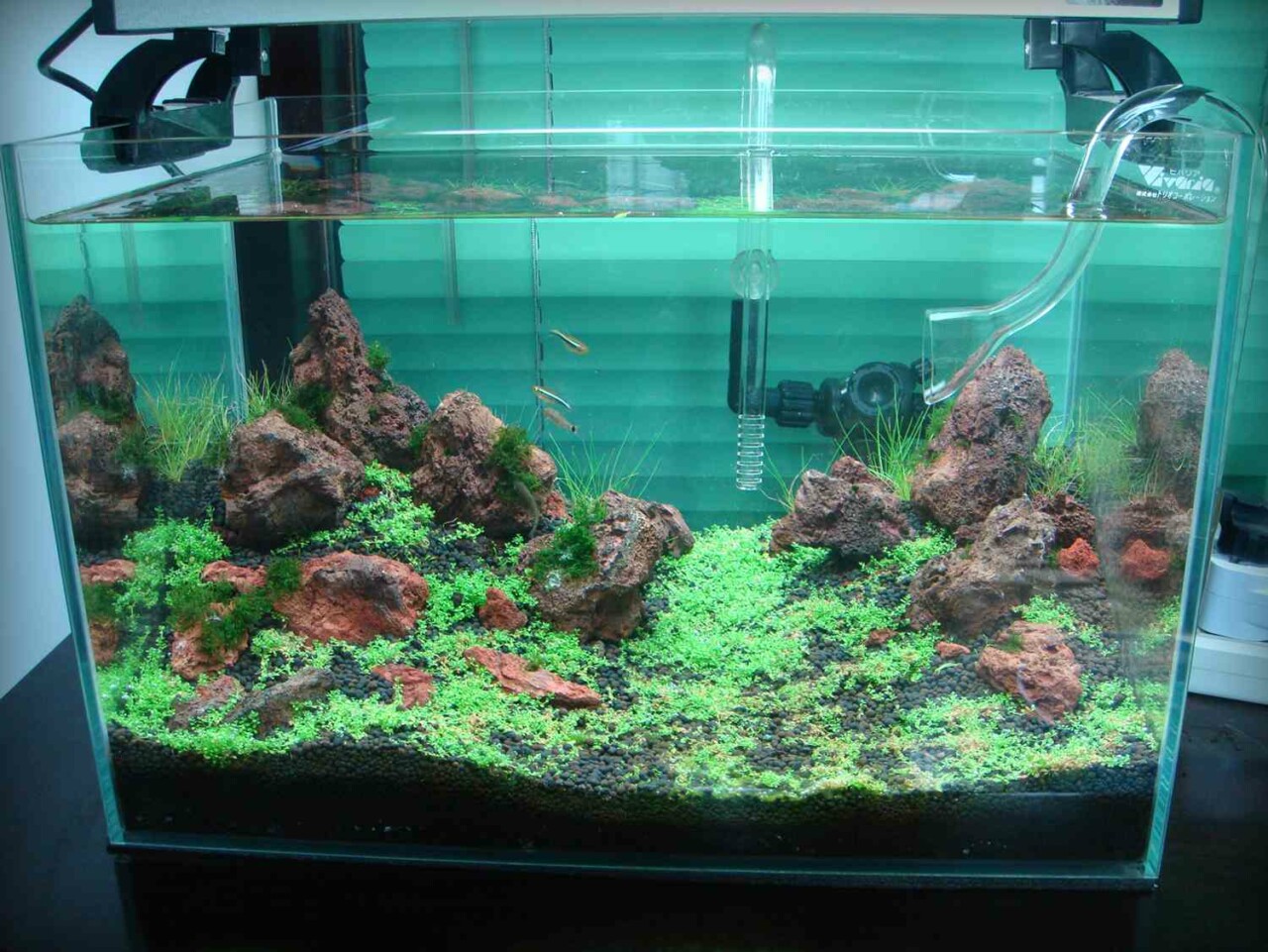
In fact, any filter material with pores, similar to volcanic stones in function, can achieve similar effects, but volcanic stones have a price advantage. After all, volcanic stone turtle keeping, like all turtle keeping methods, has its advantages and limitations depending on the actual situation of each turtle enthusiast, and there is nothing special about it.
If you are interested and have the conditions to set it up, use it with confidence and without any psychological burden. After all, keeping turtles is your own business, and what you personally find useful is the most important. As for the miscellaneous things outside of turtle keeping, they are irrelevant to us.
Original article by KPTer, if reproduced, please cite the source: https://www.kaipet.com/en/volcanic-stone-turtle-keeping-method-ultimate-solution-filtration-water-change