

Many people who keep turtles feel that in a huge tank, keeping only a turtle seems like something is missing. Therefore, when keeping turtles, “raising something else on the side” has become something “turtle keepers” (turtle enthusiasts) take great delight in.
Common Cohabitation Companions for Turtles
Turtles and Fish
When cohabitating turtles and fish, we know that turtles are relatively calm animals, while fish are very lively. This contrast of motion and stillness adds vitality to the turtle tank. Sometimes, when the turtle gets hungry and we forget to feed it, it can then catch a fish on the side to satisfy its craving.

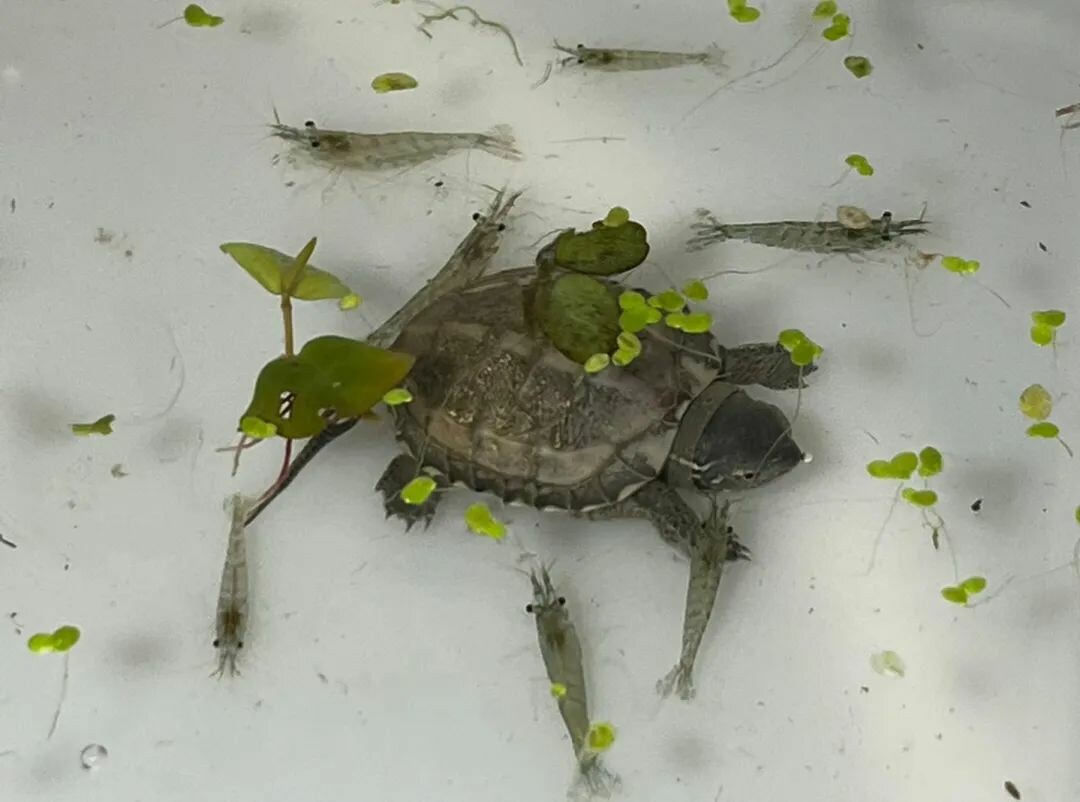
Turtles and Small Shrimp like Black Shell Shrimp
Cohabitating turtles with black shell shrimp—small shrimp. Small shrimp like the black shell shrimp, they (the black shell shrimp) are small in size and like to break down feces in the tank. Keeping them with turtles is also a good choice, as the shrimp can clean up waste in the turtle tank. Especially in an eco-tank, black shell shrimp have space to hide and are not easily caught and eaten by the turtle.
Cohabitation Companions Requiring Caution: Crayfish and Crabs
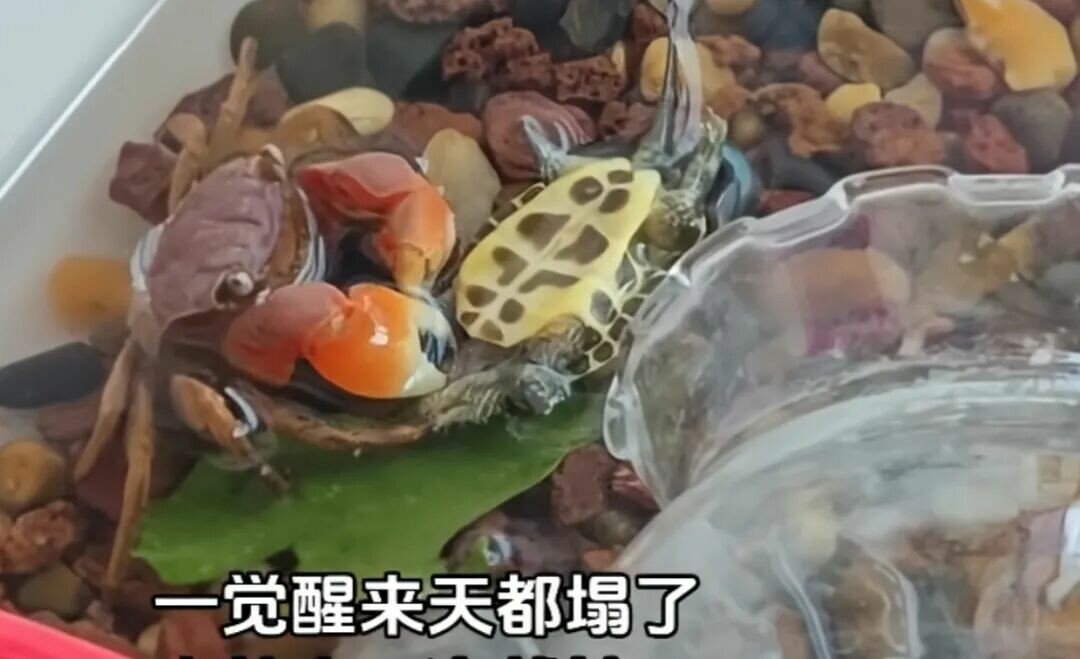
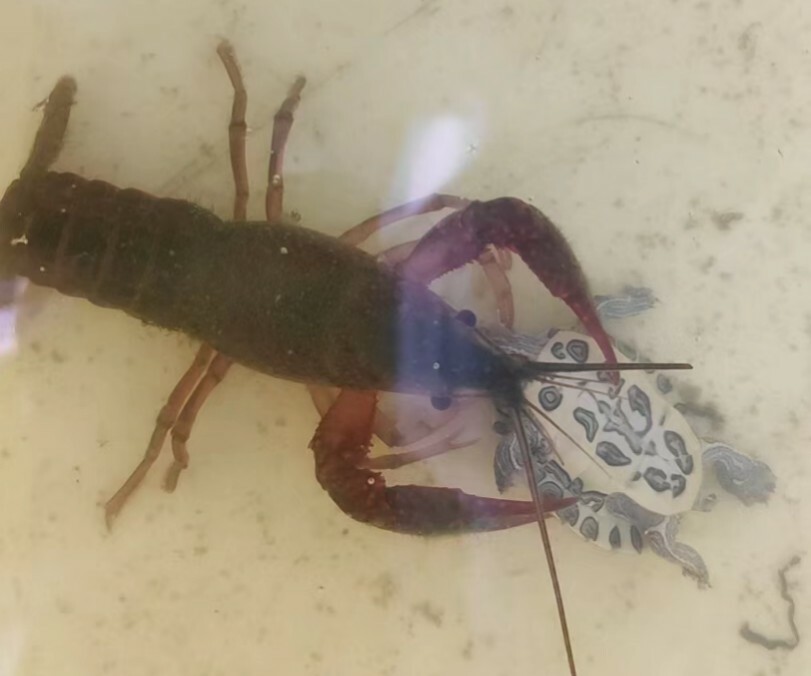
Cohabitating turtles with crayfish, and with crabs. This type of cohabitation is destined to fail; whoever is stronger becomes the dominant one. A netizen intended to raise a crab for their turtle to eat, but as a result, the crab turned the tables and killed and ate the turtle.
Wonderful Interspecies Interactions
Turtles and Cats
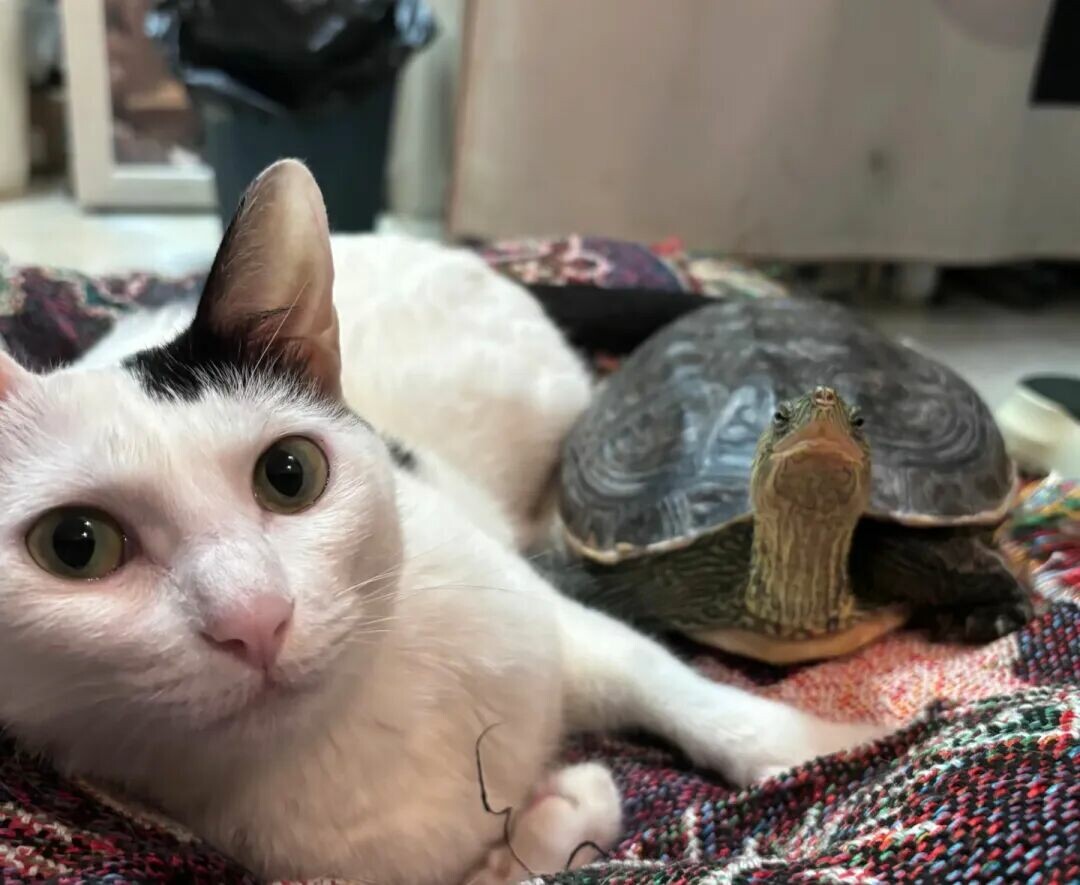
Cohabitating turtles and cats. A netizen keeps a cute cat and a Chinese stripe-necked turtle. When there’s nothing else to do, the Chinese stripe-necked turtle likes to climb out of the turtle tank to stick with the tabby cat, enjoys sunbathing with the tabby cat, and likes to lie on the cat’s soft fur. One must say this stripe-necked turtle really knows how to enjoy life. And the cat also enjoys its time with the Chinese stripe-necked turtle; they (the cat and the turtle) never fight.
Turtles and Dogs
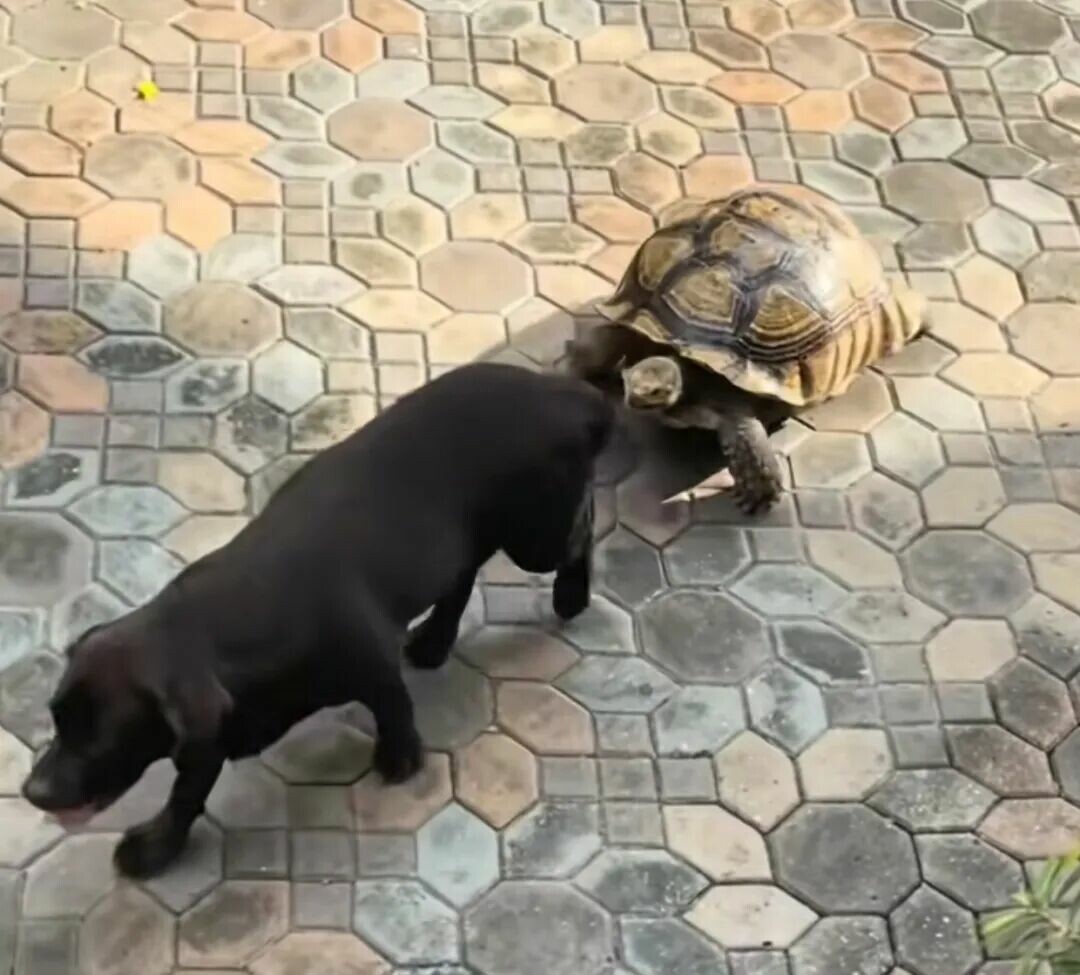
Cohabitating turtles and dogs. Another netizen keeps a Labrador Retriever and a Sulcata tortoise. Every time they go out for a walk, the Sulcata (Sulcata tortoise) follows behind the dog. Wherever the Labrador Retriever goes, it (the Sulcata tortoise) follows. The Labrador sometimes deliberately walks to places with stairs, watching the Sulcata’s clumsy appearance. One is clever and mischievous, while the other is clumsy yet persistent, always making people roar with laughter.
“Fighting to the Death” Within Their Own Species
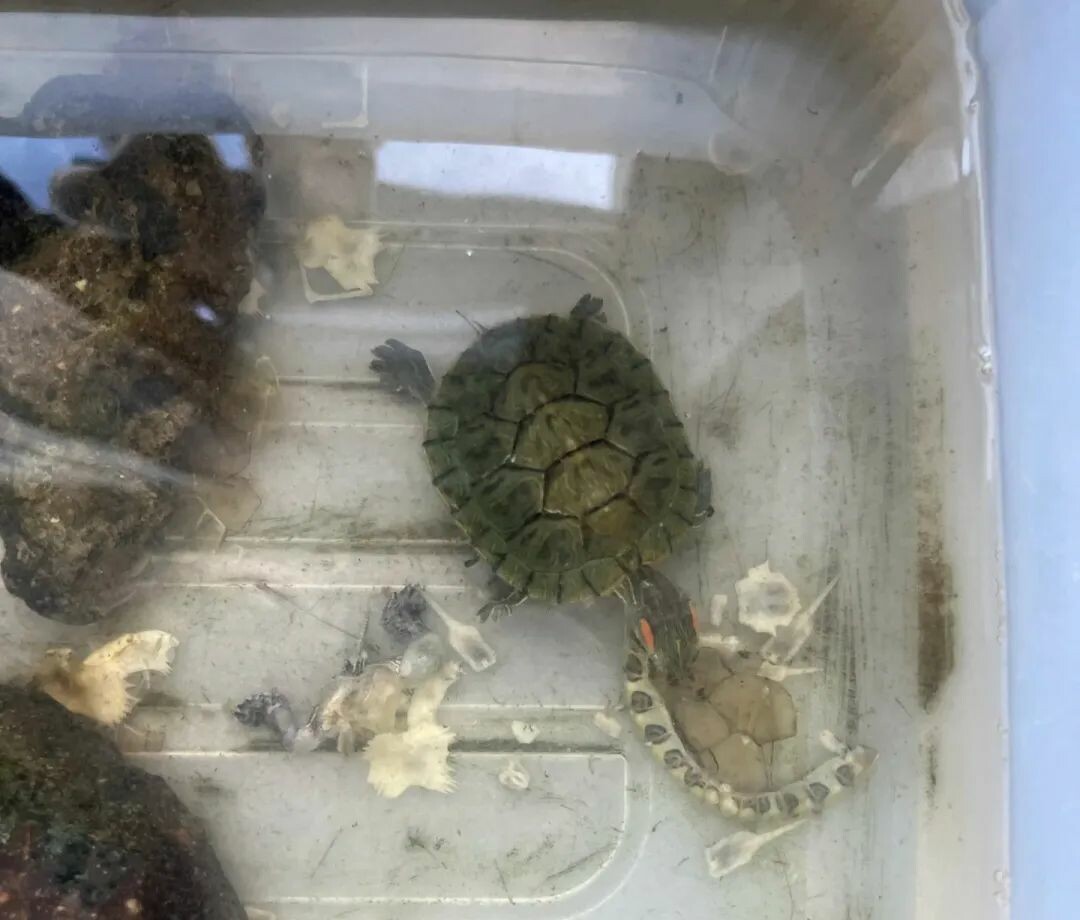
There’s also cohabitating turtles with other turtles. Unexpectedly, some turtles of the same species will even kill each other. One netizen kept several red-eared sliders, forgot to feed them for a few days, and then discovered that one red-eared slider had eaten another.
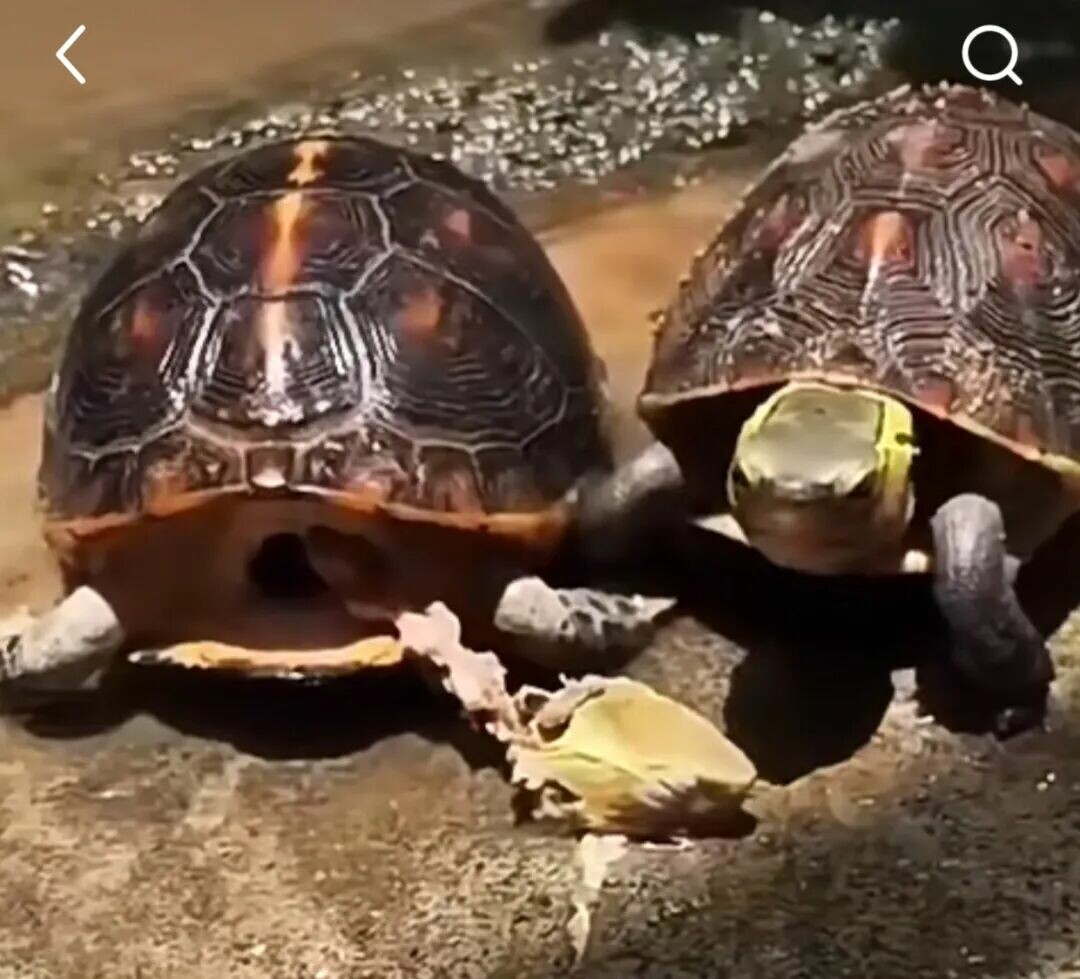
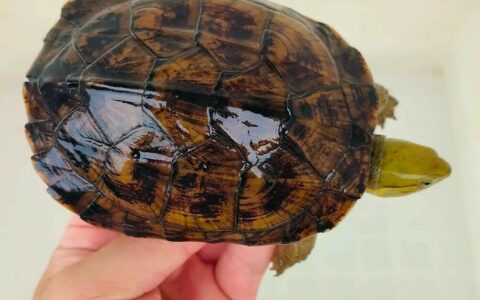
Also, the widely beloved Chinese box turtle will in fact also kill each other. The Chinese box turtle has a strong sense of territory and is relatively fierce, so fighting is not uncommon. One netizen discovered that among their cohabitating Chinese box turtles, one had eaten the other.
Keeping turtles is a lot of fun. As for whether to cohabitate them and with what, everyone has different cohabitation methods. Most cohabitation setups are harmonious, and only under a few specific circumstances will inharmonious scenes occur. So, what is the cohabitation status of the turtles in your home?
Original article by 搬运工, if reproduced, please cite the source: https://www.kaipet.com/en/cohabitating-turtles-carries-risks-fish-shrimp-crabs-tank-mates-require-careful-selection






Comments(2)
This is such a comprehensive guide! I’m curious, what’s been your most surprising successful or challenging cohabitation experience?
@CriticX:Thank you for your kind feedback! We’re delighted you found the guide comprehensive. The post indeed highlights many surprising and challenging cohabitation scenarios. We always enjoy hearing diverse experiences from our pet community – feel free to share yours!