

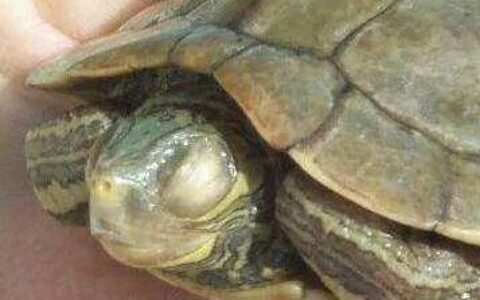
While turtles aren’t as active as cats and dogs, they have their own unique ways of expression. When a turtle gets sick, it will actually show various signals, but these are often overlooked by us. If you notice your turtle exhibiting the following behaviors, you must pay close attention and not ignore them. Adjust its living environment and diet promptly, observe it more closely, and take it to a vet when necessary.
Abnormal Behaviors and Postures
For example, if a turtle is constantly spinning in circles, rubbing its body, or experiencing convulsions, it might be sick. We shouldn’t mistake this for the turtle making a “funny face”at us; it’s likely caused by physical discomfort.
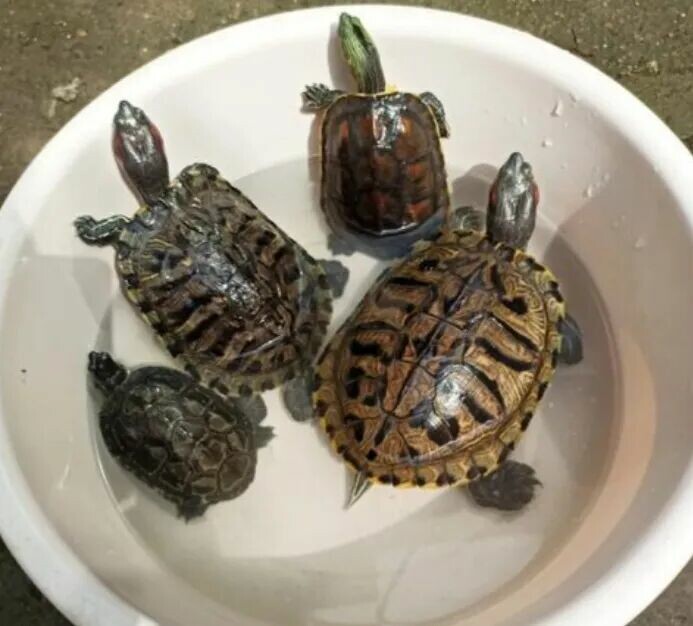
Normally, a turtle will be very active, crawling around when it sees you return. If you find your turtle frequently hiding motionless in a corner or staying hidden, unwilling to swim or crawl, you need to pay attention and check on your turtle.
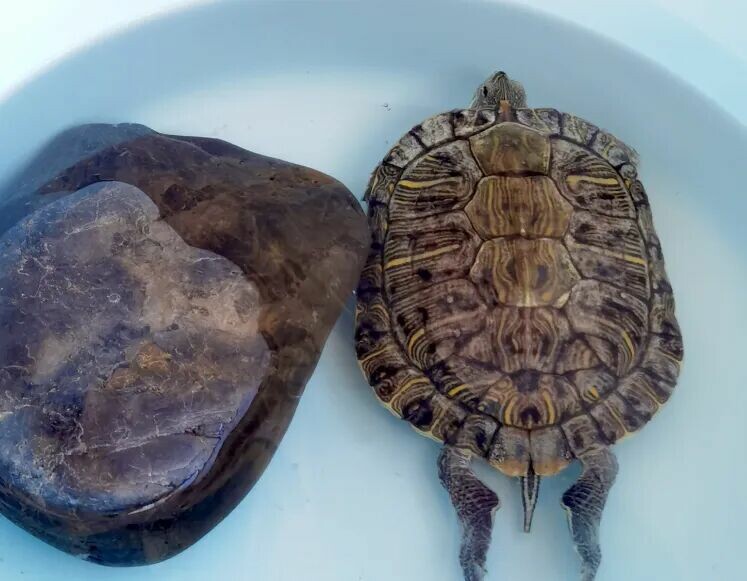
If you hear your turtle making unusual sounds while breathing, such as wheezing or a whistling sound, it may have pneumonia (an inflammation of the lung tissue). We need to observe carefully to identify the issue.
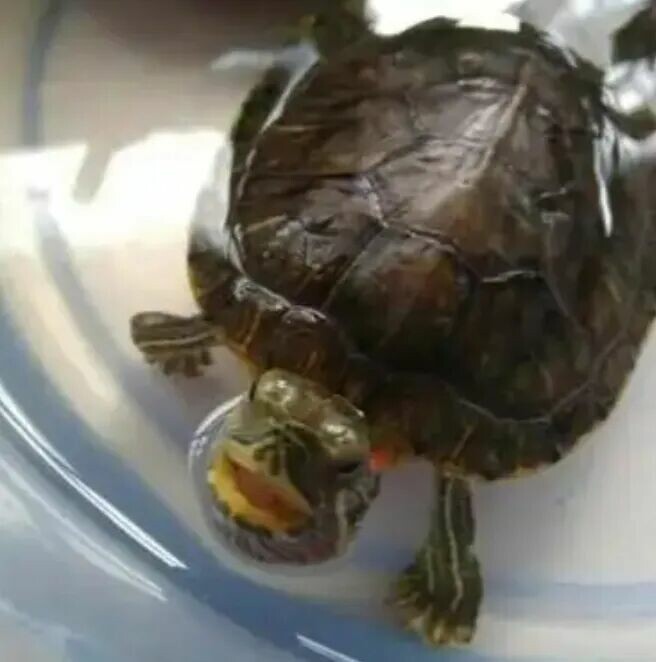
For instance, if a turtle in its tank exhibits a tilted neck or an unbalanced floating posture, this indicates a physical problem, and you should take it to a vet promptly.

Digestive and Skin Issues
If you notice a significant decrease in your turtle’s appetite compared to usual, or if it refuses to eat for several consecutive days, and seasonal reasons are ruled out, then it’s likely that your turtle is unwell.
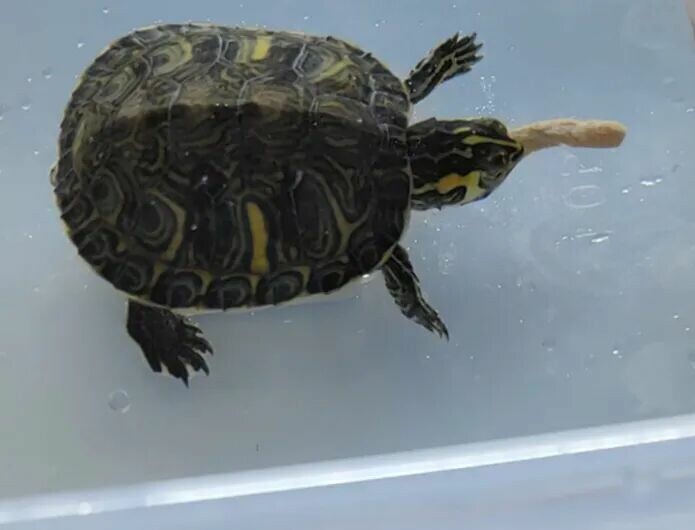
Friends who have raised turtles know that once a turtle develops skin rot, such as skin ulceration, white patches with mucus, or other skin issues, it needs to be treated with medication promptly.

A turtle’s defecation is influenced by many factors. Generally, they start to defecate within 1 hour after eating. Young turtles have a shorter defecation interval, usually once every 2–3 days, while adult turtles have a longer cycle of about 3–4 days. If your turtle exceeds this time, or even goes 1 week without defecating, you should reduce its feeding, maintain a stable water temperature, and you can give it a warm water bath to promote gastrointestinal motility and induce defecation.

Turtles may seem easy to care for, but they are not. If your turtle exhibits the 7 situations mentioned above, you must take it seriously. Promptly reduce feeding and maintain a stable water temperature. If the situation is severe, administer medication or see a vet in a timely manner. Ensuring your turtle’s health is the only way for it to live a long and healthy life.
Original article by 搬运工, if reproduced, please cite the source: https://www.kaipet.com/en/early-signs-sick-turtle-7-distress-signals-novice-owners-shouldnt-ignore




Comments(2)
Excellent guide! For new owners, which of these subtle signs do you think is most easily overlooked before it becomes serious?
@CriticX:That’s an excellent question, CriticX! Many new owners might easily overlook subtle abnormal behaviors like constant spinning or rubbing, sometimes mistaking them for playful actions rather than distress signals. Vigilant observation is key.