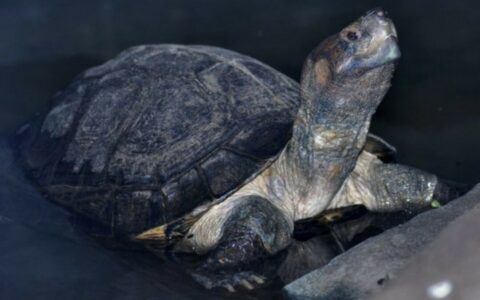
In fact, during hibernation, a turtle’s lungs shut down, and the skin and cloaca take over respiration. Therefore, purely in terms of hibernation, both deep and shallow water are viable options. To a certain extent, deep water hibernation is more effective due to the stability of water temperature and quality.
Deep water hibernation will not drown a turtle, but it is not actually recommended. If you choose this method, you should refer to my article on preventing drowning during deep water hibernation. This is because, as the turtle is about to enter hibernation and during the hibernation period, it is in a torpor state and may be confused and drowned.
In comparison, shallow water hibernation is safer. However, it is not easy to maintain a stable temperature in shallow water, and the water quality can easily deteriorate, leading to stress responses and causing skin and shell rot in turtles.
To put it simply, deep water is conducive to hibernation, but accidents are prone to happen before and after hibernation. Shallow water hibernation is safer before and after hibernation, but stress responses and skin and shell rot are common during hibernation. In other words, both methods have their advantages and disadvantages.
If you must choose between the two, shallow water hibernation is recommended. Because if the turtle drowns due to limited mobility before and after hibernation, it is dead. The issue of skin and shell rot during shallow water hibernation can be mitigated by placing the container in a temperature-stable area and providing dark hiding places to reduce stress-induced rot.
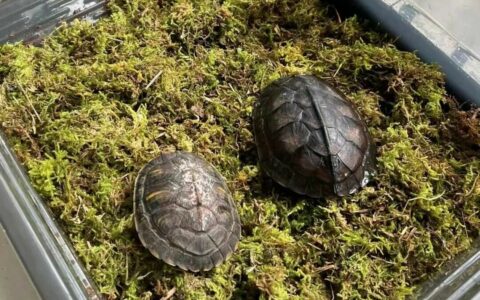
In fact, there are various methods for turtle hibernation. There is no need to choose only between deep and shallow water at home. Sand, coconut coir, perlite, vermiculite, water-absorbing resins, and other materials can also be considered.
Original article by KPTer, if reproduced, please cite the source: https://www.kaipet.com/en/turtles-deep-water-hibernation-shallow-water-hibernation-introduction-differences