

Turtle keepers (friends who raise turtles) get particularly anxious once autumn arrives: “Why has my turtle lost its appetite? Is it sick?”
Actually, this is very likely the turtle sensing the change of seasons and preparing to enter its annual “hibernation mode”! So, in which month do turtles actually start to stop eating?
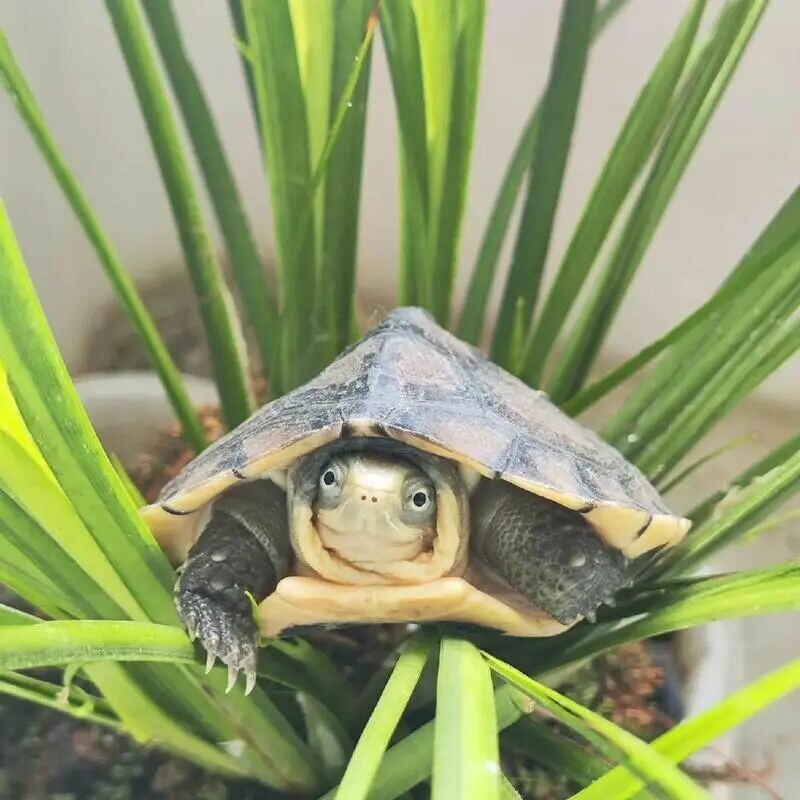
Fasting Schedule: The Key is Temperature, Not Just the Month
As the saying goes, “turtles don’t eat in October,”but this is just a rough guide. The “trigger” for turtle hibernation is not the calendar, but the air temperature. When the ambient temperature consistently drops below 15-20℃, the appetite and activity levels of most turtles will significantly decrease; when the temperature stabilizes below 10-15℃, they will basically stop eating and prepare to enter hibernation.
Therefore, in China:
- Northern regions (e.g., Northeast, North China): The fasting period starts earlier, possibly from late September to mid-October.
- Southern regions (e.g., South China): The fasting period is later, possibly delayed until November or even December.
Key tip: Instead of memorizing the months, learn to observe! When you notice your turtle’s appetite decreasing and it becoming less active, you should realize: the hibernation season is coming!
The “Golden Preparation Period” Before Hibernation: Fatten Up in Summer, Cleanse the Gut in Autumn.
If you want your beloved turtle to overwinter safely, preparation is crucial, and you must get the timing right!

Energy Storage Period (Summer)
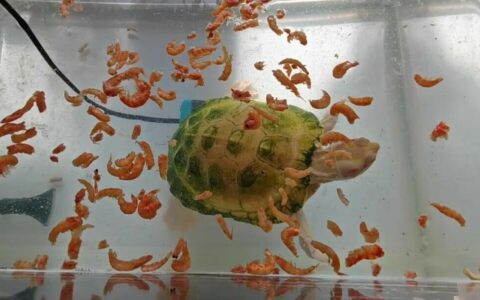
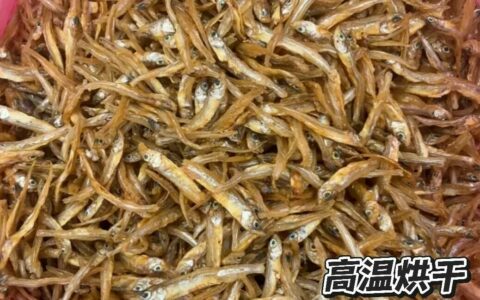
A turtle’s process of “fattening up for autumn”(eating more in the fall to increase body weight and store energy for winter) actually happens in the summer! Summer is when a turtle’s metabolism is most active. You need to provide nutrient-rich and diverse food (such as high-quality turtle pellets, small fish and shrimp, dried shrimp, etc.) to let it accumulate enough fat.
This “energy deposit” will be its “source of life” for the entire winter without food or drink. Do not suddenly start feeding it large amounts right before autumn, as this will burden its digestive system.
Fasting and Gut-Cleansing Period (Autumn)
This is the most critical step! About 1 to 2 weeks before the turtle is expected to enter hibernation, when the air temperature begins to drop steadily, you must gradually reduce and eventually stop feeding.
At the same time, you need to soak it in water every day to stimulate it to empty its bowels of feces. It is imperative to ensure the intestinal tract is empty! If it hibernates with food in its gut, the food will rot and ferment, causing enteritis (inflammation of the intestines), which is fatal to the turtle.

Special Care for Special Cases
Young/Sick/Weak Turtles: Natural hibernation is not recommended. Because they have low fat reserves and poor resistance, the risk of hibernation is extremely high. It is best to use heating equipment (such as a heating rod, reptile lamp (a special lamp for reptiles, often used to provide heat or simulate sunlight)) to maintain a constant temperature of around 25℃, allowing them to get through the winter normally.
Constant Temperature Indoor Environment: If your turtle lives indoors with heating year-round, and the temperature is consistently above 20℃, it may not enter a state of hibernation. However, its appetite might slightly decrease due to its seasonal biological clock (an internal mechanism in organisms that regulates physiological rhythms), which is a normal phenomenon.
It is a normal physiological phenomenon for turtles to stop eating in the autumn. As owners, we must understand that this is a part of their life cycle and scientifically prepare them for it: enhance nutrition in the summer, and promptly stop feeding and cleanse the gut as autumn turns to winter. As long as you do these things, your turtle can have a good, sound sleep and greet you lively and energetic next spring!
Original article by 搬运工, if reproduced, please cite the source: https://www.kaipet.com/en/month-turtles-stop-eating-hibernation-temperature-guide-understanding-key-gut-cleansing-preventing-fatal-risks



Comments(2)
The gut cleansing part is so critical! What are some key signs to look for that tell us their gut is truly empty?
@CriticX:You’re right, gut cleansing is absolutely vital! The main sign their gut is empty is when you no longer observe any feces after consistent daily soaks. Continue the soaking process until no more waste is expelled to ensure they’re ready for hibernation.