

Friends who often feed small dried fish to their turtles have likely encountered this: the dried fish smells bad, there is a lot of debris after the turtle tears into it, and the water surface is covered in an oil slick after eating. I have often encountered the same problem myself. Today, I’m here to share how to solve this and pick a qualified dried fish product.
The Current Status and Problems of Buying Dried Fish Online
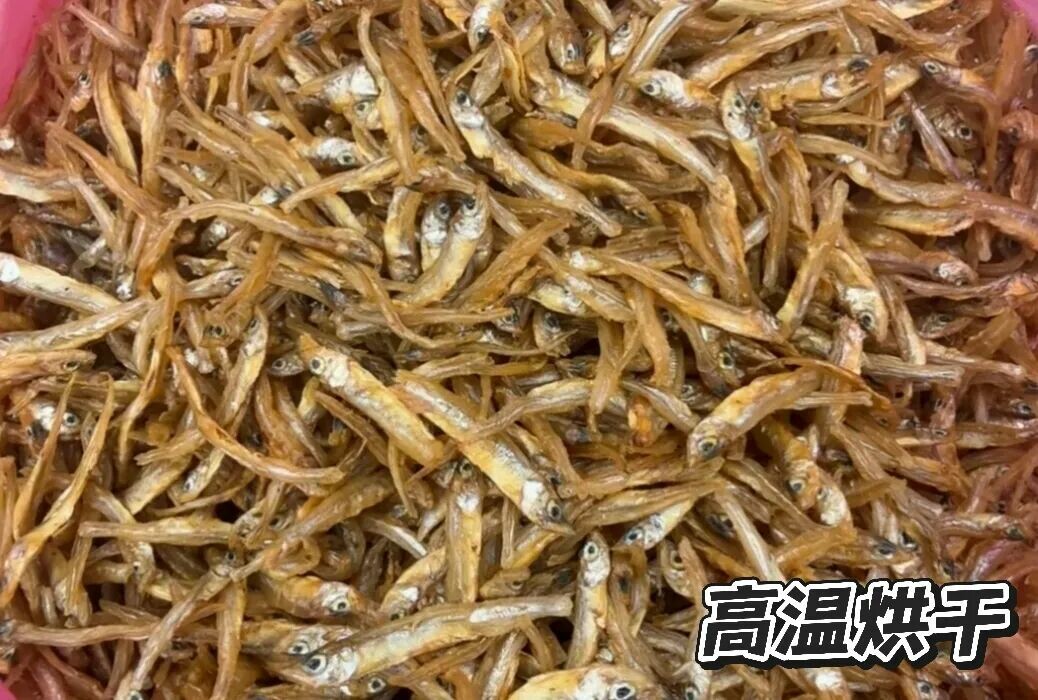
Nowadays, when buying freshwater unsalted small dried fish online, it is very easy to end up with high-temperature oven-dried ones; naturally sun-dried small fish are rare. Feeding high-temperature dried fish to turtles presents 2 problems.
The fish protein is nearly carbonized, significantly discounting the nutritional value.
Because high-temperature drying tends to melt the fish’s fat, a large oil film will appear on the water surface during feeding, polluting the water quality and easily inducing white eye disease in turtles.
I once bought that kind of small dried fish turtle food advertised as freshwater and unsalted online. After buying it, I tasted it myself—I was speechless—it was salty. I later bought from several other shops and found this wasn’t an isolated case. Some merchants add a small amount of salt to extend the shelf life for easier storage. As everyone knows, a turtle’s kidney structure cannot process excess salt. In severe cases, this leads to kidney failure, causing symptoms like swollen limbs and an inability to crawl normally.
There are also issues with preservatives and food attractants. Some small dried fish may have already spoiled at the merchant’s place due to poor storage or long inventory times, which isn’t always visible to the naked eye.
How to Buy Freshwater Unsalted Naturally Sun-Dried Small Fish Online
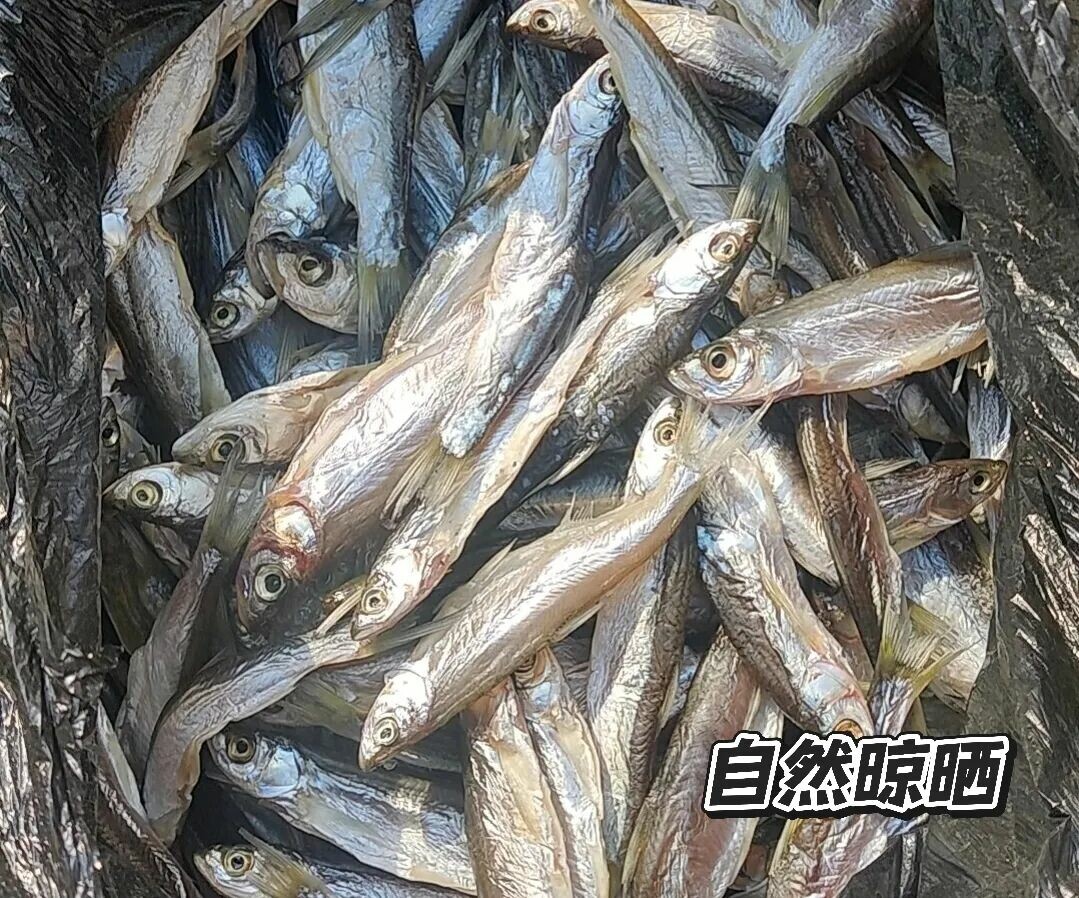
Don’t look at what the merchant says or how they describe it; just look at the customer reviews, including photos, videos, follow-up reviews, and negative or neutral reviews. Those that look like they have a light color, are clean, and intact are of relatively good quality. However, if the fish body color is deep, appearing dark brown or even blackish, it is high-temperature dried; these are only suitable for cats, hamsters, etc., not for turtles.
Normal small dried fish will have a fishy smell, and a slight stink is also normal (because naturally sun-dried small fish usually do not have their internal organs removed). However, if there is a very strong foul odor, it means the raw materials were not fresh, and purchasing is not recommended.
Try to choose individual shops run by farmers or fishermen. Enterprise stores have large shipment volumes and factory-style operations, so obviously, using drying equipment directly is more efficient. Only individual shops with a lack of funds will catch some fish and sell them after naturally sun-drying them themselves.
Summary of Key Points for Selecting Dried Fish for Turtles
Choose freshwater unsalted small dried fish. Salt can easily lead to edema, kidney failure, and limb weakness in turtles.
Prefer naturally sun-dried ones or those not dried at high temperatures. The meat of high-temperature dried small fish is basically carbonized, the protein is solidified, and there is a lot of oil slick; they are suitable for feeding cats, not turtles.
Prefer small dried fish so they can be fed directly. If they are too big, they need to be cut up, and there is also concern that the fish bones and spines are too hard.
Most small dried fish sold online are "Bai Tiao" (a common freshwater fish, scientific name Culter alburnus), but there are also some small crucian carp or small mixed fish; these are all fine. Small mixed fish are recommended because of the variety, providing more comprehensive nutrients, followed by topmouth culter.
If you really can’t distinguish between good and bad small dried fish, or feel that searching is too troublesome, you can try sun-drying small fish yourself; it’s actually very simple. I will publish a tutorial on making small dried fish in the next issue. Of course, if buying fresh mixed fish at the vegetable market is convenient and the price is not expensive, there is actually no need to be obsessed with small dried fish! Fresh fish and shrimp are richer in nutrients. Divide them into small portions and freeze them; it is simple and healthy.
Original article by 搬运工, if reproduced, please cite the source: https://www.kaipet.com/en/dont-feed-turtles-wrong-dried-fish-high-temperature-drying-harmful-guide-healthy-selection



Comments(1)
Thanks for the crucial advice on salt! Beyond swollen limbs, what are other early signs of kidney failure in turtles?