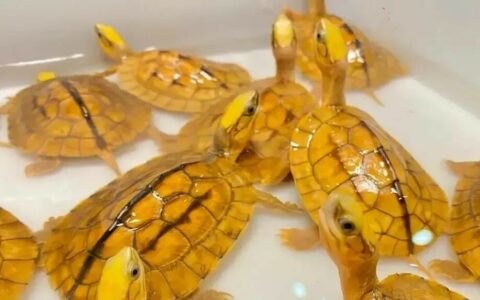
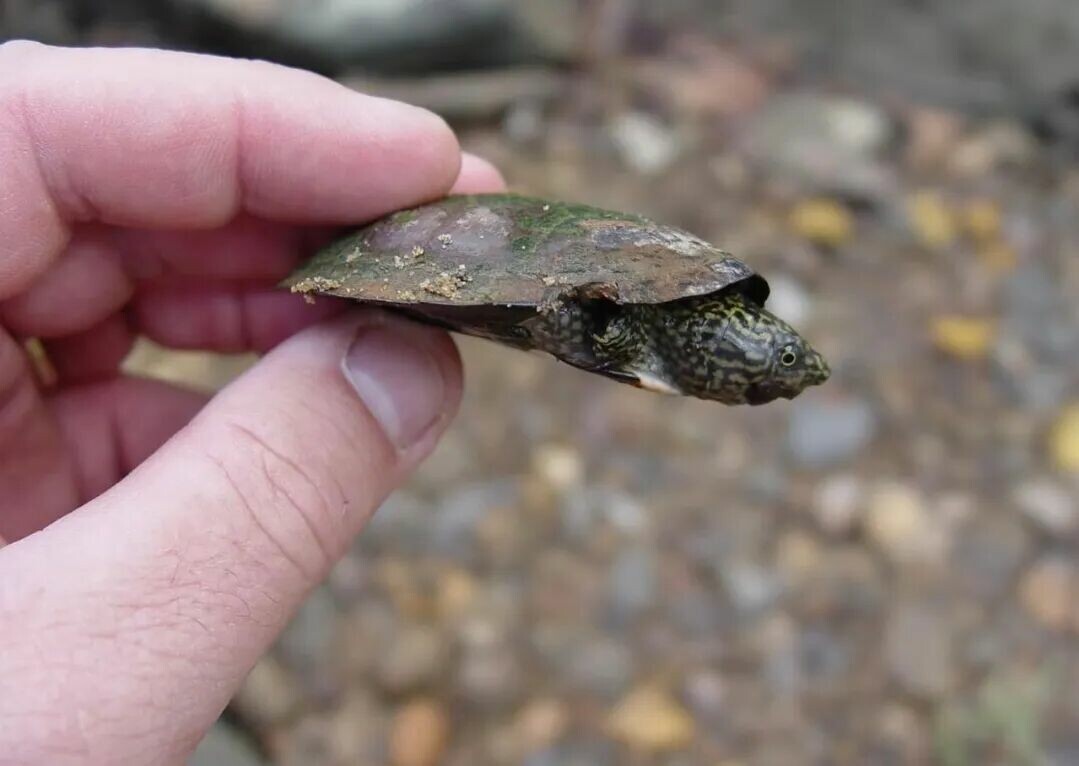
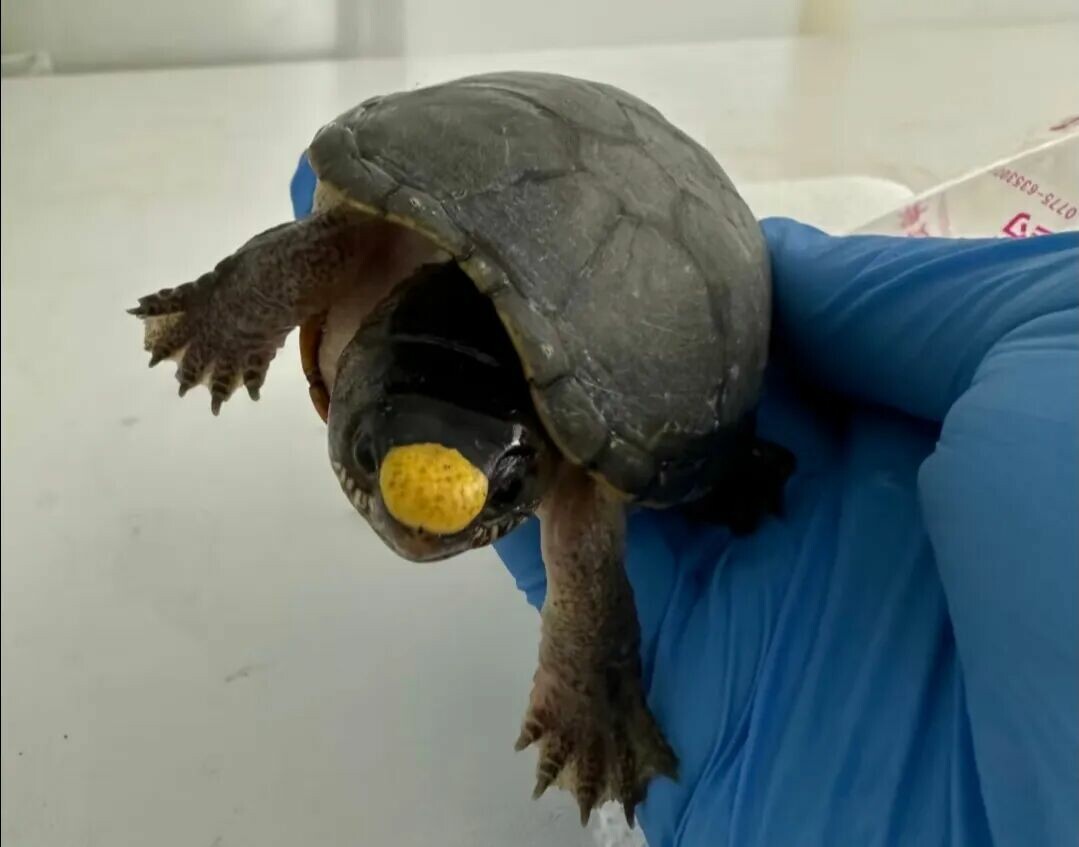
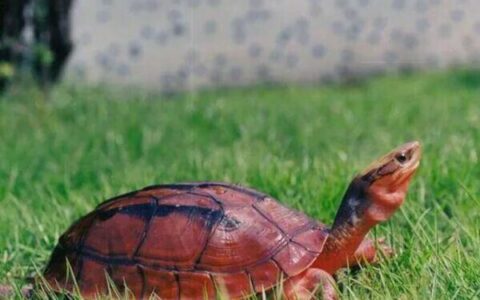
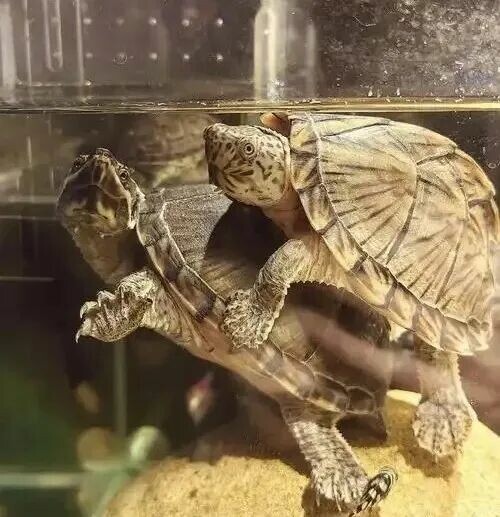
With the booming pet turtle market, the Razor-backed Musk Turtle has become a favorite among many turtle enthusiasts due to its unique appearance and relatively docile temperament. At the same time, the Razorback is also a popular entry-level species among currently trending Mud and Musk turtles. However, we know that the market is flooded with a large number of greenhouse-raised Razorbacks posing as cold-water-raised "aged turtles," making it difficult for many novice players and even senior enthusiasts to distinguish between them. How to identify whether a Razor-backed Musk Turtle was raised in cold water and is of sufficient age is one of the necessary skills for us enthusiasts. In fact, let’s analyze in detail how to identify a true cold-water-raised Razorback by starting with 4 key features.

Carapace Size
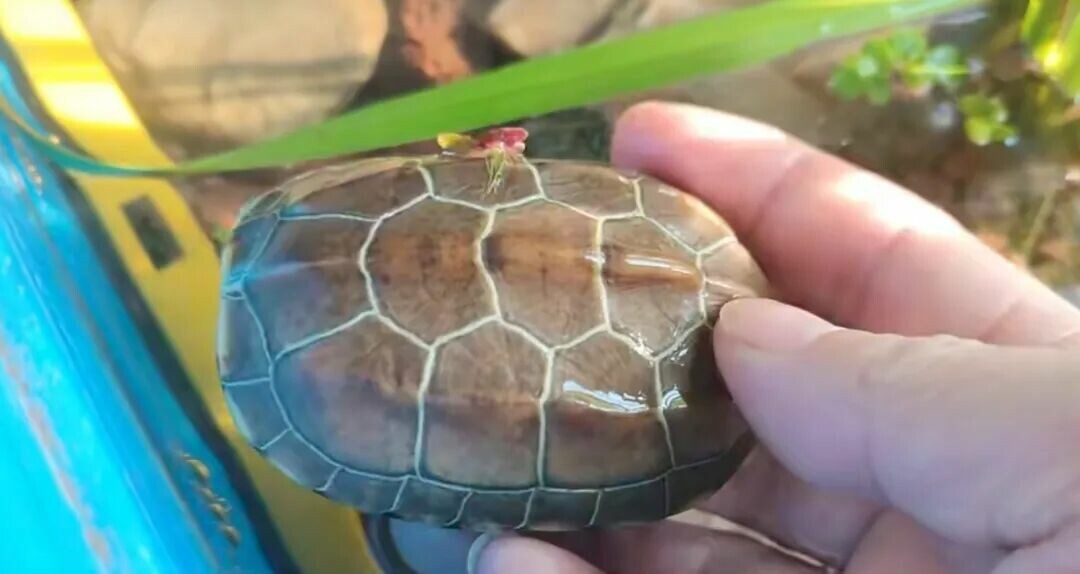
The carapace size of a Razor-backed Musk Turtle is an important basis for judging its age and rearing environment. Generally speaking, greenhouse-raised Razorbacks, due to higher environmental temperatures, grow faster and often reach larger sizes in a shorter period. However, these fast-growing turtles often have weaker constitutions and shorter lifespans.
On the other hand, cold-water-raised Razorbacks, due to lower environmental temperatures, have a slower growth rate and usually require a longer time to reach the same size. Therefore, a Razorback with a carapace size of over 11 cm, if raised in cold water, has usually reached "breeding age" (i.e., sexual maturity). A turtle of this size often has a certain age to it and possessing a healthier constitution.
Identification Point: A carapace size over 11 cm is typically a cold-water-raised Razorback. Although greenhouse turtles can easily reach this size, due to excessive growth speed, their carapace may not be full enough.
Plastron Growth Lines
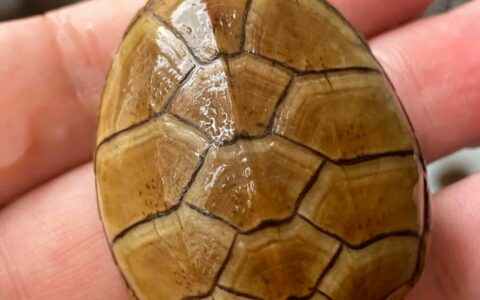
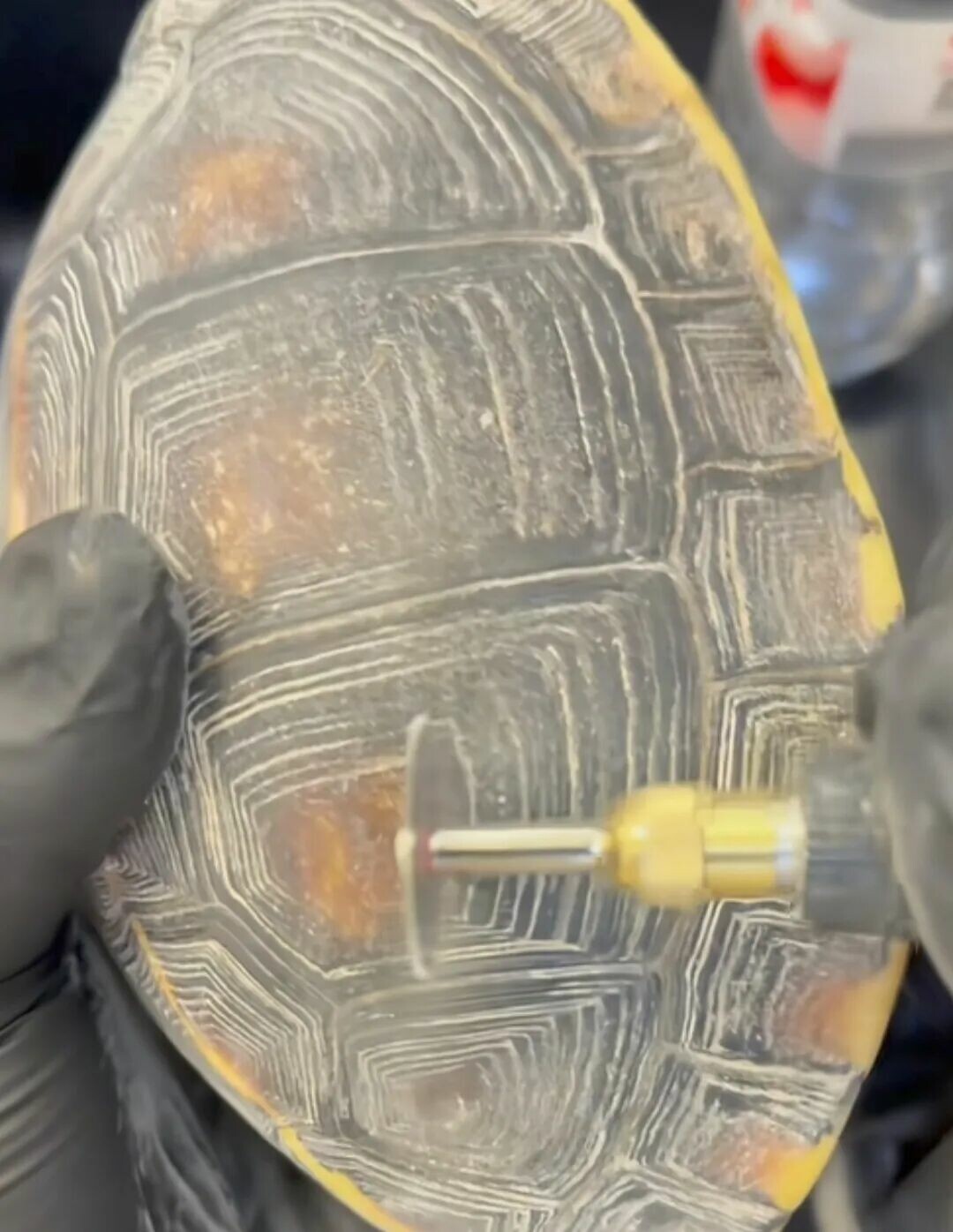
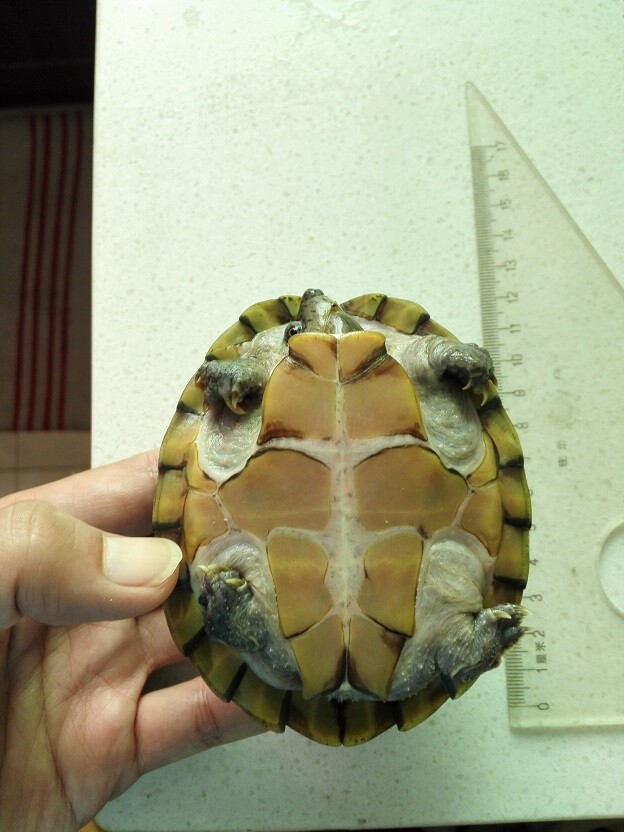
The condition of the growth lines on the plastron is another important feature for judging the age of a Razorback. In cold-water-raised Razorbacks, due to the slower growth rate, the growth lines on the plastron will gradually expand over time, and the patterns are clear and natural. In contrast, for greenhouse-raised turtles, due to excessive growth speed, the growth lines on the plastron are often smaller or even indistinct.
Identification Point: The larger the plastron growth lines, the more sufficient the turtle’s age. Greenhouse-raised turtles have smaller plastron growth lines, and the patterns may not be clear enough.
Carapace Fullness
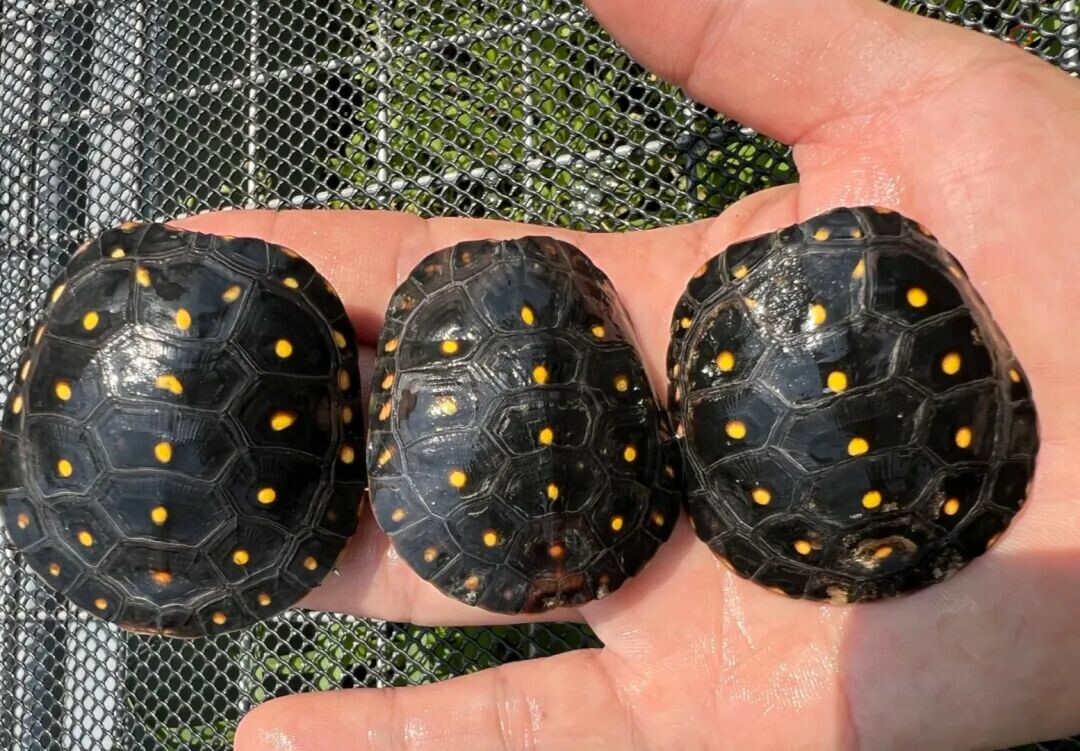
The degree of fullness of the carapace is also an important basis for judging the age of a Razorback. In cold-water-raised Razorbacks, due to the slower growth rate, the carapace will gradually become full and rounded, presenting an overall healthy, natural aesthetic.
Conversely, in greenhouse-raised turtles, due to excessive growth speed, the carapace is often not full enough, and may even appear flat or sunken.
So, look at the body shape. A Razorback with a full and rounded carapace is usually a cold-water-raised turtle with sufficient age. Greenhouse-raised turtles may have a carapace that is not full enough, or even appears flat or sunken.
Carapace Texture
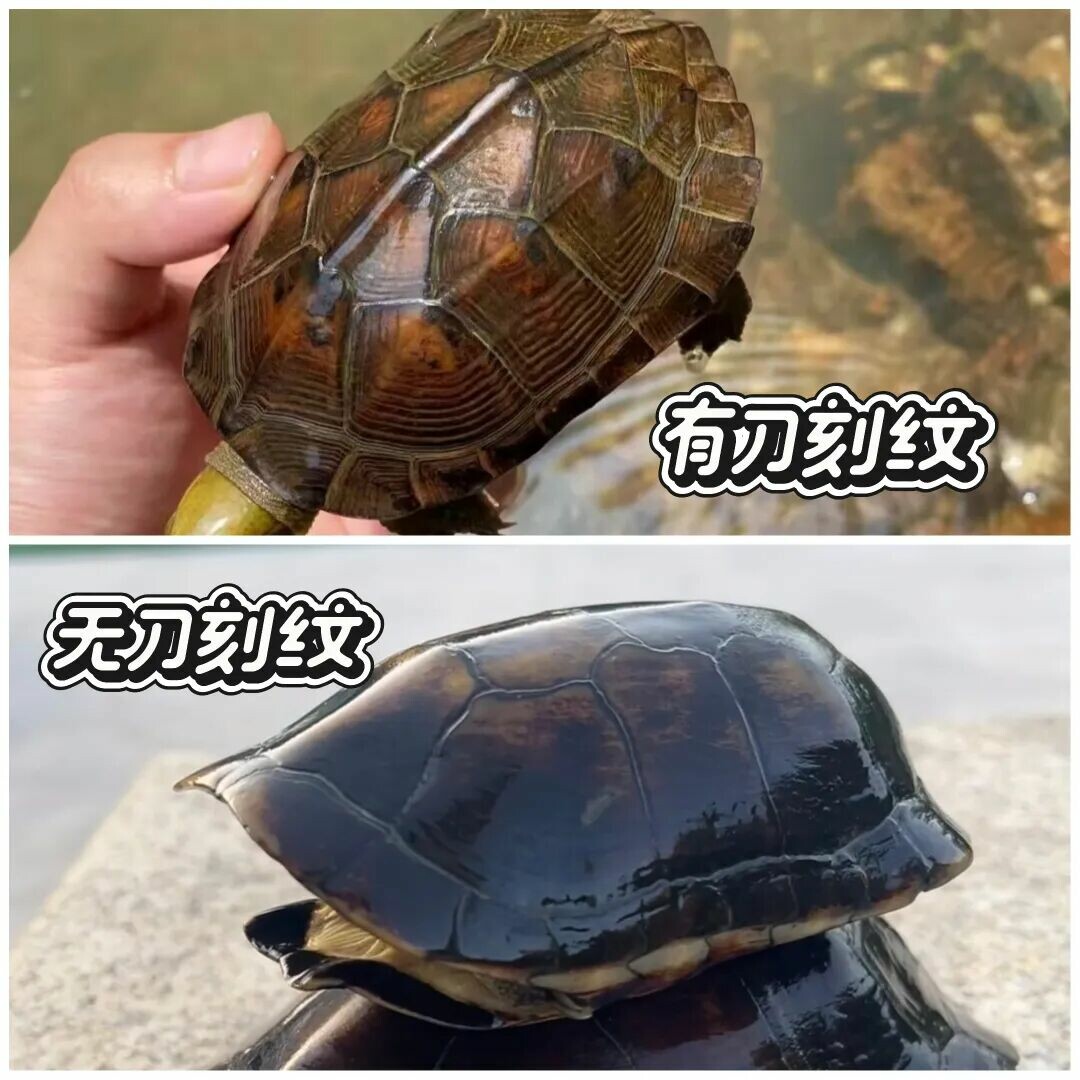
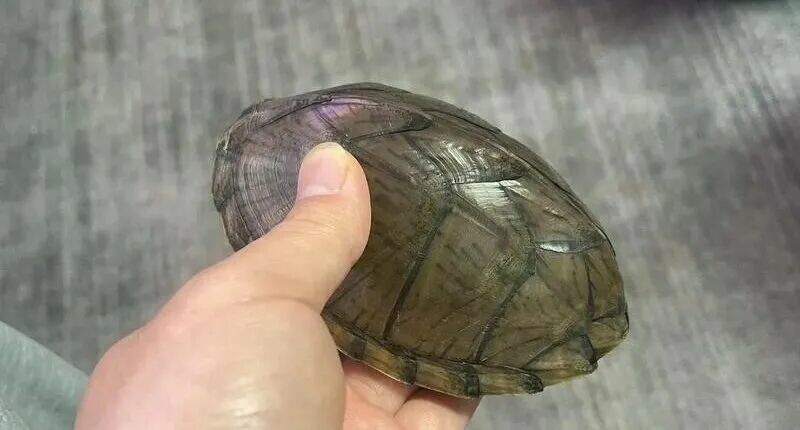
The layering of the carapace texture is one of the most intuitive features for determining if a Razorback was raised in cold water. In cold-water-raised Razorbacks, due to the slower growth rate, the texture of the carapace scutes (referring to the independent block-like structures composed of the stratum corneum on the shell surface) will gradually form a distinct sense of layering, with clear and natural patterns.
In contrast, for greenhouse-raised turtles, due to excessive growth speed, the carapace texture is often not distinct enough, and the sense of layering is poor.
Therefore, the texture of the shell scutes is also one of the important bases for identification.
Summary of Identification Points
How to identify a cold-water-raised Razorback?
Carapace size, plastron growth lines, carapace fullness, and carapace texture can all serve as evidence. After all, there is a significant price difference between cold-water turtles and greenhouse turtles, helping us avoid being "ripped off" by inferior goods passed off as quality.
When purchasing a Razor-backed Musk Turtle, identifying whether it was raised in cold water and if it is of sufficient age not only relates to the turtle’s health and lifespan but also directly affects the keeping experience. I hope that through this analysis, it can help everyone better identify cold-water-raised Razorbacks and avoid being deceived by "greenhouse turtles." Observe patiently and distinguish carefully to find a truly high-quality Razorback!
Original article by 搬运工, if reproduced, please cite the source: https://www.kaipet.com/en/razor-backed-musk-turtles-greenhouse-cold-water-master-4-key-features-avoid-pitfalls-scams