

Friends who keep turtles are certainly no strangers to "knife-carved patterns." Many believe it is a plus for the price, and having knife-carved patterns means good quality. Some turtle hobbyists carefully study hibernation and feeding just so their "turtles" develop knife-carved patterns, and some even directly "resort to ‘tech and props’," so there is actually a distinction between real and fake knife-carved patterns!
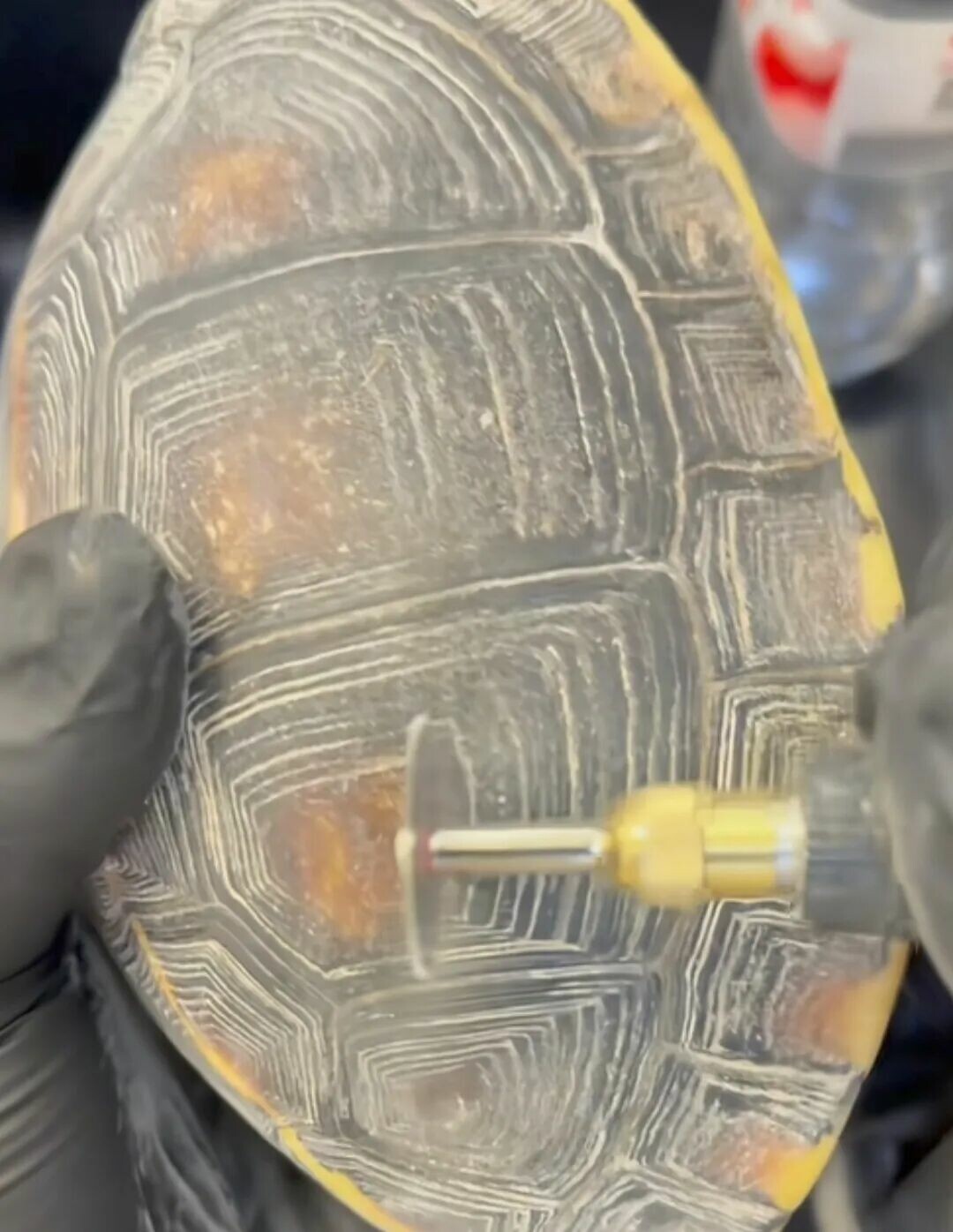
What are “Knife-Carved Patterns” on Turtles?
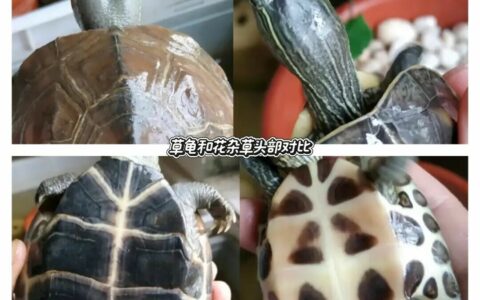
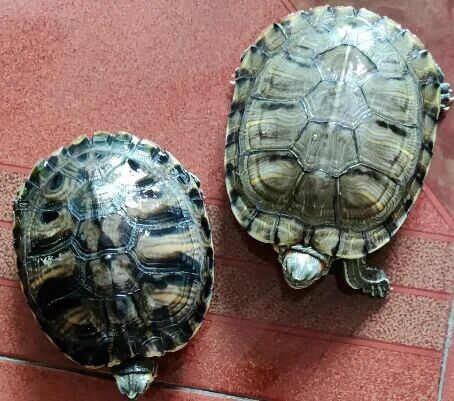
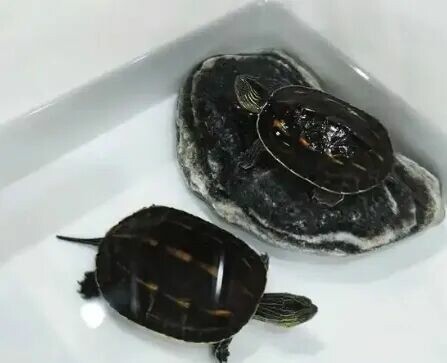
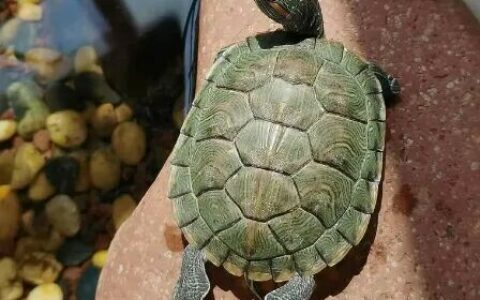
Knife-carved patterns are lines on a turtle’s shell that resemble cuts made by a knife. They are common in species like the Chinese Pond Turtle, Chinese Stripe-necked Turtle, and Chinese Box Turtle. The formation of these lines is closely related to the turtle’s growth rhythm, and not every turtle species can develop knife-carved patterns. Some turtles naturally do not have knife-carved patterns; no matter how you raise them, the lines won’t appear.
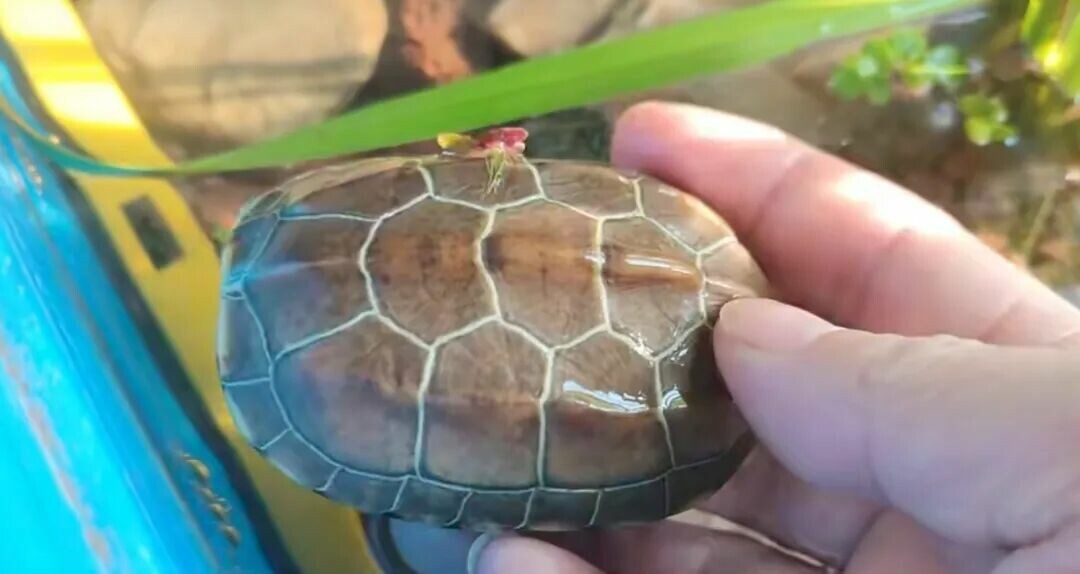
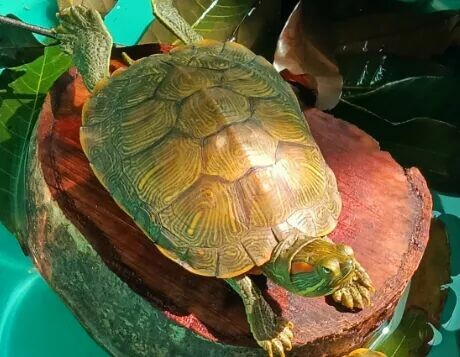
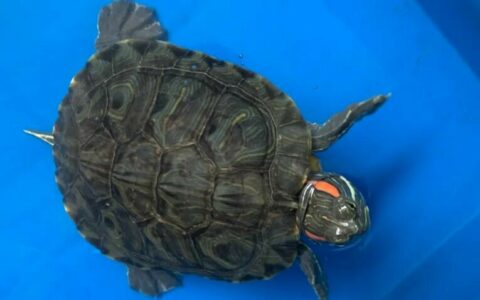
For example, this Chinese Pond Turtle belongs to the type without knife-carved patterns, commonly known as "smooth shell." Among Chinese Pond Turtles, many "Subei Golden-line" (a variety of Chinese Pond Turtle) do not have knife-carved patterns. Moreover, knife-carved patterns are not immutable; for many turtles, the patterns will gradually disappear after they enter adulthood.
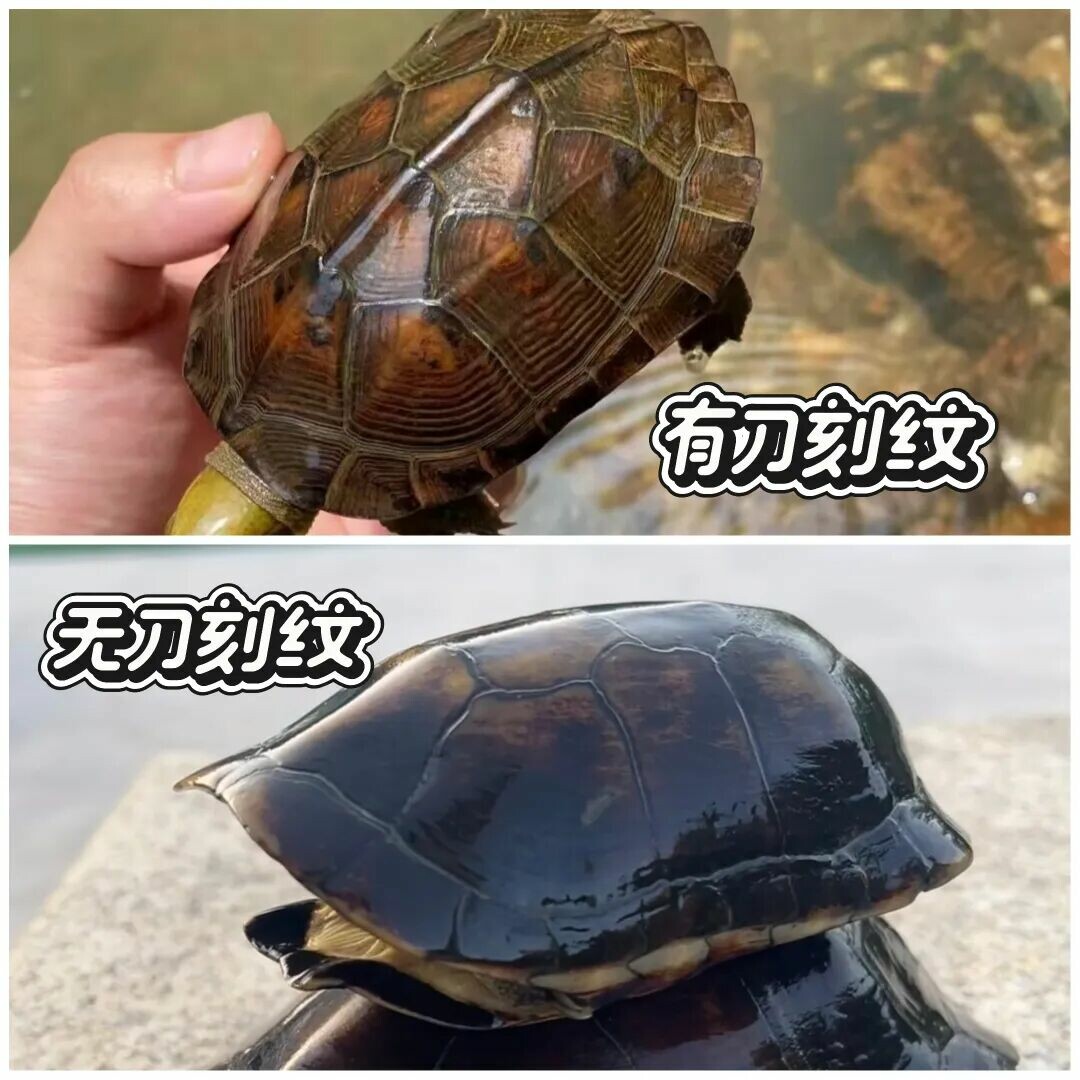
The Principle Behind the Formation of Knife-Carved Patterns
Regarding the formation of knife-carved patterns, it is generally believed to be caused by hibernation, which is why hibernation is highly recommended. Hibernation does indeed form knife-carved patterns, but some "turtles" develop them even without hibernation. So, how much influence does hibernation actually have on knife-carved patterns?
In fact, whether they hibernate or not is just the surface; the key lies in the cause of the pattern formation. The so-called knife-carved patterns are actually caused by the inconsistent growth speed of the turtle shell.
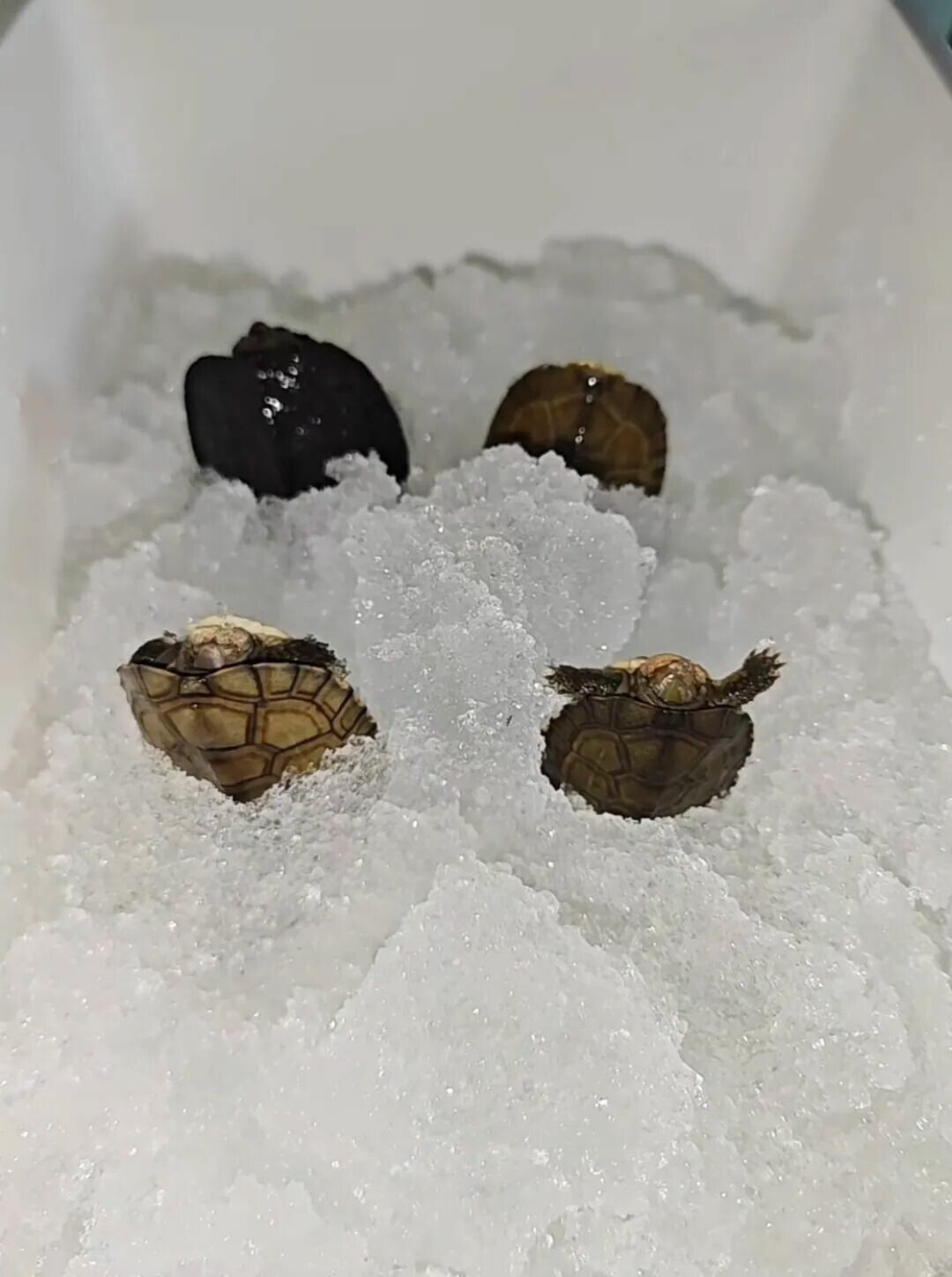
The principle of forming knife-carved patterns through hibernation is: during hibernation, the turtle shell stops growing; after waking from hibernation, it switches to normal growth. There is a pause in the growth of the shell. The place where growth stopped forms a line. Accumulated year by year, ring upon ring of hibernation knife-carved patterns are formed.

As for lines formed without hibernation, they are related to the uneven growth speed of the turtle. Sometimes it grows fast, sometimes slow; between this fast and slow growth, a line is formed.
Many people wonder why the turtles they raise have no lines; this is mainly related to feeding. Greenhouse turtles (referring to turtles raised in artificially temperature-controlled environments) do not have knife-carved patterns. Everyone thinks it is because they don’t hibernate, but the root cause is that feeding is too frequent—feeding every day. The turtle is constantly in a process of non-stop growth, so lines cannot form.
Some turtles that develop lines are not fed every day; the feeding interval is long. Therefore, these turtles have short pauses in growth, but these pauses are not long, thus forming dense lines.
Therefore, for turtles capable of developing knife-carved patterns, hibernation indeed helps in pattern formation, but even without hibernation, knife-carved patterns can still form. This needs to be achieved through reasonable control of feeding.
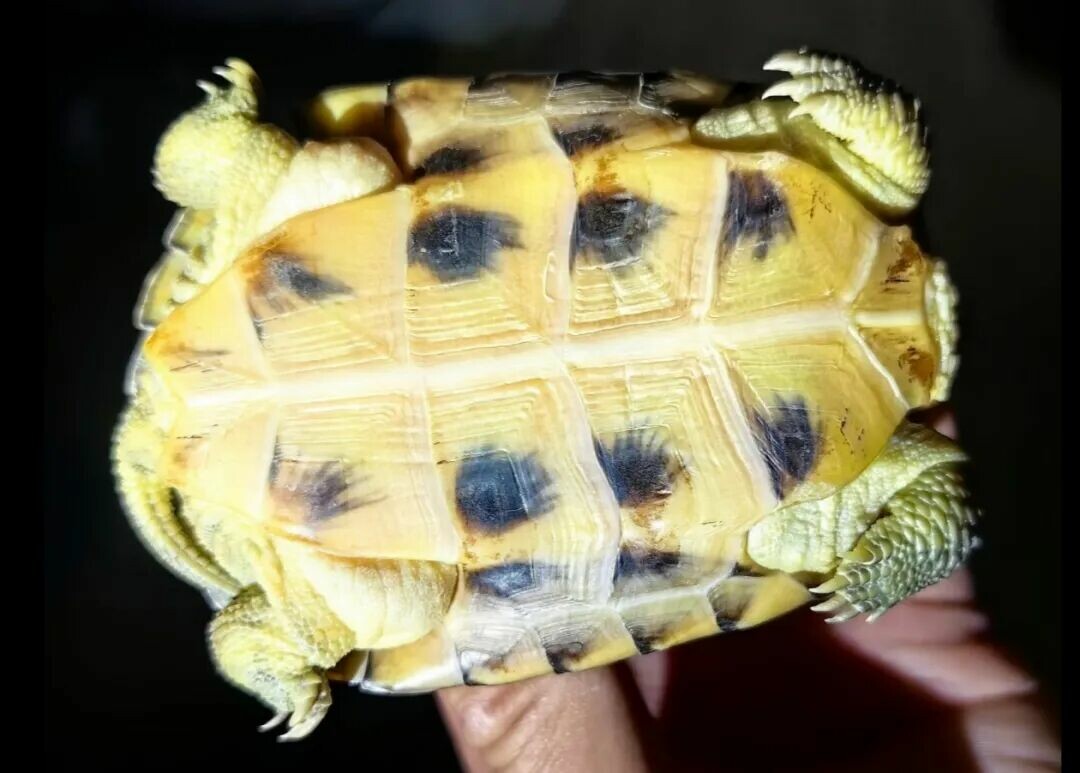
Note: Chinese Stripe-necked Turtles and Chinese Pond Turtles are different from Red-eared Sliders. Red-eared Sliders shed their shells (scutes); as they grow up, they shed the old shell. Every time they shed 1 time, they grow larger 1 time. However, Chinese Stripe-necked Turtles and Chinese Pond Turtles do not shed their scutes. Each scute of their shell grows slowly from birth, starting as a small piece and slowly extending outward to become larger.
As household pet turtles, strictly speaking, there is no need for everyone to care too much about this. As long as you don’t raise your turtle "like a pig," pursuing fast growth and fatness, shell patterns are very easy to form. Of course, if you do raise the turtle "like a pig," becoming fast-growing and fat, it will also have patterns, but those will be radial patterns.
Original article by 搬运工, if reproduced, please cite the source: https://www.kaipet.com/en/cultivate-knife-carved-patterns-turtles-comprehensive-analysis-formation-distinguishing-real-fake





Comments(1)
Great explanation on pattern formation! The intro mentioned distinguishing real from fake patterns. Could you share some tips on how to identify them?