

Refuse “Excessive Handling”! Your Love is Not Its Cure.
The turtle (term of endearment) has undergone a long and bumpy journey; its energy consumption is high, and its spirit is highly nervous. Handling and playing with it frequently at this time = applying continuous pressure!
At best, it will refuse to eat and suffer in silence; at worst, it will die suddenly from stress (sudden death caused by sudden environmental changes or excessive pressure)—this is not love, it is harm.
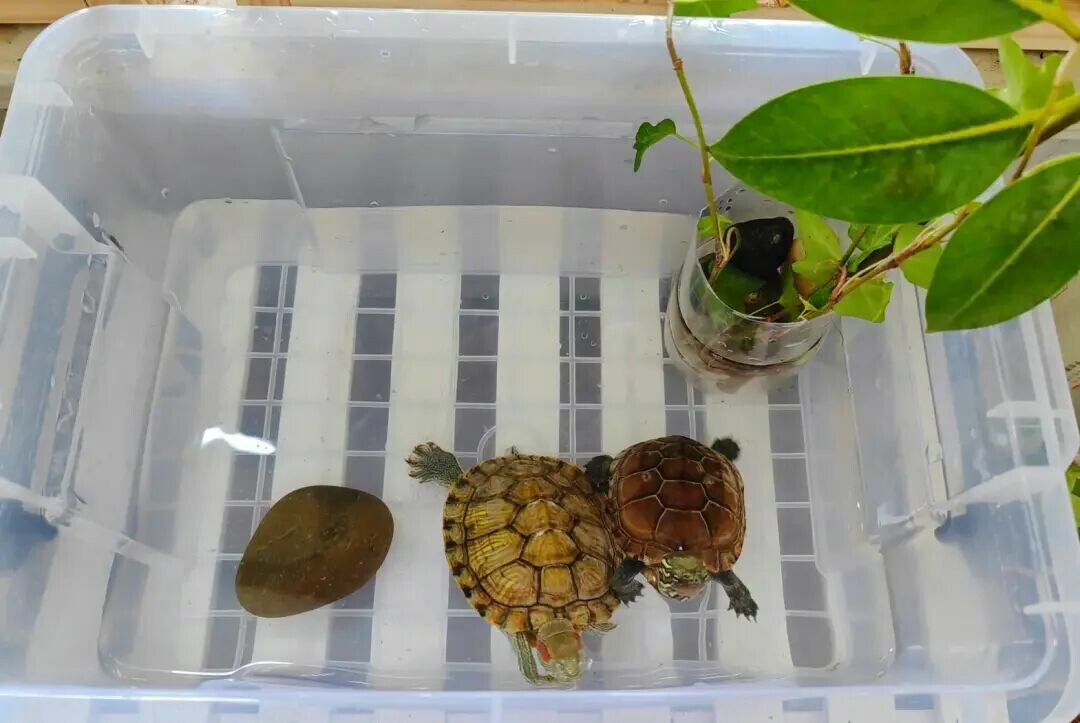
Correct practice: After unboxing, quickly check for external injuries or skin rot (a disease where the shell or skin ulcerates due to bacterial infection), then place it in a quiet environment (shallow water just covering the back + shade). Let it rest quietly for 3 days without disturbance to allow it to rebuild its sense of security.
Strictly Forbid “Immediate Feeding”! It Won’t Starve, But Feeding Can Make It Sick.
You think it is hungry, but in reality, its gastrointestinal function is already disordered due to transport. Feeding it at this time is equal to increasing its burden!
It is extremely likely to trigger gastroenteritis (floating, lethargy, refusal to eat), which is hard for beginners to handle and causes the turtle to suffer.
Correct practice: Hatchlings: Attempt feeding 3 days after arrival (a small amount of turtle food). Adult turtles: It is recommended to rest for 5-7 days before starting to eat (begin food intake). Feeding only after observing that its condition is stable and it shows foraging behavior is what being truly responsible means!
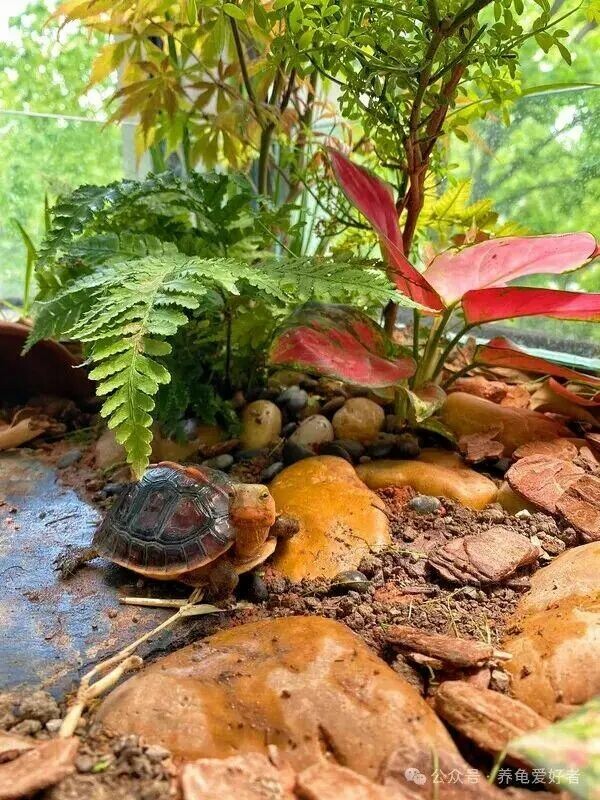
Prohibit “Direct Deep Water”! This Is Not Swimming, It Is a Survival Challenge.
Just after arriving, physical strength is poor. Especially for small hatchlings, deep water = physical exhaustion + high risk of choking on water!
Many turtles have drowned or developed pneumonia because of this, failing to survive the 1st week……
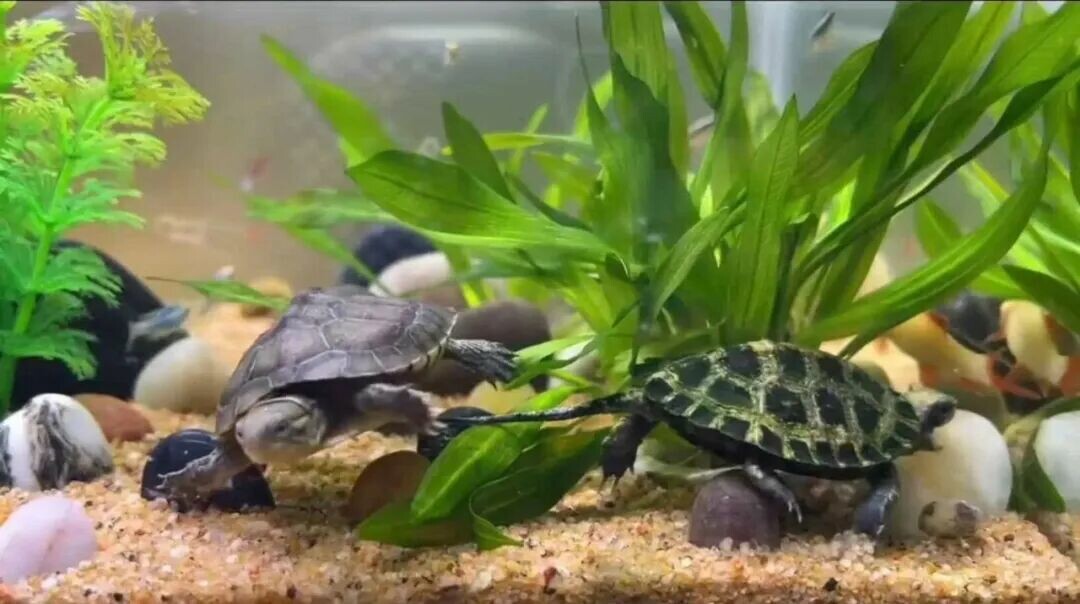
Correct practice: First, raise it in shallow water (water level just covering the carapace (the hard shell on the back of turtle species)); after it successfully starts eating and remains stable for 1-2 weeks, then gradually deepen the water level. A climbing and resting platform must be set up in the water to facilitate the turtle coming up for air and resting!
The early stage of raising a turtle is not about enthusiasm, but patience. Resisting the urge to interfere and controlling your hand to feed is the best welcome ceremony for it.
Original article by 搬运工, if reproduced, please cite the source: https://www.kaipet.com/en/care-newly-arrived-turtle-3-things-beginners-guide-avoiding-pitfalls




Comments(1)
Great guide! Beyond not eating, what subtle signs of stress should new turtle owners watch for in the first few days?