

New owners, after buying a turtle online and receiving the delivery, often can’t wait to put it in the tank. Fearing it might be starving, they feed it immediately. Don’t be hasty, or your turtle might get sick.
A turtle that has just arrived via courier has undergone a long journey during transit and needs to rest, be disinfected, and replenish its energy.
The specific points to note are as follows:
Preparations Before the Turtle Arrives
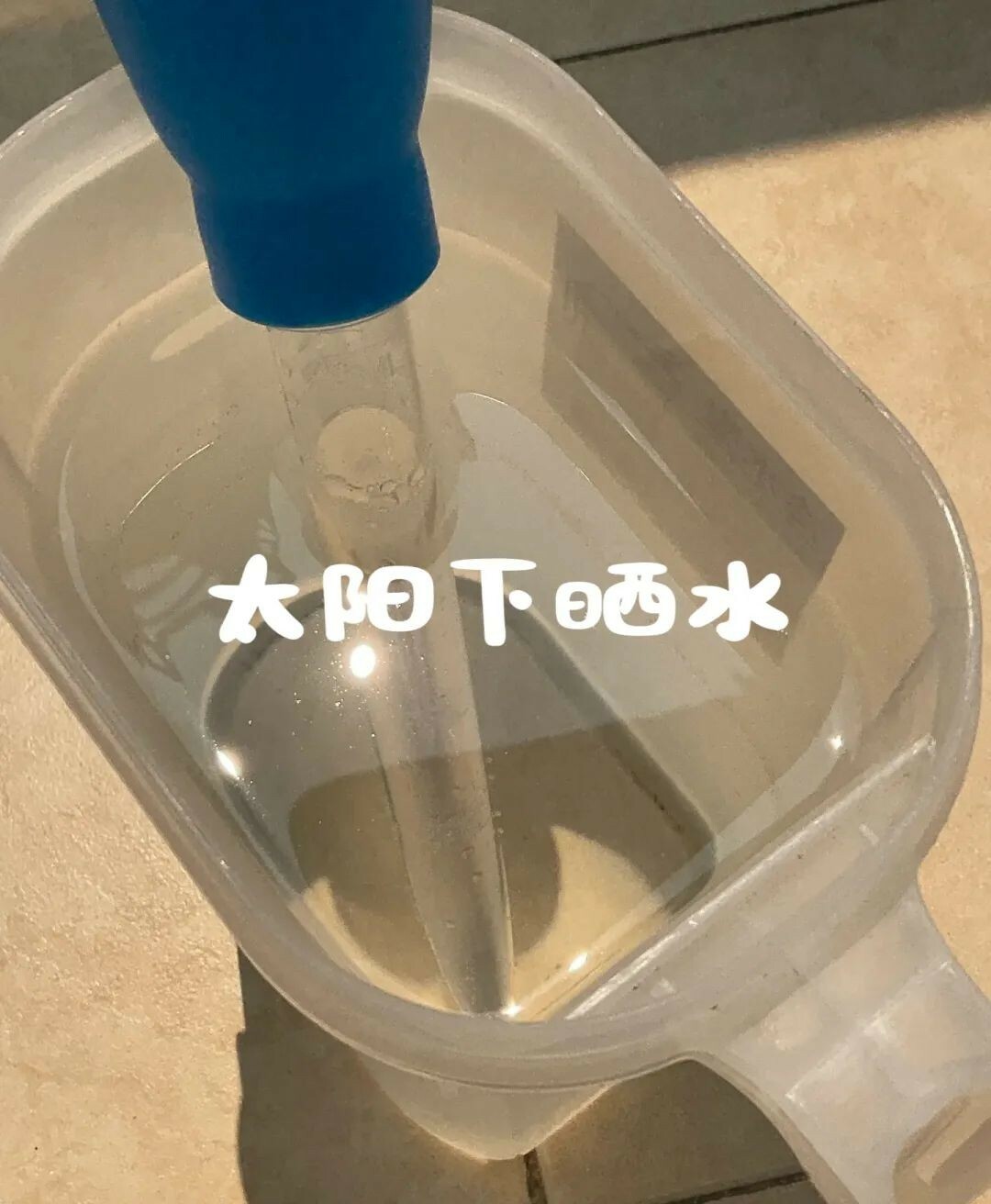
Your beloved turtle is about to arrive, so you need to prepare water by sun-curing it for two days in advance. This is because tap water contains chlorine, and using it directly can easily cause issues like skin rot, white eye disease, and shell rot in turtles.
Record an Unboxing Video in Real-Time
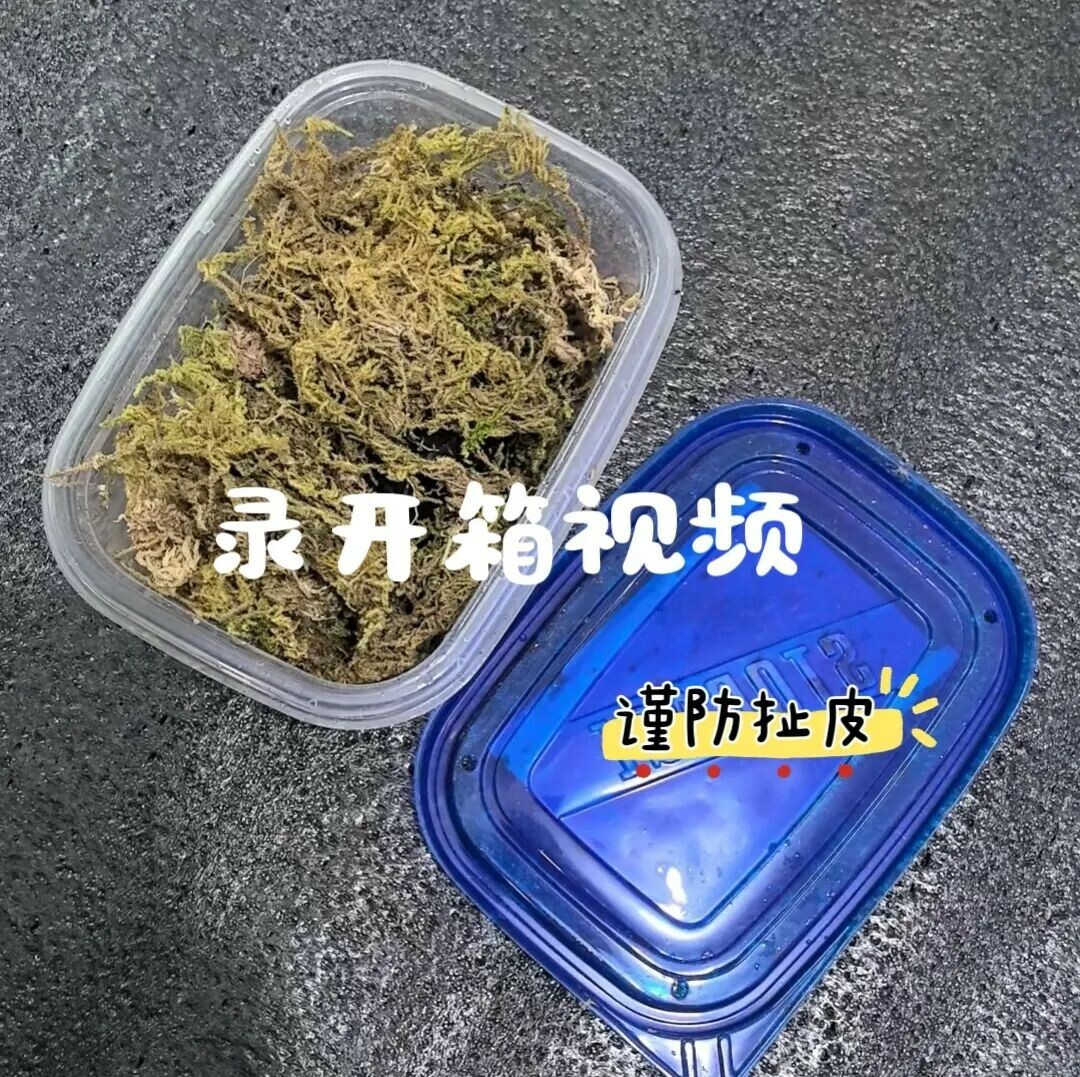
Since a turtle is a live animal, if it dies or is injured during shipping, you can request a return from the seller. A return requires an unboxing video. Note that the video must be continuous, not recorded in segments. Otherwise, the seller might assume your own actions caused the turtle’s death or injury and refuse compensation.
Let It Rest for Three Hours After Unboxing
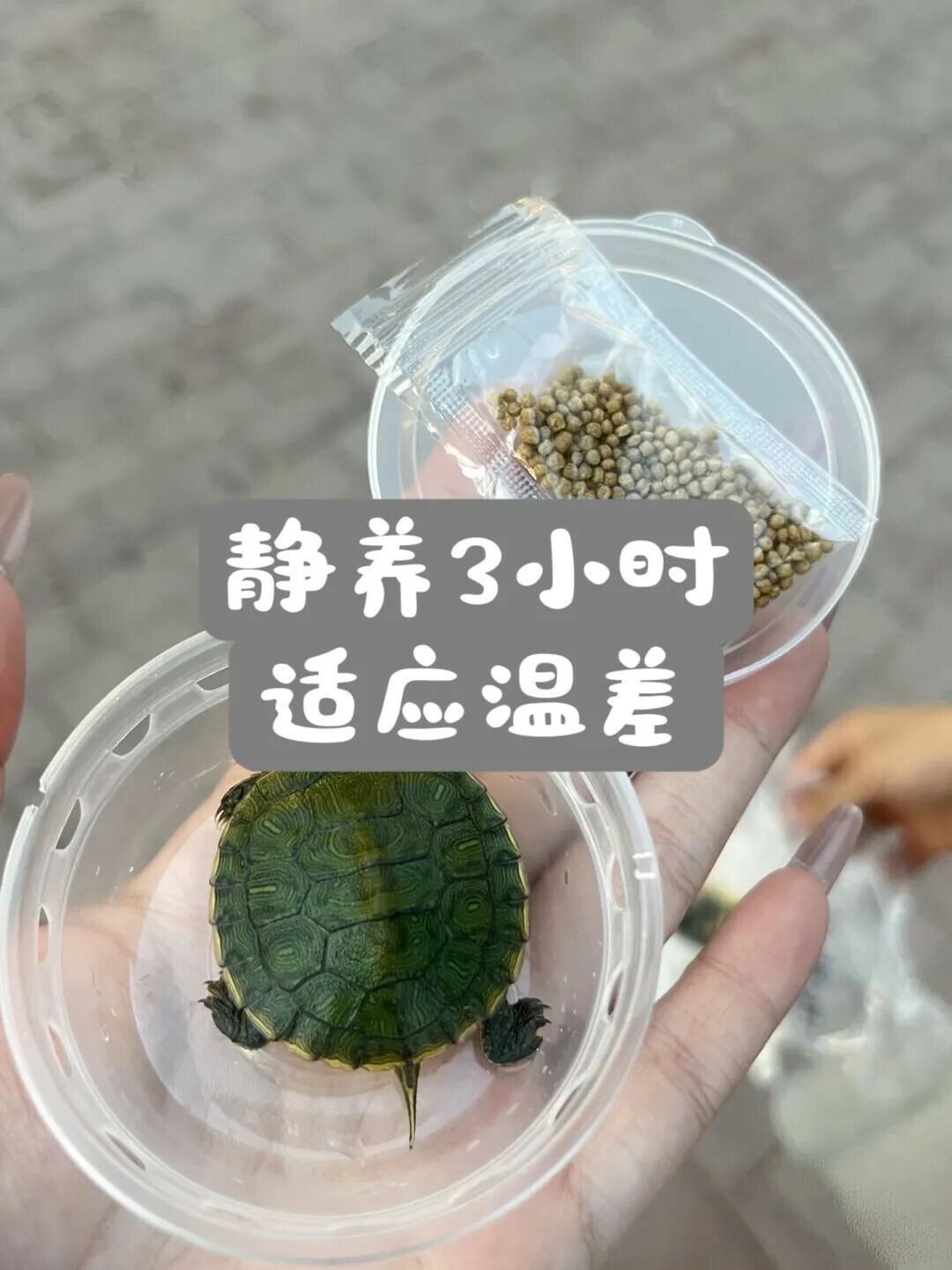
After unboxing, if the turtle appears fine, let it rest in its packaging box for three hours. Be careful not to put it in water immediately. The turtle was in a sealed condition during transport, and the temperature inside the box is relatively high. The purpose of resting is to let it recover and acclimate to the new ambient temperature. If you put it in water right after taking it out of the box, the turtle can easily have a stress response, and a large temperature difference can also cause it to catch a cold.
Disinfect and Place in the Tank
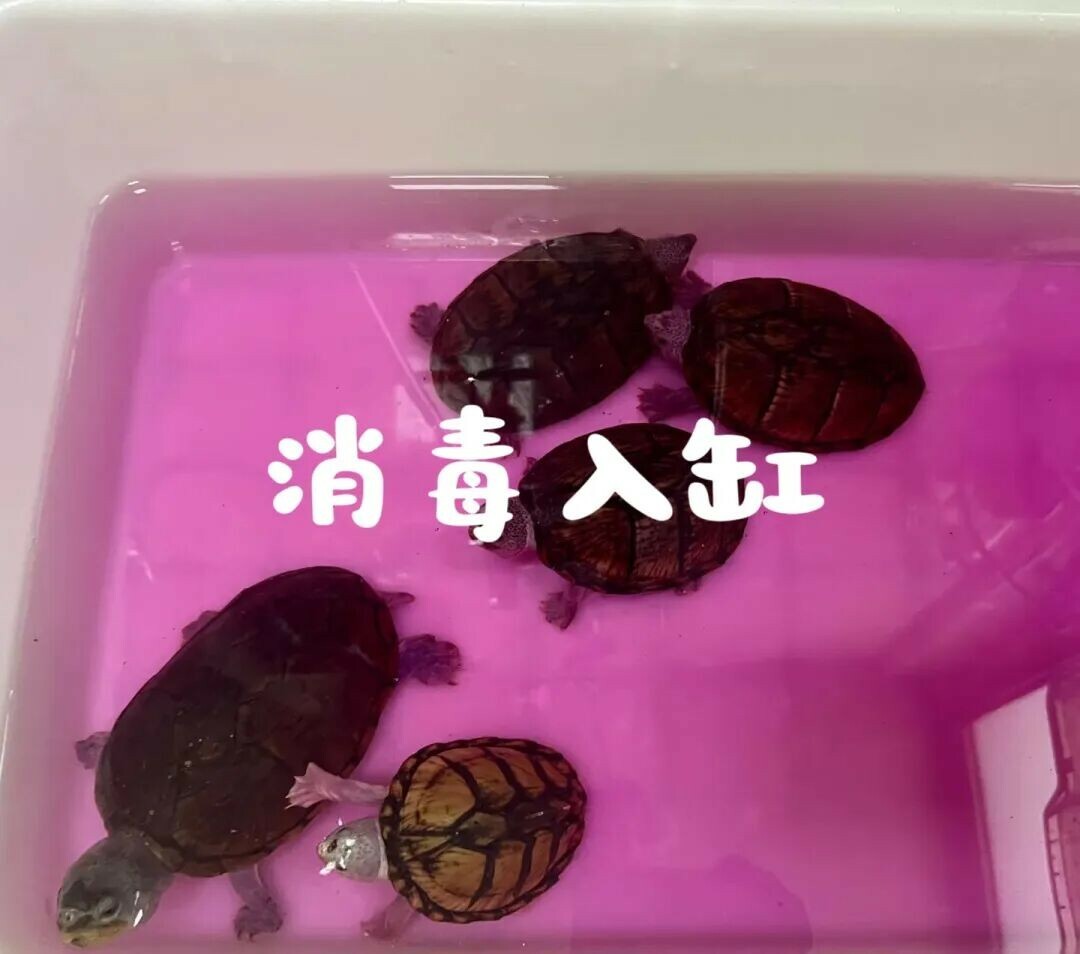
A newly purchased turtle is prone to breeding bacteria in the sealed, high-temperature environment of transport, so disinfecting it is a safer practice. You can use a diluted potassium permanganate solution or povidone-iodine.
Povidone-iodine is a gentler disinfectant by comparison. The benefit of disinfection is that it kills pathogens and reduces the probability of the turtle getting sick. In addition to disinfecting the turtle, its living environment should also be disinfected, for which you can choose potassium permanganate or a concentrated saltwater solution.
Shallow Water Over the Carapace, Rest for Two to Three Days, Do Not Feed
After being jostled in transit for two or three days, the turtle is in poor condition. Its gastrointestinal state is not ideal, and there might even be undigested food remaining. Therefore, you should soak it in water to clear its bowels and not rush to feed it. Some beginners worry about the turtle starving, but we need to understand that turtles generally do not die of starvation, but they can die from illness at any time. Rushing to feed it can cause gastrointestinal discomfort, which is detrimental to the turtle’s health.
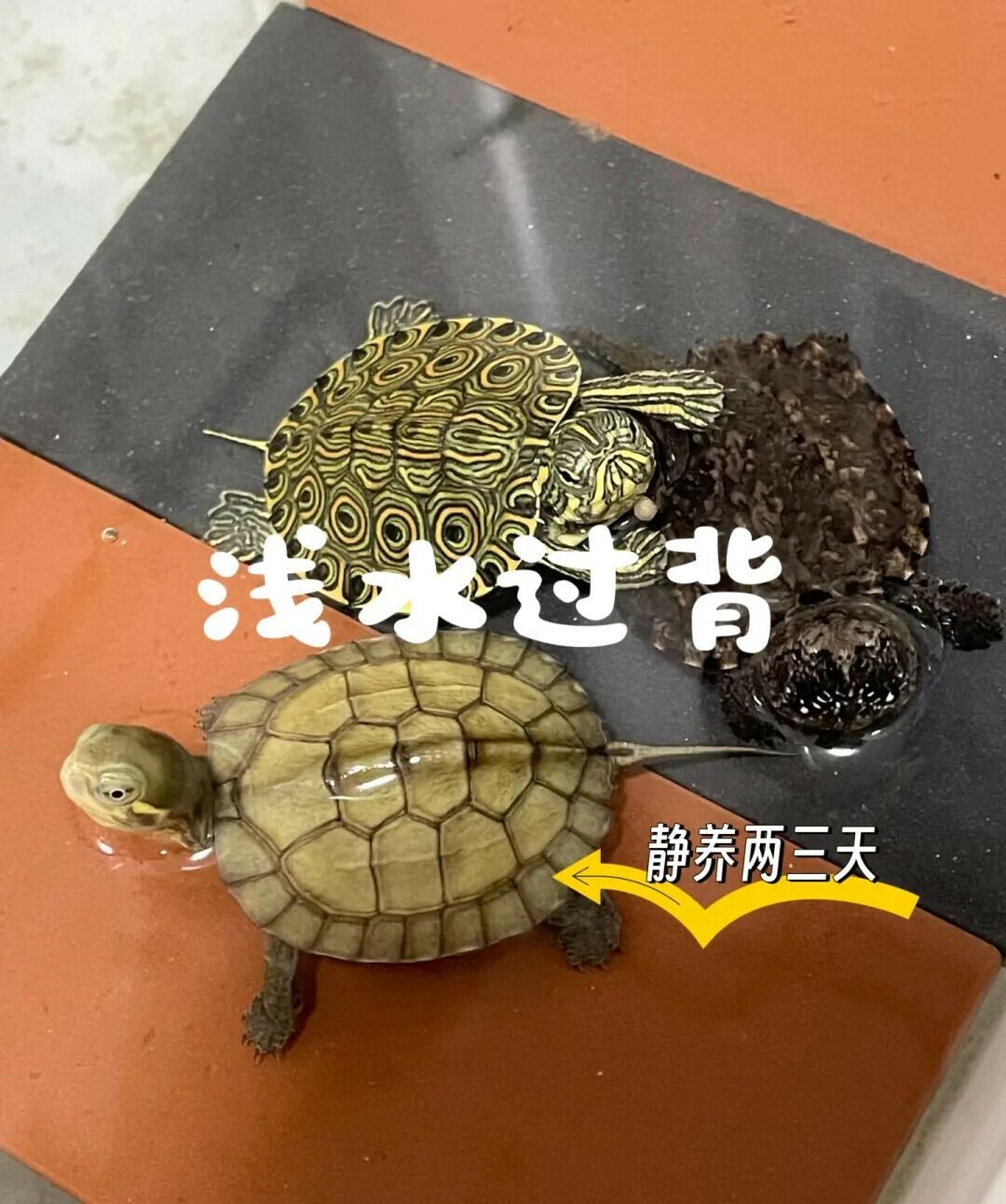
Additionally, be careful that the water is not too deep. After a long journey, the turtle will be exhausted, and deep water could cause it to drown.
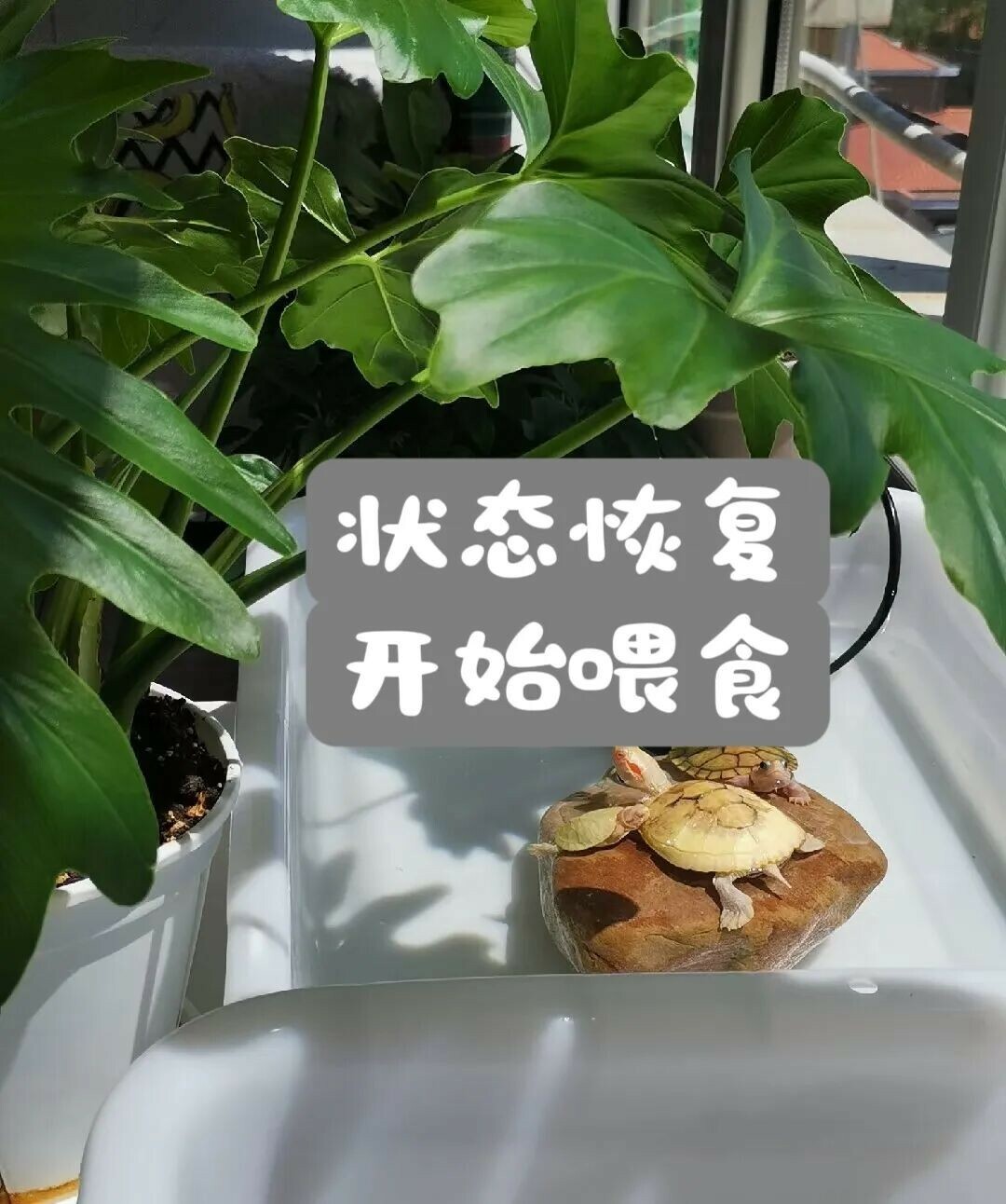
Condition Recovers, Start Feeding
Once the turtle has rested for a period and its condition has recovered well, you can start feeding it. You can feed it the food provided by the seller, which is usually the flavor it was eating before, so it will be more familiar and more likely to start eating. If the turtle is reluctant to eat, you can try feeding it some freshly chopped shrimp meat to stimulate its appetite. Initially, it might be very timid. If you place the food inside and walk away, it will likely start eating on its own.
Follow these steps, and you will have a healthy and happy turtle. Happy turtle keeping!
Original article by 搬运工, if reproduced, please cite the source: https://www.kaipet.com/en/guide-caring-shipped-turtle-complete-process-unboxing-resting-safely-introducing-tank




Comments(2)
Thanks for sharing! What are the common signs of stress or illness to look out for during the initial resting period?
@CriticX:You’re welcome! During the initial resting period, key signs of stress or illness include lethargy, closed or swollen eyes, excessive hiding, or unusual nasal discharge. Ensuring a calm, appropriate environment as described in the guide is crucial for their recovery.