

Turtles are creatures that sometimes move so slowly it’s like they’re playing at 0.5x speed, and they might suddenly stop, as if contemplating “turtle life.”
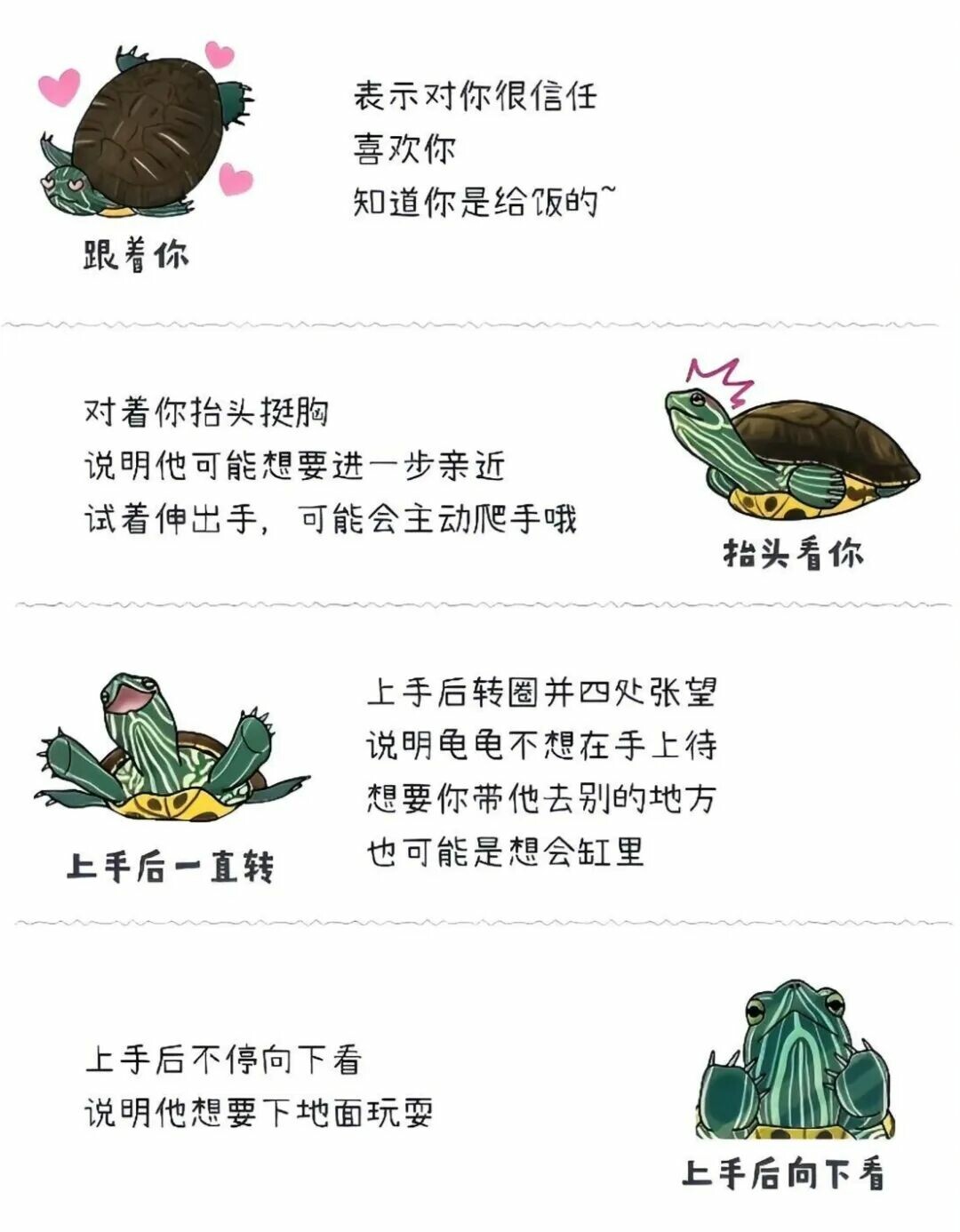
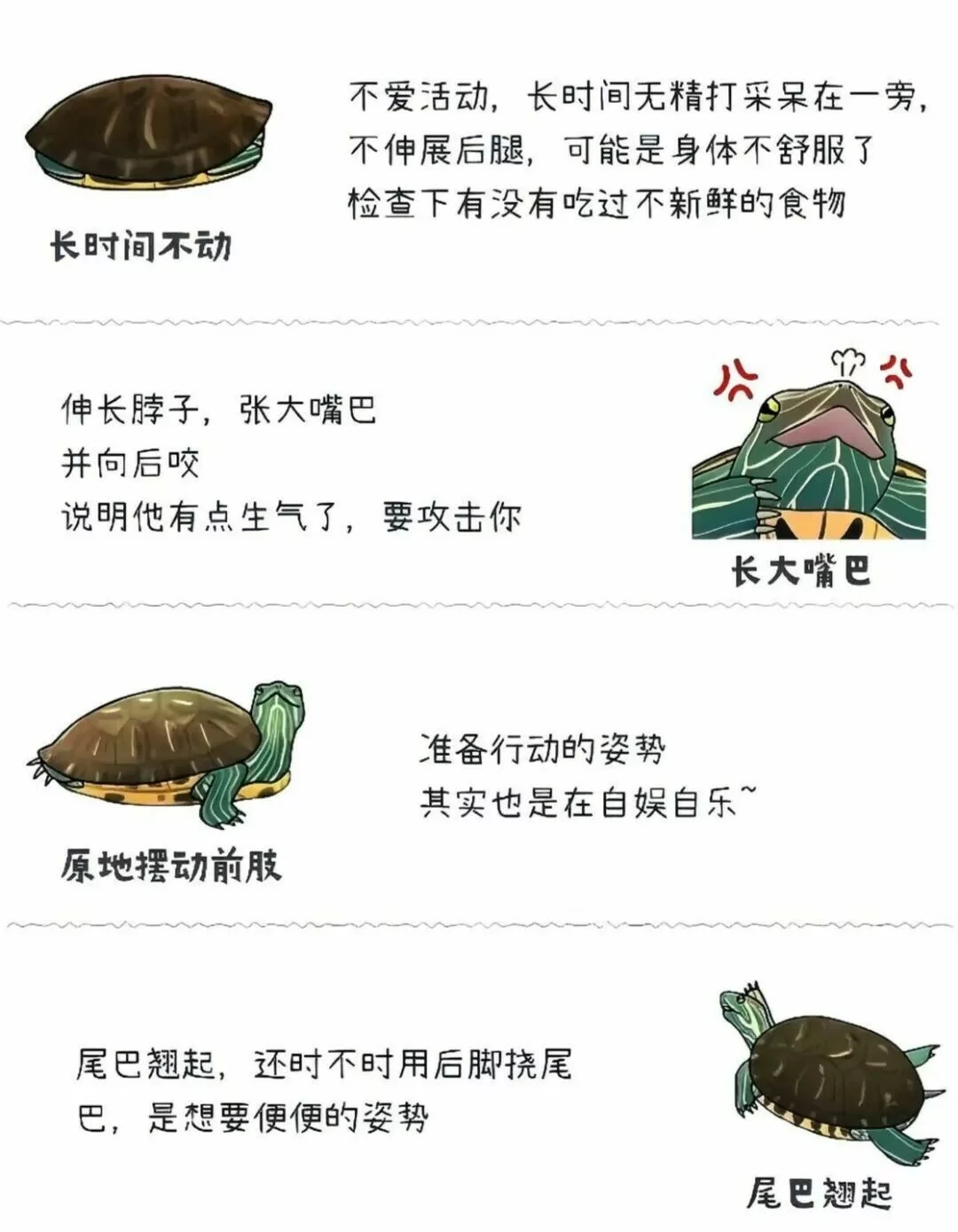
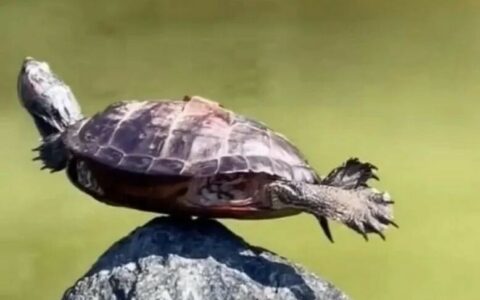
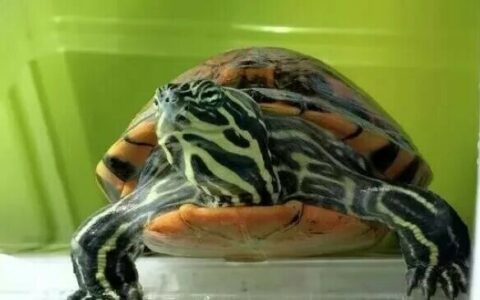
Often, when you see it motionless, you might start to worry: “Has it kicked the bucket?” Or is it just being lazy? In reality, turtles’skill at “feigning death”is quite advanced. They can remain motionless in the water for a long time, to the point where you might suspect it’s already “a goner.” Moreover, they can do this in various postures, truly leaving you uncertain.
But don’t rush to a conclusion, as it might just be resting or have entered a kind of low-energy state. After all, turtles are renowned “masters of energy conservation.”

How to Determine if a Turtle Is Alive or Dead
So, if a turtle is truly dead, will it sink to the bottom or float on the surface?
This question is actually quite complex. Generally, a turtle will first sink to the bottom after it dies. This is because its body density is greater than water. However, as time passes, bacteria inside the turtle’s body start to decompose its tissues, producing gas. As the body density decreases, the turtle will float to the surface.
Determining whether a turtle is dead is actually not difficult. You can observe its eyes, gently touch its leg or head, and smell for any odor. However, sometimes, even if a turtle is still alive, it might not respond to external stimuli due to illness or weakness. But as long as it’s alive, it will generally show some reaction when you touch it.
The Turtle’s Survival Strategies
A turtle’s “feigning death”isn’t truly playing dead; it is a survival strategy. In the wild, turtles often encounter natural predators, and when they feel threatened, they quickly retract into their shells and remain motionless to confuse the enemy. This behavior is known in biology as the immobility response or the feigning death response.
Brumation (the state in which a turtle lowers its metabolism to sustain life in extreme environments) allows it to survive for a very long time under harsh conditions. For instance, some turtles can survive for months or even years without food and water. This is a skill bestowed by nature, and it’s their “ace in the hole” for survival to this day.
Observations Under Captive Conditions
If you find your turtle motionless, don’t jump to conclusions. Observe it for a period first. If it remains unresponsive the whole time, then you can consider taking further measures. However, under conditions of human care, a turtle won’t feign death without reason. After all, in a safe environment, why would it “play a prank”? It is most likely either asleep or sick.
Original article by 搬运工, if reproduced, please cite the source: https://www.kaipet.com/en/motionless-turtle-dead-uncovering-truth-apparent-true-death-difference






Comments(2)
This is super helpful! I often worry. What’s the longest you’ve seen a healthy pet turtle stay motionless, just resting?
@CriticX:您好!很高兴文章对您有帮助。健康的宠物龟静止时间差异大。文中指出,它们冬眠可达数月甚至数年。平时长时间不动多是休息。建议您持续观察其状态,无需过度担忧。