

Spring is a season of recovery for all living things, but for turtle keepers, it is a period that requires extra caution. This is especially true for turtles after hibernation, as their bodily functions have not fully recovered. The slightest carelessness can lead to serious health problems, and even death.
Many fellow turtle keepers mistakenly believe that the large temperature differences in spring are the main cause of turtle illness. However, improper feeding is the real “invisible killer”!
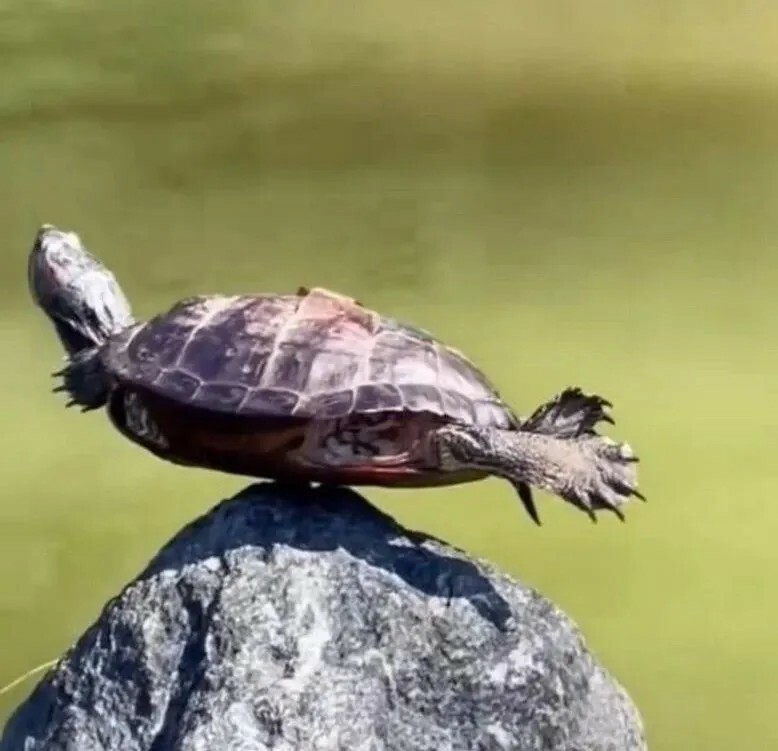
Reasons Why Turtles Are Prone to Illness in Spring
During hibernation, a turtle’s metabolism drops to a minimum, and its gastrointestinal function is also in a dormant state. After hibernation ends, their bodies need some time to return to normal operation.
If you rush to feed them at this time, especially overfeeding, it will place a huge burden on their gastrointestinal tract, leading to problems like indigestion and enteritis, and in severe cases, even death. Additionally, temperatures fluctuate greatly in spring, with significant differences between morning and evening. As cold-blooded animals, turtles are very sensitive to ambient temperature. If the water or air temperature is too low during feeding, the food cannot be digested properly, which also increases the risk of gastrointestinal problems.
Post-Hibernation Feeding Guide
Scientific Feeding Principles
Observe the temperature and feed scientifically. A turtle’s digestive ability is closely related to temperature. Generally, you can only start gradually feeding small amounts when the minimum temperature for the upcoming week is stable at or above 17-18°C. Before feeding, be sure to check the weather forecast to ensure that the air and water temperatures are suitable.
Feeding Strategy
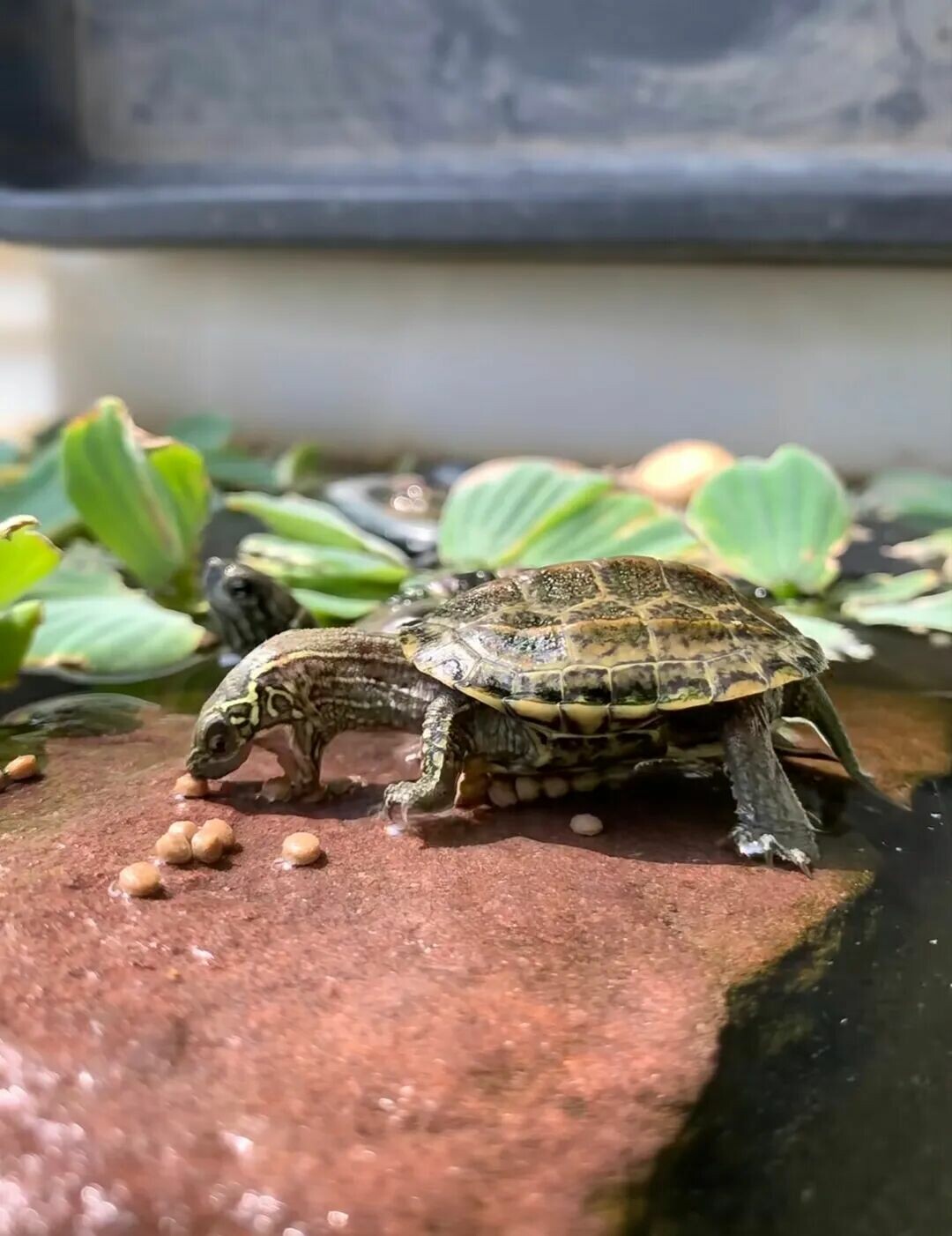
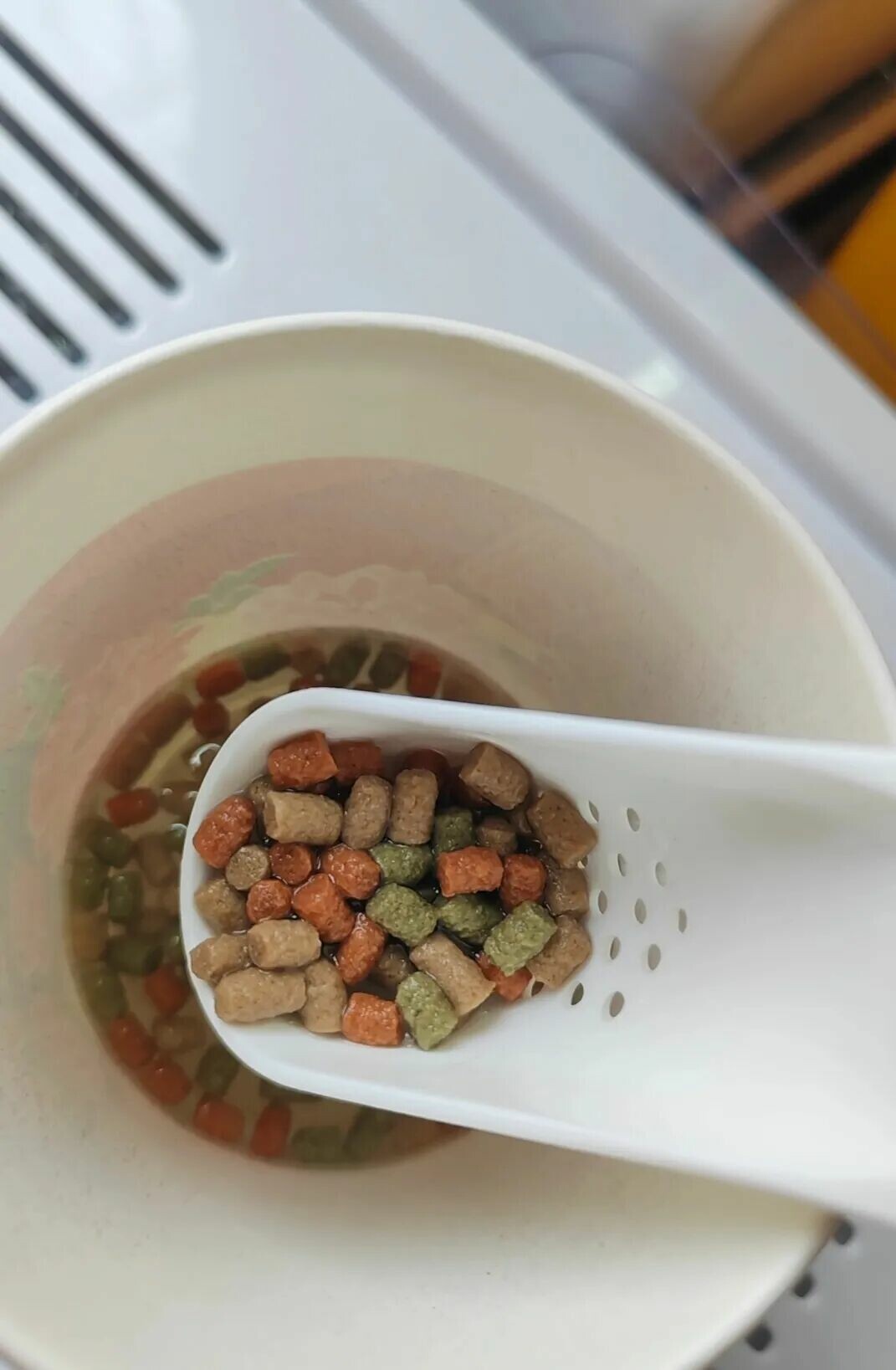
Small, frequent meals, and a gradual approach. For the first feeding after hibernation, the amount must be very small! You can choose easily digestible foods, such as turtle food or a small amount of fruit, and avoid feeding high-protein, high-fat foods. As the temperature rises and the turtle’s condition improves, you can then gradually increase the feeding amount and frequency.
Water Temperature Management
Pay attention to water temperature and avoid fluctuations. When feeding, the water temperature should ideally be maintained at or above 20°C. If the water temperature is too low, it is better not to feed yet.
Criteria for Determining When to Feed
How to tell if a turtle is ready to be fed?
Observe its activity level: If the turtle has become active and started crawling around, it indicates that its bodily functions are recovering.
Check its eyes and limbs: Bright eyes and strong limbs are signs of good health. If the turtle still appears listless, it is advisable to wait a while longer.
Measure the temperature: Use a thermometer to measure the water and ambient temperatures to ensure they meet the conditions suitable for feeding.
Other Spring Turtle Care Tips
Water Quality and Environment
Maintain clean water quality: Bacteria multiply faster in spring, so change the water and clean the turtle tank regularly to prevent the turtle from getting sick.
Minimize Disturbance
Avoid frequent disturbances: Turtles need a quiet environment to recover their strength after hibernation, so try to minimize unnecessary disturbances.
Disease Prevention
Prevent diseases: Spring is a high-incidence period for skin rot (a condition caused by fungal or bacterial skin infections in turtles) and white eye disease (an illness caused by bacterial infection in a turtle’s eyes). Pay close attention to the turtle’s skin and eyes, and address any abnormalities promptly.
Summary and Recommendations
When it comes to spring turtle care, feeding is key! Never rush to feed your turtle just because you feel sorry that it has “lost weight” after hibernation, and don’t lower your guard just because the temperature occasionally rises. Learning to check the weather forecast and feeding scientifically are the ways to ensure your little turtle gets through the spring healthily and greets the summer full of vitality!
Turtle keeping requires knowledge; patience and careful attention are the best ways to show your love for it!
Original article by 搬运工, if reproduced, please cite the source: https://www.kaipet.com/en/improper-feeding-hibernation-fatal-turtles-spring-feeding-guide





Comments(2)
What a crucial reminder! I’m curious, what common *subtle* feeding mistakes have you seen that lead to problems?
@CriticX:That’s a very insightful question, CriticX! The article indeed emphasizes that improper feeding is the ‘invisible killer.’ Subtle mistakes often include misjudging the stable temperature threshold, feeding too much initially, or using high-fat foods. Patience and careful observation are crucial for success.